




































Car detailing, often known as auto valeting in the UK, is a professional service that goes beyond the typical wash and wax. It is a complete cleaning technique that restores your vehicle's interior and exterior to near-factory condition. Unlike fast washes, detailing includes everything from upholstery washing and carpet treatment to shining, waxing, and sanitizing.
Whether you want to boost the value of your vehicle, improve your health, or just enjoy the "new car" appearance, auto detailing delivers unparalleled results. This guide defines automobile detailing, what it entails, how much it costs, and why it's worthwhile.
|
Key Takeaways: |
|
What Is Car Detailing?
Car detailing is growing increasingly popular in the UK. The word "car detailing" originated in America and has recently spread over the pond. In the United Kingdom, the practice is usually referred to as "car valeting". automobile detailing and automobile valeting are synonymous terms. It's a kind of automobile maintenance that goes beyond the typical Sunday morning wash and wax.
Car detailing, like valeting, is a thorough cleaning from top to bottom. The procedure concentrates on both the inside and exterior of your vehicle, with the goal of restoring it to factory finish (or as near as practically feasible), giving it a new sheen.
Although there are many levels of valeting available, the overall procedure includes all of your car's hard-to-reach regions. You can valet your vehicle yourself, but if you want to take your detailing to the next level, we suggest utilizing a professional service. A professional service will guarantee that everything is cleaned to the greatest standards.
What Does Car Detailing Include?
What your exact automobile cleaning service entails will depend on a few things. The first step is deciding how much you want to spend for the service. Second, it depends on the level of detail you want the specialist to go into. In general, a thorough package for car detailing would include the following:

Interior Detailing
Carpet and Mat Cleaning: This will entail fixing any rips or burns in the carpet. The valeting professional will often use vehicle carpet wash to remove stains and make any mats seem like new.
Air Vent Cleaning: They will use compressed air and brushes to remove any dust and moisture trapped in the air vents. These are likely to have built up over time and might emit an unpleasant odor via the air conditioning.
Window Seals: Your valet will most likely entail cleaning the inside window seals.
Upholstery Cleaning: This will involve putting leather protection to seats and so forth.
Air Freshener: This will assist to mimic the distinct "new car" fragrance.
Exterior Detailing
Alloy Wheel Cleaning: A specialist will use special cleansers or pressure washers to polish and degrease your metals. Note that although this will polish the alloy wheels, it will not erase any scratches or dents. To eliminate the damage, you should look into an alloy wheel repair service.
Tyre Cleaning: A tire cleaning can restore the blackness of your tyres by utilizing specific solutions to return them to their natural colour.
Handwash The Car's Exterior: Specialist cleaning materials will be used to make your automobile shine.
Remove any "Contaminants": Contaminants are small particles that accumulate on the car's surface. They may be removed using cleaning wax and other specialised treatments.
Polishing and Buffing: Car polishing is often done using a spinning polishing equipment. This eliminates the small lines on the paint surface, which might accumulate over time to produce a cobweb impression.
Window Cleaning: Cleaning the windows last will eliminate any remaining product from the previous stages. This is vital for achieving a shining finish.
Waxing: Once the paint process is finished, wax is applied. Wax is a crucial protection since it helps resist tiny scratches from the paintwork.
How to Detail a Car?
A professional car detailing service follows a structured process designed to restore, clean, and protect the entire vehicle. Below is a clear breakdown of the six core stages involved in a high-quality car detailing treatment.

Step 1: Wheel Preparation
Detailing typically begins with the wheels, the dirtiest part of any vehicle. Technicians use specialised cleaners, brushes, and separate tools to remove brake dust and road grime without affecting the paintwork.
Step 2: Exterior Pre-Cleaning
The vehicle is treated with a prep-clean solution to loosen stubborn dirt, followed by a layer of snow foam. This step helps lift contaminants away from the surface, minimising the risk of swirl marks during the main wash.
Step 3: Contact Wash (Two-Bucket Method)
Professionals then carry out a controlled contact wash using the two-bucket method--one for the shampoo mixture and one for rinsing. This ensures the wash solution remains clean while the car is washed from top to bottom in sections.
Step 4: Full Paint Decontamination
Once washed, the paint undergoes chemical and physical decontamination. Iron removers, tar removers, and a clay bar are used to eliminate bonded contaminants, preparing the surface for polishing and enhancement.
Step 5: Polishing and Protective Coatings
The vehicle’s paint is polished to improve clarity and correct minor imperfections. A glaze may be applied for added depth, followed by wax or a sealant to deliver long-lasting protection and a refined, glossy finish.
Step 6: Finishing Touches
To complete the detail, technicians clean the glass, restore plastic trims, dress the tyres, and apply a light quick-detailer to remove any remaining residue. This final stage brings the entire vehicle to a crisp, showroom-level appearance.
How Much Does It Cost To Detail a Car?
Prices for car detailing might vary depending on the level of thoroughness of the service that you want. The cost of a simple inside clean and exterior wash might be as low as thirty-five to sixty pounds. Having said that, a premium service that includes a thorough cleaning of both the inside and outside of the vehicle is likely to cost between 250 and 500 pounds.
The process of getting your automobile cleaned will clean it, but it will not fix any dents or scratches that may have been there.

How Often Should I Detail My Car?
After going through all of that, it is possible that you will not be in a rush to do it again in the near future. The good news is that these treatments have a long lifespan, and you only need to do the whole procedure two to three times a year, with some fast washes in between if your vehicle becomes filthy.
On the other hand, if you take pleasure in your vehicle or want to participate in auto shows and, as a result, want it to have a spotless appearance throughout the whole year, you may supplement this procedure by giving it a thorough washing and drying once every two weeks. When it comes to detailing, it is not required to do the whole procedure more often than three times a year.
What Are The Differences Between Car Wash vs. Car Detailing?
Maintaining a clean vehicle often requires choosing between a car wash and car detailing. While both improve appearance, they differ greatly in cleaning depth, attention to detail, time, frequency, and cost. Below is a concise breakdown to help you decide which service fits your needs.

Extent of Cleaning
A professional car wash removes surface dirt using hand washing, pressure washers, vacuums, and dryers--usually within 30-60 minutes.
In contrast, car detailing delivers the highest level of cleanliness, tackling tasks such as carpet shampooing, scratch or paint correction, headlight restoration, dashboard cleaning, and full interior sanitization. Detailing enhances both the interior and exterior far beyond standard washing.
Attention to Detail
Car washes focus mainly on exterior cleaning with optional quick interior vacuuming.
Detailing, however, is a meticulous process. Detailers address every neglected area--cup holders, carpets, vents, trims, windows, and tyres--ensuring a thoroughly refreshed finish.
Time & Labour
A car wash is fast and requires minimal labour, ranging from a few minutes (automated) to 1-2 hours for a hand wash.
Car detailing demands significantly more time and skill, taking several hours to multiple days, depending on service level and vehicle size.
Service Frequency
Because car washes only clean surface dirt, most vehicles need them weekly or bi-weekly.
Detailing is more intensive and normally recommended once or twice a year, with regular washes helping extend the results.
Cost
Car washing is budget-friendly, typically £5-£20+.
Detailing costs more due to its depth of service, starting around £30 for simple tasks and reaching £250+ for full interior-and-exterior packages.
Service Result
A car wash provides a clean, polished look suitable for everyday driving.
Car detailing restores a “like-new” appearance with protective coatings and a revitalized interior, offering long-lasting visual improvement.
|
Category |
Car Wash |
Car Detailing |
|
Purpose |
Quick, routine cleaning |
Deep restoration and thorough cleaning |
|
Cleaning Scope |
Exterior wash, light interior vacuuming |
Full interior & exterior treatment, sanitizing, polishing, restoration |
|
Attention to Detail |
Basic |
High precision; focuses on overlooked areas |
|
Time Required |
A few minutes to 1–2 hours |
Several hours to multiple days |
|
Labour Level |
Minimal |
Skilled, labour-intensive |
|
Frequency |
Weekly or bi-weekly |
Once or twice per year |
|
Cost Range |
£5-£20+ |
£30-£250+ |
|
Result |
Clean and presentable |
“New-car” look with protective finish |
How Jackery Can Help for Car Detailing?
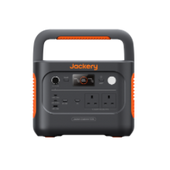
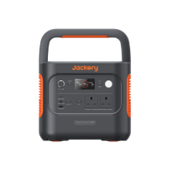
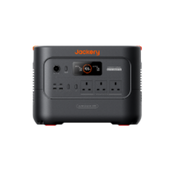
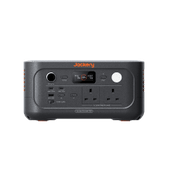
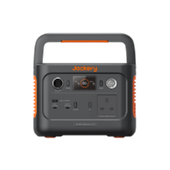
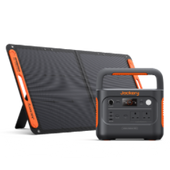
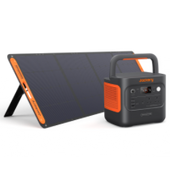
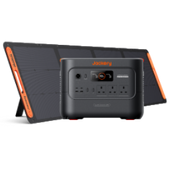
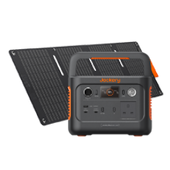
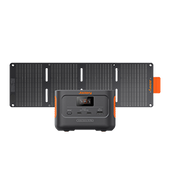
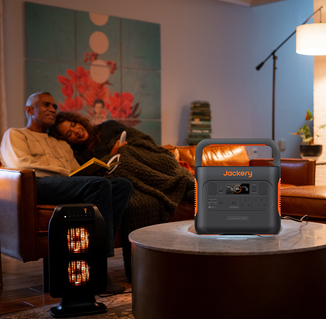
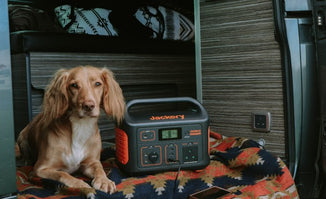
A Jackery Portable Power Station is an incredibly valuable tool for mobile car detailing professionals and enthusiasts because it provides reliable, silent, and emission-free power, allowing them to work virtually anywhere without needing to plug into a client's home or business.
Mobile detailing requires powerful tools that often exceed the capacity of a standard car inverter. Jackery models, like the Jackery Explorer 2000 v2 or 3000 v2 (with a 3000W output), are robust enough to run the most power-hungry detailing equipment, like pressure washer, vacuum cleaner, steam cleaner or air compressor.
The high wattage and pure sine wave inverter in Jackery models ensure that these tools start up and run smoothly without risking damage to the equipment or the vehicle's electrical system. Jackery units operate very quietly (often below 30dB), which is crucial when working in quiet residential neighborhoods, office parking lots, or enclosed garages. This makes the detailing experience far less disruptive.
You are not limited by the client's available power outlets. You can detail a vehicle in a remote parking lot, a driveway without an exterior outlet, or a property that can't handle high-load tools.
Jackery Explorer 3000 v2
The Jackery Explorer 3000 v2 Portable Power Station is an excellent choice for professional mobile car detailing, offering a significant upgrade in power and capacity compared to smaller models. It addresses all the power needs of a full-service mobile detailer, including running high-demand equipment simultaneously, which is critical for efficiency.

Capacity: Approximately 3072Wh (Watt-hours). This large capacity means you can run multiple tools for extended periods, easily covering an entire day of detailing work or multiple large vehicle jobs before needing a recharge.
AC Output: A substantial 3000W continuous output with a 6000W surge capability. This is the most crucial factor for detailing. Detailing equipment like pressure washers, shop vacuums, and carpet extractors require a quick burst of extra power (surge) when the motor first starts. The 6000W surge capacity of the 3000 v2 ensures these tools start reliably without tripping the power station.
Running Multiple Tools: The 3000W continuous output allows you to comfortably run a powerful tool (like a 1500W pressure washer) and a secondary tool (like a 1000W shop vacuum) at the same time, significantly speeding up the washing and cleanup phases of a detail. It can run a professional-grade electric pressure washer, which is essential for pre-rinsing and effective use of a foam cannon, giving you professional washing capabilities on-site.
Self-Sufficiency: A professional detailer is no longer reliant on the client providing an accessible, functioning power outlet. You become a fully self-contained unit. It offers an emission-free and near-silent alternative to loud, fume-emitting gas generators, making the detailing process much more pleasant for the client and detailer.
|
Working Hours for Explorer 3000 v2 |
|
|
Pressure Washer (1000-2000W) |
1.2-2.5 Hrs |
|
Vacuum Cleaner (800-1400W) |
1.8-3.1 Hrs |
|
Rotary (500-1200W) |
2-5 Hrs |
|
Steam Cleaner (1000-1500W) |
1.6-2.5 Hrs |
|
Air Compressor (500-1500W) |
1.6-55 Hrs |
(*The working hours are only for reference, the actual running time is based on the actual usage.)
Jackery Explorer 2000 v2
The Jackery Explorer 2000 v2 is an excellent power solution for professional or dedicated amateur car detailing, especially for mobile detailers or when working in areas without easy access to a wall outlet. Its high capacity, high power output, and portability make it ideal for running the heavy-duty electrical tools required for comprehensive car care.

Powering Heavy-Duty Detailing Tools: It provides a 2200W continuous output (with a 4400W surge peak) and 2042Wh capacity, which is essential for powering high-draw tools. Professional rotary and orbital polishers typically draw between 500W and 1200W. The Jackery can run these tools efficiently for an extended period.
Maximum Mobility and Convenience: Weighing about 39.5 lbs (17.9 kg), the Explorer 2000 v2 is designed to be highly portable and easily transported in a vehicle to any job site—from a driveway to a parking lot. You can detail cars outdoors, on location, or in a garage that lacks sufficient electrical outlets, providing a professional setup anywhere.
Multiple Ports: It features multiple AC outlets (typically three), USB-C ports (including a 100W PD port), and a 12V DC car port, allowing you to run your primary detailing tool (e.g., polisher) while simultaneously charging small devices (e.g., phone, tablet) or powering a detailing light.
Quiet, Clean Operation: It operates at a very low noise level (less than 30dB in silent charging mode). This is crucial for detailers working in residential areas, apartments, or quiet commercial areas where a loud gas generator would be disruptive. Being emissions-free, it can be used safely indoors or in enclosed garages without concerns about carbon monoxide or exhaust fumes, making it safer for both the detailer and the client's property.
|
Working Hours for Explorer 2000 v2 |
|
|
Pressure Washer (1000-2000W) |
0.8-1.6Hrs |
|
Vacuum Cleaner (800-1400W) |
1.2-2Hrs |
|
Rotary (500-1200W) |
1.4-3.3Hrs |
|
Steam Cleaner (1000-1500W) |
1.1-1.6Hrs |
|
Air Compressor (500-1500W) |
1.1-3.3Hrs |
(*The working hours are only for reference, the actual running time is based on the actual usage.)
Why is Car Detailing Important?
Think about the regular wear and tear that your interior goes through: your carpets, mats, upholstery, and trim are vulnerable to a variety of things, including cigarette smoke, food grease, beverage spills, mud and filth, pet hair and dander, and a great deal more.
Even the warm rays of the sun have the potential to cause damage to your dashboard and upholstery. Pros are those who detail. They are well-versed in the process of restoring your leather, in addition to your fabric and carpets, and more significantly, they possess the resources necessary to do it.
The act of scheduling a car detail is not limited to just having your vehicle cleaned. What this clean does for you and what it communicates to people around you is the most important thing. If you can believe it, maintaining your car's details on a continuous basis may have an impact on the worth of your vehicle, enhance your standing at work, and even make you healthier!
Benefit One: It Will Increase The Value Of Your Vehicle
Benefit Two: You Will Seem More Professional As a Result
Benefit Three: It's Better for Your Health
FAQs
The following are the frequently asked questions about the car detailing:
1. What is done during a car detailing?
One of the most typical exterior processes is washing and drying the vehicle. In contrast to a car wash, detailing is done by hand. After spraying the vehicle with a specialist spray that has a high level of power, the next step is to do a complete hand washing on the rims of the vehicle, door jambs, glass, and any other external components that need cleaning.
2. How much should a car detail cost?
Prices for car detailing range from fifty pounds to one hundred fifty pounds for a basic valet detailing service. Included in the fundamental details are the outside hand washing and drying. The carpets and seats inside the vehicle were vacuumed.
3. What is the difference between detailing and valeting?
In contrast to car detailing, which is a more thorough service that involves repairing and safeguarding the vehicle, car valeting concentrates on cleaning the inside and exterior of a vehicle to a higher degree than a simple wash.
The process of detailing comprises the use of specialized, restorative procedures such as paint correction to rectify faults, thorough washing, and the application of long-lasting protective coatings such as ceramic coatings. These coatings go beyond just cleaning the vehicle in order to increase and retain the value of the vehicle.
4. What does a detailer do to a car?
Car detailers go above and beyond the capabilities of a typical car wash by using specialized equipment and methods to remove impurities, stains, and defects from all surfaces of a vehicle. They do this by fully cleaning, restoring, and protecting the inside and exterior of the vehicle to a state that is comparable to that of a brand-new vehicle.
It is the responsibility of the individual to do tasks such as thoroughly cleaning and disinfecting the inside, washing and polishing the exterior, repairing paint defects such as scratches and swirl marks, and adding protective coatings to ensure a long-lasting gloss and durability.
Final Thoughts
Car detailing adds value to your car and improves your driving experience. It does more than simply clean your automobile; it also preserves its beauty, safeguards against long-term damage, and promotes a healthier, more pleasant interior atmosphere. While a weekly wash keeps everything clean, expert detailing restores the showroom sheen and freshness that actually makes a difference.
Whether you select occasional thorough cleaning or regular maintenance, the advantages of automobile detailing go beyond appearance to include resale value, professionalism, and even personal wellness. For UK drivers, it's the best approach to care for and preserve their vehicle.


