























Few events capture the spirit of Scotland quite like the Highland Games. Set against some of the country’s most striking landscapes, these traditional gatherings bring together sport, music, dancing and local pride in a way that feels both historic and lively.
In 2026, the Highland Games in Scotland will once again draw crowds looking to enjoy a mix of heritage, competition, and community. This guide explores the history, basics, and interesting facts of the Highland Games, and offers practical advice for planning your 2026 visit.
You will also see how a compact portable power solution, such as the Jackery Explorer 300D, can make the journey more convenient.
|
Key Takeaways: |
|
History of the Highland Games in Scotland
The Highland Games have deep roots in Scottish history and are widely seen as one of the country’s oldest cultural traditions. Their origins are often linked to gatherings held in the Highlands centuries ago, when clans came together for competition, celebration, and displays of strength, skill, and endurance. These events were not only entertainment but also a way to identify the fastest runners, the strongest fighters, and the most capable warriors.
Over time, the Games developed into broader community celebrations. Alongside athletic contests, they began to feature music, dancing and social gatherings that reflected local identity and Highland culture. Bagpipe performances, Highland dancing and clan connections gradually became just as important as the sporting events themselves.
Although some traditions changed over the years, the Highland Games survived and grew into a recognised symbol of Scotland. In the modern era, they are held in towns and villages across the country, attracting both local communities and international visitors.
Overview of Highland Games 2026
The Highland Games are traditional Scottish gatherings that combine sport, culture and community. Most people picture the famous heavy events first, such as the caber toss, hammer throw and tug of war, but the Games are much broader than that.
In Scotland, the 2026 Highland Games season begins in May with the Gourock Highland Games on 10 May 2026. Most events take place through July and August, which is the busiest part of the season, and the calendar runs into September.
As for where they are held, the Highland Games take place across Scotland, not just in one single venue. You can find them in mainland towns, Highland communities and island locations, which is one reason they are so appealing for travellers.
Official 2026 listings include events in Gourock, Blair Atholl, Luss, Forres, Inverness, Mull, Newtonmore, Bridge of Allan, Stirling, Glenurquhart, Braemar, and Pitlochry.
That widespread range of locations means you can plan a trip around the region you most want to explore. If you want a bigger-name event, Braemar Highland Gathering on 5 September 2026 is one of the best-known dates on the calendar.
If you prefer a summer visit, there are many options in July and August, including Luss on 4 July 2026, Inverness on 11 July 2026, Stirling on 15 August 2026 and Pitlochry on 12 September 2026.
What Events Are in the Scottish Highland Games?
One of the best things about the Scottish Highland Games is that they are never just one thing. Yes, the famous strength contests are a huge draw, but a full Games day usually mixes sport, music, dancing, community traditions and a proper local day-out atmosphere.

Heavy Contests and Field Events
These are the events most people associate with the Highland Games. The heavy contests test raw strength, control and technique rather than brute force alone. Common events include the caber toss, hammer throw, stone put, weight throw and weight for height. VisitScotland highlights the caber toss as the most iconic event, noting that it is judged on how well the caber turns and lands in the right position rather than how far it travels.
The caber toss is the event most visitors wait to see. Athletes lift and run with a long wooden pole, then try to flip it end over end so it lands straight away from them, ideally in the “12 o’clock” position.
The hammer throw is another classic. In Highland Games competition, athletes swing a metal ball attached to a shaft and release it for distance while keeping their feet fixed in place. The weight events work in a similar spirit, though the objects and throwing styles vary. Field events add more variety to the programme. Depending on the Games, these may include running, hill races, light field events, cycling and relay-style contests.
Scottish Highland Games Training
Highland Games training is a sport in its own right. VisitScotland notes that visitors and locals can sometimes try activities such as caber tossing, stone throwing and other traditional events, and some Games actively welcome entrants through official associations.
For serious competitors, training is much more structured than many first-time visitors expect. Athletes work on grip strength, explosive leg drive, shoulder stability, rotational power and foot placement.
Music
Music is woven right through the Highland Games experience. At many events, the sound of the pipes is what people notice first upon arrival. Solo piping competitions may take place during the day, and larger gatherings often feature pipe band contests or massed pipe bands performing together. Braemar lists solo piping, pipe bands and several scheduled massed band appearances, while Pitlochry and other Games also include pipe band competitions as a core part of the day.
Highland Dancing
Highland dancing is another essential part of the Games. These competitions showcase precision, stamina, posture and timing, often with dancers performing to live pipe music. Many Games list Highland Dance as one of their headline categories, and VisitScotland describes it as a standard feature of the wider Highland Games programme.
Clans
Clan culture remains an important part of the Highland Games, even though the emphasis varies by location. Highland clans are among the key elements that people can expect, and many Games have a community feel that brings together local families, returning visitors and those exploring Scottish ancestry.
At some events, you may find clan tents, heritage displays or informal family gathering points where people share stories, tartans and historical links.
Local Markets, Stalls and the Wider Festival Atmosphere
A Highland Games day usually extends well beyond the competition arena. Visitors can spend the day enjoying stalls, food and drink, while older event guides also describe refreshment tents, burger stands and traditional side attractions as part of the experience.
In practice, this means you may find local food vendors, craft stalls, small fairground entertainment and community fundraising stands depending on the event.
Full Year 2026 Calendar: Highland Games Scotland
The Highland Games season in Scotland runs from May to September 2026. The first events begin in May, the calendar becomes much busier through July and August, and the season rounds off in September. Official tourism sources for 2026 point to Gourock Highland Games on 10 May 2026 as the start of the season, with Pitlochry Highland Games on 12 September 2026 listed as one of the closing events.

May 2026
The season opens in May, which is the earliest part of the Highland Games calendar. A key opening date is the Gourock Highland Games on 10 May 2026, followed by the Atholl Gathering at Blair Atholl on 24 May 2026. This early part of the season is a good fit for visitors who want a quieter trip before the busiest summer period begins.
June 2026
June is still a lighter month compared with midsummer, but it helps bridge the gap between the opening Games and the main peak season. While the broad national tourism pages focus more heavily on May, July, August and September, additional 2026 listings also show events such as Glamis on 14 June 2026 and other regional gatherings appearing before the busiest stretch of the summer calendar.
July 2026
The schedule becomes much fuller in July, and this is when the Highland Games season starts to feel properly busy. Published 2026 dates include the Luss Highland Games on 4 July, the Forres Highland Games on 4 July, the Inverness Highland Games on 11 July, and the Mull Highland Games on 23 July. For many travellers, July is one of the best months to go because the weather is usually more favourable and there is a wider choice of locations across Scotland.
August 2026
August is one of the peak months for the Highland Games in Scotland. Official 2026 listings include Newtonmore Highland Games on 1 August, Bridge of Allan Highland Games on 2 August, Glen Urquhart Highland Games on 22 August, Cowal Highland Gathering from 27 to 29 August, and Birnam Highland Games on 29 August. This is a lively time to visit, with many events packed into a short window and a strong summer atmosphere across the country.
September 2026
The season continues into September, with several of the best-known events taking place near the end of the calendar. These include Braemar Highland Gathering on 5 September 2026, Blairgowrie & Rattray Highland Games on 6 September 2026, and Pitlochry Highland Games on 12 September 2026. Some 2026 calendars also list Bowhill Highland Games on 13 September 2026, although Scotland.org specifically highlights Pitlochry as the point where the season comes to a close.
Planning Your Visit to the Highland Games
A trip to the Highland Games is usually straightforward to plan, but it pays to think ahead. These are outdoor events, often held in smaller towns or village settings, so tickets, travel, weather and what you pack can all shape the day.

Buy Tickets from Official Event Websites
The safest and simplest way to buy tickets is through the official website of the specific Highland Games you want to attend. Visit Scotland’s 2026 Highland Games listing is a good place to start because it links out to individual events across the season.
Many Games now sell tickets online in advance. For example, Pitlochry Highland Games states that online tickets are already available for Saturday, 12 September 2026, and Cowal Gathering also confirms that 2026 tickets are on sale through its official ticket pages. Braemar Gathering also sells tickets through its own ticketing page.
Ticket prices vary by event, seating type and whether you choose general admission or a reserved seat. A useful 2026 example is the Braemar Gathering, where general admission starts at £20 and seated tickets start at £30. Braemar also notes that admission is already included with seated tickets, so there is no need to buy both.
Dress for Changeable Scottish Weather
This matters more than many first-time visitors expect. Even in summer, Highland Games days can swing between sunshine, wind and showers. Practical layers are usually the best choice. A light waterproof jacket, comfortable trousers or jeans, and something you can add or remove easily will make the day much easier.
Footwear matters too. Pitlochry Highland Games specifically advises visitors to wear strong footwear, and that is sensible advice for most Games because the grounds can be grassy, uneven or damp underfoot. There may be plastic walkways in some areas, but you should still dress for an outdoor field event rather than a city attraction.
Arrive Early and Plan Your Transport
It is worth getting there early, especially for larger Games. You will have more time to park, find your bearings, and catch opening activities such as parades, piping, or early competitions. Pitlochry says its gates open at 09:30, the Games open at 10:15, and the pipe band parade starts at 11:30. Transport can also take longer than expected because many venues are in scenic but smaller locations.
Know What Kind of Day You Want
The Highland Games can be enjoyed in different ways, and your day will feel better if you lean into the part that interests you most. Some people go mainly for the heavy events, such as caber tossing and hammer throwing. Others are there for pipe bands, Highland dancing, local stalls or the general atmosphere.
Bring the Essentials for a Full Day Outdoors
A few practical items make a noticeable difference. Useful things to pack include
|
Waterproof jacket |
Sunscreen |
Reusable water bottle |
|
Cash and bank card |
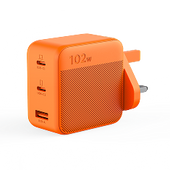
Portable phone charger |
Picnic blanket |
|
Foldable seat if the event allows it |
Tissues and hand sanitiser |
Sunglasses or hat |
Food stalls are often available on site. Pitlochry, for example, says there are plenty of food stalls around the arena, while Braemar lists facilities including toilets, accessible toilets, baby-changing facilities, and first-aid support.
Take Portable Power with You
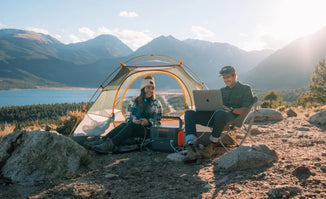
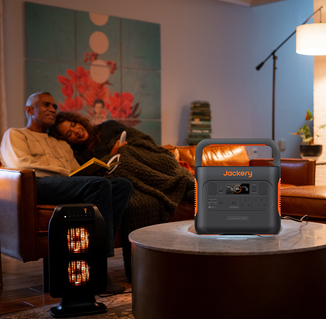
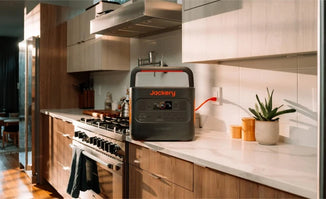
Because Highland Games are long outdoor events, portable power can be genuinely helpful. You may be using your phone for tickets, navigation, photos, maps, weather checks and keeping in touch, all while spending hours away from a plug socket. A compact portable power solution can make the day much easier, especially if you are also travelling by car, campervan or train.
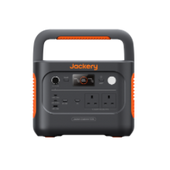
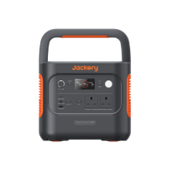
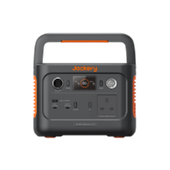
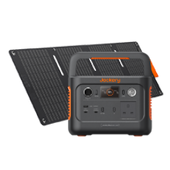
This is where a unit such as the Jackery Explorer 300D can fit naturally into the trip. It is easier to carry than a large power station, yet useful for topping up phones, cameras, drones or other small essentials while you travel through Scotland.

A Few Extra Tips That Help on the Day
Check the event website the day before you travel. Parking details, gate times and weather notes can change, and some venues provide final visitor guidance close to the event date.
Keep your ticket accessible on your phone or print it out if you prefer. Braemar states that visitors can leave and re-enter, but should retain their ticket for re-entry.
Do not overdress in anything too formal unless you are attending a hospitality area or making a special occasion of it. Smart casual outdoor clothing works well for most visitors.
Most importantly, treat the Highland Games as a cultural day out, not just a sports fixture. The best visits usually include a bit of everything: some time watching the athletes, some time listening to the pipes, some wandering around the stalls, and a bit of space to enjoy the setting.
Jackery Explorer 300D Portable Power Station: Easy to Take
A day at the Highland Games can be longer than it first appears. Between travel, mobile tickets, maps, photos, videos and checking the weather, it is easy to run down your phone battery before the main events are even over.
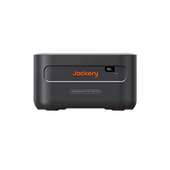
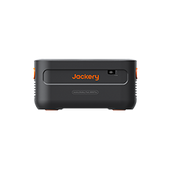
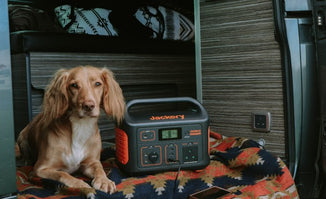
The Jackery Explorer 300D suits this kind of outing because it is designed around portability. Jackery lists it with a 288Wh capacity, a 2.5 kg weight, and support for powering up to 5 devices at once, making it easier to carry than a larger unit while still useful for travel essentials.
One of its biggest advantages for Highland Games visitors is simple convenience. Instead of carrying several separate power banks, you can keep phones, cameras, and other small devices topped up from one compact unit.

288Wh Capacity with 300W Output
With its lightweight 2.5 kg design, 3× USB-C, 1× USB-A, and car socket, this power station can deliver 288Wh of energy, which is equivalent to up to nine power banks, and has a maximum output of 300W. It keeps laptops, drones, and other devices fuelled simultaneously for travel, camping, and daily backup.
Continue Your Adventure, Charge Without Limits
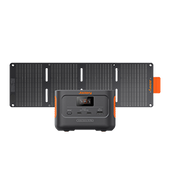
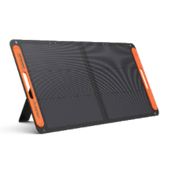
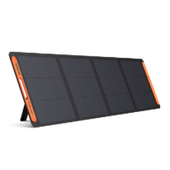
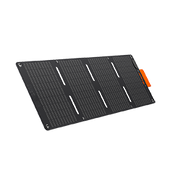
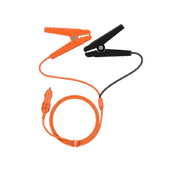
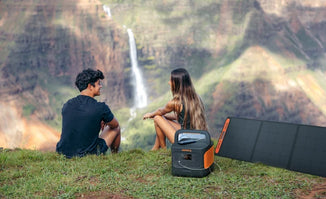
Connect the E300D power bank to the small, foldable 40W solar panel for convenient, intelligent recharging on-the-go. It provides consistent solar energy wherever your journey takes you because to its small size, durability, and ease of attachment to a bike or backpack.
Two-in-one cable. Simply grab and go
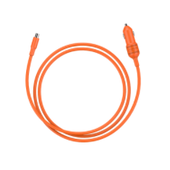
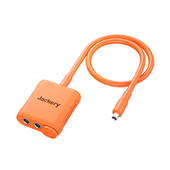
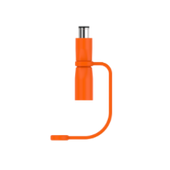
With the unique 2-in-1 carry-and-charge cable, you can streamline your on-the-go power. You can take this E300D, walk around freely, and keep all of your devices charged and connected wherever you go because it is strong enough to support up to 10 kg and functions as both a durable handle and a 140W fast-charging cable with data transmission integrated in.
Nearly 0 dB. Silent Power
This quiet power station is much more powerful than a typical power bank and much quieter than traditional units thanks to its completely fanless design, which allows for whisper-quiet, nearly 0 dB operation. Take advantage of robust, dependable energy for both day and nighttime use without interfering with your sleep, concentration, or peace of mind at camp.
Smaller. Lighter. Easier to Carry
Just 2.5 kg and up to 56% smaller, the DC Explorer 300D is easy to carry with one hand. It’s up to 64% smaller and 39% lighter than industry-average AC power stations of the same capacity.
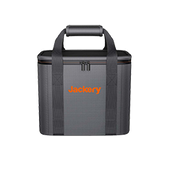
Attach the optional shoulder strap (sold separately) for true hands-free convenience. Simply sling your power station over your shoulder to keep your hands free and your power portable wherever your day takes you.
|
Features of Jackery Explorer 300D |
|
|
Weight |
2.5 kg |
|
Dimension |
11.86 x 12.02 x 18.3 cm |
|
Capacity |
288Wh (15Ah / 19.2V DC) |
|
Cell Chemistry |
LiFePO4 4000 cycles to 70%+ capacity |
|
Output Ports |
USB-A Output: 15W Max, 5V⎓3A USB-C Output: C1: 140W Max, 5V⎓3A, 9V⎓3A, 12V⎓3A, 15V⎓3A, 20V⎓5A, 28V⎓5A C2: 140W Max, 5V⎓3A, 9V⎓3A, 12V⎓3A, 15V⎓3A, 20V⎓5A, 28V⎓5A C3: 65W Max, 5V⎓3A, 9V⎓3A, 12V⎓3A, 15V⎓3A, 20V⎓3.25A Car Port: 12V⎓10A max |
|
Input Ports |
DC Input PV: 16-28V⎓6A Max, 100W Max; Car: 11-16V⎓6A Max, 96W Max; USB-C Input C1: 5V⎓3A, 9V⎓3A, 12V⎓3A, 15V⎓3A, 20V⎓5A, 28V⎓5A, 140W Max |
FAQs
The following are frequently asked questions about the Highland Games Scotland.
1. What are the Highland Games in Scotland?
The Highland Games are traditional Scottish events that combine sport, culture and community celebration. They are best known for heavy events such as the caber toss, hammer throw and tug of war. They also feature Highland dancing, pipe band performances, clan traditions, local stalls, and family-friendly entertainment.
For many visitors, the Highland Games are one of the most enjoyable ways to experience Scottish culture in person.
2. Are the Highland Games worth visiting for tourists?
Yes, the Highland Games are well worth visiting if you want to see a more traditional and lively side of Scotland. They offer much more than sport alone, with music, dancing, food, heritage and a strong local atmosphere all in one place. Whether you are travelling as a couple, with family or on a road trip through the Highlands, the Games can add a memorable cultural experience to your itinerary.
3. What should I bring to the Highland Games?
It is best to pack for a full day outdoors. Useful items include comfortable clothing, a waterproof layer, sturdy shoes, sunscreen, drinking water, your ticket, and a phone charger or portable power source.
If you are travelling a long way or spending the whole day at the venue, a compact option like the Jackery Explorer 300D can be handy for keeping your phone and other small devices charged while you enjoy the Games.
4. What is the best Highland Games to attend in Scotland?
For almost 200 years, the Braemar Gathering has been a highlight of Scotland's sporting calendar. Nestled beneath bucolic, heather-strewn mountains, it is the most prominent and well-attended Highland games in the world, drawing vast crowds from across the globe.
Final Thoughts
The Highland Games remain one of the most distinctive parts of Scottish culture, bringing together history, athletic tradition, music and local community spirit in a way few other events can match.
With events running from May to September, you can plan your visit around the region, atmosphere, and time of year that suits you best. A little preparation goes a long way, from booking tickets early to dressing for changing weather and packing the essentials for a full day outdoors.


