














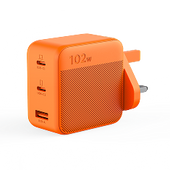
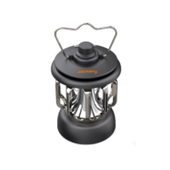











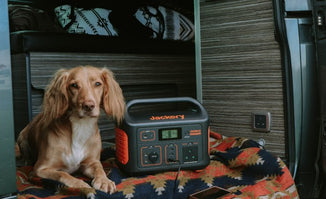


In an emergency, rescuers may be busy assisting individuals in danger. A 72-hour emergency kit has enough resources to sustain you and your family for three days in an emergency. A two-hour emergency kit checklist should include everything from lighting and electricity to food, hygiene goods, infant supplies, and first-aid kits.
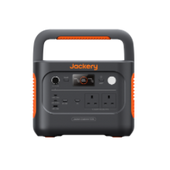
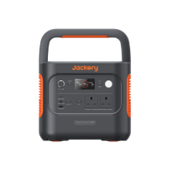
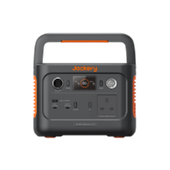
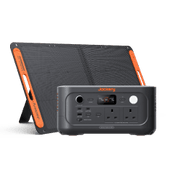
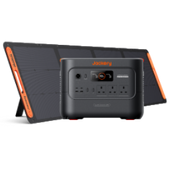
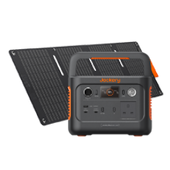
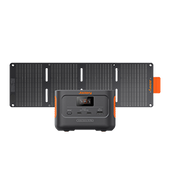
The Jackery Solar Generator 3000 v2 and Jackery Solar Generator 2000 v2 are popular backup power solutions for home 72-hour emergency kits. Do not forget to keep your emergency kit in a dry area at home. Check it once a year. Check that food is not expired, clothes still fits, and prescriptions are not expired.
|
Key Takeaways: |
|
l A 72-hour emergency kit can ensure self-sufficiency for at least 72-hour (three days) in an emergency. l A 72-hour emergency kit should include drinking water, non-perishable food, lighting equipment, backup power, and first-aid supplies. l The Jackery Solar Generator 3000 v2 and the Jackery Solar Generator 2000 v2 are popular choices for backup power in a home 72-hour emergency kit. l An elderly person's 72-hour emergency kit should include commonly used medications, while hearing-impaired individuals should ideally prepare a pen and paper for communication. l The 72-hour emergency kit is best stored in an area that family members frequently use and can easily access, such as near the living room, hallway, or master bedroom. l It is recommended to check the 72-hour emergency kit every 6 months and replace any expired items immediately. l In addition to preparing a 72-hour emergency kit, please develop a family emergency plan with your family. |
Why Is a 72-Hour Emergency Kit Essential?
Faced with rising natural disasters, technology threats, and geopolitical concerns, the UK government advises residents to stock a 72-hour emergency kit at home to ensure self-sufficiency for at least 72-hour (three days).
This enables emergency personnel to prioritise those most in need. Recommendations, including those on the UK's recently created "Prepare" website, emphasise the significance of emergency preparedness in every family. Reasons for this initiative include:
Ensure Fundamental Survival
Severe weather, floods, power outages, fires, cybersecurity issues, disease outbreaks, terrorist attacks, and other events can all be classified as emergencies. Some emergencies pass quickly, while others might continue for days, weeks, or even months. In these scenarios, water, food, first-aid supplies, and warmth from an emergency kit become crucial survival tools.
Enhancing Psychological Resilience
Panic, helplessness, and a loss of control are the most powerful foes in a crisis. When infants cry, the elderly are ill, or phones run out of battery, having an emergency pack on hand may be really comforting. Family members can also adhere to the plan, preventing disruption and keeping order.
Reducing the Rescue Burden
If every home can be self-sufficient for 72-hour, the number of unnecessary calls to emergency services will be greatly decreased. Rescue efforts can be directed towards the most severely injured, hospitals, and critical facilities. This considerably accelerates the total rate of societal recovery.
What's Included in a 72-Hour Emergency Kit?
In an emergency, rescuers may be busy assisting individuals in danger. The UK government recommended that families stock up on essential goods. A 72-hour emergency kit has enough resources to sustain you and your family for three days in an emergency.
The emergency pack checklist includes everything from lighting and electricity to food, hygiene goods, infant supplies, and first-aid supplies. The following are the essential items that must be included in the kit:

Drinking Water
It is ideal to have four litres of water per person every day. If you have infants, pets, or medical demands, you will require more water. It is strongly advised that you keep bottled water or use a water purification system (water purification pills or a portable water purifier).
Food
Prepare at least three days' worth of non-perishable food that requires little cooking, such as canned products, freeze-dried foods, dry goods, and energy bars. If you have canned items on hand, prepare a manual can opener.
Radio
Staying informed is critical during an emergency. Prepare a battery-operated or hand-cranked radio to listen to news updates. Furthermore, being able to utilise a mobile phone to call for assistance or seek information is critical.
Clothing and Shelter
When packing, consider warmth and sustenance. Consider bringing a sleeping bag or warm blanket to ensure you have a place to sleep. Pack extra clothing appropriate for the local weather and sturdy shoes.
Personal Hygiene Products
Maintaining cleanliness helps to prevent disease. Stockpile hand sanitiser, wipes, rubbish bags, soap, and disinfectant wipes. Maintain cleanliness during water outages by using hand sanitiser and disinfectant wipes. Do not forget feminine hygiene items like sanitary napkins and tampons.
First Aid Kit
In an emergency, a basic first aid pack can save a life. A first aid pack should have bandages, adhesive bandages, disinfectant, wound dressings, sterile gloves, a thermometer, and eye drops. It should also list any prescription medications you or a family member are taking. If space allows, include a survival blanket.
Lights and Power
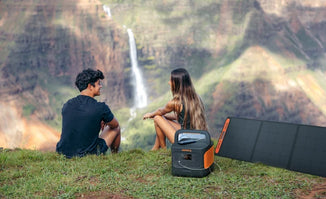
Most emergencies entail power interruptions, which leave you in the dark. As a result, headlamps and flashlights are necessary, as they are far safer than candles. A high-quality backup power supply will keep you out of the dark. Consider the Jackery Solar Generator 3000 v2 or 2000 v2, which create electricity from free solar power.

Tool Kit
It's also a good idea to have some emergency supplies on hand, such as multi-tool pliers, duct tape, cable ties, rope, and stitching tools. A survival whistle can aid in attracting attention if necessary. A multitool, such as a Swiss Army knife, is also a useful addition to your bag.
Important Documents
Carrying photocopies of crucial documents might make it easier to confirm your identification, get aid, and stabilise your finances following a crisis. In addition to emergency contact information, keep photocopies of your tax returns, insurance policies, property deeds, wills, and medical records.
Small Amounts of Cash and Coins
You should carry some cash because debit and credit cards may not work in an emergency or during a power outage. You may also require some pennies if you need to use public telephones or coin-operated washing facilities.
Baby and Pet Supplies
If applicable, include infant food, nappies, formula, extra clothing, and wipes in your emergency bag. If you have pets, prepare water, food, and toys.
Jackery Solar Generators: Your Home Backup Power
Power outages are a core challenge for home emergency preparedness in emergencies such as winter storms, floods, or grid instability. Therefore, adding a backup power source to a 72-hour emergency kit is essential.
A reliable backup power source is not only crucial for lighting and communication but also for maintaining basic living order. Among numerous portable power solutions, the Jackery solar generator series, with its stability, safety, and user-friendly design, has become a popular choice for UK home 72-hour emergency kits.
Below is an analysis of the advantages of two star products particularly suitable for home emergency use – the Jackery Solar Generator 3000 v2 and the Jackery Solar Generator 2000 v2.
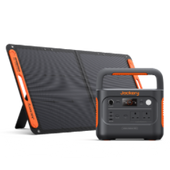
Jackery Solar Generator 3000 v2
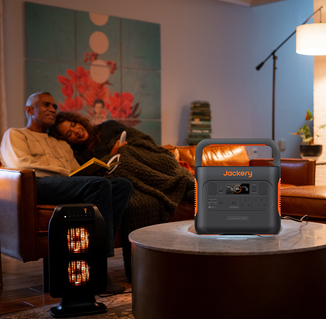
For UK households needing power for medical equipment, home networking, lighting, and refrigeration, the Jackery Solar Generator 3000 v2 is the central power option in a 72-hour emergency kit. Its key advantages are as follows:

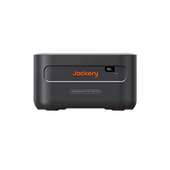
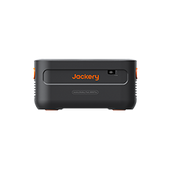
Large Capacity, Long-Lasting Power: The Jackery Solar Generator 3000 v2 boasts a battery capacity of up to 3072Wh, enough to power a 200W refrigerator for 24–48 hours, LED lighting for over 50 hours, and a mobile phone for over 30 charges, meeting core power needs for 72-hour and even longer.
Simultaneous Power Supply for Multiple Devices, Rich Interface Options: The Jackery Solar Generator 3000 v2 provides three 230V~13A UK sockets, two 100W USB-C ports, two 18W USB-A ports, and one 12V car port. It can simultaneously power laptops, mobile phones, Wi-Fi routers, electric blankets, and other devices, meeting the needs of multiple devices in the whole family.
Fast Charging, Supporting Solar + AC + Car Charging: The Jackery Solar Generator 3000 v2 can be charged from 0 to 100% in 1.8 hours using AC fast charging. It also supports a maximum of 1000W solar input, fully charging in about 3.5 hours on a sunny day, suitable for supplementing power during power outages. It can also be charged via a car cigarette lighter (12V) while traveling, taking 36 hours to fully charge.
Intelligent Safety Protection for Peace of Mind in the Home: The Jackery Solar Generator 3000 v2 features a built-in BMS battery management system with multiple safety protections against overcharge, over-discharge, short circuit, overload, and high temperature. It uses lithium iron phosphate (LiFePO4) batteries, which have high thermal stability, are less prone to fire, and can enjoy up to 4,000 charge cycles, far exceeding ordinary lithium batteries.
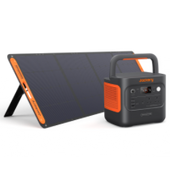
Jackery Solar Generator 2000 v2
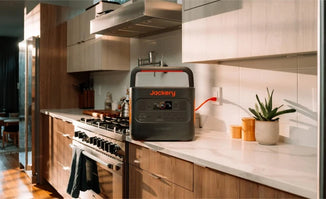
The Jackery Solar Generator 2000 v2 is ideal for urban families, small apartments, or budget-conscious users. It achieves a perfect balance between capacity, portability, and performance, making it a highly practical option for 72-hour emergency kits. Its core advantages are as follows:

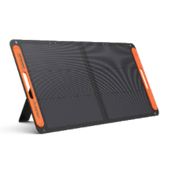
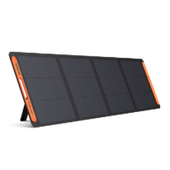
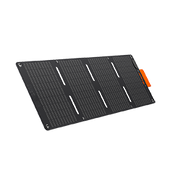
High Energy Density, Lightweight and Portable: The Jackery Solar Generator 2000 v2 is the lightest and smallest 2kWh lithium iron phosphate (2048Wh) power bank. Weighing only 38.6 lbs (17.5 kg) with the Explorer 2000 v2 Portable Power Station and 7.9 lbs (3.6 kg) with the SolarSaga 100W solar panel, it's 35.6% lighter than comparable products, making it easy to move between rooms in the house or carry in emergencies.
Highly Efficient and Fast Charging with Rapid Response: The Jackery Solar Generator 2000 v2 fully charges in just 1.7 hours with AC power, offering extremely fast response. Furthermore, it can be easily activated via a smart app in Emergency Supercharge mode, charging from 0% to 80% in just 52 minutes. With 400W solar input, it fully charges in approximately 5.5 hours on a sunny day, ideal for efficient power replenishment during the UK summer or spring/autumn seasons.
Also Equipped with A Lithium Iron Phosphate Battery for Safety and Long Lifespan: The Jackery Solar Generator 2000 v2 uses the same LiFePO4 battery technology as the 3000 v2, supporting up to 4000 charge cycles, and features a foldable solar panel designed for up to 4000 uses. It also supports pass-through charging, allowing you to use household appliances like refrigerators while charging.
Quiet Design, Reliable and Durable: The Jackery Solar Generator 2000 v2 operates at ≤30dB noise in silent charging mode, making it virtually silent. During use, noise levels remain minimal (42dB AC, 30dB DC). It has also passed the rigorous IEC60068-3-3 seismic test, proving its durability even in a magnitude 9 earthquake.
How Should Seniors or Disabled People Prepare a 72-Hour Emergency Kit?
In times of emergency, the aged and disabled are sometimes the most vulnerable groups. Their dependency on medical assistance, assistive gadgets, and daily care renders a normal 72-hour emergency bag insufficient to address their actual needs. As a result, in addition to a basic emergency pack, special attention must be paid to the elderly and crippled.
How Should Seniors Prepare a 72-Hour Emergency Kit?
A 72-hour emergency pack for seniors should include drinking water, warm clothing, and at least three days' worth of common drugs (such as blood pressure, blood sugar, and anticoagulants). The medicine name, dose, administration time, and doctor's contact information should all be properly labelled and printed in large fonts.
Additionally, a portable blood pressure monitor and blood glucose meter may be required. Remember to include copies of medical records, dentures, and reading glasses in the kit.
How Should People with Disabilities Prepare a 72-Hour Emergency Kit?
In addition to basic emergency supplies, a 72-hour emergency kit for people with disabilities should include additional things to fulfil their specific need. We recommend including the following items based on your impairment and needs:
For People with Hearing Impairments: It's best to include a pen, paper, and a notebook for communication; a spare hearing aid (if available) and spare batteries; and a text communication card with the message "I can't hear, please communicate in writing."
For People with Visual Impairments: It is best to carry a clock or radio with spoken announcements, as well as a spare cane. You should also make sure the 72-hour emergency kit is clearly visible and accessible. Consider using a large print, fluorescent tape, or Braille to label the contents within.
For People with Mobility Impairments: It's best to include a tire repair kit (spare tyre, air pump, etc.), a manual lightweight wheelchair (a backup for an electric wheelchair in case of power outages) and a tarp (for easier moving when there is no lift).

How Should a 72-Hour Emergency Kit Be Stored?
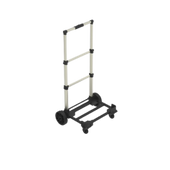
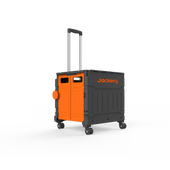
Ideally, goods should be kept in a waterproof, wheeled suitcase or container. Your emergency kit must be portable in case you need to flee your home. But how should you preserve a 72-hour emergency kit? Here are some recommendations for storing a 72-hour emergency kit:
Principles of Storing a 72-Hour Emergency Kit
In an emergency, family members should be able to locate and obtain the 72-hour emergency kit within three minutes. To achieve this, the following must be completed:
Proximity: Keep it in a regularly used and conveniently accessible location for family members, such as the living room, corridor, or master bedroom.
Ease of Access: Avoid locking it, stacking heavy objects on it, or placing it in a high location. Ensure that the elderly and youngsters can also help retrieve it.
Fixed Position: The entire family must be aware of the emergency kit's fixed position and avoid frequent changes or temporary relocation.
Recommended Storage Locations for a 72-Hour Emergency Kit
For most average houses, the recommended storage sites for a 72-hour emergency kit are as follows:
Beside or Beneath the Bed in the Master Bedroom: In the event of an emergency at night (such as a fire), it can be accessed quickly, lowering the risk of movement. This is especially suited for families with elderly members, young children, or persons suffering from chronic ailments.
Near the Entrance Door: In the event of an emergency evacuation, it can be simply transported, reducing delays in escape due to returning to the bedroom. However, it must not hinder escape routes; for example, it should never be placed behind a door.
How Should a 72-Hour Emergency Kit and Its Contents Be Maintained?
If maintenance is neglected for an extended period of time, food may decay, medications may become useless, and batteries may leak, posing a hazard in critical situations. Please maintain the 72-hour emergency kit properly so that it is easily available when needed.

Protect from Water and Moisture
Before packing, ensure that all items, particularly medicines, batteries, documents, and electronic devices, are individually sealed in waterproof bags. Furthermore, avoid storing the emergency pack in wet areas like bathrooms, under kitchen sinks, basements, or near external walls.
Replace Expired Items Regularly
It is advised that you check every six months and replace any expired goods immediately. Please check for signs of ageing or damage, especially on items with clearly established expiration dates, such as food, medicine, and water purification tablets. Please check for symptoms of ageing or damage on items that do not have clearly established expiration dates.
Regular Charging and Information Updates
The backup power supply in the emergency kit should be charged and discharged every three months to keep the battery active and the charge level between 60% and 80%. Furthermore, emergency contact information should be rapidly updated. Passports, insurance plans, medical records, and other documents should be replaced as soon as they change.
Regular Cleaning and Organisation
It is advised that the kit be cleaned and organised quarterly. Remove all things from the kit and sort them into categories: food, medicine, tools, electronics, and paperwork. Wipe the inside of the kit with a dry towel to remove dust and moisture before repacking it.
Besides a 72-Hour Emergency Kit, What Other Important Emergency Measures Are There?
Many families have started assembling 72-hour emergency kits, which is a vital step towards emergency preparedness. However, adequate emergency readiness cannot be based exclusively on an emergency pack to deal with a crisis. The following emergency steps must also be considered:
Develop a Family Emergency Plan
Take 10 minutes to complete a family emergency plan to ensure that you and your family are appropriately prepared in the event of an emergency. This involves discussing escape routes and meeting locations with family members.
It is best to designate at least two escape routes and make sure that everyone is familiar with them. Here's an alternative template. You should examine and update your plan on a frequent basis.
Learn Basic First Aid Skills
Correct first-aid procedures can save lives. Cardiopulmonary resuscitation (CPR), the Heimlich manoeuvre, and the use of a tourniquet or pressure to halt bleeding are all recommended as fundamental abilities. Consider taking a free or low-cost training course offered by the British Red Cross.
Try Joining the Priority Service Register
Determine whether you are eligible to join your gas, electricity and water suppliers' priority service registers, which ensure priority notification and help during power outages, water shortages or harsh weather. Joining the Priority Service Register (PSR) is entirely free.
Regularly Inspect Your Home
Regular inspections can help uncover possible problems early on and keep minor concerns from turning into significant ones. Simple inspection actions, such as testing smoke detectors weekly and understanding how to cut off utilities like water, electricity and gas, can be quite beneficial.
FAQs
The following are frequently asked questions about the 72-hour emergency kit.
1. What should be in a 72-hour emergency kit?
A 72-hour emergency kit should include enough basic essentials and emergency supplies to keep a person going for three days. A 72-hour emergency pack should contain the following important items:
|
Drinking Water (and Treatment Methods) |
At least 2 liters per person per day (6 liters for 3 days). Water purification tablets or portable water purifiers may be used. |
|
Long-Shelf-Life Foods |
Freeze-dried foods or emergency rations. Energy bars, dried fruit, ready-to-eat foods requiring no cooking. If purchasing canned goods, a manual can opener is required. |
|
Lighting and Energy |
Headlamp + flashlight, with generator or batteries. External battery for smartphone, fully charged. Candles, matches, lighter. |
|
First Aid Kit |
Bandages, disinfectant, sterile dressings. Personal medications + commonly used painkillers. Emergency blanket. |
|
Communication and Information |
Hand-cranked or battery-powered radio (FM + emergency frequency). Whistle to indicate someone is present. Notebook with emergency contact numbers and copies of important documents. |
|
Clothing and Protection |
Warm and waterproof clothing. Mask, gloves, wool hat, a pair of sturdy shoes. Use a waterproof tarp or raincoat for protection from the rain. |
|
Multi-tool |
Swiss Army knife or multi-tool pliers. Tape, cable ties, string. Quick repair or sewing tool kit Everything should fit into a backpack or a portable case. |
(Source: www.freezedriedandco.com)
2. What to stockpile in case of WW3?
To prepare, it is recommended to prepare a survival kit containing the following nine items: (Source: www.express.co.uk)
Bottled Water and a portable water filter
Non-perishable foods and energy bars
Flashlight and extra batteries
Fire-starting equipment and a first-aid kit
Warm clothes and shelter gear
Multi-tool or survival knife
Communication equipment, such a radio
Important identity documents and cash
Navigation gear such as a compass and a map
3. What is in the UK government 72-hour emergency kit?
The UK government recommends the following in an emergency kit
(Source: prepare.campaign.gov.uk):
Battery-powered or hand-cranked flashlight
Portable power banks
Hand-cranked or battery-powered radio
Spare batteries
First aid kit
Hand Sanitiser and Wipes
Bottled water.
Non-perishable food that does not need cooking
Baby supplies include nappies and formula.
4. How should I store my emergency supplies?
Ideally, goods should be kept in a waterproof, wheeled suitcase or container. Your emergency kit must be portable in case you need to flee your home. Always check your kit and replenish/replace materials as necessary.
Final Thoughts
Earthquakes, floods, cyberattacks, and power outages are all examples of unplanned emergencies. Some emergencies pass quickly, while others might continue for days, weeks, or even months. More importantly, they can cause cascade effects that have a significant impact on regular people's lives.
A well-stocked 72-hour emergency kit will keep you safe and self-sufficient during power outages, floods, and even evacuations. In addition to drinking water, food, and necessary drugs, you need prepare a portable emergency generator (such as Jackery Solar Generator 3000 v2 or Solar Generator 2000 v2) for self-generation.


