





































Electrical fires remain a top cause of UK domestic emergencies, typically resulting from misused appliances, outdated pre-1970s wiring, or overloaded sockets. This guide provides actionable steps to identify these hazards, upgrade your home’s safety features, and plan effective escape routes—helping you stop preventable fires before they start.
Understanding the Risks: Why Electrical Fires Happen
Preventable electrical fires usually result from long-term wear, misuse, or lack of maintenance rather than spontaneous combustion.
Common Causes and Prevention
Identifying the root cause is the first step in prevention.
- Faulty Wiring: Pre-1970s homes often lack modern earthing or Part P compliance. Homeowners should check for wear, deterioration, or old rubber-sheathed cables.
- Overloading: Plugging high-power appliances like heaters into a single extension lead causes overheating. Avoid block adaptors, which strain socket connections.
- Appliance Failure: Tumble dryers are frequent ignition sources due to airflow restriction. Lint buildup in dryers leads to combustion if filters are not cleaned.
- Charging Habits: Charging phones, laptops, or e-bikes on soft surfaces traps heat. Placing devices on beds or sofas prevents dissipation and can ignite bedding.
- Non-Compliant Goods: Cheap electrical imports often fail to meet UK safety standards. Avoid products that lack UKCA or CE safety marks.
- Prevention: Regular visual checks and ensuring proper ventilation around equipment are your first line of defence.
High-Risk Areas and Appliances
Certain zones in your home require higher vigilance due to the concentration of heat sources and water.
- Kitchens: Kitchens are the most common fire location in the home. Keep leads away from heat sources like hobs and toasters to prevent insulation damage and short circuits.
- White Goods: Washing machines, tumble dryers, and dishwashers should never run unattended. Do not leave these high-draw appliances running while you are sleeping or out of the house.
- Portable Heaters: Electric heaters require a strict 1-metre clearance from combustible materials. Keep them away from curtains, furniture, and bedding.
- Hallways: Primary exit paths must remain clear of hazards. Do not charge e-bike batteries or store combustible materials in hallways that serve as escape routes.
Prevention Strategies: Securing Your Home Electrical System
A safe home relies on a robust electrical installation and disciplined usage habits.
Professional Checks and Circuit Protection
Regular professional assessment is crucial because wiring degrades over time.
- EICR Inspections: While mandatory for landlords, it is highly recommended that private homeowners schedule an Electrical Installation Condition Report (EICR) at least every 10 years to ensure their property remains safe. An EICR reveals hidden electrical trouble at home before it becomes a critical hazard.
- RCD Protection: Consumer units (fuse boxes) must be fitted with Residual Current Devices (RCDs). These life-saving devices cut power instantly if a fault is detected.
- Part P Compliance: Major electrical work must be performed by a registered electrician. This ensures all modifications meet BS 7671 standards (Part P of the Building Regulations).
- Tenants: Landlords must provide valid EICR documentation every five years. If you rent, request this certificate if you haven't seen it.
Safe Use of Sockets and Cables
Proper plug management prevents overheating and arcing.
- One Plug Per Socket: High-draw items like kettles and electric heaters require a dedicated wall socket. Do not run these appliances off extension leads.
- Extension Lead Safety: Bar-type leads with fuses are safer than block adaptors. Always fully unroll cable reels before use to prevent induction heating and melting.
- Visual Inspections: Leads with frayed cords, exposed wires, or cracked plugs must be replaced. Tape is not a sufficient repair for damaged electrical insulation.
- Heat Warning: Sockets that feel hot to the touch indicate a serious fault. Stop use immediately and consult an electrician if you detect heat or scorch marks.
Appliance Maintenance and Charging Hygiene
Modern devices require specific care to operate safely.
- Register Appliances: Use the manufacturer's register to receive critical safety recall updates. Registration is often the only way you will be notified if a product is deemed dangerous.
- Clean Filters: Remove lint from tumble dryers after every single use. Accumulated lint is highly flammable and restricts necessary airflow.
- Hard Surfaces: Charge laptops, phones, and e-batteries on hard, non-flammable surfaces like tables. This allows heat to escape effectively.
- Unplug: Disconnect non-essential appliances when not in use. Unplugging toasters and chargers reduce the risk of phantom load fires.
Recognizing Warning Signs
Sensory cues often indicate electrical faults before they escalate into fires.
- Sensory Cues: Burning plastic smells, fishy odours, or buzzing sounds from switches are immediate red flags.
- Visual Cues: Scorch marks on faceplates or flickering lights suggest loose connections or arcing.
- Tripping Breakers: Frequent RCD trips indicate a persistent circuit fault or overload. Do not ignore this warning or simply reset the switch repeatedly.
- Immediate Action: Isolate the circuit at the consumer unit and call a professional immediately if these signs appear.
Emergency Preparedness: Detection and Escape
Early detection saves lives. You are four times more likely to die in a fire if you do not have working smoke alarms.
Smoke Alarms and Maintenance
- Placement: Install working alarms on every level of your home. Interlink them so that if one detects smoke, they all sound simultaneously.
- Types: Optical alarms are best for living spaces to detect slow-smouldering fires, while heat alarms in kitchens reduce false alarms from cooking.
- Testing: Test alarms weekly using the test button. Replace batteries annually unless you are using 10-year sealed units.
- Expiry: Replace the entire alarm unit every 10 years. The sensors degrade over time and become unreliable.
Planning Your Escape
A pre-planned route ensures you can exit quickly when panic disorients you.
- Routes: Identify two escape paths from every room. Creating a detailed emergency fire action plan ensures every family member knows where to go.
- Routine: Close internal doors at night. A closed door can hold back fire and smoke for up to 20 minutes, buying you time.
- Practice: Rehearse the plan with all household members, including children and the elderly.
- Essentials: Keep a torch and phone accessible by your bed. Do not stop to collect belongings during a fire.
Responding to an Emergency
Knowing how to react instantly determines the outcome of an electrical incident.
How to Put Out an Electrical Fire
- Safety First: Evacuate immediately and dial 999 if the fire is large, spreading rapidly, or blocking your exit.
- Cut the Power: Switch off the appliance or the main consumer unit if safe to do so. Removing the electricity source often stops the fire from escalating.
- No Water: Never use water on an electrical fire. Water conducts electricity and will cause severe shock or electrocution.
- Containment: Close the door on the fire as you leave. This restricts oxygen and slows the fire's progress.
Choosing the Right Extinguisher
Using the wrong extinguisher on an electrical fire can be fatal.
- Correct Type: CO2 (Carbon Dioxide) extinguishers are the standard choice for electrical fires. While Dry Powder extinguishers can work, they are not recommended for indoor use as they destroy electronics and create a cloud that reduces visibility and hampers breathing.
- Identification: Look for the black label on the canister, which indicates CO2.
- Fire Blankets: Fire blankets are effective for small kitchen fires or smothering flames on clothing.
- Rule of Thumb: Only attempt to extinguish if the fire is smaller than a waste bin and you have a clear exit route.

Power Outages and Safe Backup Solutions
Electrical fires or faults often necessitate cutting power to the home for safety repairs. During this downtime, maintaining power safely is critical.
Managing Post-Incident Power Loss
- Safety Shut-offs: Electrical faults often require the main fuse to be pulled or the consumer unit to be isolated.
- Avoid Combustion: Do not use candles or indoor gas generators. These introduce open flames and carbon monoxide risks into an already compromised environment.
- Emergency Kits: Keep battery-powered torches and a charged power bank ready. If the outage coincides with bad weather, knowing how to stay safe during thunderstorms is vital.
Portable Power Stations (Educational Examples)
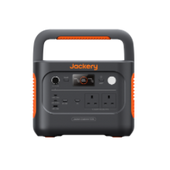
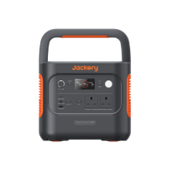
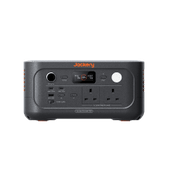
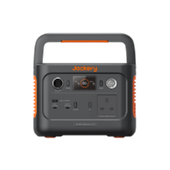
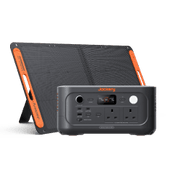
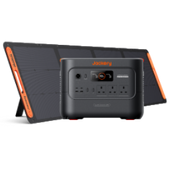
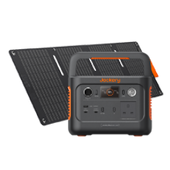
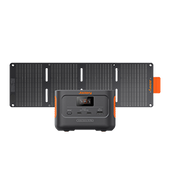
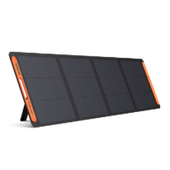
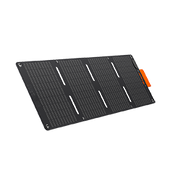
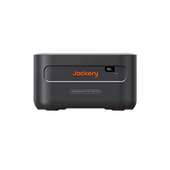
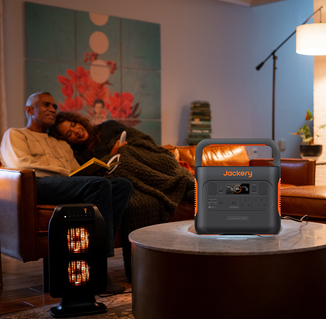
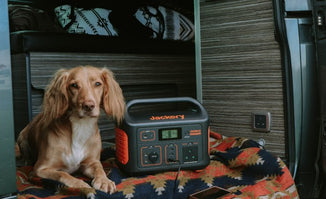
Portable power stations provide safe, emission-free electricity during outages. Unlike gas generators, Jackery Solar Generators produce no fumes and are safe for indoor use.
- Battery Backup: These units store energy to keep essentials running without connecting to the mains.
- Capacity Needs: Assess your wattage requirements. You may need to power lights, Wi-Fi routers, or medical devices while repairs are underway.
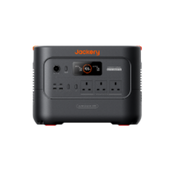
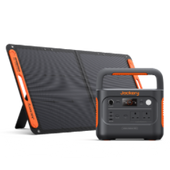
Jackery Solar Generator 2000 v2
- Capacity: Jackery Explorer 2000 v2 offers 2042Wh capacity.
- Battery Type: The unit utilizes LiFePO4 (Lithium Iron Phosphate) batteries for a 10-year lifespan (4,000 cycles).
- Safety: This generator features ChargeShield 2.0 protection to prevent overheating during charging.
- Use Case: Ideal for extended backup of essential home appliances.
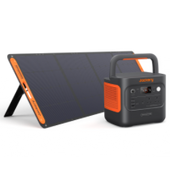
Jackery Solar Generator 3000 v2
- Capacity: Jackery Explorer 3000 v2 provides 3072Wh capacity.
- Output: The unit delivers 3600W output, sufficient for heavy-duty appliances.
- Safety: Built with UL 94V-0 fire-retardant materials, this model ensures maximum fire resistance.
- UPS Function: The generator features a <20ms switchover time, ensuring devices keep running instantly if the mains fail.
- Use Case: Suited for high-demand households. For proper handling, review battery station safety best practices in the UK to ensure longevity.
Conclusion
Prevention is key to electrical safety. Regular EICR checks, disciplined charging habits, and modern circuit protection significantly reduces electrical fire risks.
Stay vigilant by monitoring appliances for warning signs like scorching or buzzing and avoid overloading older wiring systems. Be prepared by maintaining smoke alarms, practicing escape plans, and keeping safe backup power options like the Jackery Solar Generator 2000 v2.
If you suspect a fault, always use registered electricians for repairs to ensure safety and compliance. Your home's safety depends on proactive care.
Frequently Asked Questions
When should I upgrade my home's wiring?
Upgrade your wiring if it is over 25 years old, lacks modern earthing, has rubber sheathing, or if an EICR identifies C1 or C2 codes indicating danger.
Are smart plugs safe for all appliances?
No, smart plugs have amperage limits. Avoid using them with high-power continuous load devices like space heaters or tumble dryers, as they can overheat.
Can I use a fire blanket for an electrical fire?
Yes, a fire blanket is effective for small Class A or kitchen fires involving electricity, provided you can safely get close enough to smother the device without touching live parts.
How do I choose the right electrician for repairs?
Always choose an electrician registered with a competent person scheme (like NICEIC or NAPIT) to ensure they are qualified to issue Part P compliance certificates.
What if my landlord refuses an EICR inspection?
Landlords are legally required to provide an EICR every 5 years. If they refuse, report them to your local council's environmental health department, which can issue fines and enforcement notices.


