


































Severe storms in the UK may cause significant problems, including fallen trees, flooding, and prolonged power outages. Knowing how to prepare for a storm can help keep you and your family safe and reduce damage to your home.
Begin by staying up to date on official weather warnings, safeguarding your house and yard, and developing emergency communication strategies.
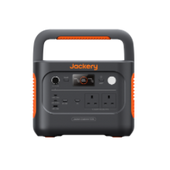
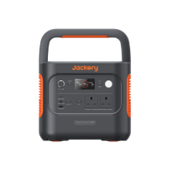
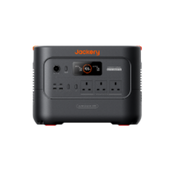
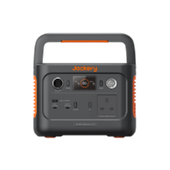
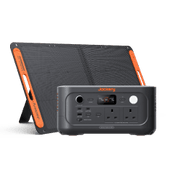
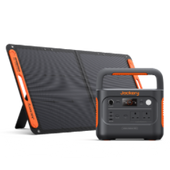
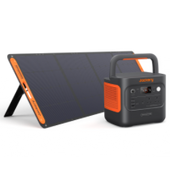
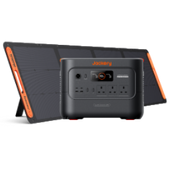
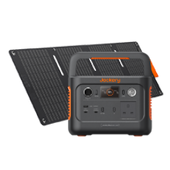
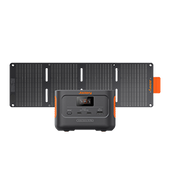
An emergency storm kit, including basics such as food, water, and first-aid supplies, is necessary, as is the inclusion of dependable portable power stations such as the Jackery Explorer 3000 v2 or Jackery Explorer 2000 v2. This guarantees that phones, medical equipment, and appliances remain operational even during extended outages.
|
Key Takeaways: |
|
Storm Tracking and Weather Warnings in the UK
Staying informed about storm activity is one of the most essential steps for safety and early planning. The UK's national weather authority monitors conditions using satellites, radar systems, and advanced forecasting models. They then send timely, accurate notifications to the public about storms and other meteorological events.
Who Issues Storm Warnings and Why They Matter
The UK's official meteorological agency issues weather warnings. These warnings are meant to let people, companies, and local governments know when bad weather is likely, how severe it may be, and what problems it may cause. People can make smart choices and take steps to avoid problems if they know the risks.
Understanding UK Storm Warning Levels
There are three distinct levels of storm warnings in the UK, each indicating the storm's severity. The first level means the weather could cause minor problems and urges people to stay alert and check for updates.
The second category indicates a higher risk and includes issues such as travel delays, power outages, or property damage. People should prepare accordingly. The highest category signals extremely dangerous and hazardous conditions that pose a serious threat to life and infrastructure, requiring immediate action and maximum caution.
It is advised that individuals take immediate precautions. Knowing these levels enables people to prepare for a storm calmly and confidently.

Where to Check Official Storm Warnings
For the most accurate and up-to-date storm alerts, UK residents should regularly check the official weather warnings page.
This resource clearly defines the affected areas, warning levels, and anticipated consequences, including high winds, heavy rain, and flooding. Visual elements may also be used to make complicated meteorological information more understandable at a glance.
Using Storm Tracking Maps to Stay Ahead
In addition to printed warnings, interactive weather maps are essential for tracking storm progress over the United Kingdom. These maps provide real-time data on wind speed, rainfall, and oncoming weather systems, allowing viewers to predict changes before they worsen. You may get these storm tracking maps.
How to Prepare for a Storm?
When severe weather is expected, proactive preparations can significantly reduce disruption and stress. Knowing how to prepare for a storm begins with being informed and responding before the situation worsens.

Tip 1: Monitor Forecasts and Official Warnings
Check the weather predictions often, or use the official Met Office Weather Forecast app, which lets you set alerts depending on where you are. Always pay careful attention to any National Severe Weather Warnings that are issued for your region and follow the advice given. These warnings are meant to get people to act before things become hazardous, not after.
Tip 2: Prepare for Power Outages
Make sure you know who your electricity supplier is and how to contact them in the event of a power cut. Charging essential devices in advance is vital, including mobile phones, power banks, and any backup batteries used for medical equipment. This simple step helps maintain communication and safety during outages.
The Jackery Explorer 3000 v2 or Jackery Explorer 2000 v2 portable power stations are two examples of portable power solutions that may offer backup power for phones, medical equipment, and small home items.
Tip 3: Travel and Community Considerations
Try to avoid travelling during storms when you can. If you have to travel, give yourself extra time, check with your travel operator for the latest information, and obey any official 'Do Not Travel' warnings. It's also crucial to check on your neighbours or other people in your neighbourhood who may need additional aid, such as food, medicine, or supplies.
Tip 4: Secure Your Home and Property
Before the winds get up, make sure that outdoor items like ladders, trampolines, garden furniture, toys, and play equipment are safe. Make sure all doors and windows are closed and locked, especially those facing the wind.
Ensure all doors, windows, garage doors, loft trapdoors (if your roof slopes significantly), and storm shutters (if present) are closed and secured, especially those facing the wind.
If you can, park your automobile in a garage or away from trees, walls, fences, and buildings. Don't install mattresses immediately beneath your chimney stacks if they are tall or weak for safety reasons.
Tip 5: Planning Ahead for Families
Find out whether schools, daycare centres, or other local places are about to shut, and if they are, make other plans for childcare. Planning ahead reduces the stress of last-minute decisions amid bad weather.
Tip 6: Preparing an Emergency Storm Kit
As a storm approaches, assembling an emergency storm kit is essential. Insurance advisors recommend keeping fundamental supplies for potential long power outages or restricted travel.
A well-prepared emergency kit should include a fully charged phone and portable charger, necessary contact details, a battery-powered radio, safe candles or tealights with matches, warm clothing or blankets, and ready-to-eat food.
Tip 7: Advice for Disabled People and Carers
When preparing for a storm, you should constantly consider what you need. People with disabilities and their carers are advised to prepare for power outages, difficulties getting about, and getting medicine or help.
Official UK disaster-preparation tools provide practical advice tailored to these requirements. This helps ensure that people stay safe and independent and get the care they need during severe weather.
How to Prepare Your Home for the Storm?
Storms in the UK are often marked by powerful winds and driving rain, which can quickly damage property and cause disruption if areas around your home are not secured. Taking preventive action in advance is a key part of preparing for a storm, helping reduce avoidable damage and safety risks.
Check your roof for loose or damaged tiles, and secure or remove them as needed. Satellite dishes and aerials should be firmly fixed, as strong winds can easily dislodge them. Clearing leaves and debris from gutters is equally important, as blockages can cause water to overflow and increase the risk of flooding.
Make sure your loft door is properly secured, as pressure changes during storms can cause it to lift. If possible, park your car in a garage or covered area. Where flooding is a concern, garage doors should be fastened and made more water-resistant by sealing gaps and using sandbags to help prevent and absorb rainwater.
As storms approach, it is recommended to close and lock all windows and doors to reduce wind pressure and prevent water ingress. If lightning is forecast, disconnect non-essential electrical appliances where safe to do so, as a strike can cause a surge of electricity to pass through connected equipment.
During the storm itself, the safest option is to remain indoors and avoid going outside until conditions improve, as flying debris and falling objects pose a serious risk.

How to Prepare Your Garden for the Storm?
You should also lock up outside areas to keep them safe. If you can, put your garden equipment, hanging baskets, bins, light pots, and larger items like trampolines in a shed, garage, or a similar safe place. During strong gusts, fences and gates may be quite weak; it's important to inspect them to ensure they are strong and safe.
Any winter plant protection should be firmly pinned down, and ponds can be covered with netting to prevent excess debris from falling in, making post-storm clean-up easier. Weighing netting down with bricks can help keep it in place.
Regular maintenance is vital, as poorly maintained roofs, sheds, and garden structures are more likely to be damaged in storms, which may also affect insurance claims. You should also cut off any loose or dangling tree limbs that might fall in high winds, and you should let your neighbours know if there are trees nearby that could be dangerous during bad weather.
Actions to Take During a Storm in the UK
Knowing what to do during severe weather is just as important as planning ahead. Staying calm, limiting risk, and following safety guidance are essential to preparing for a storm and protecting people and property.

Action 1: Stay Indoors and Reduce Exposure
Avoid going outdoors unless it is absolutely essential. Strong winds can cause debris to become airborne, and structures such as fences, boundary walls, trees, and roof tiles may collapse without warning.
If you must enter or leave your home, use the doors on the most sheltered side of the building, where possible, and close them securely behind you. While the storm is ongoing, do not attempt to repair any damage to your property.
Inside the home, open internal doors only when necessary and keep them closed otherwise to reduce pressure changes caused by high winds.
Action 2: Travel Only If Necessary
Travel should be postponed whenever feasible. If you have to drive, be particularly careful on big roads like bridges, coastal highways, or wide-open spaces. If you're driving a tall vehicle or carrying anything, slow down and take extra care in strong side winds. Bad weather might affect public transport, so be ready for delays or cancellations.
Action 3: Electrical and Utility Safety
Stay clear of downed or broken power lines. High-voltage electricity may cross gaps without notice. To reduce the risk of power surges, unplug unnecessary electrical devices. If the power goes out, turn off any devices you don't need, but keep a light on so you can see when the power comes back on.
You may report power outages by phoning 105, which is a free service in England, Scotland, and Wales. If you need medical equipment that requires power, calling your network operator may help you get on a list of those who need aid right away. Call 0800 111 999 right away if you smell petrol or think there could be a leak.
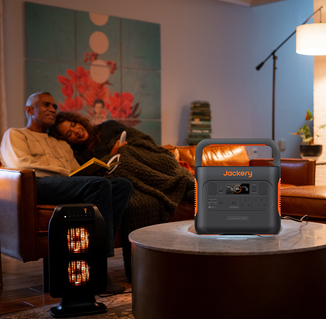
Severe weather may knock out power for hours or even days, leaving homes without lights, phones, or the ability to charge essential electronics. Portable power stations, like Jackery's, are a useful and reliable way to stay safe and comfortable during these times.
Action 4: Flood Safety and Emergency Situations
When it rains heavily, flooding can occur quickly. If you are stuck in floodwater, get to the highest safe level of the building you are in. Stay away from attics because rising water might block your way out. If you have to, just go on the roof. Otherwise, phone 999 and wait for help.
Action 5: Protecting Pets and Staying Informed
During a storm, all pets should stay indoors. Make sure the animals have enough food, bedding, and clean water to be comfortable until things get better.
For weather updates and emergency information, listen to local radio and television and read official news sources. Be ready to act, as bad weather can change rapidly. The best thing to do until the storm passes is to stay indoors, move as little as possible, and follow official advice.
Jackery Portable Power Stations for Emergencies
One of the most essential things to do to be ready for a storm is to make sure you have a dependable supply of electricity when the power goes out. Severe weather may knock out electricity for hours or even days, which means houses won't have lights, phones, or the ability to charge important electronics. Portable power stations, like Jackery Portable Power Stations, are a useful and reliable way to stay safe and comfortable during these times.
These gadgets can charge many phones, computers, tablets, and medical equipment at the same time, so you can stay connected even when the power is off for a long time. Because they have a lot of battery power, you can also use them to power small appliances, lights, and other important gadgets. This makes them a great addition to any emergency storm pack.
Jackery Explorer 3000 v2
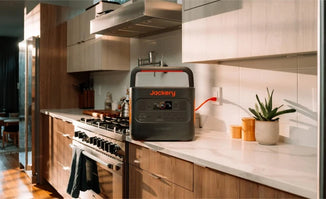
The Jackery Explorer 3000 v2 is one of the most powerful portable home backup solutions for handling severe storms and multi-day power cuts in the UK. While smaller units cover the basics, the 3000 v2 is designed to run high-wattage heating and kitchen appliances that would typically trip smaller power stations, making it a "whole-home lite" backup solution.

Massive 3600W Output (7200W Surge): This is the key differentiator. It can power 99% of household appliances, including high-draw UK items like a full-sized electric kettle, microwave, hair dryer, or even a space heater.
Ultra-Fast ≤20ms UPS: You can keep it plugged into the wall and your critical devices (like a PC, Wi-Fi router, or medical equipment) plugged into the Jackery. If the storm causes a power cut, the unit switches to battery power in less than 0.02 seconds, preventing data loss or equipment restarts.
3072Wh Capacity: This massive energy reservoir can keep a large fridge-freezer running for 1–2 days or power your internet and lights for over a week.
ZeroDrain™ Technology: If the storm season passes without an outage, the 3000 v2 will retain 95% of its charge for a full year in storage. You don't have to worry about the battery being empty when an emergency actually hits.
Industry-Leading Portability: Despite its power, it uses "Cell to Body" (CTB) technology to remain the smallest and lightest 3kWh LFP generator on the market (approx. 59.5 lbs/27 kg). It's easy to move from the garage to the kitchen when the lights go out.
|
How to Use The Explorer 3000 v2 During a Power Cut |
|
|
Pre-Storm Charge |
Use the Emergency Super Charge mode to fill the battery from 0% to 100% in just 1.8 hours before the storm arrives. |
|
Setup UPS |
Plug your fridge, router, and phones into the unit ahead of time. |
|
Extend Power with Solar |
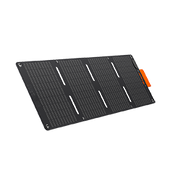
Once the storm clouds break, you can plug in SolarSaga 200W panels. With 1000W of solar input, you can fully recharge the massive battery in just 3.5 hours of sunlight. |
Jackery Explorer 2000 v2
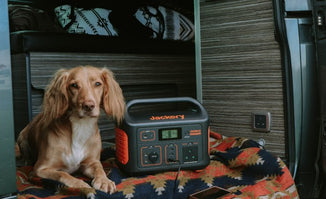
The Jackery Explorer 2000 v2 is specifically engineered for emergency preparedness, offering a combination of high capacity, rapid recovery, and critical safety features that make it ideal for handling storm-related power cuts.

Robust Power Supply: The Jackery Explorer Portable Power Station 2000 v2 delivers an impressive 2042Wh capacity and 2200W output, capable of powering most of your household appliances. It also features 2 AC outlets, 1 USB-A 18W, and 2 USB-C ports ( 100W + 30W), allowing you to charge multiple devices like phones and laptops simultaneously
ZeroDrain™ Technology: One of its most valuable "peace of mind" features is that it retains ~95% of its charge even after 12 months of storage. This ensures that if you tuck it away in a closet for storm season, it will actually be ready to use when the grid goes down.
Emergency Super Charging: If a storm warning is issued, you can use the App to activate a high-speed recharge that restores the battery from 0 to 100% in just 1.7 hours.
Seamless UPS Functionality: With a 20ms switchover time, you can keep it plugged into the wall and your critical devices (like a router or desktop) plugged into the Jackery. When the power flickers or dies, your devices stay online without rebooting.
Compact & Portable: Weighing 39.5 lbs, it is significantly lighter than older 2kWh models. This is vital if you need to quickly move the unit from a basement to a higher floor to avoid potential flooding or into a safe room during a tornado warning.
|
How to Use The Explorer 2000 v2 During a Power Cut |
|
|
Emergency Super Charge |
Use the Jackery App to activate the fast-charging mode. This allows the unit to reach a full charge in just 1.7 hours from a standard wall outlet. |
|
Check ZeroDrain |
If you haven't touched the unit in months, don't worry—it retains 95% of its charge for up to a year. However, it's always best to top it off to 100% when a weather alert is issued. |
|
Plug Your Critical Devices |
Plug the Wi-Fi router, computer, CPAP machine, or medical equipment directly into the AC outlets. |
Can You Drive During a Weather Warning?
Driving during a weather warning is not advised unless it is completely unavoidable, as conditions can deteriorate quickly and increase the risk of accidents. Avoid flooded roads and exposed routes, such as bridges or high, open highways, where strong winds and surface water can make driving hazardous, especially during severe weather.
If you must drive, make sure you are properly prepared by carrying essential items such as warm clothing, food, drink, blankets, a torch, and a fully charged mobile phone. Drive slowly, leave extra space between vehicles, and take additional care when overtaking or driving near high-sided vehicles. Poor visibility is common in heavy rain or wind, so headlights or fog lights should be used when appropriate.
Driving during a weather warning, including the most serious red warnings, does not automatically invalidate your vehicle insurance. However, it may make an insurance claim more difficult. Insurers may assess whether the driver acted carelessly, such as choosing to travel on a road despite clear advice not to, which could result in a claim being reduced or refused.
What to Do After a Storm?
Storms may nevertheless create damage that you didn't foresee, even if you took all the right steps. Knowing what to do after a storm is a big part of being ready for one. It will help you get better quickly and save things from becoming worse in the long run.
Report Damage and Contact Your Insurer
The first thing you should do if your house has been destroyed is to call your home insurance company right away.
You will likely need to provide proof of the damage, so take clear pictures or videos right away while it is safe to do so. Your insurance company may send a loss adjuster to your home to assess the damage and explain the claims process.
When you rent a property, the building itself and your personal goods are typically both responsible. You should tell your landlord or housing provider right away if there is structural damage, but you are still responsible for claiming for damaged items.
Carry Out Post-Storm Checks Safely
Always put safety first when inspecting your property after a storm, and avoid any areas that appear unstable. Look at the trees on your property to see if any branches are damaged or trunks are weak and might collapse later.
Check the gutters and pipes for obstructions or damage, then remove any debris to restore normal drainage. Check for movement or damage on outdoor furniture, and ensure that fences are stable and safe.
You should inspect chimneys for cracks or looseness, and inspect roofs from the ground to see if any tiles have come away or joints have been damaged. Check automobiles for dents, broken windows or other damage caused by the storm. You should also look for cracks, leaks, or drafts in windows and doors that might make things worse.
Restock Supplies and Recharge Equipment
After the storm passes, be sure to replenish any emergency supplies you used. Recharge your portable chargers, change out your batteries or candles, and make sure your emergency pack is ready to go again. If you wait too long to do this step, you may not be ready if another weather catastrophe happens shortly after.
Get Support With Your Recovery
Getting over storm damage may be hard, but help is available all throughout the UK. If your house is hazardous, your local government may be able to help you with repairs, trash removal, or finding a temporary place to stay.
People affected by bad weather may also receive practical aid, emotional support, and guidance from community support agencies and charities. If the storm has caused significant trouble, national and local helplines may help you access financial aid, health support, or specialised recovery services to get back on your feet safely and with confidence.
FAQs
The following are frequently asked questions about preparing for a storm in the UK.
1. What are the 5 steps of preparedness?
Being knowledgeable, ready, and strong are the five most important stages to being prepared. These include monitoring government warnings and predictions, establishing a clear emergency plan for your family, preparing an emergency kit, ensuring your home and outdoor areas are safe, and learning how to act during and after an incident.
These stages, when taken together, provide a useful plan for being ready for storms and other surprises in the UK.
2. What should you stock up on in case of war?
Official advice in the UK tells people not to panic-buy, but to focus on what they need. This usually includes nonperishable food, drinking water, basic first-aid supplies, prescriptions you need, warm clothes, batteries, flashlights, a battery-powered radio, and vital documents. A stable power supply for charging gadgets may also assist keep communication going during prolonged outages.
3. What should you not do during a storm?
You shouldn't go outside during a storm unless you have to. Flying debris and falling items may seriously injure you. While the storm is still going on, don't try to fix any damage to your property. Don't drive unless you have to, and keep away from trees, fences, and broken power lines. Not following official warnings or recommendations may greatly increase the danger.
4. How can I prepare my UK home for strong winds?
To get your house ready for severe winds, you need to lock and close all windows and doors, and make sure your roof tiles, satellite dishes, and gutters are secure. You should relocate items such as outdoor furniture, bins, and trampolines to areas protected from the wind.
Also, you should park your car away from trees and walls. To be ready for a storm and protect UK houses from wind damage, regular maintenance and acting quickly are both important.
Final Thoughts
Preparing for storms in the UK requires awareness, planning, and safety measures. You can reduce risks and respond more effectively to severe weather by following government instructions, protecting your home, and keeping an emergency kit on hand. The Jackery Explorer 3000 v2 and Jackery Explorer 2000 v2 are two portable power solutions essential during power outages, keeping gadgets and other equipment charged.


