














![[Over £1200 Tier Gift] Bluetooth Speaker with Phone Stand - shipped Separately](http://uk.jackery.com/cdn/shop/files/Portable_Bluetooth_Speaker_with_Phone_Stand_2.png?v=1781595581&width=170)















Rising UK energy costs and the growing need for household resilience are pushing more people to explore solar power. This has created a confusing landscape of costs, components, and regulations, leaving many unsure where to begin.
This guide cuts through the noise, addressing common worries about complexity, real-world return on investment, and helps you choose the right solar panel kit solution.
Demystifying Solar Kits: What You Actually Need to Know
Understanding the core components of a solar panel kit is the first step toward making an informed decision.
Key Components of a Solar Panel Kit
A typical solar panel kit includes several essential parts:
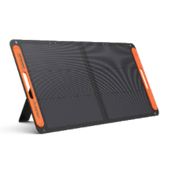
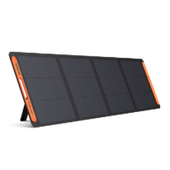
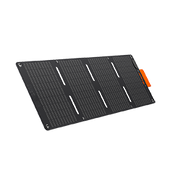
● PV Panels (Photovoltaic Panels): These convert sunlight into electricity. They are made from silicon cells, often within a frame.
● Inverter: This converts the DC electricity from panels to AC for household use. Off-grid inverters are crucial for standalone systems not connected to the grid.
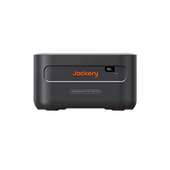
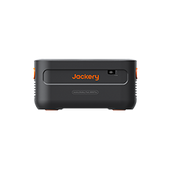
● Solar Batteries: These store excess energy for use when the sun isn't shining. They are essential for off-grid systems and energy autonomy.
● Charge Controller: This regulates the flow of electricity to the battery, protecting it from overcharging.
● Fixings and Mounting Features: These secure panels to roofs, ground, or vehicles.
● Wiring and Cables: These connect all components within the system.
Which Panel Technology is Best for the UK?
For UK homes, where space can be limited and sunlight variable, monocrystalline solar panels are the superior choice. They offer higher efficiency ratings compared to polycrystalline panels, meaning they generate more power from a smaller area. This efficiency is particularly valuable during overcast days or the shorter days of winter, ensuring you capture as much available energy as possible.
Why is LiFePO4 the Superior Battery Chemistry?
These batteries offer a significantly longer lifespan, often rated for 3,000+ cycles and lasting over 10 years, and are inherently safer than other lithium-ion chemistries, making them a wise long-term investment.
What Role Does the Power Station's "Brains" Play?
A quality power station or inverter acts as the brain of your solar setup. Look for a unit with a built-in Maximum Power Point Tracking (MPPT) charge controller. This smart technology actively optimises the voltage and current from your solar panels, maximising energy harvest by up to 30% compared to older PWM controllers, especially in fluctuating light conditions.
More information on the fundamentals can be found in our guide on how a solar power system works.
What Safety Certifications Should I Look For?
Never compromise on safety. Only consider products that carry the UKCA and/or CE marks, which certify they meet UK and European safety, health, and environmental protection standards.
A reliable system must also have a built-in Battery Management System (BMS) with protections against short-circuits, over-voltage, overheating, and over-current, safeguarding both your devices and your home.
The Reality of Solar in the UK: Benefits vs. Practical Hurdles
Adopting solar energy in the UK offers compelling advantages, but it's important to approach it with a realistic understanding of the challenges. Balancing the benefits against the practical hurdles is key to making an informed decision.
What Are the Key Advantages of Solar Power?
● Lower Electricity Bills: Generate your own free power from the sun to reduce your reliance on the grid.
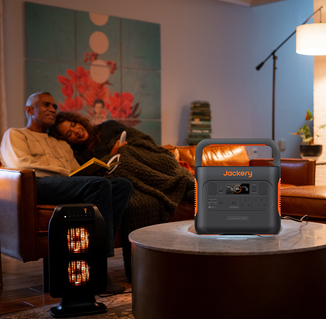
● Energy Independence: A solar kit with a battery keeps your essential devices running during power cuts, providing crucial household resilience.
● Reduced Carbon Footprint: Use a clean, renewable power source to contribute to a healthier environment.
What Are the Real-World Constraints in the UK?
● Upfront Cost: Quality equipment represents an initial investment.
● Weather Dependency: Sunlight in the UK is not constant, which affects how much power you can produce daily.
● Installation Restrictions: Those living in listed buildings, conservation areas, or flats may face restrictions on installing permanent, roof-mounted panels.
How to Set Realistic Goals When Adopting Solar?
The key to success is not trying to power your entire home from day one. Instead, match the right-sized system to a specific, realistic goal. This could be creating a reliable emergency backup system, powering an off-grid shed or workshop, or simply reducing your reliance on the grid for certain appliances.

Sizing Your System: From Energy Audit to the Perfect Kit
Choosing the right size for your solar power panel kit is the most critical step. A system that is too small will leave you without power when you need it, while an oversized one is an unnecessary expense. A simple energy audit will give you the data you need.
Step 1: Calculate Your Essential Energy Needs
First, list the essential devices you want to power. Find their wattage (W), which is usually printed on the device's label or power adapter. Multiply this wattage by the number of hours you expect to use the device each day to find its daily energy consumption in watt-hours (Wh).
Here is a simple formula and example calculation:
|
Device |
Power (Watts) |
Daily Hours of Use |
Daily Energy (Watt-hours) |
|
Wi-Fi Router |
10W |
24h |
240Wh |
|
Refrigerator |
300W |
8h (cycle time) |
2400Wh |
|
Total Daily Need |
|
|
2640Wh (2.64 kWh) |
Once you have your total, add a safety margin. Multiply your total daily watt-hours by 1.2. This accounts for energy loss during conversion and ensures you have a buffer for unexpected needs. In our example, 2640Wh x 1.2 = 3168Wh.
Step 2: Match a Solar Generator to Your UK Use Case
With your energy needs calculated, you can now select a solar generator that fits your specific goal.
For Emergency Home Backup
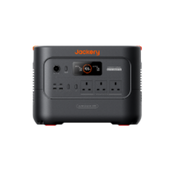
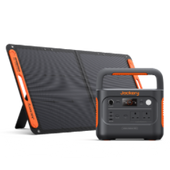
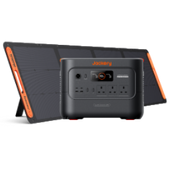
● Jackery Solar Generator 2000 v2
o Capacity: 2042Wh
o Output: 2200W
o UPS Function: Less than 20ms switchover time
o Ideal for powering essentials like a fridge, router, lights, and medical devices during an outage.
For Partial Bill Reduction & High-Wattage Needs
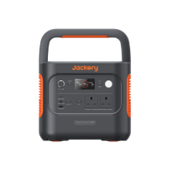
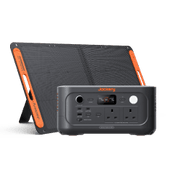
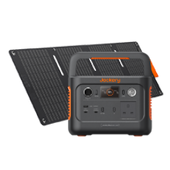
● Jackery Solar Generator 1000 v2
o Capacity: 1070Wh
o Output: 1500W
o Charging: Emergency supercharging (0-100% in 1 hour) from an AC wall outlet
o Perfect for running demanding appliances like a kettle, microwave, or power tools off-grid.
For Off-Grid Sheds, Cabins, or Workshops
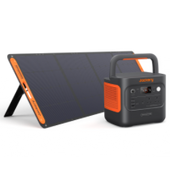
● Jackery Solar Generator 2000 Plus
o Capacity: Starts at 2kWh, expandable up to 24kWh
o Lifespan: 10-year lifespan
o Modularity: Connect multiple battery packs
o A future-proof solution for reliable, long-term power without a grid connection.
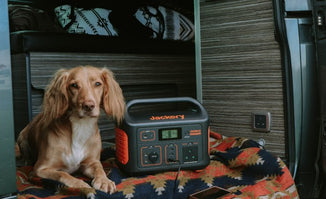
For Camping, Van Life, and Portability
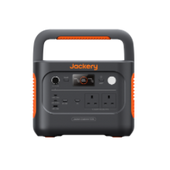
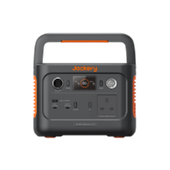
● Jackery Explorer 300 Plus
o Capacity: 288Wh
o Weight: 3.75 kg
o Use Case: Recharges a drone 5 times or a laptop 3 times
o A lightweight, durable, and easy-to-transport power source for outdoor adventures.
Your Essential Checklist: From Planning to Purchase
Before investing in a solar panel kit, a final checklist ensures you cover all regulatory, technical, and practical considerations. This diligence guarantees you get a reliable system that provides excellent value for years to come.
What UK Regulations and Permissions Apply?
Most home solar installations fall under 'permitted developments,' meaning they do not require planning permission. However, it is crucial to verify this with your local council, especially if you live in a listed building, a conservation area, or a World Heritage Site. Before purchasing any permanent, roof-mounted system, always consult the official guidance.
What Key Features Should I Prioritize?
Use this checklist to evaluate potential solar power panel kits. For a deeper dive into setting up your own system, our DIY solar panels UK guide offers more detailed steps.
● Battery Lifespan: Insist on LiFePO4 batteries with a lifespan of 10+ years or a rating of 3,000-4,000 charge cycles to 80% capacity.
● Warranty: A long warranty on both the power station and solar panels (e.g., 5 years) indicates manufacturer confidence and product quality.
● Fast Charging: Prioritise systems with rapid AC and solar charging capabilities to ensure your power station is always ready.
● Expandability: For growing needs, choose a modular system that allows for adding more battery capacity later.
● Smart Features: App control for remote monitoring and UPS functionality for seamless power transition are crucial for home backup.
Your Next Steps to Energy Independence
Choosing the right solar kit is not about finding a one-size-fits-all solution. It is about clearly defining your specific power needs and matching them with a reliable, safe, and correctly-sized system. Whether for emergency backup, off-grid living, or reducing your bills, the power to choose is in your hands.
When you are ready to purchase, prioritise quality, safety, and a long-lasting LiFePO4 battery. For portable backup and off-grid power, a high-quality solar generator is the ideal, flexible, and powerful starting point on your journey to energy independence.
Frequently Asked Questions
How does a solar kit perform during extended periods of cloudy weather or short winter days in the UK?
Performance depends on battery capacity and panel efficiency. During low-light periods, having a larger battery reserve is critical, and you can supplement charging via a standard AC wall outlet to ensure the system is always ready.
Are there any government grants or incentives specifically for portable or backup solar kits in the UK, separate from full grid-tied installations?
Currently, UK government incentives like the Smart Export Guarantee (SEG) are for grid-tied systems. Portable solar generators do not qualify, but they offer savings by directly reducing your electricity consumption from the grid.
What are the best practices for maintaining a solar power station and panels to ensure their 10+ year lifespan, especially in varying UK weather conditions?
Regularly wipe solar panels with a soft cloth to remove dust and debris that can block sunlight. Store the power station in a cool, dry place and avoid depleting the battery to 0% for extended periods to maximise its longevity.
Can I integrate a portable solar generator kit with my existing home electrical system for a more seamless backup experience, beyond just plugging in individual devices?
Integrating a portable generator with home wiring requires a manual transfer switch installed by a qualified electrician to ensure safety and prevent back-feeding the grid. This is a complex task that should not be attempted as a DIY project.
Beyond the initial purchase, what are the ongoing costs associated with owning and operating a solar kit, such as potential battery replacements or inverter servicing?
High-quality solar generators with LiFePO4 batteries have minimal ongoing costs, as they are designed to last over a decade with thousands of charge cycles. There are no regular servicing requirements, and battery replacement would only be a consideration after 10+ years of heavy use.


