































When anything goes wrong in the UK, like an SHTF scenario when the systems we rely on suddenly stop working, preparation is the best way to protect yourself from the unknown. Having a proactive strategy is no longer an option. It might be because of severe storms in the North Atlantic, problems with the national grid, or rapid changes in the economy.
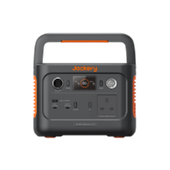
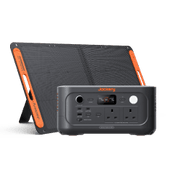
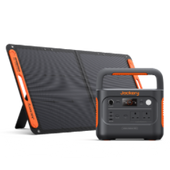
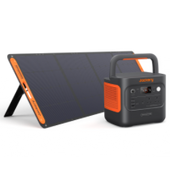
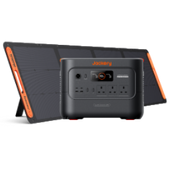
This post goes over the best strategies to protect your house and belongings before a calamity happens. Energy independence is an important part of contemporary resilience. By adding a Jackery Solar Generator 3000 v2 or a Jackery Solar Generator 2000 v2 to your kit, you can be sure that you can power important medical instruments and communication gear even when the power goes out completely.
|
Key Takeaways: |
|
What Does SHTF Mean?
The phrase "Shit Hits The Fan" is well-known in the UK and across the world as the abbreviation SHTF. This slang term denotes a scenario that is very chaotic, where there is no order and anarchy rules. It usually happens after a big disaster or a dramatic change in society.
There are many things that can fall under this phrase, such as natural catastrophes like severe storms and floods, or man-made disasters like political unrest and economic downturns.
The most important thing about SHTF is that it is unexpected and has a big effect on everyday life. When such a catastrophe strikes, you must regularly employ quick and efficient response tactics to ensure your existence and security.
For anyone getting ready for these kinds of situations, having reliable electricity from a business like Jackery may be an important part of a strong response strategy. The first step to making sure you're never caught off guard when something unexpected happens is to know what SHTF implies.
Identifying Potential SHTF Scenarios
Disruptions can range from natural disasters, such as severe Atlantic storms that impact infrastructure, to man-made calamities like regional conflicts. When establishing a robust SHTF strategy in the UK, you must consider the events most likely to occur in your specific area. Knowing what to prepare for is almost as important as the preparation itself, as it dictates what to expect, identifies the most likely problems, and defines how to deal with them effectively.

Here are some occurrences to look out for, the reality of what they mean for your SHTF planning, and practical ways to manage them:
Economic Collapse
In this case, the financial system fails badly, which can lead to a lot of people losing their jobs, not having enough basic goods, and social order breaking down quickly.
To survive this kind of SHTF event, you need a good supply of non-perishable food, clean water, and basic medical supplies. It's also a good idea to learn talents that you can trade, like how to fix things or plant. Building a strong community network is important so that people can help one other when traditional systems break down.
Pandemic Outbreak
In this case, a sickness that is very contagious and might kill people spreads swiftly across the population. This often leads to healthcare facilities being overwhelmed and major problems in daily life.
A well-stocked first aid kit and important medicines are two of the most important things you need to survive a pandemic-related SHTF catastrophe. It is very important to keep up high standards of cleanliness and hygiene. You should also prepare a clear strategy for communication and seclusion to protect your household from infection.
Social Unrest
Civil unrest caused by political instability, economic hardship, or social injustice can result in violence, property destruction, and the interruption of key services.
To be ready for these SHTF survival situations, you should make your home safe and find a good place to bug out if you need to leave. Set up a way for your family to talk to each other that everyone can trust to keep everyone safe.
To lessen short-term problems, focus on storing food and water that won't go bad. It's helpful to practise basic self-defence and being aware of your surroundings, but your main goal should always be to avoid conflict and stay out of the spotlight.
Environmental Hazards and Power Outages
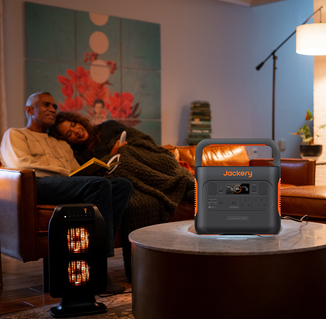
In the UK, severe snow or floods inland can cause power outages that last for a long time. When anything goes wrong, it's very important to have a steady supply of energy. When the power goes out, a Jackery Solar Generator can keep your important devices and medical equipment working. Preparing for these situations frequently means "bugging in," which means having a portable power supply is very important for long-term survival.
What Should I Do to Prepare for an SHTF?
Now that you understand the potential risks, it is time to take proactive steps. The following are the most crucial actions you can take to keep yourself and your family safe and prepared for any SHTF event.
Step 1: Prepare a Plan for Each SHTF Scenario
Spend some time looking into each of the situations above and making a plan of action that works for you. In the UK, you can't just copy a generic template since things like the risk of flooding in your area or the density of the city would require new concepts. Your SHTF strategy must work for your specific household needs to be truly effective.
Step 2: Practice Your Plan Regularly
Practice makes perfect, and it is the only way to ensure success when SHTF. Regularly run through your emergency drills, such as "bugging out" to a secondary location or testing your home's "blackout" readiness. Working through challenges during a rehearsal ensures you can act with confidence during a real SHTF crisis.
Step 3: Stock Your Home With an Emergency Kit
Everything you need to survive a prolonged grid failure should be included in your emergency pack. Investing in a Jackery Solar Generator 3000 v2 or a Jackery Solar Generator 2000 v2 is vital to ensure you have reliable energy and remain connected as the crisis unfolds. These units give medical gadgets, communication tools, and important lights the high-capacity power they need when things go wrong.
Make sure you have a well-stocked first aid kit and the medicines you need to be well and safe when you can't get expert care right away.
Step 4: Think With a Survivalist Mindset
Your attitude during an SHTF crisis might be the difference between life and death. Having a strategic and positive mindset helps you deal with uncertainty better. It's necessary to be realistic about how serious the problem is, but it's also crucial to keep focused on solutions instead of being negative.
Step 5: Build a Network
Create a community of individuals you can trust and establish a plan for contacting them if things go wrong. Knowing who you can rely on for mutual assistance provides immense peace of mind. Because SHTF conditions can lead to unpredictable social behaviour, choose people you truly trust and know you can work with harmoniously.
Step 6: Have a Way of Staying Informed and Connected
If the UK national grid fails, ordinary communication links like Wi-Fi and mobile masts may also falter. Research alternative methods to keep connected, such as battery-powered or hand-crank radios. Investing in high-quality items ensures you can receive official updates and interact with your network during an SHTF emergency.
Step 7: Create Your Emergency Fund
While money cannot alleviate every problem, it is indispensable in the aftermath of a crisis. Build a robust emergency fund and store it somewhere safe and immediately accessible so you don't have to rely on banks or digital systems during an SHTF event.
You should aim to save enough to satisfy your basic needs for several months. Many also choose to diversify their wealth by investing in precious metals such as gold and silver, which can act as a reliable store of value when traditional currencies are volatile.
SHTF Supplies and Equipment Suggestions
A well-prepared SHTF kit may make a significant difference in a disaster, allowing you to satisfy basic demands when traditional supplies are unavailable. Here are the key categories to consider for a full equipment list:
Food and Water
To support yourself and your family, stock up on non-perishable food and water. Canned foods, freeze-dried meals, and high-energy snacks such as protein bars are excellent since they are calorie-dense and convenient to store in your pantry. To secure access to clean drinking water, use a water filtration device such as purification tablets, portable water filters, or even a gravity-fed purifier.
Medicinal Supplies
Bandages, antiseptics, pain relievers, and prescription drugs are all essential components of a thorough first aid bag. Consider including an emergency medical handbook, wound care supplies, and disposable gloves and face masks to help with injuries and personal hygiene during a crisis.
Communication Tools
Reliable communication can deliver important updates and allow you to keep in touch with loved ones. Consider using battery-operated or solar-powered radios to get weather warnings and official updates. Walkie-talkies are great for remaining connected in locations without cellular coverage, and a whistle may help signal for assistance if necessary.
Multipurpose Tools
Multi-purpose tools save space and may be used to solve a wide range of problems. You can utilise a multi-tool with pliers, a knife, and screwdrivers to fix things and gather resources. You can use a tiny shovel to dig and an axe or hatchet to chop wood for a fire or a place to stay.
Shelter and Comfort
If evacuation is necessary, having temporary shelter options is vital. Tarps, tents, thermal blankets, and emergency sleeping bags should be packed to protect against harsh weather conditions. Hand warmers, a small stove, and fire-starting items like lighters or waterproof matches are also useful for keeping warm and cooking.
Power Source
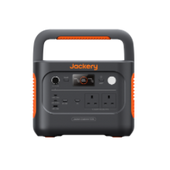
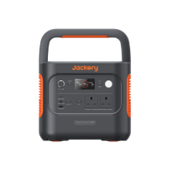
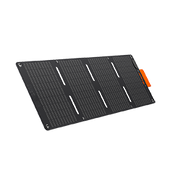
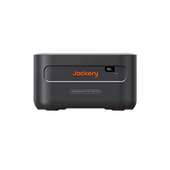
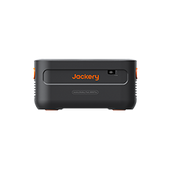
For dependable backup power during an SHTF situation, the Jackery Solar Generator 3000 v2 is an excellent alternative, with a big 3072Wh capacity and a 3600W output capable of powering 99% of home appliances. For those looking for a more portable yet powerful choice, the Jackery Solar Generator 2000 v2 offers 2042Wh of capacity in a small, lightweight design. These systems employ long-lasting LiFePO4 batteries and contain a <20ms UPS function to guarantee crucial devices do not lose power when the grid fails.

Cash and Identification
When digital transactions are impossible, keeping cash on hand in small denominations might be beneficial for trading or acquiring necessities. Keep copies of identification, crucial papers, and contact information in waterproof bags to keep them safe from water and other environmental damage.
Jackery Solar Generators for Emergencies
In an SHTF scenario, survival often hinges on maintaining a tactical and functional advantage over your environment. A Jackery Solar Generator is considered a cornerstone of many preparedness kits because it solves the "energy expiration" problem inherent in traditional fuel-based systems.
Gasoline begins to degrade in as little as 3-6 months. Without stabilizers and rotating stock, a gas generator eventually becomes a heavy paperweight. As long as the sun rises, you have power. A solar generator allows for renewable energy cycles, ensuring you can maintain a baseline of electricity for years, not just days.
Traditional generators are loud and emit a distinct smell of exhaust. In a high-tension scenario, this is a beacon that tells everyone within a half-mile radius that you have resources. Jackery units operate almost silently, allowing you to maintain a "low profile" or "gray man" status.
Jackery Solar Generator 3000 v2
When preparing for an SHTF scenario, reliability, longevity, and efficiency are the primary requirements. The Jackery Solar Generator 3000 v2 is a significant upgrade over the older version specifically because it addresses the "prepper" priorities of long-term survival and low maintenance.

Long-Term Reliability
The single most important upgrade in the v2 is the move to LiFePO4 (Lithium Iron Phosphate) batteries. It offers 4,000+ charge cycles before reaching 70% capacity. In a long-term SHTF situation, this means the unit could realistically last 10+ years of daily use.
LiFePO4 is chemically stable and significantly less prone to "thermal runaway" (fire) compared to the NMC batteries found in older Jackery models, making it safer to store and use inside a bunker or living space.
"ZeroDrain" Technology for Storage
For SHTF preparation, you need gear that works even if it's been sitting in a closet for a year. The 3000 v2 features improved self-consumption management. It can retain 95% of its charge after 365 days of standby. You don't have to worry about the battery "bricking" or being empty when a sudden disaster strikes; it stays ready for use with minimal maintenance.
Massive Power for Critical Appliances
In a total grid-down scenario, you need to power more than just a phone. 3,600W continuous (7,200W surge) allows you to run high-draw survival equipment like well pumps, medical devices (CPAP/concentrators), full-sized refrigerators, and even electric stoves or power tools for repairs. With 3,072Wh, it can keep a standard refrigerator running for 1-2 days on a single charge without any solar input.
Portability and Speed
While SHTF often implies staying put, the ability to "bug out" or move the unit is vital. The v2 is marketed as the lightest 3kWh LFP generator on the market (approx. 59.5 lbs). It is roughly 40% smaller than many competitors, making it easier to load into a vehicle. It supports up to 1,000W of solar input, allowing you to fully recharge in about 3.5 hours in optimal sun. This fast turnaround is critical when you have limited daylight to harvest energy.
Jackery Solar Generator 2000 v2
Choosing the Jackery Solar Generator 2000 v2 for an SHTF setup is a strategic decision specifically because it balances high-capacity power with radical portability. Released in early 2025, the "v2" is a massive upgrade over older lithium-ion models, moving to LiFePO4 (Lithium Iron Phosphate) chemistry which is the gold standard for long-term survival.

Unmatched Power-to-Weight Ratio
In a "Bug Out" scenario, weight is your enemy. The v2 uses CTB (Cell-to-Body) technology, which integrates battery cells directly into the chassis. It weighs only 39.5 lbs (17.9 kg). Most other 2kWh units (including Jackery's own 2000 Plus) weigh between 60 and 80 lbs. This makes the v2 much easier to move by yourself if you need to evacuate or change locations quickly.
Extreme Longevity (10+ Year Lifespan)
SHTF preparation is about how long your gear will last without a store to replace it. The v2 is rated for 4,000 charge cycles before it even drops to 70% capacity. If you used it every single day, it would last over 10 years. It features 95% charge retention over a full year in storage. You can tuck it away in your bunker or closet and know it will be nearly full when you need it.
"Emergency Super Charge"
If the grid is flickering or you have access to a temporary power source (like a running vehicle or a neighbor's generator), speed is vital. It can go from 0 to 100% in 1.7 hours via a wall outlet. With 400W of solar input, you can reliably replenish a significant portion of the 2,042Wh capacity in a single day of sunlight.
Silent & Stealthy
It operates at less than 30dB (whisper quiet). This is critical if you are trying to avoid drawing attention to your location at night. If you are running sensitive medical gear or a security system, it acts as an Uninterruptible Power Supply (≤20ms). If the grid drops, it switches to battery so fast your electronics won't even reboot.
Strategies for Immediate Action
When a calamity strikes, you'll have to make a critical decision with significant consequences: do you bug in or bug out? Understanding these strategies is a cornerstone of any robust SHTF plan, ensuring you act with purpose rather than panic.
Option 1: Bug In (Shelter in Place)
This method works well for short-term disruptions, isolated disasters in the UK such extreme flooding or windstorms, or when evacuation routes are unsafe. When the disturbance is predicted to be short or the outside world is more dangerous than your house, staying inside is usually safer.
Power or service disruptions: While inconvenient, staying put is typically the best way to deal with temporary outages.
Severe Weather: In the event of extreme storms, seeking refuge in a reinforced part of your home is the primary course of action.
Floods and Rising Water: If evacuation routes are endangered by rising water, moving to upper levels and locating high ground within your property may be safer than attempting to flee.
Hazardous Materials and Wildfires: If chemical spills or uncontrolled fires contaminate escape routes, staying put with a pre-planned fire mitigation strategy and proper ventilation is required.
Important Considerations for Bugging In
Bugging in is a sensible response, but it is not a one-size-fits-all answer. You must use your best judgement based on the real-time situation. Ensure your shelter is prepared by reinforcing entry points and securing loose items outside to avoid flying debris.
Your home should be a well-stocked fortress containing non-perishable food, water, medications, and a Jackery Solar Generator to maintain communication. During a crisis, focus on resource conservation to extend the life of your supplies. The primary benefit of bugging in is the familiarity and control you have over your environment, allowing you to manage the unexpected from a position of relative comfort.
Option 2: Bug Out (Evacuation)
Facing a circumstance in which leaving your house is the safest choice can be distressing, but sometimes evacuation to a safer location is the most vital move to take. This method is essential when your home is under direct threat from civil upheaval, large-scale environmental disasters, or a total breakdown of infrastructure.
Social Unrest: If widespread violence or rioting develops in your neighbourhood, evacuating to a more stable region with friends or relatives is essential.
Societal Collapse: A total breakdown in social order and the loss of critical utilities like food distribution and water may demand moving to a more self-sufficient location.
Pandemic Isolation: A rapidly expanding illness epidemic may necessitate moving to a less impacted zone to isolate from contaminated areas.
Industrial Accidents or Conflict: Significant chemical spills or the unfortunate case of regional conflict may require you to flee a potential "danger zone" based on official government directions.
Important Considerations for Bugging Out
While leaving your home feels like a last resort, it offers the significant benefit of moving you away from immediate danger. A successful evacuation takes you to locations with better access to basic necessities and medical treatment. If your home resources are depleted, like a refrigerator empty of food or a lack of clean water, then moving to a secondary pre-planned location allows you to refocus and regroup in safety.
Common Mistakes to Avoid During SHTF Scenarios
Even the most thorough preparations can be undermined by simple oversights during a crisis. To ensure your survival strategy remains effective, it is vital to recognise the psychological and tactical traps that often catch people off guard. Avoiding these common errors can be the difference between safety and total vulnerability when a crisis unfolds.

Panicking
First and foremost, you must maintain control and avoid the desire to panic in a real-life crisis scenario. It is easy to overlook this essential phase, but if you give in to fear, all of your careful preparation will be for naught. Crisis situations are inherently stressful, but with a well-thought-out SHTF strategy, you have a much better chance of staying cool and navigating the situation successfully.
Operating Without a Solid Plan
When SHTF, you will not have time to design a strategic plan of action on the fly. Lack of direction causes unneeded tension and ultimately puts you in a far more dangerous position. As you assemble your gear, create a detailed strategy for various contingencies. Take the time to practice your response and iron out any kinks before you confront a real-world emergency.
Overpacking or Underpacking
Packing too little or too much can be your undoing. Carrying unnecessary weight can slow you down during an evacuation, while missing essential tools can leave you helpless. Knowing exactly what you need is critical to ensure you have the right resources on hand. Focus on versatile, high-quality items that serve multiple roles, such as portable power solutions like a Jackery Solar Generator that keep you informed and connected until things return to normal.
Waiting Too Long to Act
When SHTF, you will have a very limited window of time to make your move. Hesitation can aggravate the problem and make it significantly more difficult to reach safety. Create your preparations ahead of time and be ready to go at a moment's notice. In a fast-moving crisis, the ability to act immediately is often your greatest asset.
FAQs
The following are frequently asked questions about the SHTF.
1. What should I stockpile in case of war in the UK?
If there is a major conflict or "grey zone" strike on the UK, the main worry is that the infrastructure for electricity, water, and food would be damaged. For a full SHTF reaction, you need have high-quality window sealing tape to keep out dirt and germs, and you should also have a manual means to get information, such a wind-up or battery-powered radio.
It is important to have at least 10 litres of water per person every day to be hydrated and clean. Also, if you focus on non-perishable foods that don't need to be cooked, you can still meet your nutritional needs even if your gas or power goes out.
2. Why are people in the UK prepping?
The rise of prepping in the UK is driven by a combination of global instability and local economic pressures. Many households have recognised that modern supply chains are fragile, a fact highlighted by recent years of "radical uncertainty" and geopolitical volatility.
People are preparing for SHTF scenarios ranging from potential cyber-attacks on the national grid to extreme weather events like severe flooding and winter storms. For many, building a surplus of essentials is no longer seen as an extreme measure but as a sensible insurance policy against the rising cost of living and the unpredictability of the international landscape.
3. Should we stockpile food in 2026 in the UK?
Current advice is that every UK family should create a "deep pantry" in 2026. The government says you should have at least three days' worth of supplies, but many experts say you should aim for a bigger reserve to deal with longer-term SHTF events.
Not only should you stock up for emergencies, but you should also do so to protect yourself against rising food prices and the possibility that trade tariffs would make imported commodities more expensive. You may build up a big buffer without putting too much strain on local store supply by slowly adding more canned and dry goods to your weekly shopping list.
4. What to stockpile in the UK?
When choosing what to store, think about things that are uniquely useful in the UK and in case of power outages. Your SHTF stockpile should have foods that are high in calories, such pasta, rice, and canned proteins like beef or beans. It should also have "comfort foods" like tea, coffee, and cookies to keep your spirits up.
Because the winters in the UK are so chilly, it's just as vital to keep "cosy gear" like thermal blankets, hot water bottles, and heavy duvets. To be self-sufficient, don't forget important things that people typically forget, including a manual tin opener, a first-aid kit with a lot of antiseptic, and a backup supply of any prescription prescriptions you need.
Final Thoughts
Creating a strong SHTF plan is a process that takes time and the correct tools and attitude. You can handle even the worst disasters in the UK with confidence if you keep educated, practise your emergency drills and build a strong community network.
Self-sufficiency begins with dependable electricity. By buying high-quality products like the Jackery Solar Generator 2000 v2 or Jackery Solar Generator 3000 v2, you can rest easy knowing that your family won't be left in the dark. Get prepare today so that when something unexpected happens, you can safeguard what matters most.


