

















![[Over £1200 Tier Gift] Bluetooth Speaker with Phone Stand - shipped Separately](http://uk.jackery.com/cdn/shop/files/Portable_Bluetooth_Speaker_with_Phone_Stand_2.png?v=1781595581&width=170)
















If you're wondering how much underfloor heating costs, the answer goes beyond just installation. System type, property size, insulation quality, and energy prices all influence both initial and long-term costs. As power rates in the UK continue to vary, many homeowners are looking for methods to enhance efficiency and lessen their dependency on the grid.
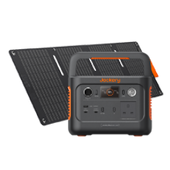
Along with efficient heating design, renewable energy solutions like the Jackery Solar Generator 3000 v2 and Jackery Solar Generator 2000 v2 are becoming more popular as part of a larger energy plan. This post explains the actual cost of underfloor heating and practical strategies to manage it.
|
Key Takeaways: |
|
l The cost of underfloor heating depends on more than just the cost of installation. It also depends on the long-term running expenses, which are affected by the type of system, how energy-efficient it is, and how well it is insulated. l The average cost of underfloor heating is between £3,000 and £13,000. l Installation costs range from £50 to £75 per m² for new builds and £60 to £85 for retrofits. l Electric underfloor heating is generally cheaper to install, while wet underfloor heating systems tend to be more cost-effective to run in larger or well-insulated UK homes. l Wet systems cost between £90 and £135 per m², whereas electric systems cost between £80 and £110 per m². l Underfloor heating may be a comfortable and cost-effective way to heat your home if you plan ahead, use efficient controls, and make sensible energy decisions. l Solar generators can't replace central heating, but choices like the Jackery Solar Generator can assist power your home and lower your need on grid electricity. |
How Much Does the Underfloor Heating Cost in 2026?
The following are some average estimated numbers for underfloor heating costs in the UK:
|
Underfloor heating system and property type |
Average installation cost per m² |
|
Electric in renovation |
£60 - £85 |
|
Electric in new build |
£50 - £75 |
|
Wet in renovation |
£95 - £110 |
|
Wet in new build |
£85 - £100 |
The average cost of underfloor heating is between £3,000 and £13,000. The precise cost that you need to spend will be determined on the kind of underfloor heating and flooring that you select, as well as the amount and quality of the flooring.
To obtain accurate pricing in the shortest amount of time, it is recommended to obtain estimates from knowledgeable local underfloor heating specialists in your area.
Average Underfloor Heating Cost Per m²
The cost of underfloor heating varies based on whether it is a new construction or a renovation (retrofit), and if you choose a wet or electric system.
New Construction Installation Costs
Electric underfloor heating costs per m² range from £50 to £75.
Wet underfloor heating systems cost £85-£100 per m².
Retrofit Installation Costs
Electric underfloor heating costs per m² range from £60 to £85.
The cost of wet underfloor heating systems per m² ranges from £95 to £110.

Costs for Different Types of the Underfloor Heating
In the United Kingdom, underfloor heating systems are normally classified into two types: electric and wet. The average expenses for the two primary alternatives are shown below.
Cost of Electric Underfloor Heating
Below are some of the usual prices for an electric underfloor heating system:
Installation costs range from £50 to £75 per m² for new builds and £60 to £85 for retrofits.
Running costs range from £0.12 per hour for a tiny bathroom (5m²) to roughly £0.49 per hour for a 20m² lounge.
Cost of Wet Underfloor Heating Systems
If you choose a wet underfloor heating system, you can anticipate to spend the following average costs:
Installation costs range from £85 to £100 per m² for new builds and £95 to £110 for retrofits.
Running costs range from £0.07 per hour for a tiny bathroom (5m²) to roughly £0.26 per hour for a 20m² lounge.
Electric Underfloor Heating vs. Water
With installation, labour, and operating expenses figured out, here's a handy comparison of electric and water underfloor heating.
Electric Underfloor Heating
Ideal for: smaller spaces and restorations.
Pros: Lower initial cost and speedier installation.
Cons: Higher operating expenses in larger settings.
Wet Underfloor Heating
Ideal for: Large expanses and new buildings.
Pros: Energy-efficient for huge areas.
Cons: higher upfront installation expenses.
How Much Does It Cost to Install the Underfloor Heating?
The following table offers a complete overview of the expected expenses that are connected with the installation of two distinct types of underfloor heating systems in both newly constructed homes and older homes. These prices are based on an average property that is 80 square metres in size.

(Source: The Underfloor Heating Store )
Cost of Installing Underfloor Heating In New Builds
It is less expensive to install underfloor heating in a new build than to renovate an older building. This is because installing underfloor heating from the beginning is easier than changing a property's heating system.
Installation in a new built house typically costs between £2,300 and £6,500, depending on the kind of system.
Whether the house is old or new, installing an electric underfloor heating system is less expensive than building a water system since the system is easier to install.
Installing electric underfloor heating on a 60 m² house at a contactor rate of £30 costs between £2,300 and £2,600. A wet system costs more than twice, ranging from £5,500 to £6,500 on average.
Cost of Installing Underfloor Heating In a Renovated House
When upgrading a home, it is more cost effective to build an electric system rather than a water system. This is because it is a simpler system to install, requiring less supplies and less work time. It also needs less alterations to the property.
The typical cost of installing underfloor heating in a house ranges from £4,000 to £9,000, depending on the system type.
Installing electric underfloor heating on an average 60 m² house at a contractor rate of £30 per hour can cost between £4,000 and £4,500. This covers the cost of supplies and labour.
Installing water underfloor heating on the same sized house is more costly. In the UK, installing wet underfloor heating may cost up to £9,000 on average.
Bathroom Underfloor Heating Costs
Here are the average installation costs for underfloor heating in a 5 m² bathroom.
Electric underfloor heating costs £0.12 per hour/£0.49 per day.
Wet underfloor heating: £0.07 per hour or £0.26 per day.
Kitchen Underfloor Heating Costs
The kitchen is one of the most common rooms in a house to install underfloor heating. Here's an estimate for the cost of installing kitchen underfloor heating based on a 14 m² kitchen.
Electric underfloor heating costs £0.34 per hour/£1.37 per day.
Wet underfloor heating: £0.18 per hour or £0.73 per day.
Conservatory Underfloor Heating Costs
If you're considering installing underfloor heating in your conservatory, expect to pay between £50 and £75 per m².
Contact a professional underfloor heating expert in your region for additional information and current pricing.
Other Costs Related to the Underfloor Heating
A few things may influence the cost of underfloor heating, so keep them in mind when comparing your options:

Insulation Needs
Before installation, ensure sure there is enough insulation beneath your underfloor heating to prevent heat from seeping into the floor, especially in an older home. This will increase the efficiency of your system and reduce its operating costs.
Heating Source
If your heating source, such as your boiler, is located a long distance away from the room where you plan to put your underfloor heating, your installation prices may rise.
Also, consider the age of your boiler. Older boilers might be less than 50% efficient, which means your operating expenses would be greater.
Labour Costs
Labour costs for installing underfloor heating vary by location in the United Kingdom. The prices in the table above are based on an average labour rate of £30 per hour.
However, if more labour is necessary, labour expenses may rise. For example, if additional insulation is necessary for the walls, entrances, or windows, labour prices will rise.
Floor Adjustments
Depending on the sort of underfloor heating system you choose, you may run into building code concerns. This is especially likely if you live in an older home.
A moist underfloor heating system can elevate the floor, which not only increases work expenses, but also requires your installation to guarantee that standard height requirements are satisfied.
Is Underfloor Heating Expensive to Run?
One often asked question is: "Is underfloor heating expensive to run?" Here's additional information on UFH running expenses, as well as a handy table comparing the operating costs of warm water UFH vs electric underfloor heating.
Underfloor Heating Running Costs: Warm Water vs. Electric
|
Room size |
Electric |
Warm water |
Cost saving over a year |
|
10m² |
£623 |
£184 |
£439 |
|
20m² |
£1,246 |
£368 |
£878 |
|
30m² |
£1,869 |
£552 |
£1,317 |
The operational costs have been calculated using a regular electricity price of £0.39 per kWh and a home natural gas price of £0.12 per kWh (accurate as of October 2025).
Warm Water Underfloor Heating Running Costs
Underfloor heating with warm water is an extremely efficient heating system. It is around twenty-five percent more efficient than radiators when it is combined with a contemporary condensing boiler, and it may be up to forty percent more efficient when it is powered by a heat pump (which can include both air source heat pumps and ground source heat pumps respectively).
As a result of this, the operating costs are often lower than those of a conventional radiator system and around one third of those of a comparable electric UFH system.
Electric Underfloor Heating Running Costs
It is possible for the operating expenses of electric underfloor heating to be three to four times higher than those of a warm water underfloor heating system (UFH) or a radiator system that is combined with a gas boiler. To put it simply, the cost of electricity per kilowatt-hour is often far higher than the cost of natural gas.
In places that are relatively modest, such as bathrooms or kitchen renovations, electric underfloor heating is an excellent choice since it can warm hard floor surfaces. Because of the high operating expenses that are involved with it, it is not typically utilised to heat a whole property.
What Factors Influence Underfloor Heating Cost the Most?
There are a lot of individuals who are just concerned with the headline price per square meter, but what is it that truly causes those statistics to go up or down? In 2026, the following is a more in-depth examination of the most significant aspects that will influence the expenses of underfloor heating:

The Quality of Insulation
A proper insulation system is not only a desirable addition to a building. They carry a vital role. Floors that are well-insulated are able to trap heat more effectively, which in turn reduces the amount of output that is necessary and, consequently, the overall operating expenses. Upgrading your insulation, on the other hand, may result in an increase in your first payment, particularly in older houses.
Category of Subfloor and Screed
Screed serves as the bed for these mats or pipes that are used for heating. Certain characteristics need extensive subfloor preparation or larger screed layers, both of which contribute to an increase in the price of materials and manpower. There may be a requirement for boarding or reinforcement for suspended timber flooring.
Temperature Regulations
In today's world, control systems can range from straightforward thermostats to sophisticated multi-zone systems that maximise both comfort and efficiency. Despite the fact that basic controls could be very inexpensive, smart systems that have digital connection will require a greater initial investment but will pay off in the form of recurring savings on energy use.
Floor Construction and the Age of the Property
There is a significant difference between installing pipes in a new construction and retrofitting a Victorian terrace. It is possible that older floor constructions may require additional work, such as increasing floor levels or modifying door heights, which will result in additional time and additional costs. New builds that were developed with UFH in mind result in a smoother experience. Installations that are less expensive.
Underfloor Heating Prices Vary around the UK
There is no set pricing for the entire country. London asks higher prices due to higher manpower and logistical costs. Wet systems cost between £90 and £135 per m², whereas electric systems cost between £80 and £110 per m².
Meanwhile, transactions in Manchester tend to be more competitive. Wet systems may cost approximately £100/m², whereas electric alternatives range from £70-£90/m². In Glasgow, the market is significantly friendlier, with electric laying costing £60-£85/m² and wet systems at £85-£120. These changes are not insignificant. Depending on the magnitude of your project, they might cause a significant increase in your budget.
There are also other factors to consider, such as the geometry of the space, the height of the ceiling, the kind of completed flooring (tile, wood, carpet), and even access for the installation. Every single one of them either raises or lowers the total amount that you pay. What is the end result? Even when they are of comparable magnitude, no two projects have exactly the same cost.
Using a Solar Generator to Reduce Electric Bill and Power Other Heating Appliances
When homeowners look at how much underfloor heating costs, one of the most common worries is continual energy use, especially with electric systems. While underfloor heating is effective at uniformly dispersing heat across a space, rising power rates in the UK can have a substantial influence on long-term operating expenses.
As a result, several homes seek ways to supplement their energy supply while reducing dependency on the grid during high tariff periods. The Jackery Solar Generators are one such approach, delivering renewable electricity to supplement overall home energy use.
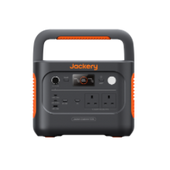
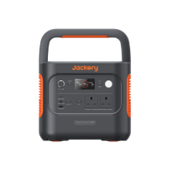
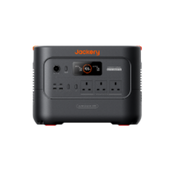
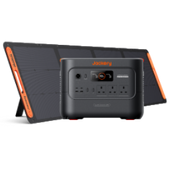
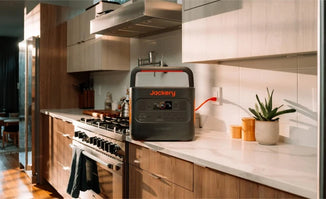
Jackery Solar Generator 3000 v2
Choosing the Jackery Solar Generator 3000 v2 to manage underfloor heating and other high-draw appliances in the UK is a strategic move for 2026. While a simple extension cable only moves power, this system manages and generates it, directly attacking the high unit rates of the UK energy market.

High-Wattage Capability (3,600W Output)
Electric underfloor heating (UFH) is notoriously power-hungry. A typical 20m² room uses roughly 2.4kW to 3kW when heating up. Most portable power stations trip or overheat when trying to run a full heating circuit.
With a 3,600W continuous output (and 7,200W surge), it is one of the few portable units that can actually handle the "startup load" of a hardwired electric underfloor mat or a high-wattage space heater without failing.
"Peak Shaving" with Off-Peak Charging
In the UK, many residents now use Time-of-Use (ToU) tariffs like Octopus Agile or Eco 7. Use the 3000 v2’s fast-charge capability (0–100% in ~1.8 hours) to fill the 3,072Wh battery during the night when electricity is cheapest (often 7p–10p/kWh).
During the expensive "tea-time" peak (4 PM – 7 PM), when rates can soar to 35p+/kWh, you switch your heating appliances to the Jackery. You are effectively heating your floor with "cheap nighttime air" stored in a battery.
Solar Offset for "Always-On" Heating
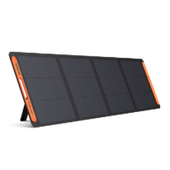
Underfloor heating is most efficient when kept at a consistent low temperature rather than being turned on and off. By pairing the unit with SolarSaga panels (supporting up to 1,000W solar input), you can "trickle feed" the energy needed to maintain the floor's base temperature.
In a well-insulated UK home, the 3,072Wh capacity can cover the "maintenance" energy of a medium-sized bathroom or kitchen UFH for several hours, essentially making that portion of your heating bill £0.
Direct Support for Other Heating Appliances
Beyond underfloor mats, the 3000 v2 can handle the UK’s most common "bill-spiking" appliances. It can run a standard UK kettle about 15–20 times on a single charge and power a 1,500W radiator for roughly 2 hours at full blast, or much longer on a "eco" thermostat setting.
The 3000 v2 uses LiFePO4 cells rated for 4,000+ cycles (to 70% capacity). If you use it every single day to offset your heating costs, it will still be highly functional in 10 years.
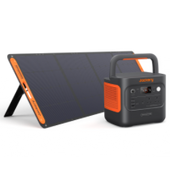
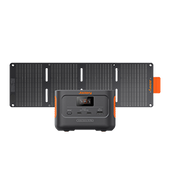
Jackery Solar Generator 2000 v2
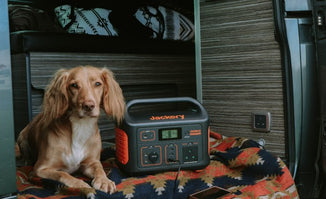
In the UK, where electricity prices remain high and winter heating is a major expense, the Jackery Solar Generator 2000 v2 serves as a strategic "energy buffer." While it won't power a whole-house central heating system, it is designed to drastically lower bills by shifting your most expensive energy usage to free or low-cost sources.

Solar Self-Consumption (The "Free" Heat)
In the UK, a typical 2000W fan heater or oil-filled radiator costs roughly £0.50–£0.60 per hour to run on a standard variable tariff. Use the included SolarSaga 100W or 200W panels to charge the 2042Wh battery during the day.
You can then run a high-wattage heater for ~1–2 hours during the evening peak (when the grid is most expensive) using 100% free, stored solar energy. This effectively "clips" the highest part of your energy bill.
Off-Peak "Arbirtrage" Charging
If your solar panels aren't producing enough due to typical British winter weather, you can use a Time-of-Use tariff (like Octopus Agile or Economy 7). The 2000 v2 features Fast Charging, topping up from 0 to 100% in just 1.7 hours.
Set the unit to charge at night when rates are as low as 7p–10p/kWh. Use that stored power to run heating appliances during the day when grid rates jump to 25p+/kWh. You are effectively "buying" your heating at a 60-70% discount.
Powering Other Heating Appliances
Many smaller power stations fail when a heater is plugged in because heaters have high "draw." The 2000 v2 has a 2200W continuous output (4400W surge). It can comfortably power other UK plug-in heating appliances, such as the fan heaters, electric blankets, and more.
Efficient GaN Technology
The "v2" model uses an upgraded GaN (Gallium Nitride) inverter. Traditional inverters lose a lot of energy as heat while converting battery power to AC. The GaN inverter in the 2000 v2 reduces energy loss by about 51.6% compared to older models. This means more of the solar or off-peak energy you’ve stored actually goes into your heater, rather than being wasted as heat inside the Jackery unit itself.
FAQs
The following are frequently asked questions about the underfloor heating costs in the UK.
1. How much does it cost to put in underfloor heating?
Installing underfloor heating in the UK usually costs between £3,000 and £13,000. The price depends on the kind of system, the size of the house, and whether it is a new construction or a refurbishment.
Electric underfloor heating is often cheaper to install, so it's a good choice for smaller spaces and retrofits. Wet systems, on the other hand, cost more to install up front but work better for whole-home installs. The ultimate price can also be affected by the cost of labour, the need for insulation, and the preparation of the floor.
2. What is the downside of underfloor heating?
One bad thing about underfloor heating is that it costs more to install, especially for wet systems in homes that are already built. Installation might also be a hassle because it may require lifting or raising flooring.
If you use electric underfloor heating as your main source of heat, it might cost more to run, especially with the current UK power rates. Also, underfloor heating systems tend to heat rooms more slowly than radiators, which may not work for every home.
3. Is underfloor heating worth the cost?
How you utilise underfloor heating will determine if it's worth the money. Underfloor heating may make new homes and homes with good insulation more comfortable, evenly heat the space, and use less energy.
Taking out radiators may also make a house more appealing and free up wall space. Many homeowners think that underfloor heating is a good upgrade since it costs more up front but has long-term advantages and needs less maintenance.
4. Which is cheaper to run, underfloor heating or radiators?
Wet underfloor heating is usually cheaper to run than radiators because it uses less water and spreads heat more evenly. It can help you use less energy over time when used with contemporary boilers or heat pumps.
But because power costs more, electric underfloor heating is typically more expensive to run than radiators. The whole difference relies on the quality of the insulation, the energy rates, and how the system is utilised.
Final Thoughts
So, how much will underfloor heating cost in the long run? While installation costs are essential, ongoing expenditures ultimately determine total value. Choosing the correct system, investing in sufficient insulation, and implementing smart controls may all make a significant impact. To further minimise their dependency on grid electricity, some households are supplementing their heating system with renewable energy options like the Jackery Solar Generator. With proper design, underfloor heating may be both comfortable and economical.


