











![[Over £1200 Tier Gift] Bluetooth Speaker with Phone Stand - shipped Separately](http://uk.jackery.com/cdn/shop/files/Portable_Bluetooth_Speaker_with_Phone_Stand_2.png?v=1781595581&width=170)










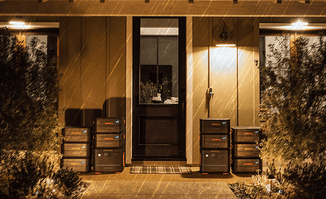
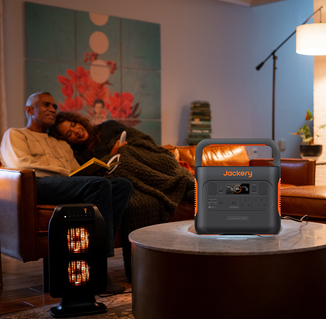


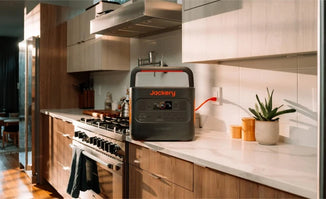
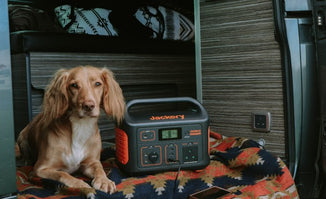


Power outages immediately disable lighting, heating systems, and Wi-Fi connectivity. While brief flickers cause minor inconvenience, extended downtime threatens food safety, medical equipment function, and communication channels. This guide clarifies UK Power Networks (UKPN) responsibilities and defines the steps you must take for household resilience, from safety during faults to supporting vulnerable neighbours.
Understanding UKPN Power Cuts
Defining UK Power Networks (UKPN)
UK Power Networks (UKPN) is the Distribution Network Operator (DNO) that owns and maintains the electrical infrastructure for London, the South East, and the East of England. They maintain the cables, substations, and equipment required to restore electricity. Unlike the energy supplier sending your monthly bills, UKPN is the entity that fixes the fault regardless of who you pay for usage. Residents in the capital can consult a specific London Power Outage Guide for localized infrastructure details
Common Causes and Types of Outages
Identifying the source of a power cut UKPN helps manage expectations regarding restoration times.
- Unplanned faults: Physical damage causes most outages, stemming from storms, tree strikes on overhead lines, or underground cable failure. Restoration times depend heavily on the severity of the damage.
- Planned power cuts: UKPN schedules these for essential maintenance. Impacted households typically receive notification by letter, text, or email at least 2 days in advance.
- Emergency disconnections: These are rare, national measures used only when supply is critically low to protect the wider grid from total collapse.
Assessing Impact and Risks
Regional faults pose the primary threat to most households, while national blackouts remain statistically rare. The risks extend beyond losing light; modern homes lose water pressure (if pump-dependent), heating controls, and internet connectivity. Vulnerable groups, particularly the elderly or those medically dependent on powered devices, face the highest danger during prolonged downtime.
Preparing for a Power Cut UKPN
Assembling a 72-Hour Emergency Kit
A 72-hour emergency kit ensures survival and comfort during extended outages.
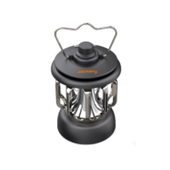
- Lighting: LED torches, headlamps, and battery lanterns provide safe illumination. Avoid candles entirely due to high fire risks.
- Communication: A battery-powered or wind-up radio receives local news updates. Store a printed list of emergency contacts, including 105 and 999.
- Food/Water: Ready-to-eat non-perishables require no cooking. Stockpile at least 3 litres of water per person to cover drinking and hygiene needs.
- Warmth: Heavy blankets, sleeping bags, and thermal layers preserve body heat. Identify one specific room to heat and inhabit to conserve warmth.
- Medical: A 7-day supply of essential medication must be accessible alongside a Comprehensive Power Cut Guide and first-aid kit
Proactive Home Resilience
Surge protectors shield devices from voltage spikes when power returns. During storms, unplug sensitive equipment immediately to prevent hardware damage.
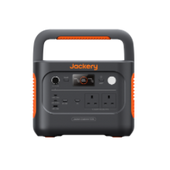
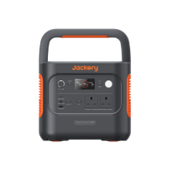
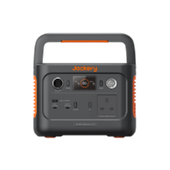
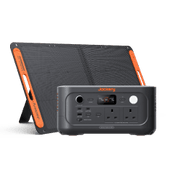
For reliable backup power, a high-capacity Solar Generator keeps essential appliances running:
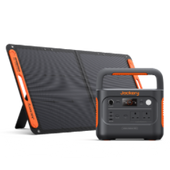
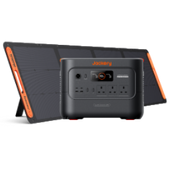
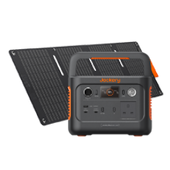
- Jackery Solar Generator 2000 v2: Jackery Solar Generator 2000 v2 offers a substantial 2042Wh capacity. The unit is ideal for extended backup, capable of powering refrigerators (up to 72 hours depending on efficiency), lights, and charging communication devices for days.
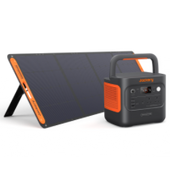
- Jackery Solar Generator 3000 v2: With a massive 3072Wh capacity, Jackery Solar Generator 3000 v2 powers 99% of household appliances. This model features a <20ms switchover time, acting as an Uninterruptible Power Supply (UPS) for critical electronics.
Both units utilize safe LiFePO4 batteries with a 10-year lifespan (4,000+ cycles). Unlike petrol generators, Jackery generators operate silently indoors (30dB in Quiet Charging Mode) without emitting toxic fumes.
Additionally, check your heating system. Many gas boilers require electricity for ignition and pumping. Knowing this limitation allows you to plan alternative heating methods effectively.
Family and Community Plans
Household plans should designate meeting spots and specific roles for checking supplies. Share these plans with neighbours and agree to check on elderly residents nearby who may not have internet access. Keep hard copies of insurance documents and ID in a waterproof folder, as digital files may be inaccessible.
Actions During a Power Cut UKPN
Verifying the Outage Scope
Check your trip switch immediately to determine if the issue is internal or external. If the trip switch has not flipped and neighbours are also dark, you should Check for Power Cuts in Your Area to confirm a network fault. If the issue is external, do not reset your consumer unit; leave it as is and prepare to report the issue.
Immediate Safety Steps
- Unplug appliances: Disconnecting TVs, computers, and microwaves prevents surge damage when the power grid stabilizes and reconnects.
- Leave a signal light: Keep one single light switch in the ON position. This alerts you immediately when power is restored.
- Preserve heat: Close curtains, doors, and vents immediately. Draft-proofing your designated Warm Room traps existing heat for longer periods.
Food and Equipment Management
Food safety relies on temperature retention; keep fridge and freezer doors closed. A refrigerator keeps food cold for about 4 hours if unopened, while a full freezer maintains temperature for roughly 48 hours.
For power needs, use battery backups like the Jackery Solar Generator 2000 v2 to run LED lights or Wi-Fi routers. Never use outdoor gas heaters, barbecues, or petrol generators indoors. The risk of carbon monoxide poisoning is lethal and invisible.

Reporting and Tracking Outages
Reporting the Fault via 105
Dial 105 to report a power cut UKPN today or to obtain updates. This free national helpline connects you directly to your local DNO (UKPN). Do not call your energy supplier (e.g., British Gas, Octopus) for network faults, as they cannot fix grid infrastructure. Residents outside the UKPN zone can refer to the Northern Ireland Power Cut Guide or their respective DNO resources
Using the Live Power Cut Map
The official Uk power networks power cut map provides fault status and estimated restoration times. This tool offers the most accurate, real-time data on the network. If your outage is not visible on the map, report it immediately via the online tool or by calling 105. While UKPN posts major incident updates on social media, the map remains the primary source of truth.
Priority Welfare Checks
Vulnerable households receive priority updates if the operator is informed immediately. UKPN can provide specific welfare assistance for registered vulnerable households during complex repairs, especially if anyone in the home depends on powered medical equipment.
Post-Outage Recovery and Compensation
Restoring the Home
Wait 10-15 minutes after power returns before plugging in heavy appliances. This delay reduces the load on the grid during the stabilization phase. Check your food supplies immediately; discard anything that has exceeded safe temperatures and restock emergency kit items, such as batteries and water, to prepare for future incidents.
Compensation Rights
Compensation applies if your supply is off for 12 hours or more during normal weather, based on Ofgem's Guaranteed Standards.
- Severe Weather: Different thresholds apply during storms, categorized as Category 1 or 2 events.
- Claiming: Most payments are automatic and sent via your energy supplier. However, keep records of the outage duration to dispute any missed payments
Support for Vulnerable Customers
Priority Services Register (PSR)
The Priority Services Register (PSR) offers free assistance to those who need it most.
- Eligibility: Pensioners, families with children under 5, and those with chronic medical conditions, disabilities, or mental health needs.
- Benefits: Registrants receive advance notice of planned cuts, priority support during emergencies, and tailored communication formats (e.g., large print).
- Registration: Sign up for free via UKPN or your energy supplier. Data is shared between them to ensure consistent support.
Medical Contingency Planning
Medical device continuity requires reliable backup power. If you rely on refrigerated medicines, consult your GP about storage limits and use cool bags with ice packs as a temporary measure.
For continuous power, a UPS-enabled unit like the Jackery Solar Generator 3000 v2 provides a <20ms switchover. This speed ensures critical gear like CPAP machines or oxygen concentrators remain operational without interruption. Always verify backup power compatibility with your specific medical equipment manufacturer to ensure safety.
Conclusion
Resilience relies on preparation; a well-stocked kit and a clear plan reduce panic when the grid fails. Know your DNO: use 105 and the UKPN map for accurate information rather than relying on social media rumors. Invest in reliability. Modern solutions like the Jackery Solar Generator 2000 v2 or Jackery Solar Generator 3000 v2 offer safe, silent, and substantial backup power. Finally, remember that community matters. Checking on vulnerable neighbours is as vital as checking your own fuse box.
Frequently Asked Questions
1. Can I get compensation for food spoilage?
DNO compensation covers the loss of supply time rather than specifically spoiled food contents. However, check your home insurance policy, as many contents insurance plans include coverage for freezer contents lost due to power failure.
2. What if my internet router needs power?
Broadband lines often remain active even if your home loses power. Plugging your router into a portable power station, like the Jackery Solar Generator 2000 v2, can restore Wi-Fi connectivity immediately.
3. How do I safely store fuel for a generator?
Petrol must be stored in a well-ventilated, detached shed or garage, adhering to strict UK legal limits: you may store up to 30 litres total without notification. Use approved containers restricted to a maximum of 10 litres for plastic (to prevent degradation) or 20 litres for metal. Never store fuel inside your home due to fire hazards and toxic fume risks.
4. Are there grants for backup power solutions?
No direct government grants currently exist specifically for purchasing portable battery backup systems for general households. However, vulnerable customers on the Priority Services Register may receive specific assistance or equipment from their DNO during prolonged outages.
5. What's the difference between DNO and energy supplier?
Your energy supplier (e.g., British Gas, Octopus) sells you electricity and sends the bill. The DNO (e.g., UK Power Networks) owns and maintains the physical cables, towers, and infrastructure that deliver electricity to your home.


