













![[Over £1200 Tier Gift] Bluetooth Speaker with Phone Stand - shipped Separately](http://uk.jackery.com/cdn/shop/files/Portable_Bluetooth_Speaker_with_Phone_Stand_2.png?v=1781595581&width=170)








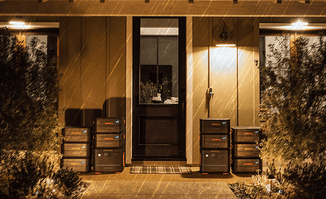




The weather in the United Kingdom and Northern Ireland is becoming more unpredictable. This change makes proactive household preparation necessary. Secure outdoor furniture and assemble an emergency pack now to help prevent substantial property damage in the future.
High-quality storm accessories are crucial for modern preparedness, especially during long-term power outages.
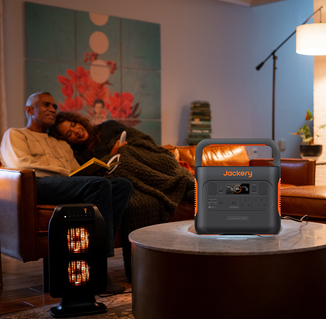
Adding a Jackery Portable Power Station keeps lights, phones, and medical devices working. This offers peace of mind if the national grid fails during severe weather.
|
Key Takeaways: |
|
Storm Accessories: Storm Emergency Kit
To stay safe during bad weather, you need to plan ahead. Making a complete set of storm accessories is very important for families in the UK. Residents can make sure they are ready for power outages or limited travel by organising their high-quality storm accessories.
In 2026, UK emergency preparedness has shifted toward building "household resilience" against more frequent and severe weather events. As Storm Chandra moves across the UK, the government and relief agencies like the British Red Cross have updated their "WeatherReady" guidelines.

1. Emergency Lighting and Power
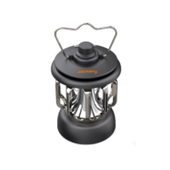
The most important thing for every kit is a reliable light source. A strong LED lamp or a durable lantern is a good idea to have. Using battery-powered or wind-up storm gear is safer than using candles, which might catch fire during a storm.
2. Food and Water Supplies
For safety and comfort, it's important to always have food on hand. At least three days' worth of bottled water and non-perishable food should be stored in homes. If electronic appliances aren't working, you need to have a manual tin opener to get to these food supplies.
3. Medical and First Aid Essentials
Being ready for small injuries is part of staying safe during a storm. A well-stocked first aid pack with bandages, antiseptic wipes, and any necessary prescription drugs should be part of the survival gear. These storm supplies give you peace of mind in case you need to wait for professional medical treatment.
4. Communication and Information
When things get worse, it's really important to stay up to current on official news. A radio that runs on batteries or is wound up is a great way to get local news and emergency notifications. Also, having a portable power bank on hand makes sure that cell phones can still make emergency calls and other important calls.
5. Advanced Solutions for Home Power
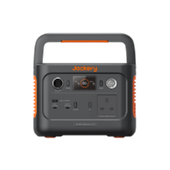
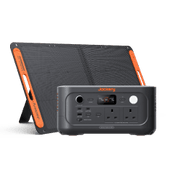
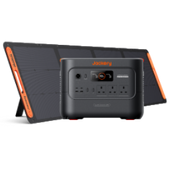
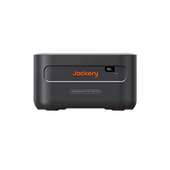
High-capacity power stations are becoming necessary storm gear for many residences that want to be able to withstand storms for a long time. With a huge 3072Wh capacity and 3600W output, the Jackery Explorer 3000 v2 can power heavy-duty appliances like refrigerators and kettles during a power outage.
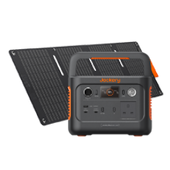
The Jackery Explorer 2000 v2, on the other hand, is a smaller but still strong choice with a capacity of 2042Wh and an output of 2200W. Both models have quick charging and UPS features that keep important gadgets operating without stopping.
6. Sanitation and Personal Hygiene
People often forget to keep things clean, but it's still important if water services are interrupted. A full kit should have hand sanitiser, wet wipes, and big trash bags for throwing away trash. These things are crucial storm supplies that keep people comfortable and stop the spread of infection when normal utilities aren't working.
7. Clothing and Warmth
When the weather is really bad in the UK, the temperature often drops a lot. You should keep a set of warm, waterproof clothes and sturdy shoes in the pack. Thermal blankets or sleeping bags are also good things to have during a storm to keep everyone in the house warm if the heating system stops working.
Download the Storm Accessories PDF Checklist >>
Full Storm Preparation: House and Garden
Getting a property ready for bad weather is a multi-step process that includes getting the inside and outside ready and getting yourself ready. Adding useful storm accessories to a regular maintenance schedule will keep everyone safer and save you money on repairs.

Protecting the Home Interior
The first step to a safe home is to make sure the structure is sound. Make sure that all of the windows and doors are secured and closed tightly, especially the ones on the side of the structure that faces the wind. To make things further safer, keep inside doors closed so that pressure doesn't shift if a window breaks.
It is also a good idea to unplug any electrical devices that aren't necessary before the storm hits. This will safeguard them from power surges that could happen when lightning strikes. In places like Northern Ireland, where the weather can be very unpredictable, it's a good idea to have a list of emergency contact numbers written down in case your digital devices stop working.
Protecting the Garden and Outside Areas
Many things in gardens can become dangerous projectiles when the wind picks up. Put big things like trampolines, lawn equipment, and barbecues in a garage or shed. If you can't store them, you need to use heavy-duty storm accessories like anchors or bungee cords to tie them down.
Another important thing to do is check the condition of the fencing.
When a gale hits, loose panels are generally the first things to break. To keep them from breaking, use extra nails or screws. Also, getting rid of leaves and other debris in gutters and drains stops water from overflowing, which can cause the property to get wet or even flood.
Personal Safety and Readiness
Taking care of your property is just as vital as getting ready for an emergency. The safest thing to do during a storm is to stay inside. Don't try to fix anything outside until the weather has calmed down completely.
If you have to travel, it's very important to check local weather forecasts and make sure your car has the minimum supplies it needs. Adding a stable power source can make a big difference for people who want to stay comfortable during a power outage. The Jackery Explorer 3000 v2 or 2000 v2 are small but powerful storm accessories that can offer enough power to keep important lighting and communication equipment functioning during the storm.
Maintenance of Trees and Vegetation
Branches that dangle over rooftops and electricity lines can be very dangerous. Homeowners should cut off dead or weak branches from trees long before the hurricane season starts. Stakes and flexible ties can help young trees and plants stay robust in heavy winds without breaking. These steps, along with the right storm accessories UK, greatly lower the danger of harm to the home's structure.
Keeping An Eye On Weather Alerts And Live Tracking
The last and most important part of staying safe is to stay up to date through official means. The Met Office National Severe Weather Warning Service gives the most accurate information for the UK and Northern Ireland.
This lets people get storm supplies out before the weather gets worse. Residents can keep an eye on rain and wind speeds in real time with tools like the Met Office interactive weather map and the UK weather warnings. Following the exact instructions for yellow, amber, or red alerts makes sure that every home stays one step ahead of the weather with the correct information and storm accessories uk.
How to Stay Safe at Home and on the Road During a Storm?
When a storm starts, the focus changes from getting ready to staying safe. The best way to stay safe is to stay inside and avoid taking unnecessary risks. Having reliable storm supplies on hand means that a home is ready for anything, even if things get worse.

Staying Safe at Home
When the wind builds up or thunder starts, the safest place to be is inside a strong building. Avoid windows and doors because glass can break when high gusts or flying debris hit them. To keep sensitive electrical equipment from getting damaged by power surges, especially during lightning storms, it should be unplugged.
During a thunderstorm, it's best to avoid using a corded landline phone. Instead, you should use a mobile device that runs on portable storm gear. People should stay in a low-level room or the middle of the house until the storm passes if it is very bad.
Driving and Travelling on the Road Safely
If you can, don't travel until the storm has passed. If you really have to go, though, you need to be particularly careful on the roads in the UK and Northern Ireland. Strong winds can be especially dangerous for high-sided vehicles, therefore all drivers should stay farther away from the automobile in front of them.
It's crucial to watch out for spaces between trees or buildings where strong winds can happen. If you can't see well or the wind makes it hard to steer, the best thing to do is to find a safe area to pull over, away from trees or power lines.
Things to Stay Away from Outside
If you're caught outside, the first thing you should do is locate shelter. You shouldn't stand near big buildings, metal fences, or bodies of water since they can attract lightning or be damaged by falling debris.
It's risky to hide under a tree since limbs can break without warning. If you reside in a region that is likely to have flash floods, you should remain away from bridges and culverts. If you have to stop unexpectedly during a storm, having important storm gear in your car, like a high-visibility jacket and a torch, can make you feel safer.
How to Stay Safe During a Power Outage?
When there is bad weather, the power often goes out. Knowing what to do and what storm supplies to have on hand will help you stay safe and lower your stress. Households can deal with these interruptions with confidence by following the rules that are already in place.
What to Do Right Away during an Outage
If the power goes out, you should turn off any appliances that you don't need. This keeps the electronics safe from possible surges when the power comes back on. But leaving one light on is a good method to find out right away when the network is back up.
People in the UK can easily report a power outage by calling 105, which is a free service in England, Scotland, and Wales. Residents can also report the problem online or use a postcode search tool to find out who their electricity network supplier is.
Advanced Power Solutions
For many people, a regular torch isn't enough to get through a long power outage. The Jackery Explorer 3000 v2 and the Jackery Explorer 2000 v2 are high-capacity storm accessories that can power the whole house as a backup. The Jackery Explorer 3000 v2 has a huge 3072Wh capacity, which means it can keep important appliances like a fridge or medical equipment running for hours.
The Jackery Explorer 2000 v2, on the other hand, is a portable and powerful alternative with a high performance rating of 2042Wh. These stations have a UPS function that turns on in less than 20 milliseconds, so important devices never lose power, even for a second.

Support for Medical Needs and Safety
People who need medical equipment at home should make sure they are on the Priority Services Register. This lets energy companies give priority to people who need a steady supply of power for health reasons. Adding a reliable backup, like the Jackery versions discussed above, gives these homes even more security.
How to Handle Gas Emergencies
Homeowners should keep an eye on more than just electrical problems. Call the National Gas Emergency Service right away at 0800 111 999 if you smell gas or think there might be a leak. If you think there might be a leak, it's very important not to use any switches or open fires. Having a set of well-kept storm accessories in the UK and knowing these emergency numbers makes sure that any utility outage is dealt with quickly and safely.
Jackery Solar Generators for Emergencies
When a storm warning (Yellow, Amber, or Red) is issued by the Met Office in the UK, the primary concern for most households is a power cut. High winds and lightning can easily damage overhead lines or flood local substations. Choosing a Jackery Portable Power Station in these specific moments offers several strategic advantages over other backup methods.
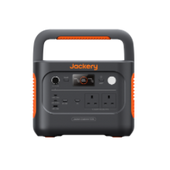
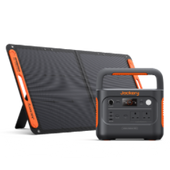
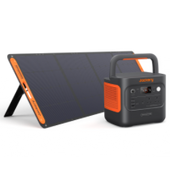
Jackery Explorer 2000 v2
The Jackery Explorer 2000 v2 is a powerhouse specifically designed for high-capacity home backup while being significantly more compact than its predecessors. Released as a refined version of their flagship line, it balances high wattage with a much more manageable size for the average UK home.

High Output for "Heavy" UK Appliances
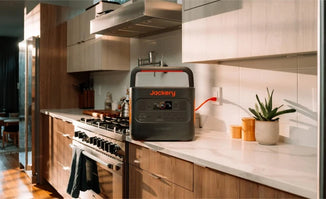
British households often rely on high-wattage appliances like kettles and microwaves which can trip smaller power stations. 2200W continuous and 4400W surge: This is high enough to power a standard kettle, toaster, microwave, or even a hair dryer—items that most portable batteries simply cannot handle. 2042Wh capacity: This large battery reservoir can keep a high-efficiency UK fridge-freezer running for up to 15-20 hours, ensuring your food doesn't spoil during an overnight blackout.
Industry-Leading Compactness
Space is often at a premium in UK homes compared to the US. The "v2" is a major upgrade in design. 40% Smaller & lighter: Despite having the same capacity as older 2kWh models, the v2 is roughly 41% smaller and weighs only 38.6 lbs. Stow-away handle: Its foldable, flat-top design means you can easily store it on a shelf in a utility room or under a kitchen bench without it becoming a bulky obstacle.
"Emergency Super Charge" Mode
One of the most critical features for emergencies is how fast you can "top up" when an emergency warning is issued. Using the Jackery app, you can activate the Emergency Super Charge mode, which pulls maximum power from your wall socket to go from 0% to 100% in just over an hour.
You can leave it plugged into your router or PC. If the grid fails, it switches to battery power in less than 20 milliseconds, preventing your internet or work from dropping.
Advanced LiFePO4 Safety & Longevity
Unlike older lithium-ion batteries that might degrade after 500 charges, the Explorer 2000 v2 uses LiFePO4 (Lithium Iron Phosphate) chemistry. It is rated for 4,000+ charge cycles, meaning if you used it every single day, it would still have 70% of its capacity after a decade. It produces no fumes, no carbon monoxide, and operates at a silent 30dB in quiet mode—essential for use in bedrooms or small flats during the night.
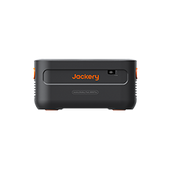
Jackery Explorer 3000 v2
Choosing the Jackery Explorer 3000 v2 for emergency preparedness in the UK is a strategic move, especially considering the country's recent focus on grid resilience. This model represents a significant generational leap over the older "Pro" series, specifically addressing the needs of home backup.

Massive Output for British Appliances
The Explorer 3000 v2 offers a 3,600W continuous AC output (with a 7,200W surge). In a UK context, this is a "magic number" because it can comfortably handle high-wattage appliances that smaller units struggle with. Unlike smaller power stations, it can run a standard 3kW UK kettle. It can power space heaters or portable induction hobs during winter power cuts.
"ZeroDrain" Technology for Long-Term Storage
The biggest risk with emergency gear is finding it dead when you actually need it. The 3000 v2 features ZeroDrain technology, which allows it to retain up to 95% of its charge even after sitting in a cupboard for a full year. This "set it and forget it" reliability is critical for an emergency kit.
Rapid UPS (Uninterruptible Power Supply)
During a "brownout" or sudden power cut, the unit features a sub-20ms UPS switchover. If you have your essentials (like a desktop PC, medical equipment like a CPAP, or your Wi-Fi router) plugged into it, they won't even flicker or reboot when the grid fails.
LiFePO4 Chemistry & 10-Year Lifespan
While older Jackery models used Lithium-ion, the v2 uses LiFePO4 (Lithium Iron Phosphate). This chemistry is significantly more stable and less prone to overheating, making it safer to keep inside a UK home. It is rated for 4,000+ charge cycles to 70% capacity. Even if used frequently, the battery is designed to last over a decade.
Compact "Cell-to-Body" (CTB) Design
UK homes are often tighter on space than US homes. The v2 is 47% smaller and 43% lighter (weighing about 59.5 lbs) than typical 3kWh competitors. It doesn't require a trolley or wheels to move between rooms, making it much easier to store in a utility cupboard or under a stairs.
Steps to Take After a Storm and How to File an Insurance Claim
After the weather calms down, the focus changes to figuring out how bad the damage is and starting the recovery process. Taking care of the aftermath makes sure that insurance claims go through without a hitch and that any necessary repairs are done securely. Using the correct storm accessories during this time, including powerful flashlights for inspections, can assist find problems that might not be seen otherwise.
Immediate Safety and Damage Check
After a serious catastrophe, the most important thing is to avoid doing anything that could put residents in danger. after there are exposed electrical or phone lines, you should be very careful. You should only go back to a property after the police say it is safe. To help with future insurance claims, it's important to make a complete record of any damage by writing down what you see and taking clear pictures or videos.
A typical mistake people make when it comes to property lines is thinking that fences are owned by the person who built them. There is no one regulation in the UK and Northern Ireland about which side of a fence belongs to a homeowner.
The only way to find out who is responsible for repairs is to look at the title records. If you need to make repairs, remember that it might take weeks for a property to dry out fully. So don't do any substantial redecorating until the building is dry.
How to Handle Insurance Claims
Most homeowners insurance policies cover damage from storms, but homeowners should call their provider right away. A lot of insurance companies have 24-hour emergency helplines that can help you figure out what to do next. If little emergency repairs need to be made to stop more damage, they should be made right away.
You need to keep all of the receipts for these storm supplies and services since they are an important part of the claim. Before throwing away damaged items, talk to the insurance company first, as many things can be fixed.
Knowing What Your Policy Covers
Most ordinary UK insurance plans cover a number of specific storm-related situations, even if every policy is different.
|
Insurance Policy Covers |
|
|
Food Loss |
Some contents policies cover the loss of food in freezers if the power goes out. |
|
Alternative Accommodation |
If a home becomes unlivable, buildings insurance usually pays for temporary accommodation. |
|
Damage to Your Automobile |
Comprehensive car insurance usually covers damage from falling trees or debris, but third-party policies do not. |
|
Liability for Injuries |
If someone else gets hurt when tiles or trees fall from a property, the buildings policy normally covers legal liability, as long as the homeowner has kept the property up to date. |
Handling Travel Problems
Travel insurance may pay for cancelled or delayed flights because of bad weather for people whose plans were changed. The easiest approach to find out if a holiday cancellation is covered is to look at the policy's exact terms. By keeping things in order and writing down every detail, families may use their storm accessories UK and expert services to get their lives back to normal as soon as possible.
FAQs
The following are frequently asked questions about the storm accessories in the UK.
1. How to prepare for a storm in the UK?
The first thing you need to do is keep an eye on the Met Office for yellow, amber, or red weather alerts. Homeowners should tie down loose things in their gardens, including trampolines and furniture, because they can be dangerous in high winds. It's also important to make sure that windows and doors are locked and that an emergency pack for the home, which includes important storm supplies, is easy to get to.
2. How to prepare for 90 mph winds?
Winds this strong are quite dangerous and can damage buildings. People should stay inside, preferably in a room on the ground floor with no windows. You should store your cars in a garage or far away from trees, buildings, and fences. It is also smart to make your home more resilient by having storm gear with a lot of power, such a Jackery power station, on hand to keep the lights on and the phone lines open if the electricity goes out.
3. What do you need to prepare for a storm?
For safety, a full outfit is quite important. At the very least, you should have a three-day supply of bottled water and non-perishable food, a manual tin opener, a first aid kit, and any prescriptions you need. A battery-powered or wind-up radio and a strong LED lamp are other important storm supplies in the UK to have in case of a power outage.
4. What should I do to prepare for Storm Eowyn?
Check for regional red or amber alerts right away when a storm like Storm Eowyn is predicted. Make sure that all of your mobile gadgets are properly charged and that the gutters are clear to stop flash floods. It's also a good opportunity to check on your neighbours who are at risk to make sure they have the supplies and storm gear they need to keep safe during the storm.
5. Why do you fill your bathtub with water during a hurricane?
Filling a bathtub gives you a lot of "grey water" that you can use for cleaning if the main water supply is cut off or polluted. You can save your bottled drinking water by using this water mostly to flush toilets by hand or for basic washing. This easy preparation, together with other storm supplies for Northern Ireland, will keep your home working even if the power goes out.
Final Thoughts
You may considerably lessen the risks posed by high winds and heavy rain by accumulating necessary storm accessories in the UK and following official Met Office advice. Remember that rehabilitation begins with safety and proper documentation for insurance purposes. For those looking for the best in home backup power supply, investing in a Jackery Portable Power Station provides a dependable, quiet, and efficient solution to keep your household functioning. Stay aware, prepared, and ensure that your home stays a safe refuge throughout the season's storms.


