










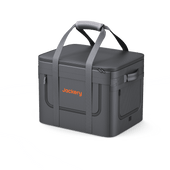











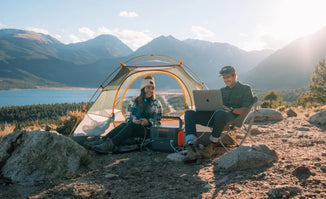








Car camping in the UK has emerged as one of the most convenient ways to experience weekend getaways and longer road journeys. Sleeping in your car delivers comfort and autonomy without requiring specialized gear.
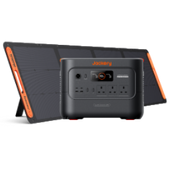
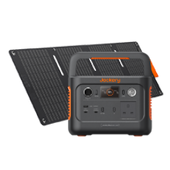
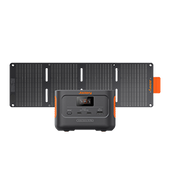
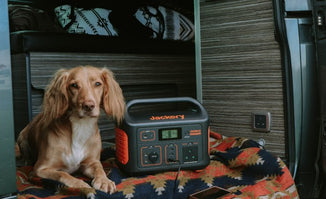
With dependable supplies like a Jackery Solar Generator, you can stay charged, cook quickly, and enjoy off-grid comfort. Car camping in the UK enables stress-free, spontaneous travel, from choosing the vehicle to finding secure overnight spots.
|
Key Takeaways: |
|
Is it Legal to Car Camp in the UK?
Car camping in the UK can be an enjoyable and economical way to experience the outdoors without investing in much equipment. It's efficient, straightforward, and only needs your basic essentials. However, before setting off, remember that car camping isn't always as simple as driving away; there are important rules to observe.
Is Car Camping UK Legal?
Yes. You can legally car camp in the UK if you follow two simple rules:
- Park safely and avoid breaking parking regulations.
- Do not be under the influence of drugs or alcohol while staying in your vehicle.
For smooth, lawful car camping in the UK, first look for designated campsites or caravan parks that allow overnight parking. Alternatively, some supermarkets, pubs, and outdoor retail car parks may permit overnight stays, especially if no fee is charged; however, always confirm with the car park owner or manager beforehand.

Know Your Location
The UK is made up of several nations and local authorities, each with its own regulations. England, Scotland, Wales, and Northern Ireland may treat car camping differently, and councils can also introduce their own local restrictions.
In many cases, sleeping in your vehicle isn't illegal, but where you park makes all the difference. Approved rest stops, or motorway services, may allow napping, while public roads or residential areas may result in a hefty fine.
Private vs Public Land
Understanding the difference between public and private land is crucial for anyone interested in car camping in the UK. Public land, such as service stations, may allow overnight stays, but private land typically requires the owner's permission.
Private land, however, requires the landowner's explicit permission, as entering or remaining without it could constitute trespass—a civil or criminal offence, depending on local law. In places like Scotland, where wild camping is sometimes permitted on certain public or common lands, you must still verify that you are not on private property without permission, as legal rights differ for private land.
Specific Regulations
Some councils enforce Public Space Protection Orders (PSPOs) that make it illegal to sleep in your vehicle overnight within certain zones. If you're planning a spontaneous rest, always check whether a PSPO applies in that area. To stay informed while car camping in the UK:
- Visit your local council's website
- Check community forums that discuss the area
- Look out for signs highlighting restrictions
When you understand these rules, you avoid fines and can enjoy your trip stress-free as you explore the UK's beautiful scenery from your car.
Parking Restrictions
So you've decided parking up for a rest is the right move -- but choosing where to stop during car camping in the UK is essential. This isn't just about finding a convenient spot; local laws can make or break your plans.
Local Council Rules
Every council may have different regulations. Think of it as a patchwork: one area may be relaxed, while the next may issue fines quickly. To avoid surprises, always check the local council website of the area where you plan to park.
Signs are your primary safeguard. Many car parks specify whether overnight parking is permitted. If you see 'No Overnight Parking,' move on. And if no sign appears, don't assume it's automatically permitted—penalties can still apply.
Private Land and Commercial Car Parks
If you sleep in your car on private land without permission, you break the rules. Some private or commercial car parks charge a fee for overnight parking; others clamp or tow unauthorized vehicles. Use apps like Park4night and JustPark to find safe, legal parking spots and make car camping in the UK easier.
National Trust and Scenic Areas
You may find car camping in beautiful British landscapes appealing, but organizations like the National Trust usually enforce strict guidelines. Many protected or scenic areas limit overnight stays, so always check ahead if you plan to visit.
|
Area Type |
Overnight Stay Rules |
|
City Centres |
Typically restricted - always read local signs |
|
Suburban Zones |
Check the relevant council guidance |
|
Countryside Areas |
Sometimes possible - confirm it's not private land |
|
Tourist Spots |
Frequently controlled - ask site management |
How to Find the Best Places for Car Camping in the UK?
Finding good spots for car camping in the UK can seem simple at first, but if you have anxiety like me, it can be trickier to judge whether a place is safe and pleasant for an overnight stay. If you want somewhere secure with useful amenities, the easiest option is to target established campsites or designated British camp car parks that allow overnight stays.
You can also spot appealing places for car camping during your usual drives, especially on quieter country roads where people often tolerate overnight parking.
Finally, you can use camping and parking apps such as Park4Night, StayFree, and SearchforSites to find legal or recommended places -- just bear in mind that some really popular spots fill up fast or have been restricted from overnight stays due to overuse.
Best Places for Car Camping in the UK
Here are some beautiful and popular places for car camping in the UK, ranging from legal wild areas to scenic campsites and countryside locations where many people set up for a memorable night:

Dartmoor National Park, Devon
One of the most famous and unique places for car camping in the UK is Dartmoor. This massive national park offers wide-open spaces, ancient tors, river valleys, and a feeling of wilderness you won't easily forget. In some designated areas here, overnight stays are permitted and respected, making it a standout spot for vehicle camping.
Scottish Highlands & Remote Scotland Spots
Scotland is often regarded as one of the best regions in the UK for wild and adventurous car camping. Thanks to Scotland's access rights, much of the highlands and lochs can be enjoyed with relative freedom and stunning views -- from rugged glens to peaceful loch-side clearings. Just make sure you're aware of seasonal rules in specific areas, especially around popular spots like Loch Lomond & the Trossachs.
Lake District National Park
The Lake District remains a classic favourite for British campervan lovers and outdoor enthusiasts. With rolling hills, serene lakes, and breathtaking walking routes, there are plenty of campsites and lay-bys for parking and enjoying the view. It's ideal for combining scenic drives, hikes, and cozy nights camping near water and hills.
Peak District & Forested Areas
The Peak District is another iconic region where car camping in the UK feels right at home. With gentle dales, turbulent gritstone edges and a beautiful network of roads and landscapes, you can find restful spots near car parks or choose smaller campsites in valleys that welcome overnight stays.
Coastal & Countryside Zones
The Pembrokeshire Coast National Park in west Wales showcases some of the UK's best coastal landscapes and quiet places for car camping. With dramatic cliffs, beaches and rolling countryside nearby, many people plan road trips around scenic coastlines that also offer camping facilities or tolerated overnight parking. Once you've chosen your destination, the next step is selecting the right vehicle for your needs.
How to Choose the Right Car for Car Camping?
When preparing for car camping in the UK, selecting the right vehicle is essential to ensuring a smooth, enjoyable trip. The best cars for camping typically offer enough interior space to sleep comfortably when the seats are folded down, along with dependability and practicality for travel on both paved roads and rural lanes.
Popular Cars for Car Camping in the UK
For camper trips across the UK, certain vehicles stand out as excellent choices for car camping thanks to their space, comfort, and flexibility. The car camping guide highlights that many types of cars can be adapted for overnight stays -- especially if the seats fold flat to create a more level sleeping area -- but some models are particularly well-suited to these needs.
SUVs and Crossovers
SUVs like the Nissan X-Trail offer generous room once the rear seats are folded flat, providing ample space for a mattress or sleeping setup. These vehicles also provide higher driving positions and more versatility for carrying gear.
Estate Cars
Estate cars are often recommended for car camping due to their large, flat boot space when seats are down. They can be especially effective for sleeping arrangements, and many estates can comfortably sleep two people without additional conversions.
Practical Small SUVs and Crossovers
Smaller SUVs like the Mini Countryman or similar compact 4×4 vehicles are also mentioned for their ability to provide a decent level of space when the back seats are folded, making them suitable for car camping trips where larger vehicles might be impractical.
What Are the Different Types of Car Camping?
There are several styles of car camping in the UK, each offering its own level of comfort, flexibility, and adventure. These approaches vary depending on whether someone prefers convenience, a more rugged outdoor experience, or the freedom to move from place to place. Understanding the different types can help campers choose an option that suits your travel plans and the locations you want to explore.

Type 1: Sleeping Inside the Car
One of the most common styles involves simply sleeping inside the vehicle. By folding down the back seats or using a flat sleeping platform, the car becomes a sheltered and secure space for the night. This method is ideal for unpredictable UK weather and makes it easy to relocate quickly.
Type 2: Car-Side Tent or Awning Setup
Another popular form of car camping in the UK is setting up a tent or awning attached to the vehicle. This creates extra space for sleeping, storage, or cooking while still keeping the car close by. It can feel more like traditional camping but with added convenience and protection.
Type 3: Roof-Top Camping
Roof-top tents offer an elevated approach, turning the vehicle's roof into a cozy sleeping area. This method provides height, airflow, and comfort while freeing up the interior for gear. It's suited to travellers who want a blend of mobility and a dedicated sleeping setup.
Type 4: Minimalist or “Stealth” Stays
Some people prefer minimalist car camping, keeping the setup subtle and compact - especially when staying in permitted overnight parking areas. This style focuses on low-impact, tidy camping and on avoiding unnecessary visibility while still respecting local rules.
Type 5: Campsite-Based Car Camping
Another option is using designated UK campsites that welcome cars. These sites often offer additional amenities, such as toilets, showers, and charging points, making the experience more comfortable. This type of car camping in the UK appeals to those wanting convenience without giving up access to nature.
Type 6: Touring and Multi-Stop Camping
Car camping can also be part of a multi-location road trip, allowing travellers to explore different coasts, national parks, or rural areas across the UK. With the vehicle serving as both a means of transport and a sleeping space, this style offers maximum freedom and flexibility.
How to Pack for Car Camping?
To pack a car for camping in the UK, you need to be organised, make good use of space, and know exactly what you'll need on the trip. Not only does a well-packed automobile make everything easier to get to, but it also makes the trip safer and more fun. Careful planning makes a big difference, whether you're going to a campground, a rural lay-by, or a beautiful British camp car park.
Organising the Space
It's a good idea to take out anything you don't need before putting anything in the car, so there is enough space for what you do need. Soft bags or compressible storage are generally preferable to big luggage since they let goods fit neatly around seats and corners. Heavier items, such as water containers or cooking equipment, should be positioned low and close to the centre of the car to maintain balance while driving.
If the vehicle will be used for sleeping, keeping the sleeping area clear during travel is important. Bedding, mats, and pillows can stay on top of packed gear until needed. Using small organisers, baskets, or crates helps keep everyday items accessible without cluttering.
Things to Pack for Car Camping
Preparing for car camping UK usually includes bringing the following essentials:
|
Car Camping Essentials Checklist |
|
|
Sleeping gear |
Sleeping bags, blankets, pillows, or a foldable mattress |
|
Cooking items |
Small stove, pans, utensils, collapsible bowls, lighter |
|
Food and water |
Drinking water, snacks, dry meals, compact cooler |
|
Lighting |
Lanterns, head torches, interior car lights |
|
Safety and navigation |
First-aid kit, maps, jump leads, torch, repair tools |
|
Hygiene items |
Wipes, bin bags, toothbrush kit, hand sanitiser |
|
Weather-suitable clothing |
Warm layers, waterproof coats, extra socks |
|
Privacy accessories |
Window covers, curtains, or sunshades |
|
Portable power |
|
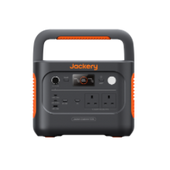
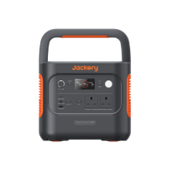
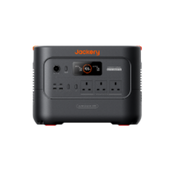
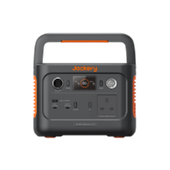
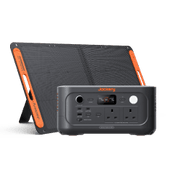
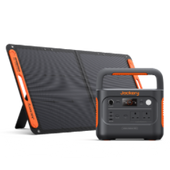
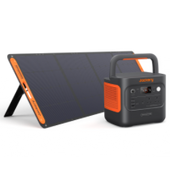
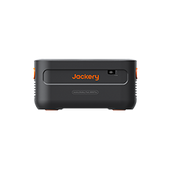
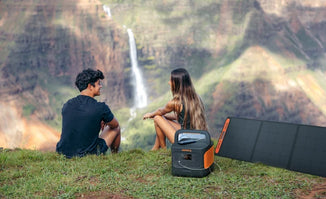
Reliable power is a major advantage when travelling. A Jackery Solar Generator 300 Plus is ideal for charging phones, small appliances, and lighting. For longer or more remote UK trips, a Jackery Solar Generator 500 v2 provides increased capacity for off-grid stays where regular charging points may be limited.

Arranging Gear for Quick Access
Frequently used items -- such as snacks, water, chargers, and torches -- are best placed close to the doors or in seat-back organisers. Less frequently required items can sit deeper in the boot. Packing in layers improves accessibility: heavier camping equipment at the bottom, mid-use gear above that, and quick-reach essentials on top.
Staying organised makes the entire experience smoother and reduces stress when setting up in poor weather or low light.
Maintaining Your Car on the Road
For a smooth car camping UK trip, it's not only important to make the vehicle comfortable but also essential to ensure it is well-maintained so there's no risk of breaking down or running out of fuel. Before setting off, all key components should be checked -- including the brakes, engine, tyres, and lights -- to confirm that everything is functioning properly.
Preparing a simple on-the-road maintenance kit can make a big difference during long journeys. Useful items to include are: replacement oil, spare tyre, window cleaner, brake fluid, jump leads and a compact tyre pump.
Learning a few basic car maintenance skills beforehand is also beneficial. Tasks such as topping up fluids, checking tyre pressure, or changing a wheel can help avoid unnecessary delays. Long road trips should only be attempted when there is confidence in handling minor issues that may arise.
Jackery Solar Generators for Car Camping
Unlike traditional petrol generators, a Jackery Solar Generator is near-silent and produces zero emissions. This is crucial for maintaining the peace and quiet expected at UK campsites, particularly in tranquil areas like the Lake District or the Scottish Highlands. It also makes them safe for use inside your car, tent, or awning.
The UK is increasingly focused on sustainable tourism. Using the accompanying Jackery SolarSaga solar panels to recharge the Portable Power Station is a cleaner, more sustainable way to camp.
Jackery models are generally praised for being highly portable and lighter than similar-capacity units, making them easy to pack and move from your car boot to your pitch. The smaller models (like the Explorer 500 v2 or 300 Plus) are very manageable for simple weekend car camping trips.
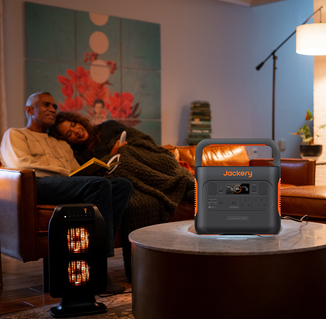
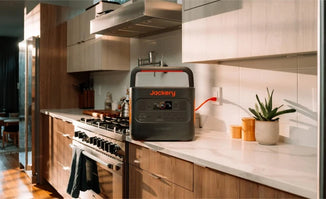
Jackery Solar Generator 500 v2
Choosing the Jackery Solar Generator 500 v2 for car camping in the UK offers a compelling blend of portability, power, longevity, and sustainable energy. It's a modern, clean alternative to traditional generators, well-suited to the demands of UK adventures.

Lightweight and Compact: Weighing just 12.57 lbs/5.7kg and being 29% more compact than comparable models, the Explorer 500 v2 is specifically designed to be easily carried with one hand and fit into tight spaces. This is a crucial advantage for car campers, where boot space is often limited.
Easy to Store: Its streamlined shape and small footprint make it easy to tuck away in a car, campervan, or even under a seat. The robust, flame-retardant, and shock-resistant housing (UL94V-0 compliant) is built to handle the bumps and rigours of road trips and outdoor use.
Exceptional Battery Lifespan: It features an advanced LiFePO₄ (Lithium Iron Phosphate) battery chemistry, offering an industry-leading 6,000 charge cycles to 70%+ capacity. This translates to decades of reliable performance, making it a sound long-term investment.
Extreme Temperature Operation: The unit is designed to operate reliably over a temperature range of -20°C to 45°C. This is perfect for the UK's unpredictable weather, providing dependable power during cold winter trips or frosty mornings. It includes advanced battery protection with a 12-layer BMS (Battery Management System), constant-voltage pure sine-wave output, and multiple safety certifications (UKCA, IEC, etc.) you can trust.
Jackery Solar Generator 300 Plus
The Jackery 300 Plus is specifically designed for portability and shorter trips, making it an excellent fit for weekend getaways and smaller vehicles. The "300 Plus" is defined by its small footprint, ideal when space in a car is limited.

Ultra-Portable Size and Weight: Weighing only around 8.27 lbs (3.75 kg), it's easy to move from your car to the picnic table, tent, or awning. Its small size (approx. 9.1 x 6.1 x 6.6 in) means it won't take up much room in a small car boot or on the back seat.4 This portability makes it perfect for campers who move location frequently.
LiFePO4 (LFP) Battery for Reliability: This is a major upgrade from older models, offering long-term reliability essential for all-weather UK use. The LiFePO4 battery chemistry offers 3,000 charge cycles to 80%+ capacity, significantly outlasting older lithium-ion batteries. This means it will handle years of weekend camping trips.
Excellent Charging Versatility: Given the unpredictable UK sunshine, having multiple fast-charging methods is a huge benefit. It can be fully recharged from a standard UK wall socket in about 2 hours. This is perfect for topping up quickly before leaving home or during an overnight stop with electric hook-up (EHU).
Charges from your car's 12V socket in approximately 5.5 hours while you drive between destinations (e.g., driving from the Peak District to the Yorkshire Dales). The unit uses an MPPT controller to maximise charging efficiency, meaning it can capture more energy even on the partial or cloudy days common in the UK.
Modern, Fast Outputs for Your Devices: Features two 100W USB-C PD ports that fast-charge modern laptops (like MacBooks) or power-hungry tablets, eliminating the need for bulky wall chargers. Provides 300W of continuous power (600W surge), which is clean and safe for sensitive electronics like cameras, drones, and laptops.
Car Camping Tips for Beginners
Getting started with car camping in the UK is exciting, but having the right approach makes all the difference—especially for first-timers. Beyond choosing the right vehicle and packing effectively, taking a few practical steps before and during your trip helps ensure you stay comfortable, safe, and prepared for all kinds of weather and situations.

Tip 1: Safety First
When arranging vehicle camping in the UK, safety is always a top priority. Before you go, check the weather forecast for the place you want to visit, particularly if you're travelling to rural or highland regions where conditions might change fast.
Always inform someone about your intended route and projected return time. On the route, use caution on small roads and keep an eye out for other campers, bikers, and cattle in rural areas. Bringing a simple first-aid kit, high-visibility clothing, and a flashlight may make a significant difference if unforeseen problems develop.
Tip 2: Managing Water Supplies
Clean water is essential on any camping trip. Fill up large containers before you leave and carry spare bottles for drinking, food prep, and cleaning. If you're visiting areas with designated water points—like some campsites or service areas—note their locations in advance so top-ups are easy. Always keep your water containers sealed and stored upright to avoid contamination and spills inside the car.
Tip 3: Showering on the Road
For longer stays, consider using a portable camping shower or the amenities at campgrounds that accommodate car campers. Many larger UK campsites offer hot showers, so organising your breaks around them may make living on the road much more pleasant. If you're wild camping or utilising a rudimentary rest spot, short warm-water bags or bucket showers near your car may keep you refreshed.
Tip 4: Cold Weather and Heating
In the UK, you need the right gear to stay warm when vehicle camping in winter. Warm blankets, insulated sleeping bags suitable for lower temperatures, and thermal layers all help retain body heat.
Always ensure there is sufficient airflow when using a camping heater and follow all safety warnings carefully. Never use heaters in confined rooms without airflow. Bedding and warm socks make a great difference at night, particularly when it becomes very cold.
Tip 5: Lighting and Visibility
It's important to have good illumination inside and outside the car. Headlamps, lanterns, and good camp lights make it easier to cook, set up camp after dark, and move about securely at night. Putting reflective markers or tiny LED lights around your car makes it easier for other campers to see you and helps you find trip hazards in low light.
Tip 6: Power and Charging
One key part of modern car camping is ensuring phones, lights, and other equipment are charged. Portable power options like the Jackery Solar Generator 500 v2 or the Jackery Solar Generator 300 Plus may provide steady power without relying on camping electricity. Solar generators are especially helpful for long stays or when you're parked away from amenities like bathrooms and showers, since they can power lights, charge gadgets, and run small camping gear using stored energy.
Tip 7: Leave No Trace
One of the best tips for beginners is to always follow Leave No Trace principles. Take all rubbish with you, avoid damaging vegetation, and keep noise to a minimum - especially in quiet British countryside locations. This not only preserves the environment but also helps maintain a positive impression of vehicle campers for others to enjoy.
FAQs
The following are frequently asked questions about the car camping in the UK.
1. Are you allowed to camp in your car in the UK?
In the UK, you may camp in your vehicle, but where you park will matter. Most public highways and lay-bys have rules, and several well-known tourist destinations no longer allow overnight stays due to increased traffic and garbage.
The safest and most dependable choice is to remain at approved campsites or parking lots that clearly say they accept overnight parking. You need permission from the landowner before you may stop on private property.
2. Can I sleep in my car for camping?
Sleeping in your car for camping is perfectly fine as long as you're parked somewhere legal and safe. Many people choose car camping as a flexible way to explore the UK without having to book accommodation. Just make sure the area permits overnight parking and that you're not causing an obstruction. It's also good practice to keep essential items nearby, organise your bedding for comfort, and choose a flat, level spot.
3. Do I need to crack the window when sleeping in a car?
It's typically a good idea to crack a window up a little bit for comfort and airflow, particularly to prevent moisture from building up inside the car. Good ventilation keeps the inside from being too damp or stuffy at night. Window vents, wind deflectors, or ventilation curtains may let in air without completely opening the windows if you're worried about safety.
4. Can I legally live in my car in the UK?
You may live in your automobile in the UK, but there are legal and practical limits. You still have to observe parking rules, avoid remaining in prohibited areas for too long, and make sure your car is taxed, insured, and safe to drive. Many municipalities also don't allow people to sleep in their cars on public roadways for extended periods. Authorities normally don't mind if you remain in your vehicle for short periods, but if you live in your car for a long time, they may notice.
Final Thoughts
Car camping in the UK combines comfort, flexibility, and a sense of adventure, making it suitable for both first-time and experienced visitors. Every journey becomes easier and more fun with careful preparation, safe overnight options, and weather-appropriate clothing.
The Jackery Solar Generator may make off-grid camping simpler by allowing you to charge vital electronics, and it guarantees that this basic mode of transportation stays available for many years to come. Above all, respect the environment, leaving no mark and caring for it wherever you go.


