

































The New Forest offers a unique mosaic of ancient woodland, open heathland, and free-roaming ponies that feels worlds away from modern life. However, securing a pitch in this popular National Park can be stressful. This guide provides practical site comparisons, navigation tips, and safety advice to ensure a stress-free trip.
Understanding the Landscape and Local Rules
The New Forest is not a continuous block of dense trees. It is a varied landscape featuring vast open heaths, shaded ancient oak woods, and coastal fringes. This diversity means weather conditions and ground stability can change rapidly depending on where you pitch.
Is Wild Camping Legal in the New Forest?
Wild camping is illegal in the New Forest National Park. This rule is strictly enforced to protect sensitive habitats, ground-nesting birds, and the grazing rights of local commoners. Rangers patrol regularly, and stealth camping risks significant fines.
Where Can You Camp Legally?
You must use authorized campsites. Attempting to camp in car parks or deep in the woods disturbs wildlife and damages the fragile ecosystem. Fortunately, the park offers a wide range of legal options that provide a sense of immersion without breaking the law.
How Should You Interact with Animals?
The defining feature of New Forest camping is the presence of free-roaming animals. Ponies, donkeys, and cattle wander freely through villages, across roads, and often right up to campsite boundaries.
- Do not feed the animals: Human food makes them aggressive and can cause fatal colic.
- No touching: These are semi-wild animals, not pets. They may bite or kick if crowded.
- Right of way: Animals have priority on all forest roads.
What Types of Campsites Are Available?
Selecting the right category of campsite is crucial for your comfort level. The New Forest offers a spectrum of facilities, from luxury holiday parks to back-to-basics pitches.
Full-Facility Sites
Full-facility sites are best for families, first-time campers, and those who require creature comforts. These locations typically offer:
- Hot showers and flushing toilets
- Laundry facilities
- Electric hook-ups
- On-site shops and play areas
If you are new to camping or traveling with young children, these sites reduce logistical stress.
Forestry England Standard Sites
Forestry England standard sites strike a balance between nature and amenities. You will usually find toilets and drinking water, but shower facilities may be limited or non-existent. The pitches are often set within the woodland itself, offering more privacy and a closer connection to the environment than commercial holiday parks.
Wild-Style Managed Pitches
Wild-style sites like Aldridge Hill offer a stripped-back experience for those seeking solitude. These locations have:
- No toilets
- No showers
- No electricity
You must be completely self-sufficient. A chemical toilet is often a mandatory requirement for booking. These sites provide the closest legal alternative to wild camping.
Glamping and Heritage Sites
Several campsites are situated on former WWII airfields, offering unique historical context alongside your stay. For those who prefer not to pitch a tent, bell tents and shepherd's huts are widely available. Always check pitch specifics before booking. Some sites have strict rules regarding hardstanding versus grass pitches, and many restrict dogs to specific areas to protect ground-nesting birds.
How to Choose the Best Campsite Location
Location dictates the tone of your trip. A site deep in the forest offers silence and darkness, while the coastal fringe provides access to beaches and water sports.
Coast vs. Forest: Which Location is Best?
Choosing a site near the Solent coast allows for easy access to sailing and swimming but may be windier and further from the classic woodland walks. Conversely, central forest sites offer immersion in the trees but may be a longer drive to supermarkets or petrol stations.
Why Stay Near a Village?
Staying near Lyndhurst or Brockenhurst provides walkable access to pubs, restaurants, and public transport. These villages serve as the main hubs of the forest. Basing yourself here reduces the need to drive daily, which helps minimize traffic on the narrow forest roads.
When Should You Book?
You must book months in advance for school holidays and bank weekends. New Forest camping is incredibly popular, and highly rated sites often fill up instantly upon release.
Are First-Come-First-Served Sites Risky?
First-come-first-served sites are risky for large groups or families. If you plan to target non-bookable pitches, have a pre-booked backup plan in place. Arriving late on a Friday without a reservation often results in disappointment.
What About Large Vehicles?
Always check pitch limits regarding vehicle numbers and trailer sizes. Many forest campsites have strict regulations to prevent overcrowding and protect the ground. If you are driving a large motorhome, verify that the site has appropriate hardstanding pitches and turning circles.
For more on vehicle-based setups, see our guide to motorhome campsites in the UK which covers pitch requirements in detail.
Driving and Navigation Tips
Driving in the New Forest requires a different mindset. Speed limits are low, and hazards are unpredictable.
How Do You Handle Narrow Tracks?
Drive slowly and be prepared to reverse if you meet oncoming traffic. Many routes to campsites involve single-track lanes with limited passing places. Impatient driving endangers cyclists, walkers, and animals.
Will My GPS Work?
Mobile signal is notoriously patchy across the forest. Do not rely on live GPS for navigation. Download offline maps and save specific site directions before you enter the National Park boundary.
What Gear Do You Need for New Forest Camping?
The right equipment transforms a challenging trip into a comfortable one. The variable weather and specific landscape require careful packing.
What Shelter and Bedding Do You Need?
Waterproofs and layers are essential due to rapid weather changes, even in summer. Sturdy walking boots are necessary for navigating the uneven, often boggy heathland.
How Do You Manage Hygiene?
Bring a chemical toilet and biodegradable toiletries if staying at a basic site. Never dispose of gray water or chemical waste in the forest; use designated disposal points. Water purification tablets are a wise backup for basic sites where tap availability may be limited.
How Should You Store Food?
Secure all food in hard plastic containers or lock it inside your vehicle. Ponies and donkeys are intelligent and persistent; they can open zippers and will tear through canvas if they smell food.
How Do You Get Power Off-Grid?
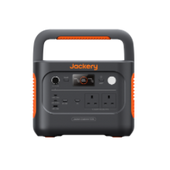
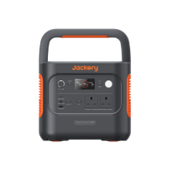
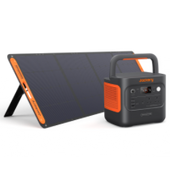
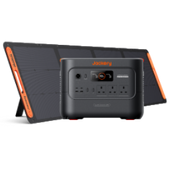
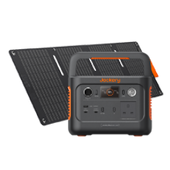
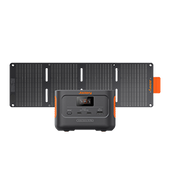
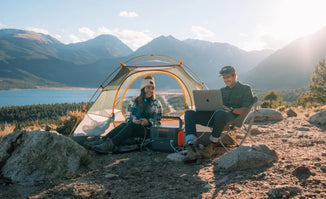
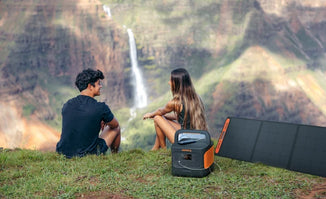
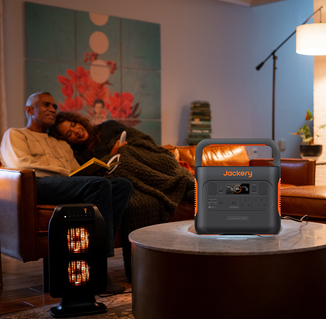
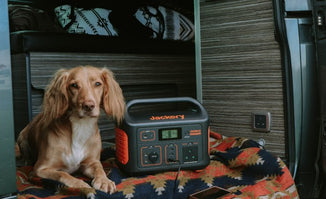
A portable power station ensures you can run essentials without the noise and fumes of a gas generator. For "wild-style" pitches without electric hook-ups, reliable battery power is critical.
Jackery Solar Generator 2000 v2
- Capacity: 2042Wh
- Output: 2200W (Surge 4400W)
- Battery Chemistry: LiFePO4 (4,000 charge cycles / approx. 10 years)
- Noise Level: Under 30dB in Quiet Charging Mode
Jackery Solar Generator 2000 v2 is ideal for families needing to power electric grills, coffee makers, or medical devices. The unit's Quiet Charging Mode respects the profound silence of the forest while keeping your gear running.
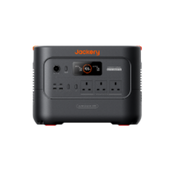
- Capacity: 3072Wh
- Output: 3600W (Surge 7200W)
- Weight: 27 kg (Lightest 3kWh LFP power station)
Jackery Explorer 3000 v2 handles heavy loads like electric heaters or induction cookers. This 3072Wh power station provides substantial power reserves for extended stays off the grid.
Are Campfires Allowed?
Open fires are frequently banned in the New Forest due to the high risk of wildfires on the dry heathland. Use raised BBQs only where explicitly permitted. Check daily fire risk alerts issued by the National Park Authority.
For more tips on managing power without hook-ups, read about off-grid camping in the UK and sustainable energy solutions.
What Are the Best Activities in the New Forest?
The New Forest is a playground for outdoor enthusiasts. Planning your activities helps you make the most of the unique terrain.
Where Are the Best Walks?
Ancient oak groves like those at Mark Ash Wood offer excellent walking routes. Alternatively, take the coastal path near Lymington. Match the route difficulty to your group's fitness level, noting that the terrain is generally flat but can be boggy.
Is the New Forest Good for Cycling?
The forest boasts an extensive network of waymarked gravel tracks. These are perfect for families and casual cyclists. Always give way to horses and pedestrians. Speeding past animals can cause them to bolt.
What Historical Sites Can You Visit?
The National Motor Museum at Beaulieu and the remnants of WWII airfields at Stoney Cross are key historical sites. These locations add educational value and provide context to the landscape you are sleeping in.
When Is the Best Time to Visit?
Spring offers quieter trails and blooming bluebells, but the ground may be wet. Summer guarantees better weather but requires early starts to avoid crowds at popular car parks. Autumn brings spectacular colors and the pannage season, where pigs are released to eat acorns.
Pre-Trip Planning Checklist
Use this checklist to ensure nothing is overlooked before you depart.
- Booking: Confirm pitch type (grass/hardstanding), dog rules, and cancellation policy.
- Packing: Check tent condition, replenish first aid kit, and charge power banks/stations.
- Route Planning: Mark the local vet, hospital, and nearest shop on your offline map.
- Communication: Inform a contact of your itinerary and expected return time.
If you are considering exploring other UK national parks, our Peak District camping guide offers similar planning advice for different terrain.
Frequently Asked Questions
What are the best dog-friendly campsites?
Most Forestry England sites welcome dogs, but they must be kept under control to protect wildlife. Always check specific site rules, as some designated "dog-free" areas exist to protect ground-nesting birds.
Are there public transport options to campsites?
Yes, trains run to Brockenhurst and Ashurst, and the New Forest Tour bus operates during summer. However, reaching remote campsites from these hubs may require a taxi or a long walk.
What wildlife might I encounter at night?
You may hear owls, foxes, and badgers, or encounter ponies grazing near your tent. Keep a respectful distance and ensure all food is locked away to prevent attracting them.


