




















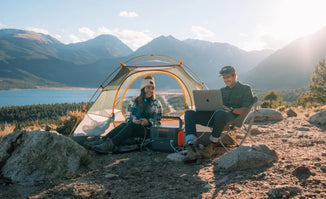








Scotland glamping offers the perfect compromise: wild immersion without the wet sleeping bag. This style of travel balances adventure with security, vital for navigating often limited mobile signal and no mains power while experiencing authentic off-grid camping. Navigating the Scottish Outdoor Access Code (SOAC) is also essential, respecting local communities and wild camping rules. This guide covers regional breakdowns, accommodation types, gear, and off-grid power to ensure your trip is safe and comfortable.
The Allure of Glamping in Scotland
Glamping grants access to dark skies, expansive lochs, and ancient forests without sacrificing essential comforts. You get the view, but you also get a mattress.
Key values for travelers here include sustainability—many sites utilize eco-pods—seclusion, and pet-friendly policies. The trade-off is infrastructure. True remoteness often means relying on solar power or bringing your own energy source. Mobile signal is variable at best, nonexistent at worst.
Top Regions for Glamping
Each Scottish region offers distinct features and logistical challenges. Choose the area that matches your experience level and vehicle capabilities.
|
Region |
Best For |
Key Challenge |
|
Scottish Highlands |
Hikers & Solitude |
Rapid weather changes |
|
Cairngorms |
Wildlife & Stargazing |
Snow gates in shoulder seasons |
|
Isle of Skye |
Photography |
Crowds & GPS failures |
|
Loch Lomond |
Families & First-timers |
Busy during peak season |
|
Speyside |
Whisky Tours |
Quieter than the West Coast |
|
Argyll & Isles |
Island Hopping |
Ferry logistics (CalMac) |
The Scottish Highlands
The Scottish Highlands define rugged beauty with limited services and spotty cell reception. You must bring high-quality waterproof layers, as weather changes rapidly here.
- Use Case: A 3-day stay in a remote pod serves as an excellent base near short hiking routes like those in Glencoe.
- Practical Advice: Stock up on food and fuel before leaving major towns like Fort William or Inverness.
Cairngorms National Park
The Cairngorms offer vast plateaus and ancient pine forests. Many sites here feature eco-huts designed specifically for low environmental impact.
- Practical Advice: Road conditions vary significantly. Check forecasts in shoulder seasons (spring/autumn) as snow gates can close access routes, impacting those planning for skiing in Scotland or winter hiking.
Isle of Skye
Skye is world-famous for the Old Man of Storr and the Fairy Pools. Consequently, expect crowds at viewpoints during peak months.
- Use Case: Book a digital detox in an island cabin. Pack physical maps as backup navigation, as GPS often fails in the island's interior.
Loch Lomond & The Trossachs
Located just an hour from Glasgow, Loch Lomond offers accessible nature with nearby facilities. It is the ideal region for first timers who want a safety net of amenities and organized activities.
Speyside & Aberdeenshire
Speyside is generally quieter than the West Coast. Highlights include coastal stays near dramatic cliffs, famous castle trails, and proximity to whisky distilleries.
Argyll & The Isles
Argyll requires logistical planning. You must pre-book ferries (CalMac) months in advance. Expect limited shops on smaller islands like Mull or Islay; self-sufficiency is key.
Diverse Glamping Accommodations
Off-grid varies from zero electricity and water to solar-powered luxury. Define your comfort level before booking.
Top-Rated Glamping Sites
Prioritize location and weatherproofing over cosmetic interiors. Insulation and heating are non-negotiable in Scotland, even in summer.
- Access Check: Verify if a 4x4 is required. Many of the best sites are at the end of rough farm tracks.
- Booking Tip: Book direct with owners. Third-party sites often miss critical details about facility access and pet rules.
Luxury Glamping Pods
Expect insulated shells, wood burners, private decks, and occasionally hot tubs.
- Power Reality: Verify if off-grid means solar or a noisy diesel generator. Check for USB charging points.
- Value: Premium prices are justified only by outstanding views or total seclusion, not just a hot tub.
Family-Friendly Glamping
Prioritize safe, level pitches and indoor space for rainy days. Proximity to toilets and showers is crucial for younger children.
- Location: Look for sites near short trails or beaches to keep mixed-ability groups entertained without driving.
- Amenities: On-site shops or firewood supplies reduce packing stress significantly.
Unique Formats (Yurts, Treehouses, Bothies)
- Treehouses: Check accessibility. Steep steps and luggage restrictions are common.
- Yurts: Excellent ambiance but check insulation quality. Canvas cools down instantly when the fire goes out.
- Bothies: These are basic stone shelters with no facilities. They require full camping gear and strict leave no trace etiquette.

Activities and Experiences
Match your activities to the weather, not the calendar. Always have a bad weather contingency plan, such as a distillery tour or a castle visit.
- Water Activities: Wild swimming is popular, but lochs are freezing year-round. Wetsuits are recommended. Paddleboarding is excellent on calm days, but wind speeds pick up quickly on open water.
- Wildlife: Book distillery tours in advance. Early morning or dusk are the best times for spotting red deer or golden eagles.
- Dark Skies: Galloway Forest Park and remote areas of the Highlands offer world-class stargazing due to low light pollution.
Essential Gear and Preparation
Your gear determines your comfort. Cotton kills; avoid it.
Layering System
A proper layering system is critical for Highland weather:
- Base Layer: Merino wool to wick moisture away from the skin.
- Mid-Layer: Fleece or down jacket for insulation and heat retention.
- Outer Shell: High-quality waterproof jacket (not just water-resistant) to block wind and rain.
Footwear & Storage
Waterproof hiking boots are essential for the boggy terrain. Bring dry camp shoes or slippers strictly for inside the pod to keep the sleeping area clean. Use dry sacks for electronics, sleeping bags, and spare clothes to protect against condensation and leaks.
Midge Defense
From late spring to late summer, the Highland midge is a formidable pest. Smidge (repellent) and fine-mesh head nets are mandatory. They are most active at dawn and dusk on still days.
Safety
Carry a physical map (Ordnance Survey) and compass. Do not rely solely on phones; batteries drain faster in the cold and signal is unreliable. A basic first-aid kit is essential.
Portable Power & Off-Grid Energy
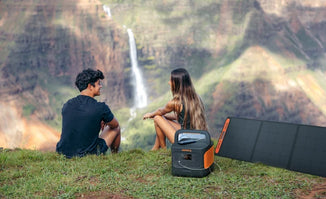
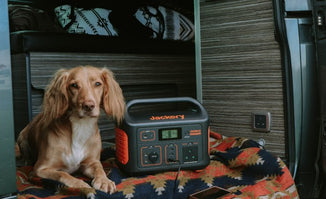
Many off-grid sites offer zero power sockets. To run lights, charge devices, and power comfort appliances like kettles or heaters, you need a reliable independent power source.
Estimating Your Power Needs
- Moderate Use (1500–2000Wh): Phones, cameras, LED lighting, and a portable fridge.
- Heavy Use (3000Wh+): Electric cooking, portable heaters, hair dryers, or extended family stays.
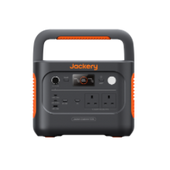
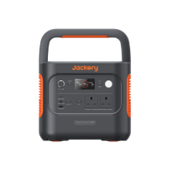
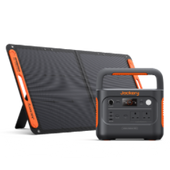
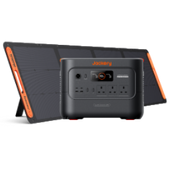
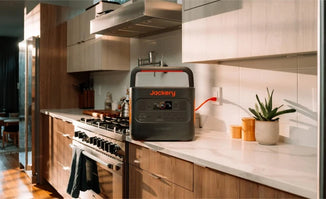
Recommended Power Solution: Jackery Solar Generator 2000 v2
The Jackery Solar Generator 2000 v2 offers a substantial 2042Wh capacity.
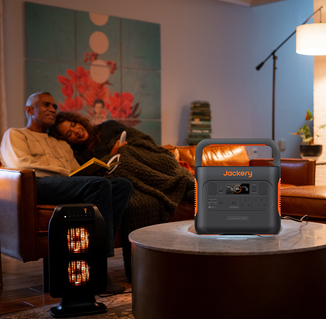
- Capability: The unit powers a 1120W coffee maker or an 1800W portable heater comfortably, ensuring warm mornings.
- Portability: At 17.5 kg, the Explorer 2000 v2 is the lightest 2kWh LiFePO4 model available, making it manageable for car-to-pod transport.
- Quiet Operation: This generator runs under 30dB in Quiet Charging Mode, preserving the peaceful glamping atmosphere.
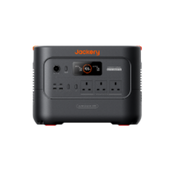
Extended Stay Power: Jackery Solar Generator 3000 v2
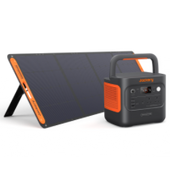
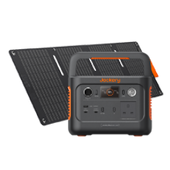
For longer trips or larger groups, the Jackery Solar Generator 3000 v2 provides 3072Wh.
- Capability: This high-capacity unit powers 99% of appliances, including electric grills or kettles for larger groups.
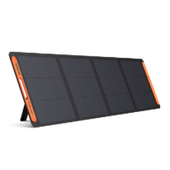
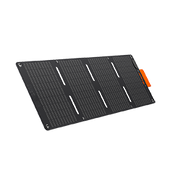
- Solar Charging: Essential for multi-day off-grid trips. Align your solar panel wattage with your daily consumption to stay powered indefinitely.
Planning Your Scotland Glamping Adventure
Timing: Late spring (May) and early autumn (September) offer the best balance of decent weather and fewer midges. Summer is warmer but crowded and insect-heavy.
Itineraries: Base yourself in one spot for 2-3 days. Driving on single-track roads takes twice as long as expected; minimize driving fatigue.
Booking: Secure ferries and popular sites months in advance. Summer availability vanishes by early spring.
Access Code: Adhere strictly to the Scottish Outdoor Access Code. It grants access rights but imposes responsibilities regarding livestock and environment.
Fire Safety: Use raised fire pits only where permitted. Never leave fires unattended and never light fires on peaty ground, which can smolder underground for days.
Cost, Value and What to Expect
Pricing: Expect to pay premiums for seclusion, views, and unique structures. A basic pod might cost £60/night, while a luxury ensuite pod can exceed £150/night.
Hidden Costs: Factor in firewood (often £10/bag), bedding rental (if not included), and ferry tickets.
Saving Tips: Travel midweek or in shoulder seasons for lower rates. Bring your own bedding and cooking gear to avoid rental fees.
Real-World Glamping Scenarios
- Family Weekend: Coastal pod stay. Use the Jackery Solar Generator 2000 v2 to power a portable fridge for fresh food and inflate paddleboards effortlessly.
- Remote Work/Detox: 4-day Highland cabin. The Jackery Solar Generator 3000 v2 powers a laptop and a small electric stove, allowing for a complete office setup in the wild.
- NC500 Stopover: One-night luxury pod. Focus on quick setup. Enjoy the view, sleep, and move on.
- Bothy Adventure: Hike-in stay. This requires lightweight gear. Leave heavy power stations in the vehicle and rely on small power banks.
Responsible Glamping & Leave-No-Trace
Waste: Pack out everything. This includes food waste and bathroom trash if facilities aren't provided. Bin it applies even to biodegradable items like banana peels, which take years to decompose in the cold climate.
Respect: Keep noise levels low. Sound travels far over water and in valleys. Respect the privacy of nearby residents and wildlife.
Environment: Do not cut trees for firewood. Use designated fire spots only to protect the fragile soil.
Pre-Trip Planning Checklist
- Pre-Trip: Check weather and midge forecast. Download offline maps. Share itinerary with an emergency contact.
- Gear: Waterproofs, layers, midge net, first aid kit, headlamp, and a portable heat pump or Jackery Solar Generator 2000 v2.
- On-Site: Locate the water source immediately. Check signal strength. Identify the nearest emergency help point.
Conclusion
Successful scotland glamping relies on preparation for weather and realistic expectations of off-grid. It is not a hotel experience; it is nature with a safety net. Choose the right region and accommodation for your skill level. With the right gear—specifically reliable waterproofing and power like the Jackery Solar Generator 2000 v2—the Highlands offer an unforgettable escape.
Frequently Asked Questions
How do I find truly off-grid sites that match my comfort level?
Look for detailed descriptions of power sources (solar vs. generator) and water facilities directly on the booking site or by contacting the owner.
What if I encounter an emergency with no mobile signal?
Always carry a physical map, a fully charged power bank for your phone, and consider a satellite communication device for remote areas.
Can I bring my own portable toilet for extra convenience?
Check with the glamping site owner, as waste disposal regulations for portable toilets vary and must be handled responsibly.
Are there any specific apps recommended for navigating or weather updates in remote Scottish areas?
Download offline maps like OS Maps or Maps.me before your trip and check the Mountain Weather Information Service (MWIS) website for detailed forecasts.
How can I minimize my environmental impact beyond leave no trace principles?
Choose glamping sites with certified eco-credentials, reduce water consumption, and support local businesses for food and supplies.


