
























































Bluebell season in the UK typically runs from April into May, bringing a wave of vibrant colour that sweeps across the countryside. These delicate flowers are only in bloom for a few weeks, so it’s important to make the most of this short but magical period. There’s nothing quite like taking a walk through ancient woodlands just as the bluebells begin to emerge, creating a breathtaking natural spectacle.
In this guide, we’ll explore when to visit Bluebell Woods for the best displays, whether it is illegal to pick bluebells in the UK, and the different types of bluebells you may encounter. You’ll also discover the top 10 places to see bluebells in the UK, along with helpful tips for visiting responsibly and protecting these fragile flowers.
To make your outdoor adventure even more enjoyable, we’ll also recommend using a Jackery Portable Power Station to keep your devices charged during hiking, picnics, and spring photography trips.
|
Key Takeaways: |
|
When Is the Best Time to See Bluebells in the UK?
The best time to see bluebells in the UK is usually from mid-April to early May, when woodlands across the country are covered in vibrant blue flowers. The exact timing can vary slightly depending on weather and sunlight, but this period generally offers the most spectacular displays.
Bluebells tend to bloom at slightly different times across the UK:
- Southern England: Late March to mid-April
- Central England and Wales: Mid-April to late April
- Northern England and Scotland: Late April to early May
Warmer spring temperatures can cause bluebells to bloom earlier, while colder weather may delay their blooming.
Bluebells bloom before the tree canopy fully develops. During early spring, sunlight can still reach the woodland floor, providing the ideal conditions for these flowers to grow and spread. Once trees become fully leafed out later in the season, the reduced light causes the flowers to fade.

Is It Illegal to Pick Bluebells in the UK?
Yes, it can be illegal to pick bluebells in the UK, depending on the situation and the type of bluebell involved. The native British bluebell, Hyacinthoides non-scripta, is a protected species under the Wildlife and Countryside Act 1981.
This may appear to be an overly extreme measure; however, bluebells are legally protected, and you must exercise caution to avoid incurring a substantial fine. If you are discovered picking bluebells in a public park or woodland, the penalty can vary from £5000 to imprisonment.
It is also illegal to uproot the bluebells, despite their rapid growth, and it can result in legal consequences. This is not solely for you as a visitor; the landowner is also prohibited from selling the flowers or digging up the bluebell bulbs.
Can You Pick the Flowers?
Technically, picking the flowers themselves for personal use is not usually illegal if they grow on land where you have permission to be, and if you do not uproot the plant. However, it is strongly discouraged because picking flowers can damage the plant and reduce its reproductive capacity.
Why Bluebells Should Be Left Alone?
Bluebells are delicate woodland plants that take years to establish and spread. Large numbers of visitors picking flowers or stepping off trails can quickly damage entire patches.
For this reason, nature organisations encourage visitors to:
Leave bluebells untouched.
Stay on marked paths.
Avoid trampling flower carpets.
Take photos instead of picking them.
What Are the Types of Bluebells in the UK?
There are three main types of bluebells found in the UK. While many people refer to them as “bluebells,” these flowers actually belong to different species.
Native British Bluebell
The native British bluebell, Hyacinthoides non-scripta, is the most iconic and ecologically important bluebell species in the UK.
Key characteristics:
- Deep violet-blue flowers
- Narrow petals that curl backwards
- Flowers grow mostly on one side of the stem
- Strong, sweet fragrance
This species is native to the UK and thrives in ancient woodlands. In fact, the UK hosts around half of the world’s native bluebells, making their protection extremely important.
Spanish Bluebell
The Spanish bluebell, Hyacinthoides hispanica, was introduced to the UK as a garden plant and has spread into some natural areas.
Key characteristics:
- Larger, paler blue flowers
- Bells appear all around the stem rather than on one side
- Wider leaves
- Very little fragrance
Spanish bluebells are hardy and can spread quickly, sometimes competing with the native species in gardens and nearby woodlands.
Hybrid Bluebell
A third type found in the UK is the hybrid bluebell, Hyacinthoides × massartiana, which forms when native and Spanish bluebells cross-pollinate.
Key characteristics:
- Flowers may grow partly around the stem
- Petals are less curved than the native species
- Colour varies from pale blue to purple
- Mild or weak scent
Hybrid bluebells are becoming increasingly common and can gradually replace native bluebells if they spread widely.
TOP 10 Places to See Bluebells in the UK
There are numerous Bluebell Woods in the UK that residents keep secret, revealing them only occasionally. Nevertheless, numerous organisations and locations provide the public access to their bluebell woodlands, thereby enhancing the overall experience.
Here are 10 of the best places to see bluebells in the UK, covering England, Scotland, Wales, and Northern Ireland.

1. Ashridge Estate – England
Location: Hertfordshire, England
Opening Time: Estate open daily (24 hours for most walking areas; visitor centre typically around 10:00–17:00)
Notable Feature: Bluebell woodlands (April–May)
Ashridge Estate is one of the most famous bluebell locations in England. Its woodland area, called Dockey Wood, is particularly well known for spectacular carpets of bluebells in spring. The estate covers about 5,000 acres of woodland and chalk hills, with over 80 miles of walking trails and roaming deer.
Visitors can explore scenic forest paths, historic landmarks like the Bridgewater Monument, and wildlife-rich woodland habitats.
2. Winkworth Arboretum – England
Location: Godalming, Surrey
Opening Time: Around 10:00–16:00 daily (seasonal variations)
Known for: Autumn foliage and spring bluebells
This National Trust arboretum is famous for its spring colour displays, including magnolias, azaleas, and beautiful bluebell woods. It contains more than 1,000 tree and shrub species and offers scenic walking routes through woodland valleys. The site is family-friendly and includes a café, visitor facilities, and guided woodland walks.
Seasonal highlights—especially the autumn colour trail—attract photographers and families. The arboretum also hosts guided walks and educational programs linked to plant science and landscape design.
3. Heartwood Forest – England
Location: Hertfordshire, England
Opening Time: Open all day; car parks generally open 8:00–20:00
Area: Over 850 acres (approximately 347 hectares)
Heartwood Forest is the largest new native forest in England, created by planting around 600,000 trees. Every spring, the ancient woodland areas burst into colour with vast carpets of bluebells. Visitors can enjoy cycling routes, wildlife spotting, and peaceful woodland walks.
Heartwood Forest offers open access with miles of walking, cycling, and horse-riding trails. It features community woodlands, sculpture trails, and seasonal wildflower displays, attracting visitors for leisure, education, and volunteering.
4. Castle Ward Estate – Northern Ireland
Location: Strangford, County Down
Opening Time: Estate grounds generally open 09:00–17:00
Notable for: Filming site for Game of Thrones (Winterfell scenes)
Castle Ward Estate features woodland trails along the shores of Strangford Lough. During spring, the woodland paths become filled with bluebells and other seasonal flowers. The estate is also known as a filming location for Game of Thrones. Visitors can explore historic gardens, coastal views, and walking trails.
Castle Ward attracts visitors for its heritage architecture, scenic beauty, and cultural events. The property gained renewed fame when parts of its farmyard were used as Winterfell in the HBO series Game of Thrones, enhancing tourism in Northern Ireland.
5. Bodnant Garden – Wales
Location: Conwy, North Wales
Opening Time: Typically 09:30–17:00
Managed by: National Trust
Bodnant Garden is a famous historic garden known for its seasonal flowers and woodland walks. The estate includes large areas of woodland where bluebells bloom beneath trees during spring. Visitors can enjoy waterfalls, terraces, and views across the Snowdonia mountains.
Bodnant Garden exemplifies late Victorian horticultural ambition and stewardship. Its design integrates art, science, and environmental sensitivity, offering educational programs and seasonal events.
6. Dinefwr Park and Castle Woods – Wales
Location: Carmarthenshire, Wales
Opening Time: Grounds usually open 10:00–17:00
Dinefwr Park combines historic landscapes with wildlife-rich woodlands. Its ancient woodland areas host impressive bluebell displays each spring. The reserve also supports deer, birds, and other wildlife. Visitors can explore castle ruins, riverside trails, and large open parkland.
The site is protected for both its ecological and historical value. Conservation efforts focus on restoring native woodlands and maintaining species-rich grasslands. Visitors can explore trails through Castle Woods, visit Newton House, and enjoy panoramic views from the castle ruins, making Dinefwr one of Wales’s most atmospheric heritage landscapes.
7. Glen Finglas – Scotland
Location: Near Callander, Scotland
Opening Time: Open daily (daylight hours)
Notable for: Lochs, ancient woodlands, upland grazing, walking trails
Glen Finglas lies within the Loch Lomond and The Trossachs National Park and offers stunning views of mountains, forests, and lochs. In spring, bluebells appear across woodland areas, creating colourful carpets in the landscape. The landscape features remnants of shielings and traditional hill farms, illustrating centuries of seasonal pastoralism.
A network of well-marked trails provides routes for walking, cycling, and wildlife watching. The Great Trossachs Path crosses Glen Finglas, linking Loch Lomond and Callander.
8. Corsehillmuir Wood – Scotland
Location: North Ayrshire, Scotland
Opening Time: Open daily (daylight hours)
Notable Flora: Bluebells, oak, birch, beech, and rowan
The wood features a mix of mature broadleaf species forming a diverse canopy and a rich ground flora. Bluebells dominate in late spring, creating the characteristic violet-blue display that attracts visitors and photographers. The habitat supports woodland birds, bats, and invertebrates typical of lowland Scottish woods.
It is especially popular with photographers and nature lovers during peak bloom. The wood offers circular walking paths linking the Stewarton neighbourhoods with nearby countryside. It serves as an informal outdoor classroom and relaxation area, especially popular during bluebell season.
9. Skomer Island – Wales
Location: Pembrokeshire coast, southwest Wales
Visiting Time: Day visits usually begin around 10:00 and end around 15:00–16:00, depending on ferry schedules
Opening Season: Typically April to September (exact dates vary each year)
Skomer Island is one of the most spectacular wildlife destinations in the UK and a wonderful place to see spring wildflowers, including bluebells. The island lies just off the Pembrokeshire coast and is managed by the Wildlife Trust of South and West Wales. Visitors reach the island by boat from Martin's Haven.
During late spring, parts of the island become covered with colourful wildflowers, including bluebells, campion, and thrift. The combination of coastal scenery, ocean views, and flowering meadows makes Skomer a very special place for nature lovers.
10. Bluebell Woods, Gorleston – England
Location: Gorleston-on-Sea, Norfolk, England
Opening Time: Open daily during daylight hours
Bluebell Woods in Gorleston is a charming woodland near the Norfolk coast, known for its dense spring carpet of native bluebells. Each year, from mid-April to early May, visitors flock to this peaceful forest to experience the vibrant blues and purples of the blooming flowers. The woodland offers a quiet retreat from nearby towns, making it a perfect spot for families, photographers, and nature enthusiasts.
The woods feature ancient trees and shaded walking paths, creating the ideal environment for bluebells to flourish. Visitors can enjoy easy, family-friendly walks, making it accessible for children and seniors alike.
Practical Tips for Visiting Bluebell Woods
Bluebell woods are a beautiful spring attraction, but these delicate flowers are easily damaged. Following practical tips ensures you can enjoy the experience while protecting the environment and staying safe.

Tip 1: Visit at the Right Time
The peak bloom for bluebells is usually mid-April to early May, depending on location and weather. Southern England may bloom slightly earlier, while Scotland and Northern Ireland might bloom later. Checking local wildlife trust updates or park websites can help you plan the perfect day for peak flower displays. Visiting at the right time ensures you see the full carpet of vibrant blue flowers before they start fading.
Tip 2: Stick to Marked Paths
Bluebells are fragile, and trampling can kill them or prevent future growth. Always follow designated trails and paths, especially in crowded woods. Staying on the paths also helps prevent soil erosion and protects other wildlife habitats in the forest. If walking with children, make sure they understand the importance of not straying into flower areas.
Tip 3: Take Photos, Not Flowers
While bluebells are beautiful, picking them is strongly discouraged and can be illegal in some areas. Picking flowers damages the plants and ruins the display for others. Instead, take photos or make sketches to preserve memories. Using a smartphone or camera, you can capture the natural beauty without harming the environment.
Tip 4: Wear Appropriate Clothing and Footwear
Woodland floors can be muddy, uneven, or slippery, even in spring. Wear sturdy walking shoes or boots for grip and ankle support. Dress in layers, including a waterproof jacket if the weather is uncertain, so you stay comfortable while walking through shaded or exposed areas. Long trousers also help prevent scratches and tick bites.
Tip 5: Stay Hydrated and Bring Snacks
Exploring woodland areas can take several hours, especially with children. Carry water bottles for everyone, along with small snacks or sandwiches. Healthy snacks help maintain energy levels, particularly for younger children or long walks. Keeping hydrated also helps you fully enjoy the experience without fatigue or discomfort.
Tip 6: Bring a Portable Power
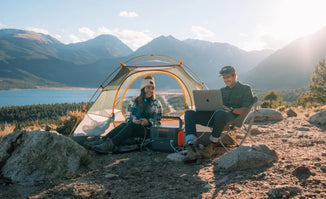
A Jackery Portable Power Station is ideal for keeping devices charged while exploring remote bluebell woods. It allows you to:
- Charge smartphones for navigation or emergencies.
- Power cameras or drones to capture the scenery.
- Keep lights or small appliances ready for picnics or evening walks.
Portable power ensures you can enjoy photography and safety features without worrying about running out of battery.

Tip 7: Respect Wildlife and Travel Responsibly
Bluebell woods are home to birds, small mammals, and insects. Avoid disturbing animals, keep dogs on leads, and teach children to observe wildlife quietly. Feeding animals or leaving scraps can be harmful, so always follow local wildlife guidance.
Many bluebell woods are in National Trust areas or nature reserves. Always park in designated areas, avoid blocking roads, and carry all litter home if bins aren’t available. Responsible travel protects the woodland for future visitors and maintains the beauty of the bluebell carpets.
Jackery Portable Power Stations for Outdoor Activities
When you’re heading outdoors, no matter for a walk in bluebell woods, a family picnic, a camping trip, a festival, or a long hike, having a reliable power source can make your adventure more comfortable, safe, and enjoyable. Jackery Portable Power Stations stand out as one of the best options for outdoor power.
Unlike power banks designed only for phones, a Jackery Portable Power Station delivers real electricity (AC, USB, and DC) to multiple devices at once. Besides, unlike traditional petrol generators, Jackery units are silent and emission-free, making them excellent for outdoor environments where noise and fumes would be disruptive, such as woodland walks, campsites, or family picnic areas.
Jackery Explorer 300D
Jackery Explorer 300D Portable Power Station is a compact portable power solution designed for lightweight travel, short outdoor trips, and charging modern electronic devices. Compared with larger power stations, it focuses on portability, efficiency, and fast charging, making it ideal for family day trips and short camping adventures.

288Wh Capacity with 300W Output
With its lightweight 2.5 kg design, 3× USB-C, 1× USB-A, and car socket, this power station can deliver 288Wh of energy, which is equivalent to up to nine power banks, and has a maximum output of 300W. It keeps laptops, drones, and other devices fuelled simultaneously for travel, camping, and daily backup.
Continue Your Adventure, Charge Without Limits
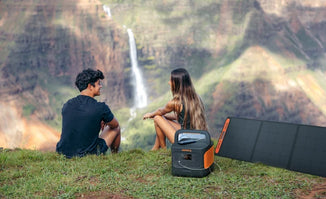
Connect the E300D power bank to the small, foldable 40W solar panel for convenient, intelligent recharging on-the-go. It provides consistent solar energy wherever your journey takes you because to its small size, durability, and ease of attachment to a bike or backpack.
Two-in-one cable. Simply grab and go
With the unique 2-in-1 carry-and-charge cable, you can streamline your on-the-go power. You can take this E300D, walk around freely, and keep all of your devices charged and connected wherever you go because it is strong enough to support up to 10 kg and functions as both a durable handle and a 140W fast-charging cable with data transmission integrated in.
Nearly 0 dB. Silent Power
This quiet power station is much more powerful than a typical power bank and much quieter than traditional units thanks to its completely fanless design, which allows for whisper-quiet, nearly 0 dB operation. Take advantage of robust, dependable energy for both day and nighttime use without interfering with your sleep, concentration, or peace of mind at camp.
Jackery Explorer 100 Plus
The Jackery Explorer 100 Plus is a lightweight, compact portable power station designed to deliver reliable off-grid power for outdoor adventures. It’s perfect for family day trips, nature walks, picnics, photography outings, and scenic explorations—especially activities like visiting bluebell woods across the UK where mains power isn’t available.

100 Wh Capacity — Ideal for Essential Power Needs
The Jackery Explorer 100 Plus is equipped with a 99.2Wh battery, which means it can store enough energy to charge or power small electronic devices multiple times during a day outdoors.
- Charge a smartphone 4–6+ times.
- Power a camera or GoPro for extended photo sessions.
- Run USB lights or headlamps after dusk.
- Charge tablets or small devices for navigation and apps.
This capacity strikes a great balance between portability and usefulness, giving you enough power without adding bulk — perfect for day trips like bluebell wood walks where large appliances aren’t needed.
Power for Many Devices at Once
The Explorer 100 Plus includes versatile output options so you can power several devices at the same time:
AC outlet (110 W): for small plug-in devices.
USB-C port: fast charging for phones, tablets, and modern gadgets.
USB-A ports: for accessories like LED lights, speakers, or portable fans.
Instead of carrying multiple chargers or sharing one device’s port, you can plug in more than one device simultaneously, great for families or travelers with several electronics.
Multiple Ways to Recharge
MPPT technology ensures 99% solar charging efficiency. It takes 1.8 hours for a full DC input and 2 hours of solar charging with one SolarSaga 100W Solar Panel. Combined with car charging and other charging methods, Jackery has you covered for all situations, and in power outages!
Outdoor Durability, Shock-Resistance, and Fire-Resistance
Explorer 100 Plus is made of UL 94V-0 Rated flame-retardant material, with Class 9 impact resistance, in compliance with UL safety standards, and is protected against drops (3 drops, at 0.9m). This product is also UL Certified and equipped with high-temperature protection at 60°C.
|
Feature |
Jackery Explorer 300D |
Jackery Explorer 100 Plus |
|
Battery Capacity |
288Wh (15Ah / 19.2V DC) |
99.2Wh |
|
Battery Cell |
LiFePO4 4000 cycles to 70%+ capacity |
LiFePO4 2000 cycles to 80%+ capacity |
|
Output Power |
140W |
100W |
|
Weight |
2.5 kg |
2.13 lbs (0.965 kg) |
|
Dimension |
11.86 x 12.02 x 18.3 cm |
4.96 x 3.41 x 3.43 in (12.6 x 8.65 x 8.7 cm) |
|
Ports |
USB-A Output: 15W Max, 5V⎓3A USB-C Output: C1: 140W Max, 5V⎓3A, 9V⎓3A, 12V⎓3A, 15V⎓3A, 20V⎓5A, 28V⎓5A C2: 140W Max, 5V⎓3A, 9V⎓3A, 12V⎓3A, 15V⎓3A, 20V⎓5A, 28V⎓5A C3: 65W Max, 5V⎓3A, 9V⎓3A, 12V⎓3A, 15V⎓3A, 20V⎓3.25A Car Port: 12V⎓10A max |
USB-A Output: 1 Port, 18W Max, 5V⎓3A, 9V⎓2A, 12V⎓1.5A USB-C Output: 2 Ports, 100W Max, 4.5V⎓5A, 5V⎓3A, 5V⎓4.5A, 9V⎓3A, 12V⎓3A, 15V⎓3A, 20V⎓5A |
|
Noise Level |
0 dB (fanless design) |
Low noise |
|
Best Use |
Lightweight trips & device charging |
One-day trip or nature exploring |
Do Bluebells Flower Every Year?
Bluebells are perennial plants that bloom annually once they reach maturity. If a bluebell colony is destroyed, it may take between five and seven years to reach the flowering stage. Consequently, the period of time before they bloom again will be prolonged and sluggish if the area is replanted.
If the foliage is damaged, bluebells will die back, as they are unable to photosynthesise. Additionally, they are susceptible to destruction when trampled. This implies that they will not bloom for the remainder of the season and may be permanently destroyed.
When visiting a bluebell wood, it is crucial to stay on designated paths. Always seek out areas where the landowner has made a clearing within the bluebells or bends in the path if you wish to capture a photograph of someone "within" the bluebells.
FAQs
The following are frequently asked questions about the bluebell woods in the UK.
1. Where can I see bluebells in the UK?
Cheshire: Warburton's Wood, Poors Wood, Pumphouse Wood, Marbury Reedbed, Owley Wood, Swettenham Meadows & the Quinta.
Cumbria, Barkbooth Lot, Dorothy Farrer's Spring Wood.
Durham, Baal Hill Wood, High Wood.
Lancashire: Aughton Woods, Boilton Wood.
Sheffield, Moss Valley Woodlands, Greno Woods.
2. What is the best time to visit Badbury Clump?
Every year, more and more people visit Badbury to enjoy the carpet of bluebells amongst the beech trees in the area known as Badbury Clump - once an Iron Age hillfort. Usually flowering in April, they're a welcome sign that spring is well under way and the warmer days of summer aren't far off.
3. Are bluebells still out in June?
Bluebell meadows thrive in old-established broadleaved woodlands where the trees are wide enough apart to allow light to reach the ground. The bluebell native to Scotland (Hyacinthoides non-scripta) flowers from April to June. The flowers are always blue, with 6 bell-shaped lobes that curl back fully.
Final Thoughts
Exploring the UK’s bluebell woods is one of the most magical ways to enjoy springtime nature. To make the experience truly memorable, preparing properly with the right gear is essential—from sturdy footwear, snacks, and water to sun and insect protection.
A Jackery Portable Power Station, like the Explorer 100 Plus or 300D, adds another layer of convenience and safety, keeping phones, cameras, and other devices charged while off-grid.


