

































The sudden silence is the first thing you notice. The hum of the refrigerator stops, the lights go out, and the Wi-Fi signal vanishes, cutting you off from the digital world. A national grid power cut brings immediate disruption, leaving you without heating, internet, and the ability to cook or keep food fresh.
This guide helps you to navigate a national grid outage and prepare your home for this sudden event, ensuring you and your family remain safe and comfortable.
Understanding Power Cuts in the UK
What Are the Common Causes of Outages?
Power cuts in the UK stem from various sources, including:
· Severe weather: Storms and high winds are frequent culprits.
· System faults: Equipment failure within the network can lead to outages.
· Planned maintenance: Distribution Network Operators (DNOs) schedule these to maintain infrastructure.
· Emergency planned cuts: The National Energy System Operator (NESO) may implement rota load disconnections as a last resort to balance supply and demand.
How Do Outages Impact Household Utilities?
An outage can affect more than just your lights, impacting:
· Heating systems: Gas boilers and heat pumps often rely on electricity to operate.
· Communication: Internet and mobile phone services can be disrupted.
· Water supply: Even mains water supply can be affected if pumps require electricity.
What Is the Role of the National Energy System Operator (NESO)?
The NESO balances electricity supply and demand across the UK. They communicate system warnings, such as Electricity Margin Notices and Capacity Market Notices. These warnings are routine and do not always indicate an immediate power cut.
How to Instantly Check for a National Grid Power Cut
When the power goes out, your priority is to get information. Knowing whether the issue is widespread or isolated to your home is crucial for deciding your next steps.
Call the National Power Cut Helpline
The fastest way to get information is to call 105. This is a free, nationwide number that connects you directly to your local Distribution Network Operator (DNO)—the company responsible for the power lines and infrastructure in your area. It is essential for reporting unexpected power cuts.
Have Your Postcode Ready
To get a quick status update or report a new outage, you will need to provide your postcode. This allows the DNO to pinpoint your location and give you the most accurate information available. Keep your postcode handy before you make the call.
Use Online Resources and Maps
Every DNO maintains a live online map showing current outages.
· PowerCut105.com: This site helps you find relevant contact information for your DNO.
· DNO websites: Search for "[Your DNO's Name] power cut map" to find real-time updates, the number of properties affected, and estimated restoration times.
· Utility provider sites: Check specific utility provider sites for updates.
Verify the Outage Locally
Before calling, take a quick look outside. If your streetlights are off and your neighbours' homes are also dark, it confirms a wider national grid outage. If their lights are on, the problem is likely isolated to your property, and you should check your fuse box or trip switch. Checking with neighbours helps determine if the outage is localized to your property or widespread.
Can I Get Updates on Social Media?
Follow your local DNO on social media for real-time information. While some DNOs post updates on social media, always treat this information with caution. Only trust official, verified accounts from your network operator.

Your Essential Blackout Emergency Kit
A well-stocked emergency kit is your first line of defence during a blackout. Having these items ready means you can navigate the first few hours and days of an outage without stress.
|
Category |
Recommendations |
|
Lighting Solutions |
• Battery-operated or wind-up torches/flashlights with spare batteries. |
|
Communication |
• Mobile phones: Keep them fully charged, along with power banks. |
|
Food and Water |
• Store a 72-hour supply of non-perishable food and water. |
|
Medical and Personal Items |
• First aid: A first aid kit with essential medications is vital. |
|
Financial and Important Documents |
• Cash: Have cash in small denominations. |
Step-by-Step: How to Prepare Your Home for a Power Cut
Proactive preparation can transform a potential crisis into a manageable inconvenience. Taking these steps today will provide security and peace of mind when a national grid power cut occurs.
Register for the Priority Services Register (PSR)
If your household includes someone who is of pensionable age, has a disability, or relies on medical equipment, you should sign up for the Priority Services Register (PSR). This free service from your DNO and energy supplier offers extra support during an outage, including advanced notice of planned work and priority reconnection. You can register through your DNO's website or by calling them directly.
Proactive Device Charging
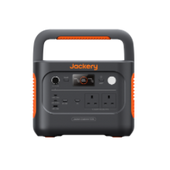
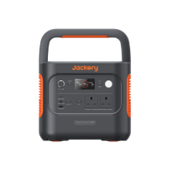
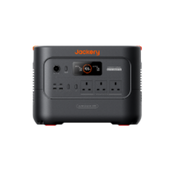
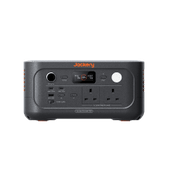
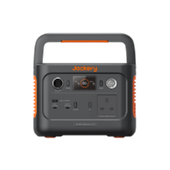
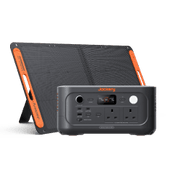
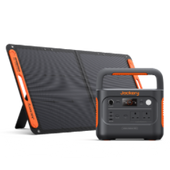
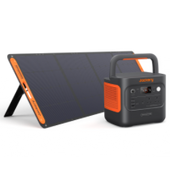
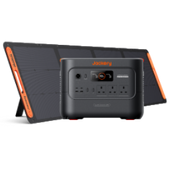
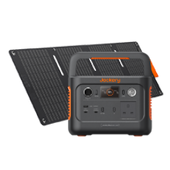
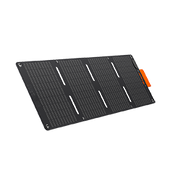
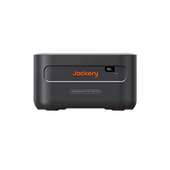
Keep all mobile phones, laptops, and power banks fully charged. Consider portable power stations like the Jackery Solar Generator 3000 v2 or Solar Generator 2000 v2 for larger devices.
Protect Your Appliances
When power is restored after a blackout, it can return with a surge that can damage sensitive electronics. Unplug non-essential appliances to prevent surge damage when power returns. Leave one light on to indicate power restoration.
How Do I Calculate My Essential Power Needs?
To choose the right backup power, you first need to know how much power your critical devices use. Make a list of the items you absolutely need to run during an outage. Next, find the wattage (W) of each device, usually printed on a label or adapter.
|
Essential Device |
Example Wattage (W) |
|
Refrigerator |
200-400W |
|
Wi-Fi Router |
5-15W |
|
CPAP Machine |
30-60W |
|
Phone Charger |
5-10W |
|
Sump Pump |
800-1500W |
Summing the wattage of your essential devices will give you a clear picture of your power requirements.
How Do I Choose the Right Backup Power Solution?
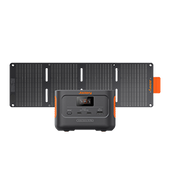
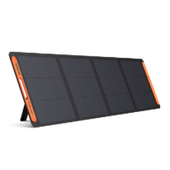
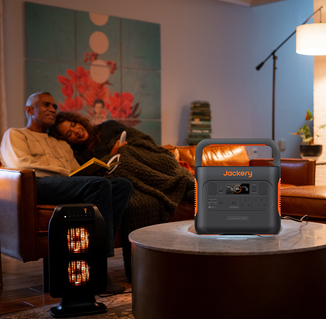
Once you know your power needs, select a backup solution that fits your home. Portable power stations offer a silent, fume-free, and safe alternative to traditional petrol generators, making them ideal for indoor use. Jackery offers a range of solar generators designed for home backup during a power outage.
For moderate needs (keeping essentials online):
· Jackery Solar Generator 2000 v2
o Capacity: 2042Wh
o UPS Function: Provides seamless power with a <20ms switchover time.
o Output: 2200W to power multiple devices simultaneously.
This unit can power a 300W refrigerator for 5.3 hours or a 10W WiFi router for over 35 hours, ensuring you stay connected and your food stays fresh.
For extended outages or higher-demand homes:
· Jackery Solar Generator 3000 v2
o Capacity: 3072Wh
o Quiet Operation: Runs at just 27dB, quieter than a library.
o Fast Charging: Recharges from 0-100% in just 1.8 hours via an AC wall outlet.
o High Output: 3600W (7200W Surge) capable of running major home appliances.
This powerful solution can run a 200W fridge for 24-48 hours or a critical sump pump during a storm, providing true home resilience.
Are There Any Specific Considerations for Things Like Fish Tanks or EVs?
Don't forget about these specific household needs:
· Fish tanks: Insulate, use hot water bottles for temperature, and battery-powered air pumps for oxygen.
· Electric vehicles: Ensure your EV is charged, as charging infrastructure may be affected.
Actions to Take During a Power Cut
Once you've confirmed an outage and your preparations are in place, focus on staying safe until power is restored.
|
Category |
Recommendations |
|
Immediate Safety Measures |
• Fallen power lines: Stay away and report them immediately. |
|
Food Preservation |
• Keep fridge and freezer doors closed to maintain cold temperatures. Food can remain safe for several hours in a fridge, and longer in a freezer. |
|
Phone Battery Conservation |
• Power-saving modes: Use power-saving modes and reduce screen brightness. |
|
Staying Warm or Cool |
• Warmth: Close doors and draw curtains to retain heat. Wear layers of clothing. |
|
Security During an Outage |
• Consider battery-operated security systems or motion-activated lights. Ensure manual locks are working. |
What to Do After Power is Restored
The return of power requires a few final steps to get your home back to normal safely.
Restart Appliances Gradually
Wait a few minutes after the power returns before plugging in and turning on your major appliances. This helps prevent a sudden demand spike on the grid and protects your electronics from any lingering instability.
Check Food and Medicine
Inspect the contents of your fridge and freezer. Discard any food that shows signs of spoilage or has been at a temperature above 4°C for more than two hours. Check any refrigerated medicines and follow official health guidance if you suspect they have not been kept at the correct temperature.
Restock and Recharge
Take inventory of your emergency kit and replace any food, water, or batteries you used. Most importantly, fully recharge your Jackery power station so it's ready for the next time you need it.
Turn Uncertainty into Preparedness
A national grid power cut can be a source of significant anxiety, but it doesn’t have to be a crisis. Knowing how to quickly check for power cuts in your area and having a solid preparation plan are the most important steps you can take to protect your family.
Don't wait for the lights to go out. Build your emergency kit, calculate your essential power needs, and secure your backup power solution today.
Frequently Asked Questions
How can I find out if a power cut is planned for maintenance in my area, rather than an unexpected outage?
You can check your DNO's website for a list of scheduled maintenance work. Simply enter your postcode to see if any planned outages are affecting your area.
What are the common signs that a power cut is imminent, beyond checking streetlights and neighbors?
Look for flickering or dimming lights across your neighbourhood, or listen for unusual buzzing sounds from electrical appliances. These can be indicators of instability in the power supply before an outage.
If I live in an apartment building, how does a building-wide power cut affect my ability to use a portable power station?
A portable power station will only power devices that are directly plugged into it. Shared building services like elevators, communal water pumps, or entry systems will remain off until the building's main power is restored.
What long-term considerations should I make for food storage and preservation if power outages become more frequent or prolonged in my region?
For long-term preparedness, consider investing in a well-insulated chest freezer, which can keep food frozen longer. You could also explore traditional food preservation methods like canning, pickling, or dehydrating.


