



























The UKHSA has issued a yellow Cold-Health Alert for the North West and West Midlands of England, in effect from 9am on Thursday 12 November until 12pm on Saturday 14 November. A yellow alert is a reminder that cold weather may affect some people more than others. It does not mean that a power cut is expected, but it is a good time to check in on anyone who may need extra support.
Who May Be More Affected by Cold Weather?
Cold weather can affect anyone, but some people may be at greater risk of becoming unwell. This includes people aged 65 and over, young children, pregnant women, and people with long-term health conditions or disabilities. People who live alone, have limited mobility, or find it difficult to afford heating may also need extra support.
If you have friends, relatives or neighbours who may be vulnerable, check in with them during cold spells. Ask whether they have enough food and medication, can keep their home warm, and know who to contact if they feel unwell.

Practical Ways to Stay Warm and Well
A few simple steps can help you prepare for colder days:
- Keep the rooms you use warm. UKHSA guidance suggests aiming for at least 18°C in rooms such as the living room and bedroom, where possible.
- Wear several layers. A few thinner layers can help you stay warm indoors and outdoors.
- Reduce draughts and prepare your home. Check that doors and windows close properly, and make sure your heating is working safely.
- Plan ahead. If the weather could make travel difficult, check that you have enough food and medication, and arrange help with shopping if needed.
- Look in on people who may need extra support. A call or visit can help you spot whether someone is struggling to stay warm or access essentials.
For more advice, read the UKHSA’s guide to keeping warm and well in cold weather. If you are concerned about someone’s health, contact their GP, a pharmacist or NHS 111. In an emergency, call 999.
Cold-Health Alert Checklist
Use this checklist to prepare for the current cold-health alert and check that everyone in your household has what they need:
- Check the latest alert. Confirm whether your area is covered and check for updates from the UKHSA and the Met Office.
- Make your main rooms comfortable and warm. If possible, aim for at least 18°C in the rooms you use most, such as the living room and bedroom.
- Get warm clothing ready. Keep extra layers, warm socks, blankets and suitable footwear easy to reach.
- Check essential supplies. Make sure you have enough food, medication and other essentials in case cold or icy conditions make it harder to go out.
- Check in with someone who may need support. Ask whether older relatives, neighbours or people with health conditions can stay warm and access food and medication.
- Prepare for a possible power cut. Keep a torch, spare batteries, charged phones and important contact details accessible. If someone relies on powered medical equipment, confirm their backup plan with their healthcare provider or electricity supplier.
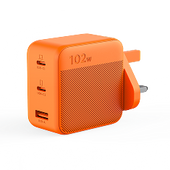
- Charge devices in advance. If you use a portable power station, charge it according to the manufacturer’s instructions and check that it is suitable for the devices you may need to power.
Prepare for a Possible Power Cut
A cold-health alert does not mean a power cut is likely. However, severe weather can sometimes disrupt electricity, so it can be useful to know what your household would need if the power went off.
Keep a torch, spare batteries, a charged phone and a list of important contact numbers somewhere easy to find. If someone in your household relies on powered medical equipment, speak with their healthcare provider or electricity supplier about an appropriate backup plan.
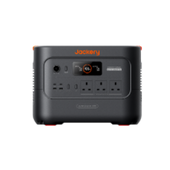
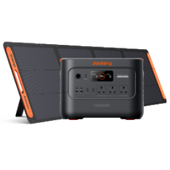
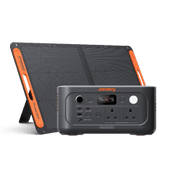
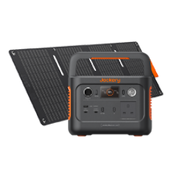
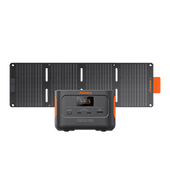
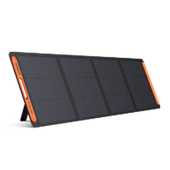
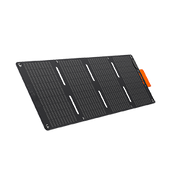
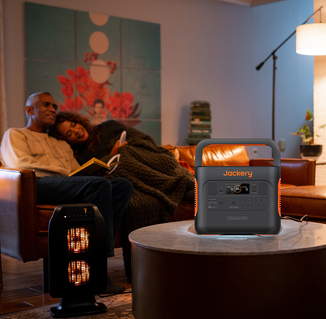
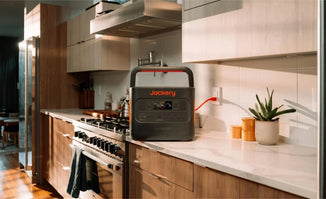
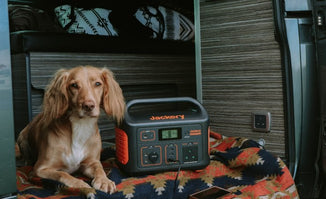
A portable power station can help keep selected everyday devices, such as phones, lamps or a router, running during an outage. For example, the Jackery Explorer 1000 Plus v2 has a 1,024Wh capacity and 1,800W AC output. The devices connected to it must stay within its rated output. Runtime depends on the power draw and how many devices are connected.
It is designed to support selected devices, not replace a home heating system. Do not use a portable power station as a substitute for medical backup arrangements, and always follow the manufacturer’s instructions.
Stay Informed and Check on Others
Cold-Health Alerts can change as forecasts are updated. Check current information from the UKHSA and local weather forecasts, and follow advice from health professionals if you are concerned about your own health or someone else’s.
As temperatures fall, small preparations can make cold days easier to manage: keep essential supplies accessible, plan how to stay in touch, and check that vulnerable friends, relatives and neighbours are doing well.
Prepare for Cold Weather with Confidence
A yellow cold-health alert is a timely reminder to take practical steps: keep your home comfortably warm, plan for the essentials, and stay connected with people who may need support. Staying informed and preparing for possible disruptions can help your household feel more ready for the colder days ahead.


