






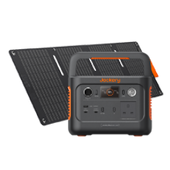


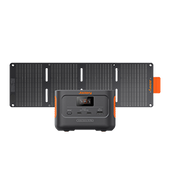

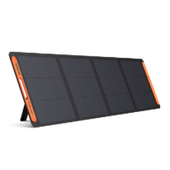
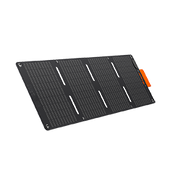

































Plug-in solar is becoming one of the most talked-about home energy topics in the UK. For many households, the appeal is obvious: it offers a simpler and lower-cost way to start using solar power without committing to a full rooftop installation. That makes it especially interesting for flats, smaller homes, renters, and anyone looking for a more accessible route into solar.
At the same time, many people still have practical questions. Is plug-in solar legal in the UK? How much electricity can it actually produce in British weather? How much can it save on bills, and is it really worth it compared with traditional solar panels? This guide answers those questions clearly and looks at where plug-in solar fits into the UK’s changing energy landscape in 2026.
What Is Plug-in Solar? How Does It Work?
Plug-in solar, sometimes called a plug-in solar panel system or balcony solar, is a small-scale solar setup designed to generate electricity for everyday household use without the complexity of a full rooftop installation. The idea is simple: solar panels capture sunlight, a microinverter turns that solar power into usable AC electricity, and the system feeds that electricity into your home through a suitable plug connection.
It is popular with apartment dwellers, renters, and homeowners who want a simpler entry point into solar energy. In many cases, plug-in solar can be installed on a balcony, terrace, garage wall, garden shed, or small roof area, depending on local rules and the site conditions.
How Does Plug-in Solar Work?
The working principle is quite straightforward. During daylight hours, the solar panels absorb sunlight and generate direct current, known as DC electricity. Household appliances, however, use alternating current, or AC electricity. That is why the microinverter is such an important part of the system: it converts the DC power from the panels into AC power that your home can use.
Once converted, the electricity flows into your home’s circuit. Your appliances will automatically draw this solar power first if they are running at that moment.
If your plug-in solar system is producing 500 watts and your home is currently using 700 watts, then 500 watts can come from solar and the remaining 200 watts comes from the grid.
If the home is only using 300 watts, then only that amount is consumed immediately unless the system includes a battery for storage, where allowed and compatible.

Main Components of a Plug-in Solar Panel System
Although plug-in solar systems are smaller than conventional PV installations, they still rely on several core components working together.
1. Solar Panels
The solar panels are the part you see most clearly. They capture sunlight and turn it into electricity. The number of panels depends on the size of the system. Some setups use one or two panels, while others use more if regulations and the inverter capacity allow it. Modern panels are usually monocrystalline, which makes them a practical choice for compact spaces because they offer relatively high efficiency.
2. Microinverter
The microinverter converts the DC electricity from the solar panels into AC electricity for household use. In plug-in solar systems, this is one of the most essential components. Some systems use one microinverter for the whole setup, while others may use module-level conversion depending on the design.
3. Mounting System
The mounting structure holds the panels in place. This can be a balcony railing mount, flat-roof frame, wall bracket, garden stand, or another support system suited to the installation site. A good mounting system keeps the panels stable and positions them at a better angle for sunlight.
4. Cables and Connectors
The panels and inverter need safe, weather-resistant cables and connectors to carry electricity between components. These parts may look simple, but they are critical for reliable performance and safe operation.
5. Plug Connection
This is the feature that makes plug-in solar different from many conventional solar systems. The electricity produced by the microinverter enters the home through a designated plug connection, subject to local electrical and legal requirements.
6. Monitoring System
Many modern plug-in solar systems include app-based or web-based monitoring. This lets users check real-time power generation, daily output, and historical performance. It is a helpful feature because it makes it easier to see how much electricity the system is actually contributing.
7. Optional Battery Storage
Some plug-in solar systems can also work with battery storage. This allows surplus electricity generated during the day to be stored and used later, such as in the evening when solar production drops.
For households with daytime absences, storage can make the system more flexible and increase self-consumption. This is where a solution such as Jackery SolarVault 3 Series can fit naturally into the picture, especially for users who want a more flexible, expandable home energy setup rather than a very basic entry-level system.
To make it easier to understand, here is the usual process step by step:
|
Step |
What happens |
Why it matters |
|
1 |
Sunlight hits the solar panels |
The panels begin generating DC electricity |
|
2 |
DC electricity flows to the microinverter |
The power needs to be converted for household use |
|
3 |
The microinverter converts DC into AC |
Household appliances run on AC electricity |
|
4 |
AC power enters the home circuit |
Your home can use the solar power immediately |
|
5 |
Appliances consume available solar energy first |
This reduces grid electricity consumption |
|
6 |
Any shortfall is covered by the grid |
Your power supply stays stable |
Are Plug-in Solar Panels Legal in the UK?
At the moment, plug-in solar panels are not yet fully legal for normal household use in the UK under the current safety rules. However, this is changing. On 24 March 2026, the UK government announced that it plans to amend regulations and introduce new safety standards so plug-in solar systems can be sold in shops and used legally in the UK within months.
This means the UK is moving towards legal plug-in solar, but the market is still in a transition period.
- Right Now: not yet generally permitted under current UK safety rules.
- Government Direction: legalisation is planned and being actively prepared.
- What Will Matter Once Rules Change: product compliance, approved safety standards, and following the final UK installation and connection requirements. This is an inference from the government’s statement that it will amend regulations and create new safety standards before rollout.
When Will Plug-in Solar be Available in the UK in 2026?
The clearest answer is later in 2026, but not immediately. The UK government said on 24 March 2026 that plug-in solar panels should be available “within months”, which signals a 2026 rollout rather than a distant plan.
This is important because it shows the policy is no longer just theoretical. The government has moved from discussing the idea to publicly backing market availability, product access, and supporting rules. At the same time, the wording still leaves some uncertainty, because “within months” is a policy timeline, not a fixed on-sale date for every household in the UK.
A second point worth noting is that the government has linked plug-in solar to a broader energy security push. In other words, this is not being treated as a niche balcony-solar experiment. It is being positioned as part of the UK’s wider move toward more homegrown electricity, lower household bills, and less reliance on fossil fuel markets.

What Is the Government’s Plan?
The government’s planning in 2026 appears to have three layers.
First, it wants to legalise and enable plug-in solar for the UK market. That means changing the rules that have previously kept plug-in solar out of normal UK retail channels and backing the safety framework needed for wider use. The March 2026 announcement is the clearest signal of that shift.
Second, it is tying plug-in solar to a much bigger home energy strategy. On the same day, the government said new rules were coming into force to implement the Future Homes Standard, with the majority of new homes in England expected to include solar panels and clean heating as standard.
Third, the government is already looking beyond early adopters. In April 2026, it said it was exploring support for lower-income households through the Warm Homes Plan, with up to £25 million earmarked for possible plug-in solar pilots delivered with local authorities and mayors.
What Does the Future Homes Standard Mean for Households?
The Future Homes Standard (FHS) is not the same thing as plug-in solar, but it matters because it shows the direction of UK housing policy. The government describes the FHS as a “zero-carbon ready” standard for new homes in England. In practical terms, that means homes built to this standard should not need major retrofit work later to reach zero-carbon operation in use once the electricity grid is fully decarbonised.
New-build homes should increasingly be designed around clean heating, better energy performance, and on-site renewable generation rather than treating solar as an optional upgrade added years later.
The government also says these changes could save families up to £830 a year on energy bills, compared with a standard home with an EPC rating of C, while cutting carbon emissions by at least 75% compared with 2013 standards.
The UK is moving toward homes that are expected to generate more of their own electricity, use cleaner heating, and cost less to run. Plug-in solar fits naturally into that wider shift, especially for existing homes, flats, and properties that will not immediately benefit from the standards applied to new-build housing.
What Does BSI Mean in this Context?
BSI matters because plug-in solar is not just about policy announcements. It also depends on technical standards and electrical safety rules that installers, manufacturers, and retailers can follow.
BSI, together with the IET, publishes BS 7671, the UK Wiring Regulations, which are the main national standard for the design, installation, and verification of electrical installations in the UK. BSI says the new BS 7671:2018+A4:2026 update is intended to keep the UK’s wiring rules fit for purpose and support the safe integration of new and emerging technologies.
That does not mean BSI has already published a dedicated consumer-facing “plug-in solar rulebook” in the sources above. But it does mean the standards system is a central part of how the UK turns a political announcement into a safe, usable market.
Why This Matters for Existing Homes?
The Future Homes Standard mainly applies to new dwellings in England, not to every existing property. That is why plug-in solar has gained so much attention. It could offer a simpler solar route for people in flats, rented homes, or smaller properties that are outside the normal pattern of full rooftop solar upgrades.
How Much Power Can Plug-in Solar Panels Produce?
In the UK, plug-in solar panels are likely to produce around 240 to 800 kWh per year, depending on whether the system is closer to 300W or 800W. Real output depends on location, sunlight, orientation, and shading, but in practice these systems are designed to cover part of a home’s daytime electricity use rather than power the whole property.
In the UK, 1 kilowatt (1 kW) of solar panels typically generates around 800 to 1,000 kWh of electricity per year, depending on location, orientation, shading, and installation quality.
Based on that, a plug-in solar system in the UK may produce roughly the following:
|
Plug-in solar system size |
Estimated annual generation in the UK |
Estimated average per day |
|
300W |
240–300 kWh |
0.7–0.8 kWh |
|
400W |
320–400 kWh |
0.9–1.1 kWh |
|
600W |
480–600 kWh |
1.3–1.6 kWh |
|
800W |
640–800 kWh |
1.8–2.2 kWh |
For most households, plug-in solar is best understood as a way to reduce the electricity you buy from the grid during the day. Even a modest system can make a visible difference if your home has a steady daytime base load.
An 800W plug-in solar setup, for example, could realistically generate around 640 to 800 kWh per year in UK conditions. That is not enough to cover total annual household demand, but it can still offset a useful share of low-level daytime use over the course of a year.
Output Changes a Lot Through the Year
UK solar performance also varies by region, with places such as southern England generally producing more than northern Scotland. One source notes that Cornwall can receive about 30% more solar energy than northern Scotland.
So while the annual figures above are useful for planning, day-to-day output will not be flat. A plug-in system may generate several times more on a bright June day than on a dull December day. That seasonal variation is completely normal in the UK market.
A few factors make a big difference:
- System Size: a 800W kit will usually produce about twice as much electricity as a 400W kit, all else being equal. This follows directly from the per-kW UK generation range.
- Location: southern parts of the UK generally get better solar yield than northern areas.
- Orientation and Angle: panels facing stronger sunlight for more of the day will generate more electricity. Energy Saving Trust’s calculator also bases estimates on sunlight exposure and property conditions.
- Shading: nearby buildings, balcony walls, trees, and fences can reduce output significantly.
- Weather and Season: summer output is much stronger than winter output in the UK.
How Much Can You Save with Plug-in Solar?
In the UK, plug-in solar can typically save around £40 to £110 per year, depending on the size of the system and how much of the electricity you use directly during the day. A recent UK analysis found that an 800W plug-in solar system could save a typical household about £110 a year, with total net savings of roughly £1,100 over 15 years.
Estimated annual savings by system size
|
Plug-in solar size |
Estimated usable electricity per year |
Estimated yearly savings in the UK |
|
300W |
150–220 kWh |
£37–£54 |
|
400W |
200–280 kWh |
£49–£69 |
|
600W |
300–360 kWh |
£74–£89 |
|
800W |
around 400 kWh typical |
around £110 |
The biggest factor is not just how much electricity the panels generate, but when you use electricity at home. Plug-in solar saves the most money when the power is used immediately by appliances already running during the day, such as a fridge, router, laptop, or washing machine. If your home is empty all day and there is no battery storage, the financial benefit will usually be lower.
Plug-in Solar System vs Traditional Solar Panel System
Plug-in solar is the smaller, cheaper, and more flexible option, while traditional rooftop solar is the more powerful long-term investment.
In the UK, a typical 800W plug-in system may cost around £500 and save about £110 a year, while a standard rooftop solar system costs around £6,100 but can save roughly £500 a year. Plug-in solar suits flats, balconies, and renters, whereas traditional solar is usually better for homeowners with a suitable roof and a bigger budget.
Plug-in solar vs traditional solar panels: UK comparison table
|
Factor |
Plug-in solar system |
Traditional rooftop solar system |
|
Typical system size |
Usually up to 800W |
Often around 3.5–4.5 kW for a typical home |
|
Typical upfront cost |
Around £500 for a typical 800W setup |
Around £6,100 for an average home system |
|
Installation |
Designed for easier setup with no full rooftop installation; intended as a low-cost, more accessible option |
Professionally installed roof-mounted system; Energy Saving Trust recommends using MCS-certified installers |
|
Annual generation |
Around 400 kWh usable per year for a typical 800W system |
Roughly 3,000–4,500 kWh/year depending on system size, roof, and location |
|
Annual savings |
About £110/year for a typical 800W system |
Around £500/year according to UK government estimates |
|
Payback period |
Around 5 years in Carbon Brief’s example |
Commonly around 9–15 years depending on location and usage pattern |
|
Battery add-on |
More limited and product-dependent; not every plug-in system is built around storage |
Well established; home batteries are commonly added, though Energy Saving Trust says they typically cost £5,000–£8,000 |
|
Export to grid |
Mainly focused on direct self-use; export arrangements will depend on future UK rules and product setup |
Can export surplus electricity through the Smart Export Guarantee in England, Scotland, and Wales |
|
Best for |
Flats, balconies, renters, smaller homes, first-time solar users |
Homeowners with a suitable roof who want larger generation and bigger long-term savings |
Costs: Plug-in Is Far Easier to Enter
Plug-in solar holds a clear advantage in accessibility. The upfront cost is dramatically lower—a few hundred pounds is much easier to manage than a full rooftop installation costing several thousand.
This makes solar a viable option for more people, especially renters and flat residents. Traditional rooftop solar is more expensive because it is a permanent, larger-scale project requiring mounting hardware, electrical work, and certified installers. The trade-off is significantly higher energy generation and greater long-term savings.
Installation: Simple Setup vs. Full Home Upgrade
Plug-in solar is designed for simplicity. The UK government highlights it as a low-cost solution for balconies or outdoor spaces that connects via a standard mains socket. This is ideal for those who want to avoid scaffolding or major construction. Conversely, traditional rooftop solar is a serious home improvement project. The Energy Saving Trust recommends using MCS-certified installers for these systems, as they involve a more complex integration into the home's infrastructure.
Annual Generation and Savings: Rooftop Solar Wins on Scale
Traditional solar pulls ahead on output. A plug-in kit helps cover a home’s daytime base load, but it isn't designed for high demand; a typical 800W system produces roughly 400 kWh annually. In contrast, a 3.5 kW to 4.5 kWp rooftop system can produce between 2,850 and 3,500 kWh per year. Consequently, rooftop solar can save around £500 annually, compared to roughly £110 for a basic plug-in kit.
Payback Period: Plug-in Is Quicker, Rooftop Saves More Overall
Plug-in solar often has a shorter payback period—roughly five years—because the initial investment is so low. Traditional rooftop systems usually take 9 to 15 years to pay back, depending on location and daytime usage. While plug-in kits recover their costs sooner, rooftop systems generate much larger lifetime savings due to their higher productivity.
Battery Add-on: Stronger on Full Rooftop Systems
Traditional rooftop solar has a well-established battery storage market, though it typically costs between £5,000 and £8,000 to store surplus energy for evening use. While plug-in systems can be paired with storage, it is less standardized in the UK.
For those seeking a flexible home energy setup rather than just basic bill reduction, a comprehensive solution like a plug-in solar fits more naturally, providing a bridge toward more versatile energy independence.

Which One Is Best?
Plug-in solar is best for people who want a lower-cost, lower-commitment route into solar, especially in flats, rented homes, or properties without a suitable roof. It is easier to access, quicker to understand, and much less expensive to start with.
Traditional rooftop solar is best for households that can install a proper roof system and want higher generation, larger annual savings, export income potential, and more mature battery options. It costs more upfront, but it is still the stronger option if your goal is to make a much bigger long-term dent in your electricity bill.
Who Might Plug-in Solar Be Right for? And Who Should Avoid It?
Plug-in solar may be right for renters, flat residents, small homes, and households with a sunny balcony or outdoor space, especially if they want a lower-cost way to cut daytime electricity use.
It is less suitable for people who want large bill savings, have poor sunlight exposure, or already have the roof and budget for a full solar installation, since traditional rooftop solar still delivers much higher generation and savings in the UK.
Who Plug-in Solar May Be Right for?
Plug-in solar is often a good fit for renters, flat residents, and households with limited space. That is one of the main reasons it has gained attention in the UK: traditional rooftop solar works best for owner-occupied homes with a suitable roof, while plug-in systems can open the door to people who have been largely left out of the home-solar market.
It can also suit people who want a lower upfront cost. Plug-in solar may be especially suitable for
- Renters who want a less permanent solar option, subject to landlord permission where needed.
- People living in flats or apartments with a sunny balcony, terrace, or small outdoor area.
- Households with steady daytime electricity use, because small solar systems save the most when the power is used directly as it is generated.
- First-time solar users who want to test whether solar works for their home before considering a larger setup.
- Households without a suitable roof for a standard solar installation. Rooftop systems work best on a south-facing roof with limited shading, so homes without that setup may find plug-in solar more realistic if they have another sunny outdoor space.

Who Should Think Twice or Avoid It?
Plug-in solar is less suitable for households expecting it to behave like a full rooftop PV system. These are small systems, generally expected to sit below 800W, and the likely savings are much more limited than with traditional solar. A typical 800W setup may save about £110 per year, whereas the government says a full rooftop system can save around £500 a year.
It may not be the right choice for:
- Households wanting large bill reductions, because plug-in solar is designed to trim daytime consumption, not cover a major share of total annual demand.
- People with heavy evening electricity use but little daytime use, unless they have compatible storage. Small solar systems work best when someone is at home using electricity while the panels are generating.
- Homes with strong shading or poor sunlight exposure, because shading and poor orientation reduce output significantly. Energy Saving Trust says solar performs best with good sun exposure and limited shading.
- Households that already own a suitable home and roof and want maximum long-term return, because a conventional rooftop system is still much stronger on generation, export potential, and whole-home savings. (
- Anyone expecting a fully mature UK product category today, because plug-in solar is still moving through the UK rollout and safety framework in 2026 rather than being a long-established mainstream market.
Best Solar Products You Can Try First with Jackery
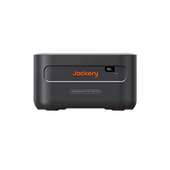
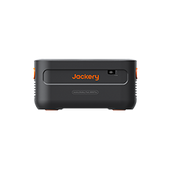
The Jackery SolarVault 3 Series is Jackery’s next-generation plug-in solar solution, designed to help households generate, store, and use solar energy more efficiently. The series offer flexible options for home battery storage systems, existing PV installations, and larger home energy setups. With an integrated inverter, LiFePO4 battery technology, smart energy management, and expandable storage, the SolarVault 3 Series brings solar storage into a compact, modular, all-in-one system.
The system works by collecting solar power from connected panels, storing surplus electricity in the battery, and automatically supplying that energy when the home needs it most, such as in the evening, during peak electricity prices, or during a power outage. The SolarVault 3 Series can optimise solar generation even when panels face different directions or experience partial shading. Its AI-driven energy management helps balance solar production, household demand, battery charging, and electricity tariffs for smarter daily use.
One of its biggest advantages is flexibility. Homeowners can start with a smaller battery capacity and expand later as their energy needs grow. The plug-and-play design also makes installation more straightforward, while key safety features such as LiFePO4 cells, terminal temperature monitoring, and integrated aerosol fire suppression support reliable long-term operation. For UK households looking to improve solar self-consumption, reduce reliance on the grid, and prepare for a more flexible energy future, the Jackery SolarVault 3 Series offers a practical bridge between everyday solar generation and intelligent home battery storage.
The Jackery SolarVault 3 Series is expected to go on sale in the UK in July, giving UK users a new way to store solar power, use more of their own clean energy, and make home electricity management smarter and more cost-effective.

Is Plug-in Solar Worth It?
For many UK households, yes, plug-in solar can be worth it — but mainly if you see it as a small, practical way to cut daytime electricity costs, not as a replacement for a full rooftop solar system. The UK government says plug-in solar panels should reach shops within months of its 24 March 2026 announcement, and it has presented them as a low-cost option that can help households reduce bills.
The strongest case for plug-in solar is simple: the upfront cost is relatively low, and the savings, while not huge, can still be meaningful over time. A typical 800W plug-in solar system could save a UK household about £110 per year and around £1,100 over 15 years, with a payback period of roughly five years on an example upfront cost of around £500.
That looks more appealing when you compare it with current electricity prices. Ofgem says the average electricity unit rate under the price cap is 24.67p per kWh from 1 April to 30 June 2026, so every bit of solar electricity you use directly at home helps avoid buying power from the grid at that rate.
FAQs
The following are frequently asked questions about the plug-in solar in the UK.
1. Do plug-in solar panels really work?
Yes. They can reduce the amount of electricity you buy from the grid during the day. A recent UK analysis found that plug-in solar panels could save a typical household about £1,100 over 15 years, which shows they can work well when they are placed properly and the power is used directly in the home.
2. Is plug-in solar legal in the UK?
Not yet fully under the old rules, but the UK government says it will make plug-in solar available within months. The official announcement was published on 24 March 2026, so the market is moving toward legal availability in 2026.
3. Can you just plug-in a solar panel into a socket?
Not a bare solar panel on its own. A plug-in solar setup needs the correct system components, especially an inverter and compliant safety design, before electricity can be fed into a home socket. The UK government’s rollout is specifically tied to making plug-in solar available under updated rules and safety requirements, not simply plugging any panel directly into the mains.
4. Will a 400W solar panel run a fridge?
Sometimes, but not reliably on its own all day. A fridge can run when solar output is strong and the fridge’s demand is low, but one 400W panel usually is not enough for continuous, dependable operation because solar output changes through the day and fridges also have startup surges.
UK guidance examples show a 300W fridge-freezer would usually need much more than 400W of real-time solar if other loads are running, and UK solar guides commonly estimate more than one panel for full fridge coverage.
Final Thoughts
Plug-in solar looks set to open up a new and more accessible side of home solar in the UK. It will not replace a full rooftop solar system, and it is not the right option for every household, but it does offer a realistic way to lower daytime electricity costs with a smaller upfront investment.
For people living in flats, renting, or working with limited outdoor space, that alone makes it worth paying attention to.
As the UK pushes ahead with cleaner homes, updated standards, and wider access to solar technology, plug-in solar is becoming part of a broader shift in how households use and manage electricity.


![5kW Solar Battery Price in the UK [2026 Update]](http://uk.jackery.com/cdn/shop/files/5kw_solar_battery_price.png?v=1776306774&width=90)

