









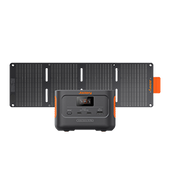

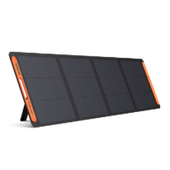
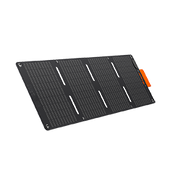
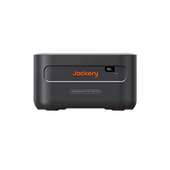


































In recent years, many homeowners have been wondering: are solar batteries worth buying? Traditional solar systems shut down after sunset, however solar storage batteries store extra electricity during the day, allowing you to use free clean energy at night or on cloudy days. While the initial investment of up to £2,000 to £12,500 may seem daunting, the payback period has been reduced to 7-9 years as technology has matured and time-of-use pricing has become more widely adopted.
This article shows the benefits and drawbacks of solar batteries, as well as their cost-effectiveness and suitability for your household's electricity usage habits, to help you make an informed investment decision.
|
Key Takeaways: |
|
How Do Solar Batteries Work?
Solar batteries operate by storing surplus solar energy produced by your solar panels. When solar panels create electricity, it can be utilised directly to power your home or fed back into the grid. However, with a solar battery system, excess solar energy is stored in the battery rather than being fed back into the grid.
The energy stored in the battery is then made available for later usage, such as in the evening or on cloudy days when your solar panels aren't producing enough electricity. This allows you to make the best use of solar energy while reducing your reliance on the grid.
Without a battery, you must rely solely on the sun's availability to power your home with solar energy. In addition to solar panels, extra electricity from other household power producing devices can be used to recharge the battery. Depending on your system configuration, you can also charge them using the mains electrical supply.

Are Solar Batteries Worth It in the UK?
To answer the question "Are solar batteries worth it?" it is critical to thoroughly consider their benefits and drawbacks. We've outlined the benefits and drawbacks of solar batteries below, so analyse them in light of your own scenario to determine whether buying one is worthwhile for you.
What Are the Advantages of Installing a Solar Battery?
The major benefits of building a solar battery are:
- Reduced Electricity Bills: By storing excess solar energy and using it at peak times, you can lower your electricity expenditure. Depending on the size of the solar system, annual savings of up to £1,518 are conceivable.
- Energy Independence: solar batteries allow you to store extra solar energy created during the day for later usage at night or on cloudy days. This decreases your UK home's reliance on the grid while increasing energy independence.
- Backup Power in the Event of a Power Outage: solar batteries provide backup power during grid outages, ensuring that your important appliances and systems continue to operate even when the electricity goes out.
- Environmental Benefits: solar batteries minimise your home's reliance on fossil fuels by allowing you to use clean, renewable solar energy, which lowers carbon emissions and helps to prevent climate change.
What Are the Disadvantages of Installing a Solar Battery?
Here are some of the disadvantages of solar batteries:
- High Initial Cost: Solar batteries can be rather expensive, particularly if you require a significant storage capacity. There are few grants or other financial incentives that expressly fund solar batteries.
- Space Requirements: While solar battery devices are quite tiny, you must ensure that you have adequate space in your home to accommodate one. Garages, basements, and utility closets are popular installation locations.
- Relatively Short Lifespan: With a 10- to 15-year lifespan, you may need to invest in two solar batteries for the course of your solar panel system's lifetime, which is approximately 25 years.
What Are the Costs and ROI of Solar Batteries?
One of the most common enquiries about solar batteries is how much they cost and how long it takes until they pay for themselves. The following is a relevant examination of these contents:
Initial Investment and Installation Costs of Solar Batteries
The upfront cost of a solar battery system is an important issue for homeowners. Solar battery prices can vary greatly, ranging from £2,000 to £12,500, depending on a variety of factors. The price is determined by the battery's capacity, chemical composition, and lifespan.
For example, lithium-ion batteries, which are noted for their high energy density and long lifespan, are typically more expensive than lead-acid batteries.
Installation fees add to the entire investment because skilled installation is required to guarantee the batteries perform safely and properly. The installation cost ranges between £600 and £1,200, depending on your unique needs.
Long-term Savings and Return on Investment of Solar Batteries
Adding a solar battery to your solar panel system can result in significant long-term savings and a positive return on investment. By storing surplus solar energy, you may make better use of the energy your solar panels produce, reducing your dependency on grid electricity and lowering your energy bill.
Savings on solar panels and batteries range between £300 and £1,350 (for reference only). The amount you will save is determined by factors such as the size of your battery's storage capacity, electricity prices, and your home's energy requirements.
By 2026, the payback period for merely purchasing solar batteries will have been reduced from 15 years to 7-9 years, making it more competitive. With time-of-use pricing and smart dispatch, the payback period can be as short as 3-7 years.
|
Battery Size |
5 kWh (small battery) |
10 kWh (family size) |
15+ kWh (large home / business) |
|
Average Cost (UK) |
£1,300 - £2,000 |
£2,500 - £3,500 |
£4,000 - £5,000 |
|
Typical Usage |
Smaller household |
Average family home |
High usage or small business |
|
Potential Annual Savings |
£300 - £450 |
£600 - £900 |
£900 – £1,350 |
|
Estimated Payback |
4 - 7 years |
3 - 6 years |
3 - 5 years |
(Source: p4solar.co.uk)
This table shows the cost and return on investment for some common capacity solar cells for reference only.
When Are Solar Batteries Worth Buying in the UK?
In the UK, the cost-effectiveness of purchasing solar batteries is determined by a combination of regulatory incentives, electricity plans, and residential electricity needs. Here are some specific instances in which purchasing solar batteries is most beneficial:
Situation 1: Your Household Consumes a Large Amount of Electricity After 4-5pm
Evening usage can be significant if you cook most evenings, operate a tumble dryer and many TVs, or occasionally use electric heating elements. A battery might cover the peak window. Even if it only provides a few kWh per day on average, doing it consistently can mount up over time.
Situation 2: You Have (or Intend) an EV
EV charging can function well alongside solar and batteries, but only if it is well controlled. If you charge primarily overnight on an EV tariff, a battery can still help by powering the house in the evening and saving the inexpensive overnight time for the vehicle.
Situation 3: You Have Installed or Plan to Install Solar Panels
Simultaneous installation might reduce labour costs. More importantly, you can simply install a hybrid inverter. Adding later may necessitate removing the existing inverter and acquiring an expensive AC-coupled adapter, resulting in an additional £1,000 in costs.
Situation 4: Before the 0% VAT Expires in April 2027
The UK government's 0% VAT policy on solar batteries is set to expire on March 31, 2027. Following this date, the rate may return to 5% or 20%. Solar batteries can save between £700 and £1000 on conventional residential premises, which are now exempt from VAT.
Situation 5: You Seek Resilience During Power Outages
Some consumers just want a dependable backup power supply during grid interruptions. Many UK houses use backup to keep essentials running (lights, charging sockets, fridge/freezer, internet), rather than powering everything as usual.

When Are Solar Batteries Not Worth Buying in the UK?
Solar batteries are regarded a potent instrument for boosting energy self-sufficiency, however they are not always cost-effective. Here are several scenarios in which purchasing or installing solar batteries is not encouraged or considered unworthy:
Situation 1: Your Daily Electricity Use Is Exceptionally High
If you work from home all day or use a lot of high-energy-consuming items (such as heat pumps and huge appliances), your solar energy output may be used shortly after it is generated. If there is no extra electricity stored in the solar batteries, they will sit inactive for a lengthy period of time, failing to generate enough savings to cover their installation costs.
Situation 2: Your House Is Poorly Insulated
If your house is inadequately insulated, lacks double glazing or has really poor attic insulation, you might consider investing in building insulation. The benefits of increased energy efficiency and lower electricity bills frequently outweigh the costs of solar batteries.
Situation 3: You Do Not Have Adequate Installation Space
If you do not have a garage or a shaded inside location, you will most likely have to install the solar batteries in areas that receive direct sunshine. Lithium batteries are particularly sensitive to temperature. Extreme temperatures can dramatically impair charging and discharging efficiency, as well as longevity. Without an appropriate operating environment, the solar batteries' performance degradation will nullify any expected ROI.
Situation 4: Your Budget Is Insufficient or Very Tight
Despite the 0% VAT credit, the initial cost of solar batteries remains considerable. If you don't have enough cash, you may need to take out a high-interest personal loan to pay for the purchase and installation. High loan interest rates will dramatically extend the payback term and may even cause the overall cost to exceed the electricity savings, resulting in extreme financial strain.
What Are the Key Factors to Consider When Choosing Solar Batteries?
Today, the reasoning behind selecting solar batteries has shifted from simple electricity storage to energy management. As a result, selecting solar batteries should not be done blindly; instead, examine the following critical aspects.

Battery Capacity
Battery capacity, expressed in kilowatt-hours (kWh), influences how much electricity you can utilise during power outages or overnight. Don't focus just on huge batteries; adequate capacity provides the best value.
For example, a 5 kWh battery is recommended for small homes or apartments with 1-2 bedrooms, which are ideal for families wishing to save money on daytime electricity bills or provide small amounts of backup power.
Rated Power
Rated power is important since it defines how many appliances the battery can power concurrently. Check that the battery's continuous discharge power is adequate for your household's basic load (usually between 3kW and 5kW). If you intend to power high-power appliances such as washers and dryers, consider a battery with a capacity of 5kW or higher.
Battery Type
Currently, the most common varieties on the market are lithium-ion and lead-acid batteries. For the vast majority of UK families, lithium iron phosphate (LFP) is the best option.
|
Battery Type |
Lithium iron Phosphate (LiFePO4) Batteries |
Lead-acid Batteries |
|
Safety |
Extremely high (high temperature resistance, less prone to thermal runaway) |
High (but release gas during charging) |
|
Cycle Life |
4,000 - 6,000 cycles |
500 - 1,200 cycles |
|
Lifetime |
10 - 15+ years |
3 - 7 years |
|
Energy Density |
Medium (moderate size) |
Low (bulky and bulky) |
|
Cost |
Medium (best cost-performance ratio) |
Low initial cost, but high long-term cost |
|
Applicable Scenarios |
Mainstream choice for home energy storage |
Suitable for extremely limited budgets or off-grid systems |
Warranty and Cycle Life
Cycle life is the number of times a battery may be fully charged and drained. High-quality lithium iron phosphate batteries should last 4,000 cycles or more. This implies that even if you charge and discharge it once a day, it can endure for over a decade. Solar batteries typically have a ten-year warranty. Most manufacturers promise that the battery capacity will stay greater than 60%-70% of its original capacity at the conclusion of the warranty period.
Jackery SolarVault 3 Series: Solar Storage Products for Beginners
The Jackery SolarVault 3 Series is Jackery’s next-generation plug-in solar solution, designed to help households generate, store, and use solar energy more efficiently. The series offer flexible options for home battery storage systems, existing PV installations, and larger home energy setups. With an integrated inverter, LiFePO4 battery technology, smart energy management, and expandable storage, the SolarVault 3 Series brings solar storage into a compact, modular, all-in-one system.
The system works by collecting solar power from connected panels, storing surplus electricity in the battery, and automatically supplying that energy when the home needs it most, such as in the evening, during peak electricity prices, or during a power outage. The SolarVault 3 Series can optimise solar generation even when panels face different directions or experience partial shading. Its AI-driven energy management helps balance solar production, household demand, battery charging, and electricity tariffs for smarter daily use.
One of its biggest advantages is flexibility. Homeowners can start with a smaller battery capacity and expand later as their energy needs grow. The plug-and-play design also makes installation more straightforward, while key safety features such as LiFePO4 cells, terminal temperature monitoring, and integrated aerosol fire suppression support reliable long-term operation. For UK households looking to improve solar self-consumption, reduce reliance on the grid, and prepare for a more flexible energy future, the Jackery SolarVault 3 Series offers a practical bridge between everyday solar generation and intelligent home battery storage.
The Jackery SolarVault 3 Series is expected to go on sale in the UK in July, giving UK users a new way to store solar power, use more of their own clean energy, and make home electricity management smarter and more cost-effective.

How Long Will a Solar Battery Last? And What about Jackery?
In the UK, a home solar battery typically lasts about 10 to 12 years. That is the standard range for solar panel battery storage, though actual life depends on battery chemistry, how deeply and how often you cycle it, and the temperatures it operates in.
For a Plug-in solar, the better way to think about lifespan is usually charge cycles plus calendar years, not just years alone. The Jackery SolarVault 3 Series are using LiFePO4 batteries with up to 4,000 charge cycles. Jackery also describes that as roughly 15 years of use in everyday use scenarios.
A useful way to read those numbers:
- 1 full cycle per day ≈ about 11 years to reach 4,000 cycles
- 3 cycles per week ≈ about 25 years to reach 4,000 cycles
- 1 cycle per week ≈ much longer on paper, but in real life calendar ageing will likely matter before you ever reach 4,000 cycles
Even if a battery is not heavily used, it still ages over time. So in practice, most people will not get “infinite life” from light use. The battery will gradually lose usable capacity as the years pass.
Tips for Maximising the Use of Solar Batteries
Although the cost of solar batteries has dropped dramatically in recent years, they remain a significant expense for the majority of families. Here are five practical ideas to help solar battery users repay their investment more quickly.
Tip 1: Avoid Deep Discharge
In the settings, adjust the Depth of Discharge (DoD) to an acceptable range (for example, 10%-90%). Protecting battery health ensures that you will continue to have great performance even ten years later, eliminating the need for premature equipment replacement and thereby amortising original expenditures.
Tip 2: Optimise Battery Placement
Install the battery in a temperature-controlled indoor setting (such as under stairs or in a usable common area) with a temperature range of 15-25°C to ensure maximum energy conversion efficiency.
Tip 3: Keep Solar Panels Clean and Efficient
Regularly remove common British elements such as bird droppings, fallen leaves, and snow. Even ten percent shade can dramatically diminish power generation. The higher the input, the longer the battery's work cycle and the lower the cost per unit of electricity.
Tip 4: Real-Time Monitoring and Smart App Adjustments
Use smart monitoring tools from companies such as Jackery to change plans based on weather predictions. If the prediction calls for heavy snow or overcast skies tomorrow, charge your batteries via the grid tonight; if it's sunny, empty the batteries and wait for free sunlight.
Tip 5: Use Off-Peak Electricity for Supplemental Power
When sunshine is rare, utilise an app to arrange charging between 2 and 5 a.m. to recharge batteries at exceptionally low-cost off-peak hours, thereby meeting your daily electricity requirements. This effectively reduces electricity rates to off-peak levels for the entire day.
FAQs
The following are frequently asked questions about the solar batteries in the UK.
1. Is it worth adding batteries to solar panels?
If you have regular power outages or pay for electricity based on when you use it, adding batteries to your solar panels is often worthwhile. While batteries have higher upfront costs, they maximise energy self-consumption and allow grid independence.
2. How long will a 5kWh battery last in the UK?
A 5kWh battery can power basics such as your router, LED lights, and phone chargers for more than 15 hours. However, adding a cycling refrigerator may cut the time to 8-12 hours.
3. What are the disadvantages of solar batteries?
The primary disadvantages are the initial cost and the fact that they may take longer to provide a complete return on investment for smaller households with low energy use. They also have a shorter life than solar panels. However, when properly integrated with your solar PV system, the advantages of solar battery storage (reduced bills, greater energy independence, and backup power) frequently exceed the disadvantages.
4. What is the 20% rule for solar?
The 20% rule states that your solar panels should provide 20% more electricity than your home typically requires. It prevents power outages on cloudy days or during peak usage months. For example, if your household consumes 1,000 kilowatt-hours (kWh) of energy each month, you should create a system that produces 1,200 kWh. That extra 200 kWh serves as your buffer.
Final Thoughts
To summarise, whether solar batteries are worthwhile depends on your lifestyle. If you consume a lot of electricity in the evening, drive an electric vehicle, or want energy independence during power outages, installing a storage system will result in significant long-term savings. In contrast, if you utilise all of your energy during the day or have a limited budget, you should think about it carefully. For beginners, solar storage systems such as the Jackery SolarVault 3 Series provide exceptional flexibility.

![Guide to 10kW Solar Battery Price in the UK [2026 Update]](http://uk.jackery.com/cdn/shop/files/10kw_solar_battery_price_guide.webp?v=1780026743&width=90)
![5kW Solar Battery Price in the UK [2026 Update]](http://uk.jackery.com/cdn/shop/files/5kw_solar_battery_price.png?v=1776306774&width=90)

