


















![[Over £1200 Tier Gift] Bluetooth Speaker with Phone Stand - shipped Separately](http://uk.jackery.com/cdn/shop/files/Portable_Bluetooth_Speaker_with_Phone_Stand_2.png?v=1781595581&width=170)
















Dog warming pads can dramatically improve a dog's quality of life by relaxing muscles, easing arthritis discomfort, and providing additional warmth during the winter months.
However, selecting a warming pad built exclusively for dogs is critical to ensuring its safety and efficacy. An ideal dog warming pad should feature a constant or adjustable temperature design, allowing you to customise the temperature to your dog's comfort.
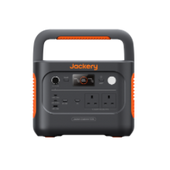
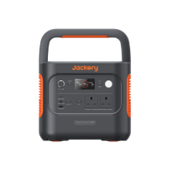
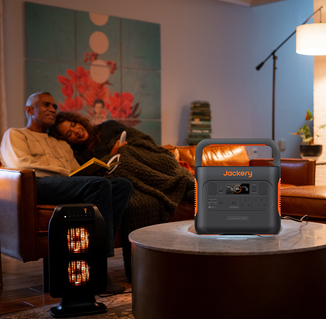
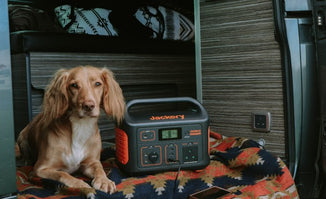
Most dog warming pads require a power source to work correctly. In addition to residential power outlets, dog warming pads can be powered by car power supply, portable power supplies, solar power systems (such as the Jackery Solar Generator 3000 v2 and 2000 v2).
|
Key Takeaways: |
|
l A dog warming pad, with its constant temperature heating or insulation design, provides dogs with a warm, dry resting space. l Types of dog warming pads include electric heating pads, thermal heating pads, and microwavable heating pads. l An ideal dog warming pad should have a constant or adjustable temperature design, allowing you to adjust the temperature according to your dog's comfort. l In addition to household power outlets, dog warming pads can also be powered by car power supplies, portable power supplies, solar power systems, etc. l The Jackery Solar Generator 3000 v2 and the Solar Generator 2000 v2 can power the dog warming pad with green electricity. l Compared to human heating pads, dog warming pads typically feature a low-power design, consume less electricity, and provide stable heating. |
Why Your Dog Needs a Warming Pad?
Although dogs have a natural insulating coat, not all breeds are capable of keeping warm. This is where a dog warming pad becomes an essential and considerate piece of pet care equipment. The benefits that dogs can get from using a dog warming pad include:
Protecting From the Cold
Dogs, particularly those who spend a lot of time outside, are just as susceptible to cold as humans. Prolonged exposure to low temperatures can cause discomfort, hypothermia, and frostbite. A dog warming pad, with its constant temperature heating or insulation design, offers dogs a comfortable, dry resting area.
Relieving Joint Pain and Stiffness
A dog warming pad uses mild heat to relax muscles and enhance local blood circulation, reducing stiffness, similar to heat therapy used in people. Long-term use can considerably enhance the comfort of dogs with arthritis and lessen their need for pain medication.
Reducing Arthritis Pain in Senior Dogs
As dogs age, their metabolism slows, blood circulation deteriorates, and they are more prone to degenerative disorders like arthritis and hip dysplasia.
The dog warming pad provides constant, mild heat, which can successfully reduce discomfort, enhance blood circulation, and allow senior dogs to continue some level of activity even during cold weather.
Enhancing Sense of Security and Emotional Stability
A dog warming pad can successfully relieve tension, help timid, fearful, or newly adopted stray dogs adapt to new situations faster, establish a sense of security, and reduce behavioural problems such as barking and destructive behaviour.

Types of Dog Warming Pads
There are numerous types of dog warming pads on the market today, each with unique features in terms of heating mechanism, safety, suitable settings, and convenience of use. Here are few examples:
Electric Heating Pads
Electric heating pads can be used by simply plugging them into a wall socket, and they usually contain a thermostat to keep the temperature constant. However, because this type of warming pad heats up quickly, it is best to keep a close eye on both it and your dog while using it. Also, keep an eye on the power cable, especially if your dog or other creature has a tendency to chew.
Thermal Heating Pads
Thermal heating pads have a reflecting covering that reflects the pet's own body heat back, giving them a safer, cordless alternative. While they may not be as warm as electric heating pads, there is no risk of wiring or overheating. However, because this dog warming pad is totally dependent on the dog's own body heat, the temperature may not be as high as microwavable heating pads.
Microwavable Heating Pads
Microwavable Heating Pads are pre-filled with a gel-like chemical material that retains heat when heated in a microwave.
However, it may be extremely hot when first withdrawn from the microwave, so check the temperature before allowing your dog to rest on it. It will gently cool down throughout usage, reducing the risk of your dog overheating.
Orthopedic Heating Pads
Orthopaedic Heating Pads are specifically intended for dogs with joint difficulties, offering extra cushioning and support to assist alleviate discomfort caused by illnesses such as arthritis. While these dog heating pads are heavier than typical heating pads, they have an extra support layer that better supports and protects the joints, providing additional comfort, particularly for older or ailing pets.
Outdoor Heating Pads
Outdoor heating pads are essential for pets who like spending time outdoors. If your dog will be using a heating pad outdoors, make sure you buy one that is certified for outdoor use. These dog warming pads are available in both thermal and electric varieties, and both include waterproof outside materials to ensure they can tolerate damp conditions.
|
Dog Warming Pad Types |
Advantages |
Disadvantages |
|
Electric Heating Pads |
Continuous constant temperature Adjustable temperature Automatic power-off protection |
Requires power source Potential safety hazards Higher energy consumption |
|
Thermal Heating Pads |
No power required Lightweight and portable Chew-proof and safe |
Lower initial temperature Weaker warming intensity |
|
Microwavable Heating Pads |
Instant heating No continuous power consumption Highly portable |
Uneven heating Shorter lifespan Requires a microwave oven |
|
Orthopedic Heating Pads |
Safe materials Constant temperature protection Medical-grade design
|
Higher price Requires power outlet |
|
Outdoor Heating Pads |
Weather-resistant Durable |
Requires power connection High energy consumption |
Key Considerations When Purchasing Dog Warming Pads
Comfort and safety are top priorities for our canine companions, so selecting the correct dog warming pad is critical. When choosing a dog warming pad, consider the following factors to ensure you get the finest option for your favourite dog:

Temperature Control
Dogs have different temperature tolerances and preferences. An excellent heating pad should feature a constant temperature or adjustable temperature design, allowing you to tailor the temperature to your dog's comfort level, ensuring they are neither too cold nor too warm.
Materials
The material of the heating pad has a direct impact on the dog's comfort and health. To avoid irritating or creating eczema, the surface layer should be composed of a soft, breathable, hypoallergenic, and skin-friendly fabric, such as short plush or coral fleece. At the same time, the material must be strong and resistant to chewing and scratching.
Automatic Shut-Off Function
A dog warming pad with automated overheat protection, timer shut-off, or sensor-based sleep mode will turn off after a predetermined time or when the temperature surpasses a certain threshold. This efficiently avoids incidents like fires and burns.
Electric Cord Safety
Dogs have a natural tendency to chew, and if the electrical line is exposed or made of a weak material, it can easily cause electric shock, short circuits, or even fire. Anti-chew cords are wrapped in strong material to keep dogs from gnawing through them.
Size
The size of the dog warming pad should correspond to your dog's size and available area. The pad should be slightly larger than your dog's length and width while lying down, allowing them to sleep completely in the warm area, but not so huge that they waste energy or take up too much space.
Easy to Clean
Choose versions with removable covers that can be machine washed or wiped clean for easy maintenance. Furthermore, waterproof and stain-resistant coatings effectively prevent liquid penetration, minimising bacterial development and odours.
Portability
Families who frequently travel with their dogs or need to use the pad in several rooms prefer lightweight, foldable, and easy-to-store items. For example, certain heat-retaining or microwaveable heating pads do not require plugging in, making them easier to transport.
How Do I Power the Dog Warming Pads?
A solid, safe, and long-lasting power supply is essential for keeping a dog warming pad actually warm. Nowadays, power supply options are no longer confined to typical power outlets; pet owners can choose the power supply method that best suits their needs. Here are a few viable options for powering a dog warming pad:

Household Power Outlet
Connect to household AC power via a power cord to power the heating elements (such as carbon fibre heating wires) inside the dog warming pad, and use a temperature control system to maintain a consistent temperature. This power supply system is appropriate for interior dog kennels, pet beds, designated resting spaces, and so on.
Vehicle Power
To power the dog warming pad, use the car's cigarette lighter interface (DC 12V). A step-down converter is typically used to reduce the voltage to a safe range for powering the low-voltage heating pad. This power supply method is ideal for road vacations, pet transportation, outdoor camping, and other similar activities.
Portable Power Supply
Working principle: Power the dog warming pad using a high-capacity portable power source (such as the Jackery Portable Power Stations). Some low-power dog warming pads use a USB power supply and can be immediately linked to a portable battery bank. This is ideal for camping, power outages, and other use cases.
Backup Generator
To create electricity, use a fuel-powered generator (gasoline, diesel or propane), which will produce enough alternating current to operate many dog warming pads or other high-power equipment. This power supply system is suitable for long-term power outages, rural locations, huge kennels, and pet breeding farms.
Solar Power System
Solar panels turn light energy into electrical energy, which is stored in a battery via a controller before being transformed into alternating current electricity via an inverter to power the dog warming pad. In addition to installing typical solar power systems, consider buying a portable solar generator (such as the Jackery Solar Generator 3000 v2 or 2000 v2) to power the dog warming pad. This is ideal for farms, eco-friendly residences, and environmentally aware households.
Jackery Solar Generators for Modern Pet Care Anywhere
A dog warming pad provides a warm and safe resting place for dogs, ensuring their comfort and health. More and more environmentally conscious and safety-conscious pet owners are starting to focus on how to provide winter heating support for their beloved dogs in a green, quiet, and emission-free way.
Jackery, with its advanced solar power generation technology, brings a brand-new power solution to pet heating scenarios—powering the dog warming pad with a solar generator, achieving clean power.
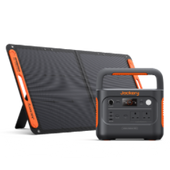
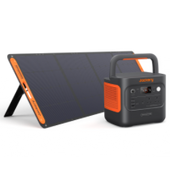
We highly recommend two star products: the Jackery Solar Generator 3000 v2 and the Solar Generator 2000 v2, and analyse their unique advantages in powering dog warming pads.
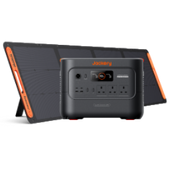
Jackery Solar Generator 3000 v2
If you have multiple pets, large dogs, or need a stable power source for your dog warming pad in outdoor, power outage, or camping scenarios, the Solar Generator 3000 v2 is ideal. Its key advantages are as follows:

Large Capacity, Long-Lasting Power Supply: The Jackery Solar Generator 3000 v2 has a built-in 3072Wh battery capacity, easily supporting multiple dog warming pads for over 12 hours of continuous operation. Based on a single pad power of 40W, it can provide power for over 40 hours.
Fast Solar Charging: The Jackery Solar Generator 3000 v2 supports up to 1000W solar input. With the Jackery SolarSaga solar panel, it can be fully charged in approximately 3.5 hours. Automatically charges during sunny days and powers the dog warming pad at night, achieving a green cycle with zero electricity costs and zero carbon emissions.
Multiple Output Interfaces to Power Various Pet Devices: The Jackery Solar Generator 3000 v2 is equipped with three 230V~13A UK sockets, two 100W USB-C ports (for laptops), two 18W USB-A ports, and one 12V car port. Besides powering the dog warming pad, it can also simultaneously power pet water fountains, cameras, and heat lamps.
Safe and Reliable, Designed for Home and Pet Environments: The Jackery Solar Generator 3000 v2 uses a lithium iron phosphate (LFP) battery, enjoying up to 4,000 charge cycles, providing reliable power for the dog warming pad for 10 years. Furthermore, it features a 12-layer BMS battery management system, constant voltage pure sine wave output, and surge protection for enhanced safety.
Jackery Solar Generator 2000 v2
For most urban pet-owning families, the Jackery Solar Generator 2000 v2 is a compact, efficient, quiet, and safe solution, perfectly suited to the daily power needs of a dog warming pad. Its main advantages are as follows:

High Energy Density, Pure Sine Wave Output: The Jackery Solar Generator 2000 v2 has a capacity of 2042Wh, supporting continuous operation of a single dog warming pad (40W as an example) for over 20 hours. All its AC outputs are pure sine waves, effectively avoiding interference from voltage fluctuations to the dog warming pad's temperature control system.
Compact and Portable: Weighing only 38.6 lbs (approximately 17 kg) and measuring 13.2 × 10.4 × 11.5 inches, the Jackery Solar Generator 2000 v2 allows for flexible placement in living rooms, bedrooms, balconies, and other spaces. It also features a foldable handle for easy portability, making it an ideal power solution for camping and off-grid living.
Supports Multiple Fast Charging Methods for Rapid Recharging: The Jackery Solar Generator 2000 v2 supports wall charging, solar charging, and car charging. It can also easily activate an emergency supercharging mode via a Jackery app, charging the power bank from 0% to 80% in just 52 minutes.
Intelligent and Quiet Operation, Suitable for Indoor Pet Environments: The Jackery Solar Generator 2000 v2 activates a silent charging mode via the Jackery app, with noise levels ≤30dB, ensuring it won't disturb your dog's rest. In emergencies such as power outages, the power supply switches to a portable power source within 20 milliseconds, so you don't have to worry about your dog warming pad losing power.
Safety Considerations When Using Warming Pads for Dogs
Overall, dog warming pads are safe. However, in order to assure perfect safety, you must pay attention to a few details. After all, if not utilised correctly, these warming pads might be detrimental to your dog. Here are certain aspects you should pay special attention to.

Buy a Warming Pad Designed for Dogs
Dogs and humans have different heat tolerances, therefore your personal electric blanket or heating pad will not work for your dog. Please get a warming pad made exclusively for dogs and carefully study the manufacturer's instructions to learn how to use it.
Supervise Use at All Times
When your dog uses the warming pad, supervise them, especially the first time. Examine whether the dog repeatedly licks its abdomen, becomes agitated, or attempts to bite the pad. If you find any anomalies, turn off the power and check the source.
Carefully Check the Temperature
Before placing your dog on the warming pad, make sure the temperature is not too high. Adjust the settings based on your dog's comfort level and room temperature. If the warming pad does not have a temperature control function, it is best to use it with a thermostat.
Strictly Control Usage Time
Dog warming pads are supplemental heating devices, not daily necessity. It is recommended to limit daily use to 6-8 hours, such as at night or during the coldest times of day. Using a timed plug, you may automatically turn off the electricity, conserving energy and assuring safety.
Place It in a Suitable Location
Place the dog warming pad flat on a dry, level, and well-ventilated surface, avoiding moist spots and combustible items like draperies. The power cord should be properly attached to the wall corner with cable ties or tape to keep the dog from tripping over it or eating it.
Regularly Check for Damage
Before and after each use, inspect the warming pad for damage, bulges, strange odours, or exposed wires. If you notice any irregularities, such as damaged insulation, a hot plug, localised overheating, or no heat, cease using it right once and replace it.
What's the Difference Between Dog Warming Pads and Human Warming Pads?
What's the difference between a dog warming pad and a human heating pad? Can a human electric blanket be used as an alternative to a dog warming pad? There are variations between the two in terms of safety, physiological requirements, and design principles. The following is an analysis.
Design Purpose
Human heating pads are intended for adults, primarily to provide continuous heating throughout the night to improve sleep quality. In contrast, dog warming pads prioritise safety, localised warmth, and self-regulation. They are intended to help dogs maintain a normal body temperature in chilly conditions.
Temperature
Dogs' skin is particularly susceptible to hot temperatures. To avoid burns, dog warming pads typically have a thermostat that keeps the temperature close to the dog's normal body temperature. Human heating pads have a broader temperature range, with the highest setting exceeding 55°C, which can easily induce low-temperature burns in dogs.
Power
Dog warming pads often have a low-power design, consuming less electricity yet providing consistent heating that is ideal for long-term intermittent use. In contrast, human heating pads frequently have a power of 60W or more and a high heating intensity, making them inappropriate for little dogs or pets with sensitive constitutions.
Safety Performance
They frequently use reinforced, wear-resistant textiles, built-in anti-bite wire layers, or encapsulated heating wires to keep exposed wires from creating electric shocks or short circuits. Human heating pads lack this design, and if chewed through, the danger is severe.
|
Dimension |
Dog Warming Pad |
Human Heating Pad |
|
Design Purpose |
Provides localized constant temperature for dogs |
Provides overnight heating and improves sleep comfort for adults. |
|
Temperature Range |
Approximately 38-45 degrees Celsius |
Can reach temperatures up to 50-60 degrees Celsius. |
|
Temperature Control Technology |
Intelligent temperature control, overheat protection |
Mechanical temperature control with low temperature control accuracy. |
|
Safety Features |
Insulating material, bite-resistant fabric, automatic power off |
No anti-chewing design; power cord is easily damaged. |
|
Power |
Low power consumption |
Medium to high power consumption. |
|
Suitable for |
Suitable for puppies, senior dogs, short-haired dogs, etc. |
Suitable for healthy adults. |
In short, while dog warming pads and human heating pads appear to serve comparable roles, they differ fundamentally in design intent, safety regulations, and user experience. It is not advisable to use a human heating pad on dogs.
FAQs
The following are frequently asked questions about the dog warming pad.
1. Do self-warming dog pads work?
Yes, self-warming dog pads use a reflective coating and insulating materials to capture and reflect the dog's body heat. They give warmth without the need of electricity, making them suitable for senior dogs, short-haired dogs, and dogs in cold areas.
Prolonged exposure to cold temperatures can cause discomfort, hypothermia, and even frostbite. Self-warming dog pads provide a warm and safe resting area for dogs, assuring their comfort and health.
2. Is a heating pad good for dogs?
Heating pads provide the same benefits to dogs as they do to humans: properly applying heat to the body improves blood circulation and flow while momentarily boosting muscle flexibility. A heating pad could also help dogs with joint stiffness and arthritis pain. As a result, heating pads are vital for families with senior dogs or those suffering from arthritis.
3. What's the difference between a dog heating pad and a human heating pad?
The key differences between the two are safety and temperature. Human heating pads reach extremely high temperatures, however dog heating pads maintain a lower, gentler temperature (near to a dog's body temperature) and are usually adjusted based on the presence of the pet. Furthermore, dog heating pads usually include a chew-resistant power cord and an automated power-off feature for unsupervised use.
4. Is there a microwavable heating pad for dogs?
Yes, there are numerous microwave-safe heating pads for dogs on the market, and they are very popular. These items use microwaves to heat a non-toxic gel or filling. Simply microwave the pad until it reaches the proper temperature, then remove it and set it in an appropriate location for your dog to warm up. However, it may be extremely hot when first taken out of the microwave, so always check the temperature before allowing your dog to rest on it.
Final Thoughts
Heated pads for dogs provide the same benefits as they do for humans: carefully administering heat to the body can improve blood circulation and flow while momentarily boosting muscle flexibility. Dog warming pads are very useful for households with senior pets or dogs with arthritis.
However, you should visit your veterinarian for advice on the appropriate sort of dog warming pad for your dog and how to use it effectively and safely. In addition, we propose utilising the Jackery Solar Generator 3000 v2 and Solar Generator 2000 v2 to power your dog warming pad with green electricity.


