








































Solar panel maintenance helps a UK PV system remain safe, identify faults early and produce electricity without avoidable losses from dirt, shading or damaged equipment.
Although panels have no moving parts and generally need limited attention, owners should still monitor generation, inspect the array from ground level and arrange cleaning or professional servicing when required.
In the UK, a professional clean commonly costs around £100–£150 for a domestic system with fewer than 20 roof-mounted panels, while servicing and repairs vary according to the tests, replacement parts and access equipment needed. Maintenance needs also extend to the inverter, mounting system, cables and any connected battery.
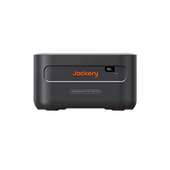
For households seeking an integrated option, solar panels can work with the Jackery SolarVault 3 Pro Max, combining solar generation and modular energy storage in one system designed for straightforward installation and monitoring. Correct installation, regular data checks and timely professional attention can simplify its long-term care.
|
Key Takeaways: |
|
Are Solar Panels Really Maintenance-Free?
No. Solar panels have no moving parts and generally require little attention, but solar panel maintenance still matters because a PV installation includes more than the modules on the roof. The inverter, cabling, isolators, mounting system, monitoring equipment and any connected battery can develop faults or suffer wear over time. A system should therefore not be treated as entirely “fit and forget”.
Maintenance has four main elements: monitoring electricity generation, carrying out safe visual inspections, cleaning the panels when soiling justifies it, and arranging professional electrical or structural checks where required. Monitoring can reveal an unexpected fall in output, while a ground-level inspection may identify cracks, debris, new shading or displaced equipment.
UK rainfall removes some loose dust, but it may not clear bird droppings, lichen, pollution, coastal salt or leaves trapped around an array. The appropriate schedule depends on roof pitch, accessibility, nearby trees and birds, local air quality and system design. This guide explains what owners can check safely, when to call a professional, typical UK costs, and how domestic and commercial maintenance requirements differ.
What Maintenance Do Solar Panels Require?
Solar panel maintenance covers the modules, supporting structure and electrical equipment—not just washing the glass. Each component has different warning signs and safety requirements, so monitoring may be continuous while physical and electrical inspections take place at longer, system-specific intervals.
|
Component |
Routine check |
Possible problem |
Who should handle it? |
|
PV modules |
Look for dirt, cracks and discolouration |
Soiling, impact damage or hotspots |
Ground-level observation; professional diagnosis |
|
Mounting system |
Check for visible movement or corrosion |
Loose fixings or water-ingress risk |
Qualified installer or roofer |
|
DC cabling and connectors |
No DIY handling; observe from a safe position |
Damaged insulation or loose connections |
Solar-qualified electrician |
|
Inverter |
Review warning lights, errors and ventilation |
Fault, overheating or reduced output |
Owner can read alerts; professional repairs |
|
Isolators and consumer-unit equipment |
Observe warning signs only |
Electrical fault or overheating |
Qualified electrician |
|
Monitoring system |
Compare generation trends |
Lost connection or performance fault |
Owner or service provider |
|
Battery, where installed |
Review app alerts and operating conditions |
Communication, temperature or capacity issue |
Manufacturer-approved technician |
PV Modules
Inspect panels from ground level for concentrated dirt, cracked glass, discolouration, debris and new shading. Persistent underperformance may require electrical testing or thermal imaging rather than cleaning alone.
Mounting System
Rails, clamps and roof attachments hold the array against wind and weather. Visible lifting, rattling, corrosion or movement requires professional assessment. Damp in the loft may also justify coordinated checks by a roofer and solar installer.
DC Cabling and Connectors
Solar panels generate direct current whenever exposed to sufficient light. Do not unplug connectors or handle damaged cables. Hanging wiring, exposed insulation or scorch marks require prompt attention from a solar-qualified electrician.
Inverter
Keep the surrounding area unobstructed and check the display or app for errors. Repeated shutdowns, unusual noise, excessive heat or a burning smell should be investigated professionally.
Isolators and Consumer-Unit Equipment
Owners may observe labels, enclosure condition and warning signs, but should not open equipment. Heat damage, buzzing, discolouration or burning smells require urgent electrical inspection.
Monitoring System
Review output regularly and compare similar months rather than individual cloudy days. Lost data may reflect a communication problem, while continuing low generation can indicate a system fault.
Battery Storage
Where fitted, check state-of-charge patterns, temperature warnings and communication alerts. Keep the installation area within the manufacturer’s environmental requirements and leave internal testing or repairs to an approved technician.

How to Tell Whether Your Solar Panels Need Maintenance
A single low-output day does not necessarily mean the system is faulty. Cloud cover, shorter winter days, high panel temperatures and temporary shading can all reduce generation. Look for a sustained or unusual change rather than comparing one day with an ideal estimate.
The following signs justify closer investigation:
- Persistent loss of output: Generation remains below comparable months from previous years or the installer’s forecast after allowing for weather differences.
- Uneven panel or string performance: One string, roof face or panel group produces considerably less than the others under similar conditions.
- Inverter problems: Warning lights, repeated error codes, unexplained shutdowns or frequent restarting may point to an electrical or communication fault.
- Higher grid imports: Electricity bought from the grid rises even though the weather and household consumption pattern appear normal.
- Visible obstruction: Bird droppings, leaves, moss, lichen or new tree shading cover part of the array.
- Module damage: Cracked glass, delamination, scorch marks, bubbling or discolouration requires professional assessment.
- Mounting concerns: Rattling, movement, lifted edges or visibly displaced panels may indicate loose or damaged mounting components.
- Cable damage: Hanging cables, exposed insulation, damaged conduit or loose-looking connectors are safety concerns rather than cleaning issues.
- Possible water ingress: Damp patches near roof penetrations or beneath the array need coordinated inspection by a roofer and solar specialist.
- Battery or energy-management alerts: Abnormal charging patterns, communication failures and temperature warnings may affect how generation data appears.
A Six-Step Diagnostic Check
- Check the weather. Confirm whether heavy cloud, snow or unusually hot conditions explain the reduction.
- Compare equivalent periods. Use the same month from previous years, not adjacent seasons with different daylight hours.
- Look for dirt and shading. Inspect the array safely from ground level and consider whether nearby vegetation has grown.
- Read system alerts. Record inverter, battery and monitoring error codes without opening electrical equipment.
- Review household consumption. New appliances, EV charging or changed occupancy may explain higher imports even when solar generation is normal.
- Escalate persistent problems. Contact a qualified solar professional if output remains low or physical damage is visible.
|
Emergency warning |
|
Never touch damaged panels, exposed cables or electrical enclosures. Isolate the system only by following its documented shutdown procedure. If there is smoke, arcing, overheating or a burning smell, keep people away, call the emergency services where necessary and obtain urgent professional assistance. |
How Often Should Solar Panels Be Cleaned or Serviced?
There is no single maintenance interval suitable for every UK solar installation. Roof pitch, local pollution, birds, vegetation, coastal salt, panel accessibility and monitoring results should determine the schedule. The following timetable provides sensible starting points rather than fixed rules.
|
Task |
Starting interval |
When to do it more often |
|
Review monitoring data |
Monthly |
After alerts or unexpected bill changes |
|
Ground-level visual check |
Every 3–6 months |
After storms, heavy snow or nearby building work |
|
Check for new shading |
Once or twice a year |
Where trees grow close to the array |
|
Panel cleaning assessment |
Around every 12–18 months |
Near birds, trees, farms, busy roads or the coast |
|
Professional system inspection |
Follow installer and manufacturer guidance; consider periodically |
For older systems, faults, insurer requirements or difficult sites |
|
Commercial planned maintenance |
Use a site-specific programme, commonly at least annually |
For high-value, safety-critical or heavily soiled installations |
Solar panel cleaning and professional servicing are different tasks. Cleaning removes dirt that obstructs light, whereas servicing may examine generation data, inverter operation, isolators, cabling, connections, mounting components and signs of roof damage. A clean-looking domestic array that continues to meet its expected generation range may not benefit from annual washing. Conversely, an inverter error, exposed cable or displaced panel requires prompt attention, regardless of when the system was last serviced.
Cleaning should also respond to actual conditions. A steep roof exposed to regular rain may stay relatively clear, while shallow panels near trees or nesting birds can accumulate deposits much faster. Monitoring before and after cleaning helps establish whether the work produced a measurable improvement.
Always check the installation documents before setting a schedule. Manufacturer and installer instructions, warranty conditions, home or business insurance, leases, finance agreements and maintenance contracts can specify particular inspections or approved contractors. Those obligations take priority over general online recommendations, especially where missing a required service could affect a claim.

Essential Solar Panel Maintenance Tips: A Practical Checklist
A useful solar panel maintenance checklist should combine performance data with safe observation. The following ten checks can help identify developing problems without encouraging owners to access the roof or handle live electrical equipment.
Establish a Generation Baseline
Record monthly and annual generation from the inverter, app or generation meter. Compare the same months across different years rather than comparing summer with winter. Allow for changes in cloud cover, daylight hours, shading and system downtime. The original generation estimate provides another reference, although actual weather will cause yearly variation.
Check the Monitoring App Regularly
Review the app at least monthly and investigate inactive strings, unexplained zero-generation periods or repeated error messages. Unusual changes in grid import, export or solar self-consumption can also reveal a problem. First confirm that the monitoring connection is working, as missing data does not always mean the panels have stopped generating.
Inspect the Array Safely from Ground Level
Use binoculars or a camera with optical zoom to look for cracked glass, staining, accumulated debris, displaced panels and bird nesting. Compare photographs taken at different times if movement is suspected. Never climb onto the roof without suitable training, fall protection and access equipment.
Watch the Inverter
Keep stored items away from the inverter and ensure its ventilation openings remain clear. Record persistent warning lights, error codes, repeated shutdowns, abnormal noise or excessive heat. A burning smell, smoke or scorching requires urgent professional attention rather than a reset attempt.
Control New Shading
Trees and climbing plants can gradually shade panels that were clear when installed. Arrange appropriate trimming where permitted, taking account of tree ownership, Tree Preservation Orders, conservation-area restrictions and nesting wildlife. Maintain safe distances from cables and leave hazardous work to a competent contractor.
Keep Complete System Records
Retain the system design, MCS certificate, commissioning documents, warranties, serial numbers and shutdown instructions. Add monitoring exports, dated photographs, invoices and maintenance reports. These records help a new contractor understand the installation and provide evidence for warranty or insurance claims.
Check After Unusual Weather
Review generation and inspect the array from a safe position after strong winds, hail, prolonged snow, lightning-related faults or local flooding. Look for shifted modules, broken glass and new error messages. Do not clear rooftop snow or touch wet, damaged electrical components.
Observe Roof Drainage and Loft Spaces
Check accessible loft areas for damp, staining or daylight around roof penetrations. From ground level, look for blocked gutters, loose tiles and debris trapped near the array. Water ingress requires investigation, but its location alone does not prove that the solar installation caused it.
Do Not Modify Electrical Components Yourself
Panels can continue producing DC electricity whenever sufficient daylight reaches them. Turning off the inverter does not necessarily make rooftop cables, connectors or modules safe. Do not disconnect plugs, open isolators or attempt cable repairs unless qualified and authorised to do so.
Coordinate Panel, Inverter and Battery Data
Where battery storage is installed, assess PV generation alongside battery charging, household demand, grid import and export. A higher bill may result from increased consumption rather than reduced solar output, while unusual battery behaviour can change apparent self-consumption.

Who Should Handle the Task?
|
Owner |
Professional cleaner |
Solar electrician or installer |
|
Review monitoring data and alerts |
Remove stubborn deposits safely |
Diagnose electrical faults |
|
Inspect from ground level |
Access difficult rooftop arrays |
Test strings, isolators and cables |
|
Photograph visible changes |
Use approved cleaning equipment |
Repair or replace components |
|
Keep inverter surroundings clear |
Report visible defects |
Assess mounts and system safety |
|
Maintain documents and service records |
Avoid electrical alterations |
Complete and document technical repairs |
How to Clean Solar Panels Safely?
Does Rain Clean Solar Panels? Rain can wash away loose dust and pollen, particularly from panels installed at a reasonably steep angle. However, it does not guarantee a clean surface. Bird droppings, lichen, moss, greasy traffic pollution and deposits collecting along the lower frame may remain after repeated rainfall. Shallow-pitched or nearly flat arrays are also less likely to drain effectively. Inspect the panels and review generation data before deciding whether manual or professional cleaning is justified.
Before Solar Panel Cleaning
- Read the manuals. Check the panel, inverter and installation instructions for approved cleaning methods, water-quality requirements and warranty exclusions.
- Follow the shutdown procedure. Use the documented sequence where the manufacturer requires the system to be shut down. Switching off the inverter does not necessarily remove voltage from rooftop DC cabling, because panels continue generating electricity in daylight.
- Choose suitable conditions. Clean during a cool, overcast period or early in the morning. Avoid washing hot panels, as rapid temperature changes can place stress on the glass.
- Look for damage first. Inspect from a safe position for cracked glass, loose cables, burn marks or displaced modules. Do not clean visibly damaged equipment.
- Assess access. Ground-mounted or safely reachable panels may be suitable for owner cleaning. Roof-mounted arrays should not be accessed without appropriate training, fall protection and equipment. If safe isolation or access is uncertain, employ a competent professional.
Solar Panel Cleaning Methods
- Use suitable water. Clean water may be sufficient. Deionised water can reduce mineral marks, particularly in hard-water areas.
- Choose soft equipment. Use a non-abrasive sponge, soft brush or manufacturer-approved extendable cleaning tool. Apply minimal pressure.
- Soften stubborn deposits. Allow water to loosen bird droppings and other attached dirt before gently removing them. Repeated soaking is safer than aggressive scraping.
- Rinse thoroughly. Remove loosened dirt and any approved cleaning solution without leaving residue. If the manual permits detergent, use only the recommended type and concentration.
- Review the result. Once the system is returned to normal operation according to its instructions, compare generation over several similar-weather days. This helps determine whether soiling was materially affecting output.
What Not to Use for Cleaning Solar Panels
Avoid equipment or methods that could scratch glass, damage seals, affect coatings or create electrical and fall hazards:
- Pressure washers
- Abrasive pads or powders
- Metal scrapers
- Harsh household chemicals
- Very cold water on hot modules
- Unauthorised anti-reflective or “protective” coatings
- Unstable or unsuitable ladders
- Walking, kneeling or placing equipment directly on panels
Cleaning is not a repair method. If low output continues after the panels are clean, investigate shading, inverter alerts, cabling and other system faults rather than repeatedly washing the array.

Solar Panel Maintenance Costs in the UK
There is no fixed solar panel maintenance cost in the UK because cleaning, inspection and fault repair are separate services. Current consumer guidance commonly places professional cleaning for a domestic roof array at around £100–£150, but larger systems, difficult access and minimum call-out charges can increase the total. Energy Saving Trust states that professional cleaning may cost up to £200 depending on the number of panels, while E.ON Next gives an average of £100–£150 for systems with fewer than 20 roof-mounted modules. Always confirm current prices through local, itemised quotations.
|
Maintenance item |
Indicative UK basis |
Main cost variables |
|
Ground-level owner checks |
No direct charge |
Monitoring access and time |
|
Professional panel cleaning |
Often around £100–£150 for a smaller domestic roof array |
Panel count, height, access and soiling |
|
Solar PV service or inspection |
Quotation required; published estimates vary |
Test scope, location and system size |
|
Call-out and fault diagnosis |
Provider-specific |
Travel, test time and urgency |
|
Scaffolding or access equipment |
Additional cost |
Roof height, pitch and site constraints |
|
Panel, optimiser or inverter repair |
Fault-specific |
Parts, labour and warranty status |
|
Bird proofing or tree work |
Separate quotation |
Array perimeter and site access |
Ask what a quoted “service” includes. One provider may offer only visual checks and basic inverter testing, while another includes string testing, electrical safety checks, mounting inspection, thermal imaging and a written report. Comparing headline prices without comparing scope can therefore be misleading.
Does Professional Cleaning Pay for Itself?
Estimate the financial benefit with:
Value of recovered electricity = additional annual generation × value per kWh
The value per kWh depends on what happens to the recovered electricity. A self-consumed kWh may avoid the household’s import price, while an exported kWh is worth the applicable Smart Export Guarantee rate. If cleaning is expected to recover 100 kWh annually and those units are worth an average of 20p each, the direct benefit is only £20 per year. A £120 clean would not recover its cost quickly on energy gains alone.
However, immediate payback is not the only consideration. Safe removal of heavy contamination, investigation of nesting damage, compliance with a warranty or insurance requirement, and prevention of blocked drainage may justify professional work even where additional generation is modest.
DIY Maintenance, Professional Servicing and Finding Solar Panel Maintenance Near Me
Some routine checks are suitable for an owner, but roof access and electrical work require the right competence, insurance and safety equipment. The boundary should be based on risk—not whether a task initially appears simple.
Tasks Usually Suitable for the Owner
Owners can review inverter or app data, check generation-meter readings and compare output with similar periods. They can also inspect panels from ground level, keep stored objects and vegetation away from inverter ventilation, record error codes and photograph visible changes.
Cleaning may be reasonable for accessible ground-mounted panels if the manufacturer permits it and there is no visible electrical damage. Use approved methods and avoid opening equipment or disconnecting cables. Roof-mounted arrays should not be treated as a DIY cleaning job merely because they can be reached by ladder.
Tasks That Require a Professional
Use a suitably qualified contractor for:
- Roof access and working at height
- Electrical isolation, diagnosis and testing
- DC connector, cable or isolator work
- Insulation-resistance and earthing tests
- Thermal imaging or string-level fault diagnosis
- Mounting, roof and water-ingress repairs
- Panel, optimiser, inverter or battery replacement
A window cleaner may be equipped to wash panels but is not automatically qualified to diagnose electrical faults. Similarly, a general electrician may need additional solar PV experience to test the DC side of an array.

Repairs, Warranties and What to Do If the Original Installer Has Closed
Before paying for a solar panel repair, identify which agreement may cover the fault. Several protections can apply to one installation, but they cover different risks and may have separate claim procedures.
Product and Performance Warranties
A product warranty normally covers manufacturing defects in a panel for a stated period, subject to its terms and exclusions. A performance warranty concerns rated degradation, such as the minimum percentage of original output the module should retain at specified ages. It does not guarantee total household generation or mean that every output reduction qualifies for replacement. Weather, shading, soiling, inverter faults and system design can all affect measured production.
Inverter and Battery Warranties
Inverters, optimisers and batteries usually have warranties separate from the panels. Battery protection may be defined by years, energy throughput, charge cycles or retained capacity. Claims may require operating records, error logs and installation by an approved contractor.
Workmanship and Insurance-Backed Protection
An installation or workmanship warranty covers faults caused by the installer’s work, such as certain wiring, mounting or weatherproofing defects. An insurance-backed guarantee may preserve specified workmanship protection if the installer stops trading, but only within its policy conditions and coverage period.
Maintenance Contracts and Home Insurance
A maintenance contract pays for the services listed in the agreement and may exclude replacement parts, access equipment or pre-existing faults. Home insurance is different again: it may cover defined events such as storm, fire or accidental damage, but not gradual deterioration, poor maintenance or equipment failure. Owners should check their individual policy rather than assume solar equipment is automatically included.
How to Make a Repair or Warranty Claim
Identify the suspected faulty component and record its serial number.
Confirm the issue using monitoring records and professional test results.
Find the invoice, warranty certificates and installation documents.
Contact the original installer where possible.
If it has ceased trading, contact the manufacturer or named warranty provider.
Check whether an insurance-backed guarantee or home policy applies.
Ask a replacement solar contractor whether it can diagnose the fault and administer the claim.
Obtain written warranty approval before authorising chargeable repairs, removal or replacement.
If reroofing is required, coordinate a roofing contractor with a solar PV specialist. Agree responsibility for shutdown, removal, secure storage, inspection and reinstatement before work begins. An unqualified roofer should not disconnect or reconnect the array, and reusable components should be checked before being returned to service.
Commercial Solar Panel Maintenance and Systems with Battery Storage
Maintenance requirements change with system scale, site conditions and the consequences of downtime. A commercial rooftop may need documented safety controls and response targets, while a home solar-and-storage system benefits from coordinated monitoring of panels, household demand and battery behaviour.
Commercial Solar Panel Maintenance
Commercial solar panel maintenance should follow a formal operations-and-maintenance plan rather than a domestic cleaning checklist. A large array can contain multiple strings, inverters, meters and roof zones, so a fault may reduce only part of the output and remain unnoticed without detailed monitoring.
Remote monitoring should compare actual generation with forecasts and trigger alerts for inverter shutdowns, inactive strings or abnormal meter readings. String, inverter and meter analysis can then narrow down whether a loss comes from the modules, electrical equipment, communications or changing site consumption. Planned electrical inspections should cover the relevant cables, connectors, isolators, earthing arrangements and protective equipment.
Ground-mounted sites may require vegetation control to prevent shading and maintain access. Cleaning intervals should respond to measured soiling rather than a fixed calendar. Agricultural dust, coastal salt, industrial deposits and bird activity can justify more frequent attention than ordinary urban exposure. Bird management must avoid obstructing ventilation or drainage and comply with wildlife requirements.
Maintaining Solar Panels with Jackery SolarVault 3 Pro Max
Compatible Jackery solar panels can work with the Jackery SolarVault 3 Pro Max as a home solar-and-storage configuration. Maintenance should treat generation and storage as one connected system. Owners should inspect the panels for dirt, new shading and visible damage, review PV input and generation data, and check battery state of charge and system alerts.

The Jackery Ark AI EMS 2.0 helps monitor energy production, consumption and storage behaviour. An unexpected and sustained fall in solar input can provide an early clue that the panels, shading conditions or connections need investigation, although monitoring data alone cannot confirm the cause of a fault.
Keep the SolarVault installation area within its specified operating, clearance and ventilation requirements. Maintain firmware and monitoring functions where updates are supported, and leave damaged connections or electrical faults to an authorised professional.
Battery storage does not remove the need to clean, inspect or service solar panels. It provides additional data that can help distinguish reduced solar production from higher household demand, altered charging behaviour or a communication issue.
FAQs
The following are the frequently asked questions about the solar panel maintenance in the UK:
What Is the 33% Rule for Solar Panels?
There is no general UK “33% rule” for solar panel maintenance. Online references often describe a US fire-code threshold under which roof coverage affects required access pathways and ridge setbacks. The phrase is also sometimes used for system oversizing or the theoretical efficiency limit of a single-junction cell. UK owners should not apply it without identifying the original context and relevant local requirement.
What Maintenance Is Required for Solar Panels?
Maintenance normally includes:
- Monitoring electricity generation and system alerts
- Inspecting panels safely from ground level
- Checking for dirt, damage and new shading
- Keeping inverter ventilation clear
- Cleaning panels when soiling justifies it
- Arranging professional electrical, mounting or roof checks when required
The appropriate work depends on the system design, location, age and manufacturer’s instructions.
How Often Should I Have My Solar Panels Serviced?
There is no compulsory universal servicing interval for every UK domestic array. Follow the installer’s and manufacturer’s documentation, together with any warranty, insurance, lease or finance conditions. Consider periodic professional inspection for an older system, difficult site or unexplained performance loss. Commercial systems normally need a documented, risk-based maintenance programme.
Does Rain Clean Solar Panels in the UK?
Rain removes some loose dust and pollen, especially from panels installed at a steeper angle. It may not remove bird droppings, lichen, moss, greasy pollution or deposits along the lower frame. Shallow arrays and panels near trees, farms, busy roads or the coast may therefore need more attention.
Can I Pressure-Wash Solar Panels?
Generally, no. A pressure washer can damage seals, coatings, frames or electrical components, and its use may conflict with the manufacturer’s instructions. Use clean water and approved non-abrasive equipment instead. Employ a competent professional where panels cannot be reached safely from ground level.
Can Weather Damage Solar Panels?
Yes, although panels are designed for outdoor exposure. Strong winds, hail, windborne debris, prolonged snow loading, flooding and lightning-related electrical events can damage modules or other system components. After unusual weather, review monitoring data and inspect from ground level. Do not touch cracked panels, exposed cables or wet electrical equipment.
Is Annual Solar Panel Cleaning Necessary?
Not for every system. Energy Saving Trust provides a starting interval of approximately 12–18 months, with more frequent attention where panels are exposed to heavy soiling. A clean, well-performing array may not benefit enough from annual washing to justify the cost. Assess visible deposits and generation data before booking a clean.
Is a Solar Panel Maintenance Plan Worth It?
It depends on what the contract covers. Compare the annual charge with the cost of occasional cleaning, inspection and call-outs. Check whether electrical testing, monitoring, access equipment, replacement parts and emergency attendance are included or excluded. A plan may offer more value for large, older, inaccessible or commercially important systems.
Can Another Company Maintain My Panels?
Yes. Many solar contractors maintain systems installed by other companies, but availability varies. Confirm relevant qualifications, insurance, experience with the panel and inverter brands, access arrangements and whether the contractor can manage warranty claims. Where applicable, search the official MCS installer directory and ask specifically about maintenance services.
Final Thoughts
Effective solar panel maintenance begins with monitoring rather than automatic annual cleaning. UK owners should record generation, inspect the array safely from ground level, control new shading and investigate persistent inverter or battery alerts. Cleaning is justified when deposits are visible or performance data suggests a measurable loss, while rooftop access, electrical testing and repairs should be left to competent professionals. Before approving work, compare an itemised quotation with the likely value of recovered electricity and check all warranty, insurance and maintenance-contract conditions.
For a connected solar-and-storage system, solar panels and the Jackery SolarVault 3 Pro Max can be monitored together, helping owners compare solar production, battery charging and household demand. Battery data can support fault detection, but it does not replace panel inspection or cleaning.


![Guide to 10kW Solar Battery Price in the UK [2026 Update]](http://uk.jackery.com/cdn/shop/files/10kw_solar_battery_price_guide.webp?v=1780026743&width=90)


