






















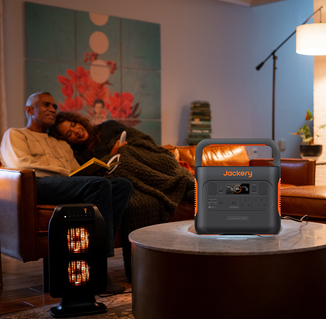


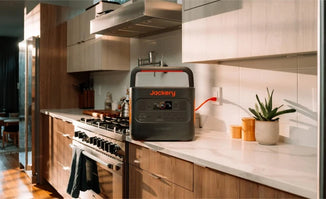
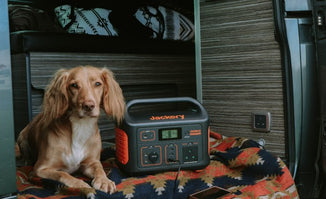


A CPAP machine stopping in the middle of the night is not just annoying. It can interrupt sleep therapy and make users feel anxious about going to bed during a power cut, storm or camping trip.
The good news is that a CPAP machine can run without mains electricity, as long as it has a safe alternative power source. This guide explains the main backup options, how to estimate battery runtime, what to check before buying, and how to plan more confidently for home, travel and off-grid use.
|
Key Takeaways: |
|
Can You Run a CPAP Machine without Electricity?
Yes, you can run a CPAP machine without mains electricity, but the machine still needs power from another source. A CPAP machine is an electrical medical device, so it cannot work with no power at all. In most cases, when people ask “how can I run my CPAP machine without electricity?”, they mean how to use it when there is no normal wall socket available, such as during a power cut, camping trip, overnight travel or off-grid stay.
The common options include a compatible CPAP battery, a portable power station, a vehicle power supply, a solar generator or a home backup system. The right choice depends on your CPAP model, its wattage, whether you use a heated humidifier or heated hose, and how many nights of backup power you need.
Safety should come first. CPAP machines can have different voltage and adapter requirements, so it is best to use a power source recommended or approved for your specific model. Before buying a third-party battery, inverter or adapter, check your CPAP manual or speak with your sleep clinic, equipment supplier or the manufacturer. This helps avoid power faults, poor performance or accidental damage to the machine.
Why CPAP Backup Power Matters?
CPAP therapy depends on a steady power supply, so even a short outage can interrupt sleep and treatment. For people who use CPAP every night, backup power is not just about convenience; it helps maintain breathing support during power cuts, travel, camping or unexpected electrical issues.

Overnight Power Cuts
A power cut is inconvenient for most households, but for CPAP users it can interrupt essential sleep therapy. If the machine stops during the night, the user may wake up suddenly, sleep poorly or feel anxious about whether the treatment has been effective. A backup power source helps keep the machine running when the mains supply fails.
Camping, Caravanning and Travel
Many CPAP users still want to camp, stay in a caravan or travel to places where a bedside socket is not guaranteed. Campsites may have limited hook-up points, and some rural accommodation may experience unstable power. A portable battery or power station can make these trips easier to plan.
Rural Homes and Unreliable Grid Supply
In some rural parts of the UK, power cuts may happen during bad weather, local faults or planned maintenance. Even short outages can matter if they happen after bedtime. Having a charged backup battery nearby can reduce the worry of going to sleep during unsettled weather.
Winter Storms and Planned Maintenance
Strong winds, heavy rain, snow and network repairs can all affect local electricity supply. During winter, when nights are longer and households rely more on electrical heating, lighting and medical devices, backup planning becomes more important.
Confidence During Sleep
For many CPAP users, backup power is not simply about convenience. It is about confidence. Knowing that the machine has another power source available can make sleep feel less stressful, especially for people who already worry about losing therapy during the night.
What Happens If the Power Goes Out While Using CPAP?
If the power goes out while you are using a CPAP machine, try not to panic. The machine will stop working, but most CPAP systems are designed with basic safety features that help reduce immediate risk. The main concern is that your sleep therapy is interrupted, which is why a sensible backup plan is useful.

The CPAP Machine Stops Delivering Pressure
A CPAP machine needs continuous power to deliver pressurised air. When the mains supply cuts out, the machine will stop blowing air through the hose and mask. This means it will no longer keep your airway open in the way prescribed for your sleep apnoea treatment.
Most Masks Allow Room Air to Be Breathed
Many CPAP masks include safety vents, exhalation ports or anti-asphyxia valves. These are designed to allow carbon dioxide to escape and, in some cases, allow room air to be breathed if airflow from the machine stops. However, the exact design depends on the mask, so users should always follow the instructions for their own equipment.
What to Do If You Wake Up
If you wake up and realise there is a power cut, remove the mask, switch the CPAP machine off and wait until power is restored or connect to a safe backup power source. Do not continue wearing the mask if the machine is off and you feel uncomfortable or short of breath.
When to Seek Medical Advice
If power cuts are common where you live, or if you have COPD, heart disease, oxygen therapy needs or other respiratory conditions, speak to your sleep clinic or healthcare provider. Do not modify your mask, block vents or use improvised power setups, as these can create safety risks.
How Much Power Does a CPAP Machine Use?
CPAP power use varies widely, so there is no single wattage that applies to every machine. A small travel CPAP may use far less power than a full-size bedside model with a heated humidifier and heated tube switched on. Your pressure setting, mask leak, ramp settings, room temperature and whether you connect through AC or DC power can also affect battery runtime.
As a general rule, the CPAP blower alone uses much less energy than a CPAP running with heated humidification. This matters when planning for a power cut or camping trip. Turning off the humidifier and heated tubing can greatly extend battery life, although comfort may be reduced, especially if you are used to warm, moist air.
|
CPAP machine example |
Power figure to check |
What it means for backup planning |
|
ResMed AirSense 11 |
65W power supply |
Allows for the device, humidifier and heated tubing, but actual overnight use may be lower depending on settings. |
|
ResMed AirSense 10 |
90W power supply |
A higher-capacity power source is useful if humidification or heated tubing is used. |
|
Philips DreamStation 2 |
80W power supply required for humidification |
Humidifier use can significantly increase power demand, so battery sizing should allow for this. |
|
Breas Z2 Auto travel CPAP |
20W typical, 35W maximum |
Lower power demand can make travel batteries easier to size. |
|
CPAP blower only, no heat |
Often much lower than heated use |
Usually the best setting for extending battery runtime. |
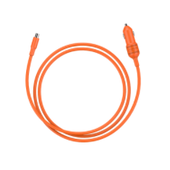
Before buying a battery or portable power station, check the label on your CPAP power adapter and the technical section of the manual. Look for voltage, amps and watts. If the machine supports a manufacturer-approved DC cable, it may be more efficient than running through an AC inverter, because less energy is lost in conversion.
Main Ways to Run a CPAP Machine without Mains Electricity
There is no single best backup method for every CPAP user. The right option depends on where you use the machine, how long you need backup power, whether you use humidification, and whether the solution is for travel, camping or home resilience.
|
Option |
Best for |
Advantages |
Things to check |
|
Dedicated CPAP battery |
Travel and overnight backup |
Designed for CPAP use, compact, easy to carry |
CPAP compatibility, runtime, airline rules |
|
Portable power station |
Home backup, camping, multiple devices |
Larger capacity, flexible outputs, useful beyond CPAP |
Pure sine wave AC, DC options, realistic runtime |
|
DC adapter cable |
Efficient battery use |
Reduces conversion losses and may extend runtime |
Correct voltage, connector and certified cable |
|
Car battery or 12V socket |
Short-term vehicle-based use |
Useful for camping, caravanning or travel |
Risk of draining vehicle battery, correct adapter |
|
Solar panel + battery |
Longer off-grid use |
Recharges during daylight |
Weather, season, charging speed and battery size |
|
Home battery system |
Household backup planning |
Supports wider energy resilience |
Backup function, installation setup and supported circuits |
Option 1: Use a Dedicated CPAP Battery
A dedicated CPAP battery is often the simplest answer for short outages, travel and one-night backup. These batteries are usually designed for specific CPAP models or compatible voltage ranges, so they can be easier to match with the right cable and settings.
They are compact, easy to carry and useful for flights, hotel stays or nights away from home. Some models are suitable for air travel, but airline rules and battery capacity limits should always be checked before flying. Runtime depends on the machine, pressure setting, battery size, humidifier use and heated tube use. In many cases, switching off heated humidification can make a major difference.
The downside is cost. Dedicated CPAP batteries can be more expensive per watt-hour than general portable power stations. They are best for users who want a compact CPAP-specific solution rather than a larger backup device for several household items.
Option 2: Use a Portable Power Station
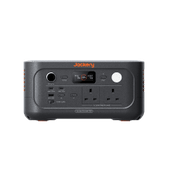
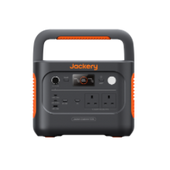
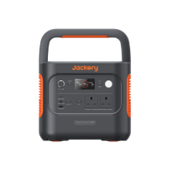
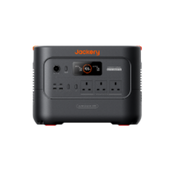
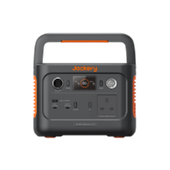
A portable power station is a rechargeable battery unit with AC sockets, USB ports and sometimes DC outputs. For CPAP users, it can be useful during UK power cuts, camping trips, caravanning or nights in places where a reliable socket is not guaranteed.
The main advantage is flexibility. A portable power station can run a CPAP machine and may also support a phone, lamp, Wi-Fi router or small medical device, depending on capacity and output. Larger units provide longer runtime, especially if the CPAP is used without humidification or heated tubing.
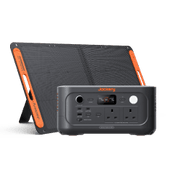
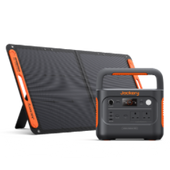
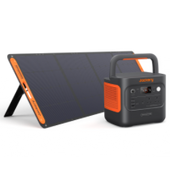
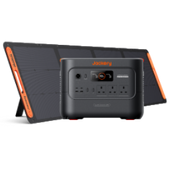
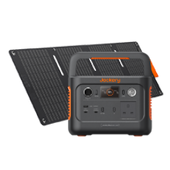
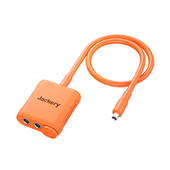
For sensitive electronics, a pure sine wave AC output is usually preferred. If the CPAP model supports DC input, using a compatible DC cable may be more efficient than using the AC socket, because less energy is lost through conversion. Jackery portable power stations are one example of this type of backup option, particularly for users who want one power source for CPAP, camping gear and essential devices.

Option 3: Use a DC Adapter for Better Efficiency
A standard UK plug supplies AC power. Many CPAP machines then convert that AC power into DC through the external power brick. If you run a CPAP from a battery through an AC inverter, the battery first converts DC to AC, and the CPAP power supply then converts AC back to DC. Each conversion wastes some energy.
A correct DC adapter can reduce these losses and help the battery last longer. This is especially useful for overnight backup, where even small efficiency gains can matter. However, the adapter must match the CPAP model, voltage and connector. A cable that fits physically is not automatically safe or suitable.
Avoid DIY wiring or improvised adapters. Use manufacturer-approved or certified compatible DC cables, and check with your sleep clinic, supplier or CPAP manufacturer if you are unsure.
Option 4: Use a Car Battery or Vehicle Socket
Some CPAP machines can run from a 12V or 24V vehicle power source with the correct adapter. This can be useful for camping, road trips and caravanning, especially when the CPAP is only needed for a short period.
A vehicle starter battery is not ideal for running a CPAP all night unless you understand the risk of draining it. If the battery drops too low, the vehicle may not start in the morning. A leisure battery in a campervan or motorhome is usually more suitable because it is designed for powering appliances over time.
Never run a vehicle in a garage, tent, awning or enclosed space to provide power. Exhaust fumes can cause carbon monoxide poisoning, which is dangerous and potentially fatal.
Option 5: Use Solar Charging for Off-Grid CPAP Use
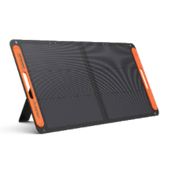
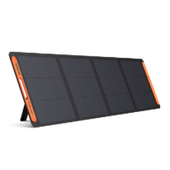
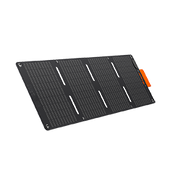
Solar panels do not usually run a CPAP machine directly overnight. Instead, the solar panel charges a battery during the day, and the battery powers the CPAP at night. This setup can work well for camping, cabins, caravans and longer off-grid stays.
In the UK, weather and season matter. Summer daylight can make solar charging more practical, while winter output is much lower due to shorter days, weaker sun and more cloud. The solar panel size and battery capacity should be planned together, not chosen separately.
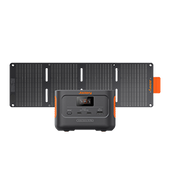
A Jackery Solar Generator setup can be relevant for users who want portable solar charging with battery storage for outdoor or backup use. The safest approach is to fully charge the battery before relying on it overnight, then treat solar as a way to extend use rather than the only source of power.
Option 6: Use a Home Battery Backup System
For households thinking beyond a single CPAP battery, a home battery system can form part of a wider backup plan. This is more relevant for homes with solar panels, evening electricity demand or repeated concerns about grid reliability.
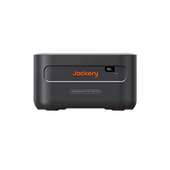
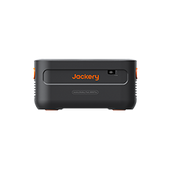
The Jackery SolarVault 3 Series is an example of a home energy storage system that stores solar energy for later use and supports smarter household energy management. For CPAP users, the key point is not that it is a medical device, but that a correctly configured home backup setup may help support essential low-power devices during selected backup scenarios.
Backup capability depends on the exact model, installation and supported circuits. Some systems only power certain loads, not every socket in the home. CPAP users should confirm whether the backup setup can power the bedroom socket or circuit used by their machine, and whether any switchover behaviour could interrupt therapy. For medical confidence, it may still be sensible to keep a CPAP-specific battery as a direct bedside backup.
Jackery SolarVault 3 Series and CPAP Backup Planning
The Jackery SolarVault 3 Series can be considered as part of a home solar storage strategy for households that want to store daytime solar generation and use it more intelligently later. For a CPAP user, this type of system is most relevant when the goal is broader household resilience, not simply a small battery for travel.
A home battery can help align solar production with evening and overnight demand, when a CPAP machine is normally in use. It may also support selected essential loads during certain backup scenarios, depending on the model, installation and circuit design.
The key question is practical: can the backup circuit actually power the bedroom socket used by the CPAP machine?

The Jackery SolarVault 3 Series is Jackery’s next-generation home solar storage solution, designed to help households generate, store, and use solar energy more efficiently. The series includes the SolarVault 3 Pro, SolarVault 3 Pro Max, and SolarVault 3 Pro Max AC, offering flexible options for balcony solar systems, existing PV installations, and larger home energy setups. With an integrated inverter, LiFePO4 battery technology, smart energy management, and expandable storage from 2.52 kWh to 15.12 kWh, the SolarVault 3 Series brings solar storage into a compact, modular, all-in-one system.
|
Jackery SolarVault 3 Series capacity |
CPAP at 30W, blower only |
CPAP at 60W, moderate use |
CPAP at 90W, heated use |
|
2.52kWh |
About 84 hours |
About 42 hours |
About 28 hours |
|
5.04kWh |
About 168 hours |
About 84 hours |
About 56 hours |
|
10.08kWh |
About 336 hours |
About 168 hours |
About 112 hours |
|
15.12kWh |
About 504 hours |
About 252 hours |
About 168 hours |
These figures are simple estimates based on battery capacity divided by CPAP power demand. Real runtime will be lower after inverter losses, standby consumption, temperature effects and any other devices connected at the same time. A sensible planning margin is to assume less than the table suggests.
For CPAP users, SolarVault 3 Series should be planned with professional installation and a clear understanding of backup limits. It can support household energy management, but users should still keep a dedicated emergency plan for medical equipment, such as a compatible CPAP battery or direct bedside backup.
How to Calculate CPAP Battery Runtime?
The easiest way to estimate CPAP battery runtime is to compare the usable battery capacity with the power your CPAP setup consumes.
Battery runtime = usable battery capacity ÷ CPAP power consumption
For example, if your CPAP setup uses around 40W and your battery provides 500Wh of usable capacity:
500Wh ÷ 40W = about 12.5 hours
This means the battery could, in theory, run the CPAP for one full night and part of a second night. However, real-world runtime is often lower than the simple calculation suggests. Energy can be lost through an AC inverter, especially if the battery powers the CPAP through a standard UK plug. Battery temperature, humidifier use, heated tubing, high pressure settings and built-in battery reserve limits can also reduce the final runtime.
A more cautious calculation is to allow a 10–20% margin, or more if you are using heated humidification. In the example above, a 500Wh battery may be better treated as roughly 10 hours of dependable backup rather than the full 12.5 hours.
For a realistic estimate, test the setup at home before relying on it during a power cut, camping trip or overnight travel. Run the machine with your normal settings and check how much battery remains in the morning.
How to Make Your CPAP Battery Last Longer?
Small changes can make a noticeable difference to CPAP battery runtime, especially when you are using a portable power station or compact travel battery. The aim is to reduce unnecessary power draw without affecting safe and comfortable therapy.
- Turn off the heated humidifier if clinically acceptable. Heated humidification is one of the biggest power users in many CPAP setups. Using the CPAP in blower-only mode can extend battery runtime significantly.
- Turn off the heated tube. A heated hose improves comfort, but it also uses extra energy. In mild conditions, some users may be able to use a standard tube during backup power use.
- Use the correct DC cable where possible. If your CPAP supports DC input, a compatible DC adapter can reduce energy loss compared with using an AC inverter.
- Fix mask leaks. A leaking mask can make the machine work harder to maintain pressure. Check the fit, cushion condition and headgear adjustment before travelling.
- Fully charge the battery before use. Do not rely on a half-charged battery for overnight therapy. Charge it fully before a power cut risk, camping trip or journey.
- Keep the battery warm and dry. Cold temperatures can reduce battery performance. Store the battery indoors where possible and keep it away from moisture.
- Do not power unnecessary devices from the same battery. Phones, lights and routers all reduce the energy left for CPAP use.
- Test one full night before travelling. Use your normal CPAP settings and check how much charge remains in the morning.
- Keep cables and adapters packed together. A charged battery is not useful if the correct CPAP cable is left at home.
Users who need humidification for comfort or medical reasons should speak with their sleep clinic before changing CPAP settings.
What to Look for in a CPAP Backup Battery?
Choosing a CPAP backup battery is not only about buying the biggest capacity. The safest and most useful option is the one that matches your machine, your sleeping routine and the places where you plan to use it.

Compatibility with Your CPAP Machine
Start with voltage and connector type. A battery may have enough capacity, but it still needs to deliver power in a way your CPAP machine can safely use. Check the CPAP manual, power supply label and approved accessories list before buying. If you are using a DC cable, it must match the correct voltage, polarity and connector.
Enough Capacity for the Night
Battery capacity is usually measured in watt-hours. A higher Wh figure usually means longer runtime, but your actual result depends on pressure setting, humidifier use, heated tubing and inverter losses. For overnight backup, choose a battery that gives you more runtime than you think you need, rather than cutting it too close.
AC and DC Output Options
If you plan to plug your CPAP into a normal UK-style mains socket on a portable power station, a pure sine wave AC output is usually preferred for sensitive electronics. If your CPAP supports DC input, a suitable DC output can be more efficient and may extend runtime.
Safety, Display and Daily Use
Look for clear safety certifications, built-in protection against overheating or overloading, and a battery display that shows remaining charge. Pass-through charging can be useful if you want the battery to stay connected while charging, but check whether the manufacturer supports this use. Quiet operation also matters because the battery may sit beside your bed.
Portability and Charging Flexibility
For travel, weight and size are important. For camping or longer outages, solar charging compatibility may be useful, although UK weather can limit charging speed. Also consider the warranty, customer support and suitable operating temperature, especially if the battery will be used in a tent, caravan, shed or cold room.
Who Needs Which CPAP Backup Option?
|
User situation |
Best option to consider |
Why |
|
Occasional short power cuts |
Dedicated CPAP battery |
Simple overnight backup for one machine |
|
Camping for one night |
CPAP battery or small power station |
Portable, easy to carry and quick to set up |
|
Camping for several nights |
Power station + solar panel |
Battery can be recharged during daylight |
|
Home with solar panels |
Home battery or power station |
Makes better use of stored energy for evening and overnight demand |
|
Travel abroad |
Travel CPAP battery |
Compact, easier to pack and often more flight-friendly |
|
CPAP plus other devices |
Larger power station |
More capacity and extra sockets for lights, phones or a router |
For many users, the best setup is a layered one: a compact CPAP battery for direct overnight support, and a larger portable power station or home battery system for broader household backup. This avoids relying on one solution for every situation.
FAQs
The following are the frequently asked questions about how to run CPAP machine without electricity:
1. How can I run my CPAP machine without electricity?
You cannot run a CPAP machine with no power source at all, but you can run it without mains grid electricity. The main options are a dedicated CPAP battery, portable power station, DC adapter cable, vehicle power source, solar generator or home battery backup system. Always check that the power source is compatible with your CPAP model.
2. How long will a CPAP run on a battery?
It depends on the battery capacity and how much power your CPAP setup uses. A simple estimate is: battery runtime = usable battery capacity ÷ CPAP wattage. For example, a 500Wh battery running a 40W CPAP setup may last around 12.5 hours in theory, but real runtime can be lower because of inverter losses, heated humidification and battery reserve limits.
3. Can I use a portable power station for my CPAP?
Yes, many CPAP users can use a portable power station, provided it has the correct output for the machine. If using the CPAP’s mains plug, a pure sine wave AC output is usually preferred. If the CPAP supports DC input, a compatible DC cable may improve efficiency.
4. Should I turn off the humidifier when running CPAP on battery?
Turning off the heated humidifier can greatly extend battery runtime because heating uses much more energy than the blower alone. However, if you need humidification for comfort or medical reasons, speak with your sleep clinic before changing settings.
5. Can I run a CPAP machine from a car battery?
Some CPAP machines can run from a 12V or 24V vehicle supply with the correct adapter. This can be useful for camping or travel, but running a CPAP overnight from a starter battery may drain the battery and stop the car from starting. A campervan leisure battery is usually more suitable.
6. Can solar panels run a CPAP machine?
Solar panels usually do not run a CPAP directly overnight. A more practical setup is to use solar panels to charge a battery during the day, then use the battery to power the CPAP at night. UK weather, season, panel size and battery capacity all affect how reliable this setup will be.
7. Is CPAP safe if the power goes off during sleep?
If the power goes off, the CPAP machine stops delivering pressure. Many masks have vents or safety valves that allow room air to be breathed, but users should follow the instructions for their own equipment. If you wake up during a power cut, remove the mask and turn the machine off. If you have additional respiratory conditions or frequent outages, speak with your healthcare provider.
8. What can I use to power my CPAP while camping?
For camping, the most practical options are a dedicated CPAP battery, a portable power station or a power station with solar panels for longer stays. A DC adapter can improve efficiency if your machine supports it. Test the full setup at home before relying on it outdoors.
Final Thoughts
Running a CPAP machine without mains electricity is possible, but the safest solution depends on your machine, settings and backup needs. A dedicated CPAP battery may be enough for one night, while a portable power station, solar generator or home battery system can offer more flexibility. Check compatibility first, test the setup at home, and speak with your sleep clinic or supplier before changing therapy settings or using third-party power accessories.


