

















![[Over £1200 Tier Gift] Bluetooth Speaker with Phone Stand - shipped Separately](http://uk.jackery.com/cdn/shop/files/Portable_Bluetooth_Speaker_with_Phone_Stand_2.png?v=1781595581&width=170)



















Whether you need dependable starting power for your vehicle, consistent energy for leisure activities, or a solid backup for your home, selecting the right type of battery can be confusing.
This guide explains exactly what an AGM battery is, its real-world advantages and disadvantages, and when it is the best choice for your needs.
What is an AGM Battery? The Technology Explained
AGM stands for Absorbed Glass Mat—a type of sealed, valve-regulated lead-acid (VRLA) battery. The name comes from the core technology that sets it apart from traditional flooded lead-acid designs.
Instead of a liquid electrolyte moving freely inside, AGM batteries use ultra-thin fiberglass mats between the lead plates to absorb and hold the electrolyte in place. This makes them completely sealed, spill-proof, and maintenance-free.
This unique construction provides several key benefits:
Vibration Resistance
The tightly packed components make an AGM battery exceptionally resistant to vibration. This makes them an ideal choice for off-road vehicles, boats, and high-performance cars where constant movement could damage a conventional battery.
Lower Internal Resistance
Compared to many traditional flooded batteries, AGM batteries have a lower internal resistance. This allows them to accept a charge faster and deliver higher bursts of current on demand, which is critical for vehicles with heavy electrical loads.
Installation Flexibility
Because the electrolyte is immobilised in the glass mats, most AGM batteries can be installed in various orientations, even on their side. Always check the manufacturer's specifications first, but this flexibility can be a significant advantage in tight spaces.
The Real-World Pros and Cons of AGM Batteries
Understanding both the strengths and weaknesses of AGM technology is key to deciding if it's the right fit for your application.
Key Advantages: Why Users Choose AGM
The primary reasons for choosing an AGM battery centre on safety, convenience, and performance. The sealed, spill-proof design means there is no need to ever top it up with distilled water, and it's significantly safer for use in enclosed spaces like a car boot or inside a caravan.
The performance benefits are equally compelling.
● Deep-Cycle Tolerance: AGM batteries handle deeper discharges better than standard starter batteries. This makes them well-suited for leisure applications and modern vehicles with start-stop technology that place recurring demands on the battery.
● Lower Self-Discharge: They lose charge much more slowly when not in use. This is a major advantage for seasonal vehicles like classic cars, motorcycles, or boats that are stored for long periods over winter.
Realistic Limitations: What to Watch Out For
Despite their advantages, AGM batteries have limitations that require careful consideration.
The Cost Concern
AGM batteries have a higher upfront price than their flooded counterparts. This cost should be weighed against their potential for a longer service life, zero maintenance requirements, and superior performance, which can offer better long-term value.
Performance Trade-offs
Not all AGM batteries are created equal. Some models are designed to prioritise deep-cycle ability for leisure use, which may come at the expense of maximum Cold Cranking Amps (CCA) needed for starting engines in frigid weather. Always check the specifications to ensure they match your primary need.
Common Failure Causes
Many reported failures of AGM batteries stem from improper use. Using a standard battery charger without a specific AGM mode can lead to overcharging and permanent damage. Likewise, installing an AGM in a vehicle not designed for it can cause issues with the charging system.
Environmental Considerations
While lead-acid batteries are highly recyclable, they contain hazardous materials. They must be taken to a certified battery recycling centre or returned to the retailer for proper disposal to prevent environmental harm.

Common UK Use Cases: Where AGM Shines (and Where Alternatives Excel)
AGM technology excels in specific roles, but for many portable power needs, other solutions might be superior.
For Cars: Start-Stop and High-Demand Electronics
The primary automotive use for an AGM battery is in modern vehicles equipped with start-stop technology and extensive onboard electronics. These systems require a battery that can handle frequent, deep discharges and recharge quickly, a task for which AGM is perfectly designed.
When replacing an AGM battery in a compatible vehicle, always consult the owner's handbook. Many cars require the new battery to be "coded" or registered with the vehicle's management system by a professional to ensure proper charging and function.
For Leisure & Overlanding: An Alternative to AGM Setups
Traditionally, AGM deep-cycle batteries have been a popular choice for powering 12V fridges, lights, and other accessories in caravans, motorhomes, and overland setups. They are valued for their deep-cycle tolerance and sealed design.
However, for users who need significant, portable power without the complexity of wiring, fusing, and permanent installation, a portable power station with a LiFePO4 battery is a far more flexible solution.
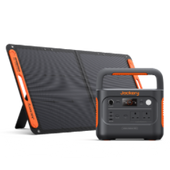
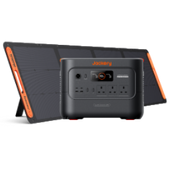
● Jackery Solar Generator 2000 v2
o Battery: 2042Wh LiFePO4
o Lifespan: 10+ years (4000 charge cycles)
o Output: Powers a 300W camping fridge for over 5 hours on a single charge.
This unit offers a complete grab-and-go power system that can be charged via solar panels, an AC wall outlet, or your vehicle's 12V socket, providing unmatched versatility compared to a fixed AGM battery.
For Home Backup Power: AGM vs. Portable Power Stations
AGM batteries can be used in Uninterruptible Power Supply (UPS) systems for home electronics, but they are often limited in capacity and are not portable. For a comprehensive home power outage solution, a high-capacity solar generator is a modern, powerful, and user-friendly alternative. Read more on our Guide on rechargeable batteries vs. solar batteries, which highlights these differences.
The best choice for a backup battery is a system designed for this purpose.
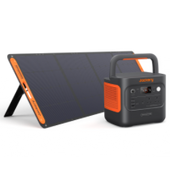
● Jackery Solar Generator 3000 v2
o Battery: 3072Wh LiFePO4
o Recharge Time: Just 1.7 hours from a wall outlet.
o Output: Powers a full-size fridge (500W) for over 6 hours.
This portable power station provides massive capacity and features UPS-level functionality, switching to battery power in under 20ms to keep your essential devices running. It is also compatible with a manual transfer switch for seamless integration into your home's circuits.
A Practical Guide to Choosing and Maintaining Your AGM Battery
If an AGM battery is the right choice for your vehicle, following a clear checklist before purchase and adhering to best practices for maintenance will ensure you get the best performance and lifespan.
Your Pre-Purchase Checklist
|
Checklist Item |
Action Required |
|
Confirm Compatibility |
Always check your vehicle's handbook for the Original Equipment Manufacturer (OEM) recommended battery type. |
|
Match the Specifications |
Verify the physical dimensions (length, width, height), terminal type (e.g., Post, Stud), and polarity (+/-). |
|
Check Performance Ratings |
Ensure the CCA rating meets your car's starting needs, or the Amp-Hour (Ah) rating suits your deep-cycle use. |
Best Practices for Charging and Long-Term Health
Proper charging is the single most important factor in the health of an AGM battery.
Use the Correct Charger
You must use a modern smart charger that has a specific "AGM" setting. This mode adjusts the voltage to prevent overcharging, which can dry out the glass mats and cause irreversible damage.
Understand Charging Parameters
While you should always follow the battery manufacturer's datasheet, typical AGM charging involves an absorption voltage around 14.4V and a float (maintenance) voltage around 13.2–13.6V. Using a charger that exceeds these values will shorten the battery's life.
Simple Maintenance Tips
● Keep the battery terminals clean and ensure connections are tight to prevent power loss.
● For vehicles in long-term storage, use a battery maintainer or tender with an AGM mode to keep it fully charged.
● To maximise lifespan, avoid regularly discharging the battery below a 50% state of charge.
Conclusion: Making the Right Power Choice for Your Needs
AGM batteries are tough and dependable, making them ideal for specific uses—like starting modern vehicles with start-stop systems or in sealed setups that need vibration resistance. Their maintenance-free design is a clear upgrade over traditional flooded batteries in these roles.
But if you need portable, high-capacity power for camping, overlanding, or home backup, a modern LiFePO4 portable power station is often the better choice. These all-in-one units are easy to use, require no complex installation, and can charge via solar, AC, or your car.
In the end, your best investment depends on your main goal—choose a fixed AGM battery for vehicle starting, or a flexible portable solution like a Jackery Solar Generator for everything else.
Frequently Asked Questions
How does temperature affect AGM battery performance and lifespan, especially in extreme UK weather?
Extreme cold reduces an AGM battery's available capacity and cranking power, while high heat accelerates degradation and shortens its lifespan. Storing vehicles in a garage and using a thermal battery wrap can help mitigate these effects.
Can I mix AGM batteries with other battery types (e.g., flooded, gel) in a multi-battery system?
No, you should never mix battery chemistries in the same bank, as their different charging requirements will lead to under- or overcharging. This will damage all batteries in the system and can create a safety hazard.
What specific certifications or standards should I look for when purchasing an AGM battery in the UK?
Look for batteries that comply with relevant UKCA and CE markings, which indicate conformity with health, safety, and environmental protection standards. Certifications like ISO 9001 for quality management are also good indicators of a reputable manufacturer.
Are there any common misconceptions about AGM batteries that users should be aware of?
A common myth is that AGM batteries are "unkillable," but they are highly sensitive to overcharging from incorrect chargers. Another is that they always provide more cranking amps than flooded batteries, which is not always true; specs must be compared.
When is it truly cost-effective to replace a standard flooded battery with an AGM battery in an older vehicle without start-stop technology?
An AGM upgrade can be cost-effective if the vehicle is stored for long periods (due to lower self-discharge) or used in high-vibration environments like off-roading. It's also beneficial if you have installed significant aftermarket electronics that create a high parasitic drain.


