











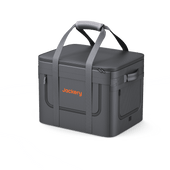


















Camping is one of the most rewarding ways for families to reconnect with nature, spend quality time together, and take a break from screens and busy schedules. Whether you're a seasoned outdoor family or you're used to luxury family holidays or even the best all-inclusive resorts for families, camping offers a refreshing and affordable alternative that's flexible, fun, and packed with adventure.
In this guide, we’ll explore the best times and places for family camping holidays in the UK in 2026, practical planning tips, must-pack essentials, eco-friendly practices, and how Jackery Portable Power Stations can power your next off-grid adventure—whether you're after a budget break or a more comfortable, high-end camping experience.
|
Key Takeaways: |
|
Best Time for Family Camping in the UK (2026)
For families in the UK, the best time for camping in 2026 is during the summer school holidays, especially from late July to mid-August.
Many English schools break up around 21–23 July 2026 and return after 31 August 2026, while Welsh school summer holidays commonly run from around 21 July to 31 August 2026, though dates vary by local authority and school.
|
Camping Period |
2026 Timing |
Best For |
|
Summer holiday: England & Wales |
Around 21/23 July–31 August 2026 |
Best overall family camping period: warm weather, long daylight, school-free travel |
|
Best summer window |
Late July to mid-August 2026 |
Family tents, coastal campsites, national parks, activity holidays |
|
August Bank Holiday |
Monday 31 August 2026 |
Long-weekend camping, last summer trip before school returns |
|
Autumn Half Term: England |
Usually Monday 26 October–Friday 30 October 2026 |
Quieter campsites, autumn walks, forest camping, cabins or glamping |
The August Bank Holiday weekend is useful if parents want one final summer break without using many annual leave days. In 2026, the summer bank holiday in England and Wales falls on Monday 31 August. However, it is usually one of the busiest travel weekends of the year, so families should expect higher campsite prices, fuller pitches and more traffic.
Autumn Half Term 2026 is better for families who prefer quieter campsites and lower prices. In many English local authorities, autumn half term falls around 26–30 October 2026, but dates vary, so parents should check their council or school calendar before booking.
Tips for Booking Camping during Peak Time
Book popular campsites 3–6 months in advance, especially in Cornwall, Devon, Dorset, the Lake District, Snowdonia/Eryri, the Peak District and coastal Wales. Choose a campsite with family facilities such as toilets, showers, laundry, playgrounds, food options and wet-weather activities. For August Bank Holiday, try to arrive on Thursday evening or Friday morning rather than Friday evening to avoid the worst traffic.
For better value, consider the last week of July or the final week before schools return. These dates can be slightly less crowded than early August, while still giving families warm weather and long evenings. For autumn half term, choose campsites with hardstanding pitches, heated facilities, cabins, pods or electric hook-up, because nights can be cold and damp.

Top Family-Friendly Camping Spots in the UK
The UK is blessed with incredibly diverse landscapes—from dramatic coastlines to tranquil forests and rugged mountains. Here are five of the best family camping destinations in 2026, each offering its own unique charm and appeal for families seeking both adventure and comfort:
1. Lake District
The Lake District is one of the best family camping destinations in the UK because it combines lakes, gentle walking routes, boat trips, forest trails and mountain views in one place. Families can camp near popular areas such as Windermere, Ullswater, Keswick or Coniston, where there are plenty of child-friendly activities, cafés, visitor centres and rainy-day options.
The Lake District National Park also provides campsite and glamping booking options, making it easier to compare locations across the area.
For families, the main advantage is variety. Younger children can enjoy lake cruises, paddling, wildlife spotting and short woodland walks, while older children can try kayaking, paddleboarding, cycling or more adventurous hikes. A site such as Low Wray Campsite near Windermere is a good example of the family-friendly style, with tent, campervan, pod and safari tent options close to England’s largest lake.
- Activities: Family hikes around Derwentwater, lake kayaking, boat rides, visits to The World of Beatrix Potter.
- Top Campsites: Castlerigg Hall, Keswick Camping & Caravanning Club, Low Wray Campsite (with glamping pods).
- Why it works for families: Safe trails, local shops, nearby restaurants, and top-tier facilities.
- Bonus: Ideal for introducing kids to gentle adventure, while parents can enjoy a glamping option for added luxury.

2. Cornwall
Cornwall is ideal for families who want camping near beaches, surfing schools, coastal walks and classic seaside towns. It works especially well for summer camping because children can spend days between the beach, rock pools, ice cream shops, family attractions and short coastal walks. Visit Cornwall highlights beaches, water sports, all-weather family attractions and woodland trails as part of the county’s appeal.
For family camping, look around Newquay, St Ives, Padstow, Fowey, Looe, Bude or the Lizard Peninsula depending on whether you want surf, quieter coves or easy access to attractions. National Trust coastal campsites in Cornwall include options within walking distance of the sea, which is useful if you want a simple outdoor holiday without driving every day.
- Activities: Beach days, surfing lessons in Newquay, visiting the Eden Project, cliff walks.
- Top Campsites: Trewan Hall, Trevornick Holiday Park, Polruan Holidays.
- Great for: Seaside fun, younger kids, and combining nature with educational attractions.
- Family Tip: Many sites offer kids' clubs and pools—great alternatives to all-inclusive resorts for families.

3. Wales (Snowdonia & Pembrokeshire)
Wales is excellent for families who want a mix of mountains and beaches. Snowdonia, now also known as Eryri, is better for adventurous families who enjoy walking, waterfalls, lakes, steam railways and dramatic mountain scenery.
Camping near Beddgelert, Betws-y-Coed, Llanberis or the base of Yr Wyddfa/Snowdon gives families easy access to scenic walks and outdoor activities. National Trust Wales lists campsites in areas including Eryri and Pembrokeshire, with Hafod y Llan Campsite described as a rustic site below the Watkin Path at the base of Yr Wyddfa.
Pembrokeshire is better if your family wants beaches, coastal paths, boat trips and wildlife. It is a strong choice for children who enjoy sand, sea, castles, puffin-spotting trips and gentle coastal walks. Visit Wales also highlights family camping options across Wales for tents, caravans and motorhomes, with beach camping choices that include family-focused sites and children’s play facilities.
- Activities: Hiking in Snowdonia, beachcombing and coasteering in Pembrokeshire, exploring Harlech Castle.
- Top Campsites: Aberafon, Caerfai Bay, Llyn Gwynant Campsite.
- Added bonus: Rich wildlife, educational value, and wide-open spaces for safe roaming.
- Why it stands out: A perfect balance of natural wonder and adventure—suitable for families with children of all ages.

4. Scotland (Loch Lomond & The Cairngorms)
Scotland offers a more remote and wild experience—perfect for stargazing and disconnecting from everyday life. Loch Lomond & The Trossachs is one of Scotland’s most accessible family camping areas, especially for families travelling from Glasgow, Edinburgh or northern England. The area offers lochside views, forest walks, boat trips, cycling routes and gentle outdoor activities without needing to travel deep into the Highlands.
The Cairngorms are better for families who want a bigger wilderness feel, with forests, mountains, rivers, wildlife parks, cycling routes and outdoor adventure centres. It suits families with older children who enjoy active days, but there are also easier walks and nature-based attractions for younger children. Scotland is especially good for families who want longer daylight in summer, cooler camping temperatures and a more spacious outdoor feel.
- Activities: Paddleboarding on Loch Lomond, wildlife watching, visiting dark sky parks, scenic train rides.
- Top Campsites: Cashel Campsite, Rothiemurchus, Glenmore Campsite.
- Best for: Older kids, adventurous families, and those seeking serenity.
- Tip: Consider glamping cabins or luxury safari tents to blend wilderness with comfort.

5. New Forest (Hampshire)
The New Forest is one of the easiest family camping choices in southern England. It is especially good for first-time campers because the landscape is gentle, campsites are often close to villages, and activities are simple: walking, cycling, pony spotting, picnics, forest trails and short drives to the coast.
It is less physically demanding than mountain areas, so it works well for younger children or families who want a relaxed weekend rather than a full adventure holiday.
Families can base themselves near Brockenhurst, Lyndhurst, Burley, Ashurst or Lymington for easy access to forest trails, bike hire, cafés and beaches on the Hampshire coast. The main thing to remember is that the New Forest is very popular in school holidays and bank holidays, so family-friendly pitches, electric hook-ups and glamping units should be booked early.
- Activities: Cycling, wildlife spotting (look out for deer and ponies), family picnics, visiting Peppa Pig World nearby.
- Top Campsites: Hollands Wood, Ashurst Campsite, Sandy Balls Holiday Village.
- Budget tip: This area provides a more affordable alternative to high-end family resorts yet offers ample charm and convenience.
- Why it appeals: Accessible for families new to camping; well-equipped and centrally located.
- Luxury Tip: If you love the comfort of luxury family holidays, consider glamping in any of these regions—many offer bell tents, treehouses, and hot tubs for a high-end outdoor escape without compromising on nature.

What to Pack for Camping with Kids?
Family camping in Holidays is easier when you pack for comfort, safety, weather changes, food, sleep and entertainment. The goal is not to bring everything, but to bring the right things that make family camping less stressful.
Sleeping Essentials
Pack warm, comfortable sleeping gear because children often feel the cold more at night.
- Family tent with enough space
- Sleeping bags suitable for UK night temperatures
- Sleeping mats or air beds
- Pillows
- Extra blankets
- Kids’ pyjamas and warm socks
- Eye masks or comfort toys for bedtime
Clothing for Changing Weather
UK camping weather can change quickly, even in summer. Pack layers rather than only summer clothes.
- Waterproof jackets
- Fleece or warm jumpers
- T-shirts and long-sleeve tops
- Shorts and trousers
- Spare underwear and socks
- Wellies or waterproof shoes
- Trainers or walking shoes
- Sun hats and warm hats
- Extra clothes for wet or muddy days
Food and Cooking Gear
Simple meals work best when camping with children. Choose food that is quick to prepare and easy to clean up.
- Camping stove or BBQ where allowed
- Gas canisters or fuel
- Cooler box
- Reusable plates, bowls and cups
- Cutlery
- Pan, kettle and cooking utensils
- Snacks, fruit and breakfast food
- Refillable water bottles
- Washing-up bowl, sponge and biodegradable soap
- Rubbish bags
Safety and First Aid
A small safety kit is essential, especially if children are running around campsites, beaches or forest trails.
- First aid kit
- Plasters and antiseptic wipes
- Children’s pain relief
- Any regular medication
- Insect repellent
- Sunscreen
- Torch or headlamp
- Spare batteries
- Whistle
- Emergency contact details
- Hand sanitiser
Hygiene and Toiletries
Good hygiene makes camping more comfortable for the whole family.
- Toothbrushes and toothpaste
- Towels
- Wet wipes
- Toilet roll
- Soap and shampoo
- Hairbrush
- Nappies, if needed
- Travel potty, if needed
- Laundry bag for dirty clothes
- Flip-flops for campsite showers
Entertainment for Kids
Children do not need lots of toys, but a few simple activities can help during quiet moments or rainy weather.
- Books
- Card games
- Colouring books and pencils
- Ball or frisbee
- Bucket and spade for beach trips
- Binoculars for wildlife spotting
- Nature scavenger hunt sheet
- Small board games
- Tablet for emergencies or rainy evenings
Power and Lighting
Power is especially useful for family camping because phones, lights, cameras and small appliances may need charging.
- Lanterns
- Head torches
- Phone chargers
- Power bank
- Extension cable for electric hook-up, if available
- Portable power station for longer trips
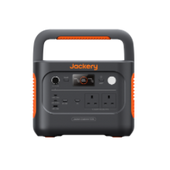
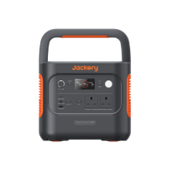
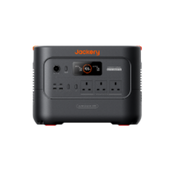
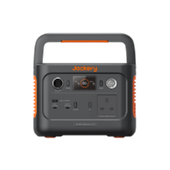
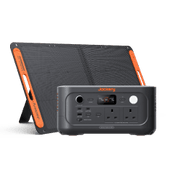
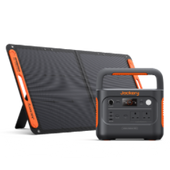
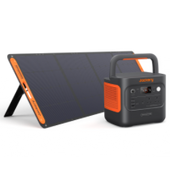
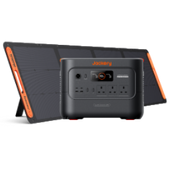
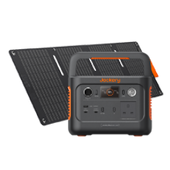
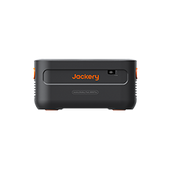
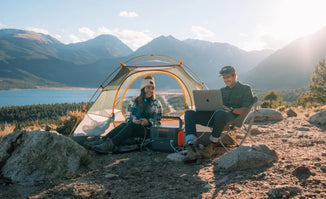
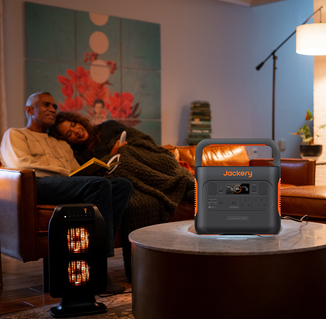
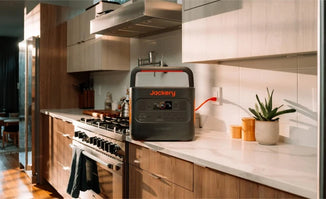
For families using phones, cameras, lights, a cool box, projector or small cooking devices, a portable power station such as a Jackery Explorer 1000 v2 or 500 v2 can make camping more convenient, especially at campsites without electric hook-up.
Pack items into clear categories: sleeping, clothing, cooking, safety, hygiene, entertainment and power. This makes it easier to find things quickly at the campsite and helps avoid forgetting important family essentials.

Family Camping Guide: Essentials for 2026
A family camping holiday in the UK can be affordable, flexible and memorable, but comfort depends on good preparation. For 2026, parents are likely to care most about four things: a practical tent setup, simple food planning, reliable power, and keeping children warm, dry and entertained in changeable UK weather.
Family Tent and Sleeping Setup
A good family tent should give everyone enough space to sleep, move around and store clothes without feeling cramped. For most families, it is better to choose a tent that is one or two sizes larger than the number of people staying in it. For example, a family of four may feel more comfortable in a 5-person or 6-person tent, especially on longer holidays.
Look for a tent with separate sleeping areas, a central living space and a porch or sheltered entrance. This makes it easier to keep muddy shoes, wet coats and cooking gear away from sleeping bags. Blackout bedrooms are also useful for children because they can help reduce early morning light during summer camping.
Food & Cooking Ideas
Family camping food should be simple, quick and easy to clean up. The best meals are usually one-pan or one-pot recipes that do not need many ingredients.
- Breakfast can be cereal, porridge, eggs, toast, fruit or pancakes.
- Lunch can be wraps, sandwiches, pasta salad or soup.
- Dinner can include BBQ food, hot dogs, one-pot pasta, rice dishes, noodles, jacket potatoes or pre-prepared meals heated at the campsite.
Snacks are just as important as meals when camping with children. Pack cereal bars, fruit, biscuits, crisps, crackers, marshmallows, hot chocolate and plenty of water. It is also useful to prepare some food at home before travelling, such as chopped vegetables, marinated meat, cooked pasta or pancake mix.
A basic family camping kitchen should include a camping stove, lighter, pan, kettle, chopping board, cutlery, plates, mugs, washing-up bowl, sponge, bin bags, cool box and food storage boxes. Keep meals easy and familiar, especially for younger children. Camping is not the best time to test complicated recipes.
Electric Hook-up or Portable Power
Many UK campsites offer electric hook-up pitches, which are useful for longer family trips. An electric hook-up can power lights, phone chargers, a cool box and some low-power camping appliances. However, campsite power is limited, so families should avoid running several high-wattage appliances at the same time. Kettles, heaters, hair dryers and electric cooking equipment can quickly overload a campsite supply.
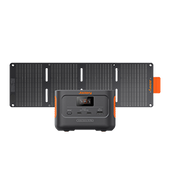
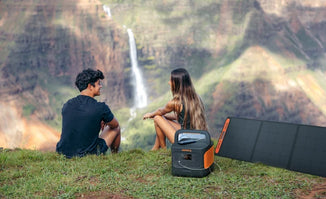
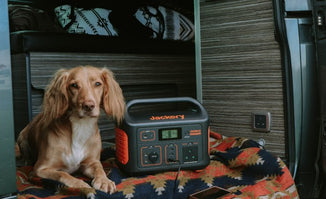
Portable power is becoming more useful for family camping because it gives more flexibility. A portable power station, like Jackery Portable Power Station, can charge phones, tablets, cameras, lights, speakers, mini fridges, laptops and camping fans without relying on an electric pitch. This is especially helpful for non-electric pitches, festivals, road trips, beach camping, forest campsites or emergency backup.

How to Keep Children Warm, Dry and Entertained
UK weather can change quickly, so keeping children warm and dry should be a priority.
- Pack waterproof jackets, wellies, spare socks, fleece layers, hats and quick-dry clothes.
- Avoid cotton for cold or wet conditions because it takes longer to dry.
- Store spare clothes in waterproof bags or plastic boxes so they stay dry even if the tent becomes damp.
Inside the tent, use rugs or foam mats to make the floor warmer. Keep sleeping bags off the ground with insulated mats or camp beds. At night, give children warm pyjamas, extra blankets and a small torch or lantern so they feel secure. A hot water bottle can also help, but it should be used safely and checked carefully.
Entertainment does not need to be complicated. Bring card games, colouring books, footballs, frisbees, nature scavenger hunts, glow sticks, storybooks and simple board games. Campsites near beaches, forests, lakes, cycle paths or family attractions can make the holiday easier because children have more to do naturally. For rainy days, prepare indoor games, snacks, films on a tablet, or nearby cafés and attractions as backup options.
How Jackery Powers Your Family Camping Trip
Modern family camping no longer means going completely off-grid. Whether you're planning a cheap family vacation with minimal gear or seeking a luxury family holiday that rivals the best all-inclusive resorts for families, power access can significantly elevate your comfort and safety during your outdoor escape.
Jackery Portable Power Stations are designed with families in mind—combining convenience, durability, and eco-friendly innovation. Here’s how the Jackery Portable Power Stations in the UK can transform your camping holidays in 2026.

Jackery Explorer 500 v2: Lightweight Comfort for Short Family Trips
The Jackery Explorer 500 v2 is a good choice for short family camping trips, weekend breaks and lighter setups. It has a 512Wh battery capacity and 500W output, enough for essentials such as phones, tablets, camping lights, a small fan, camera batteries, a laptop or a small fridge within its power limit. It also weighs only 5.7kg, so it is easy to carry from the car to the tent or move around the campsite.
For families, the Explorer 500 v2 adds comfort without taking up much space. It can keep kids’ tablets charged for rainy evenings, power LED lights inside the tent, run a small fan on warm nights, or support a cool box for snacks and drinks. It is best for families who mainly need charging, lighting and low-power appliances, rather than high-wattage cooking devices.
Jackery Explorer 1000 v2: More Power for Family Camping Setups
The Jackery Explorer 1000 v2 is better for families who want more freedom and longer runtime. It has a 1070Wh capacity, 1500W AC output and 3000W surge power, making it suitable for a wider range of camping equipment than a smaller power station.
This model is useful if your family wants to run several devices at once, such as a portable fridge, LED lights, phones, laptops, camera gear, speakers, air pump, projector or coffee maker. The higher output also gives more flexibility for short use of higher-demand appliances, as long as the total load stays within the rated limit.
For longer family camping, glamping-style setups or trips without electric hook-up, the Explorer 1000 v2 is the more comfortable choice.
How Long Does a Jackery Portable Power Station Last for Camping?
The runtime depends on three things: battery capacity, appliance wattage and efficiency loss. A simple estimate is:
Runtime = battery capacity × 0.85 ÷ device wattage
The 0.85 allows for normal inverter and conversion loss.
|
Camping Device |
Typical Power |
Explorer 500 v2, 512Wh |
Explorer 1000 v2, 1070Wh |
|
Phone charging |
10Wh per charge |
Around 40+ charges |
Around 80+ charges |
|
LED camping light |
10W |
Around 43 hours |
Around 90 hours |
|
Portable fan |
30W |
Around 14 hours |
Around 30 hours |
|
Laptop |
60W |
Around 7 hours |
Around 15 hours |
|
Mini fridge/cool box |
50W average |
Around 8–9 hours |
Around 18 hours |
|
Projector |
100W |
Around 4 hours |
Around 9 hours |
|
Coffee maker |
800W |
Not suitable for many models |
Around 1 hour of total use |
In real camping use, families usually run a mix of devices rather than one appliance continuously. That means the Explorer 500 v2 can often cover a simple weekend of phone charging, lights and small electronics, while the Explorer 1000 v2 is better for a family weekend with a fridge, lights, entertainment and more frequent charging.
Family Camping Safety Tips
Family camping in the UK can be safe and enjoyable if you prepare for weather, fire, food, water and night-time risks. When camping with children, the key is to set simple rules before the trip and keep essential safety items easy to reach.
Tip 1: Choose a Safe Pitch
Pick a flat, dry camping spot away from steep slopes, rivers, cliff edges, unstable trees and busy campsite roads. Avoid pitching at the bottom of a hill where rainwater may collect. If you are camping near the coast, check tide times and avoid areas that could flood.
Tip 2: Keep Fire and Cooking Areas Away from Children
Set up your stove, BBQ or fire pit well away from the tent entrance and sleeping area. Children should understand that cooking equipment stays hot even after use. Never cook inside a tent or enclosed awning, because this can cause fire risk and carbon monoxide poisoning.
Tip 3: Prepare for UK Weather
UK weather can change quickly, even in summer. Pack waterproof jackets, warm layers, spare socks, hats, sun cream and insect repellent. Keep dry clothes in waterproof bags or plastic boxes. At night, children may get cold quickly, so bring insulated sleeping mats, warm sleeping bags and extra blankets.
Tip 4: Bring a First Aid Kit
A family camping first aid kit should include plasters, bandages, antiseptic wipes, pain relief suitable for adults and children, insect bite cream, tweezers, blister plasters, allergy medicine and any personal medication. Keep it in a fixed place so everyone knows where it is.
Tip 5: Make Night-Time Movement Safer
Give each child a torch or small lantern. Mark tent ropes with bright tags or lights to stop people tripping at night. Walk the route to the toilet block together before bedtime so children know where to go and how to return safely.
Booking Resources
Make planning easier with these resources and final recommendations:
Booking Platforms
- Pitchup: Filter by family-friendly, dog-friendly, glamping, and more.
- Hipcamp: Curated campsites across the UK.
- National Trust: Combine camping with heritage site visits.
Apps for the Road
- Met Office Weather: Real-time weather forecasts.
- OS Maps: Navigation and route planning.
- Park4Night: Find camper van and tent spots across the UK.
Budget to Luxury
Many sites offer pricing tiers, from basic pitches for a cheap family vacation to fully furnished glamping tents perfect for those used to all-inclusive resorts for families.
Look for family discounts, loyalty programs, and off-peak deals.
FAQs
The following are the frequently asked questions about the family holidays camping in the UK:
1. Where's the best place for family camping in the UK?
Top family camping spots in the UK for 2026 often feature activities for children, clean facilities, and scenic locations, including sites in the Lake District, Cornwall, and North Yorkshire.
2. What is the best holiday park in the UK for families?
Finding the "best" holiday park depends on your family's style, but Haven's Hafan y Môr in North Wales and Center Parcs (with locations like Elveden Forest) consistently rank as top choices. They offer the ultimate mix of extensive swimming complexes, children's activities, and on-site dining.
3. What is the 28 day rule regarding camping?
The "28-day rule" is a UK planning law provision under Permitted Development Rights. It allows landowners to temporarily use their land (such as a field) as a pop-up campsite for up to 28 days in a single calendar year without needing formal planning permission.
4. What is the best holiday camp in the UK?
The "best" holiday camp depends entirely on what you want from your trip, as different parks excel at different experiences. For action-packed family fun, Center Parcs is widely considered the premium choice, while Trevornick in Cornwall is a top multi-award-winning option for outdoor enthusiasts.
5. Where is it nice to go camping in the UK?
The UK is packed with incredible camping spots, from dramatic coastlines to mountainous national parks. Top destinations include the Lake District (Cumbria) for breathtaking fells, Snowdonia (Wales) for mountain adventures, and Cornwall for rugged beaches and surfing.
Conclusion
A successful family camping holiday in the UK depends on choosing the right time, destination, campsite and equipment. For 2026, late July to mid-August is the strongest family camping window, while the August Bank Holiday and autumn half term offer useful alternatives for shorter or quieter breaks. Destinations such as the Lake District, Cornwall, Wales, Scotland and the New Forest give families plenty of choice, from beach holidays and forest walks to lakeside adventures and glamping escapes.


