





























Sudden temperature drops hit your wallet as hard as your comfort. With energy prices remaining high and many UK homes struggling with poor insulation, a severe cold front brings genuine risks beyond just shivering. Rising bills, dampness, and health complications are immediate concerns when the mercury plummets.
You do not need to rely solely on expensive central heating to stay safe. By focusing on personal warmth, moisture management, and reliable emergency power, you can maintain a comfortable environment even when the weather turns hostile. This guide details proven, low-cost strategies to beat the freeze.
Understanding the Weather: Tracking the Chill
A cold front occurs when a mass of cold air displaces a warmer air mass, creating a distinct meteorological boundary. This transition triggers sharp temperature drops, gusty winds, and often heavy rain or snow. Understanding the mechanics of this weather event helps you prepare effectively.
Planning Ahead with Weather Maps
Meteorological data is your first line of defence. Monitor a Cold front map to predict exactly when freezing temperatures will arrive.
- Timing is key: Use map data to time your heat room preparation. Start warming your designated space 30 minutes before the temperature drop hits.
- Wind direction: Identify wind direction on the map. In the UK, northerly or easterly winds bite hardest. Wind-driven rain significantly increases heat loss in exposed walls and draughty windows.
- Health risks: Cold homes are dangerous. Temperatures below 18°C increase the risk of respiratory infections and raise blood pressure, putting vulnerable groups at risk of hypothermia and heart issues.
Preparing Your Home for the Drop
Layering Clothing for Indoor Warmth
Heating the person is far cheaper than heating the house. Effective Cold front clothing relies on trapping air between layers of fabric, and understanding How to Keep Warm in Winter begins with the right materials.
- Base layer: This is critical. Wear moisture-wicking materials like merino wool or synthetic thermal fabrics to keep skin dry. Avoid cotton; once cotton gets damp from perspiration, it draws heat away from the body.
- Mid-layer: Use fleece or wool jumpers. These materials have a lofted structure that traps body heat effectively.
- Outer layer: If you are sitting in a draughty area, add a wind-resistant shell or a tightly woven gilet to stop moving air from stripping away your warmth.
- Extremities: Heat loss is rapid from the head and feet. Wear thermal socks, grip-soled slippers to insulate against cold floors, and a beanie hat.
Draught-proofing and Insulation
Stopping cold air ingress is the most cost-effective step you can take.
- Seal the gaps: Place fabric snakes or rolled towels under doors to stop draughts. Apply tape-free window film to single-glazed windows; this creates a sealed air gap that mimics double glazing.
- Floor and Window Insulation: Cover bare floorboards with thick rugs. Up to 10% of heat is lost through uninsulated floors. Close curtains immediately at dusk to trap the heat generated during the day.
Smart Strategies for Localised Warmth
Heating the Person Instead of the House
Focus your energy consumption on keeping your body warm rather than heating empty cubic metres of air.
- Direct heat sources: Use hot water bottles and microwavable wheat bags. These provide targeted warmth to the core or feet.
- Electric blankets: These are highly efficient. An electric blanket costs pennies to run compared to gas central heating. Pre-warm your bed for 20 minutes before getting in to trap heat under the duvet.
Safe Power Solutions
Running heating textiles requires a reliable power source, especially if you are limiting mains usage to save money or facing grid instability.
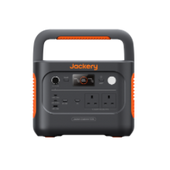
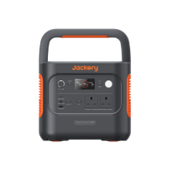
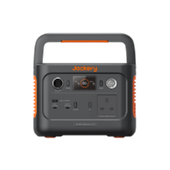
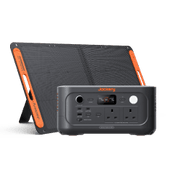
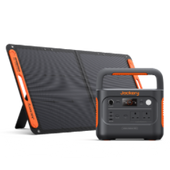
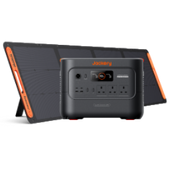
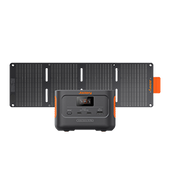
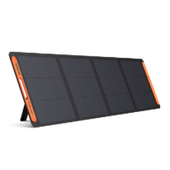
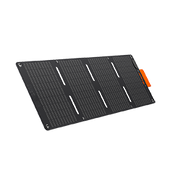
Jackery Solar Generator 2000 v2
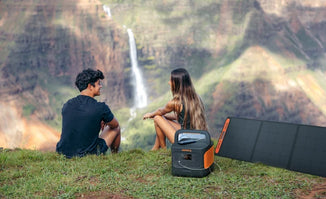
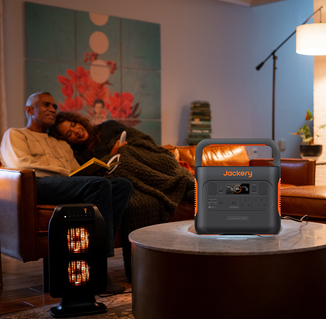
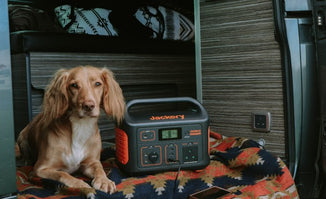
The Jackery Solar Generator 2000 v2 allows you to power electric blankets, heated throws, or low-wattage heaters safely indoors. Using a portable power station is the best way to Stay Warm During a Winter Power Outage without relying on the grid.
- Why it works: Jackery Explorer 2000 v2 features a substantial 2042Wh capacity that can run low-wattage heating textiles for hours. You can keep a heated throw running all evening without worrying about the electricity bill.
- Quiet Operation: The unit operates at a whisper-quiet 30dB in Quiet Charging Mode, ensuring it won't disturb your sleep or relaxation.
- Safety: Jackery Solar Generator 2000 v2 uses LiFePO4 battery chemistry, which ensures safe indoor operation. Unlike gas generators, this power station produces zero fumes and zero emissions.
Managing Solar Gain and Moisture
- Solar gain: Open south-facing curtains during sunny spells to let natural heat enter. Close them the moment the sun sets.
- Moisture control: Damp air feels colder and is harder to heat. Ventilate the kitchen briefly after cooking to remove steam. Use an extractor fan or open a window for five minutes to lower humidity levels.
Practical Lowcost Hacks and Community Tips
Creating a Designated Heat Room
Designate one small room for the household to gather in rather than heating the entire house.
- Isolate the space: Close doors to all unused rooms.
- Insulate internal barriers: Hang blankets over doorways to stop heat escaping into the hallway.
- Build a micro-climate: Construct a tent indoors using blankets over a table or sofa for children. This traps body heat in a smaller volume, raising the temperature significantly.
Textile Insulation and Active Warming
- Textile insulation: Don't just sit on the sofa; sit in a sleeping bag. Sleeping bags are designed to retain heat far better than standard blankets.
- Active warming: Perform short bursts of light exercise, such as star jumps or walking on the spot. The goal is to generate internal body heat without breaking a sweat, as sweat will eventually cool you down.
Pet Safety and Fire Precautions
- Pet safety: Cold floors suck heat from pets. Ensure they have insulated bedding raised off the floor.
- Safety rule: Never use outdoor gas heaters, camping stoves, or open flames indoors. The risk of carbon monoxide poisoning is lethal.

Cold front weather: Adapting Your Routine
Nutrition and Hydration
Your body acts as a furnace and needs fuel to generate heat.
- Nutrition: Eat hot, calorie-dense meals like stews, soups, or porridge. Digestion generates heat, helping to maintain your core temperature.
- Hydration: Drink warm beverages regularly. Dehydration impairs the body's ability to regulate temperature and constricts blood vessels, making you feel colder.
Timing Activities and Protecting Infrastructure
- Activity timing: Schedule active tasks—like cleaning or moving furniture—for the coldest parts of the day to stay moving.
- Pipe protection: Cold front weather events often lead to burst pipes. Insulate exposed pipes in lofts or basements with foam lagging to prevent freezing.
- Vulnerable checks: Ensure elderly relatives or neighbours have accessible warm drinks and adequate clothing layers. They may not feel the cold as acutely until it is too late.
Emergency Preparedness and Power Outages
Extreme cold fronts can strain the national grid, leading to power cuts. Preparation is vital.
Essential Outage Checklist
Keep torches, fresh batteries, and a charged phone power bank in an accessible location. Know exactly where they are before the lights go out.
High-Capacity Backup Power
For extended outages, you need a robust solution that can handle high-draw appliances. This is a critical step when Preparing Your Home for Power Outages in Cold Weather to ensure continuity.
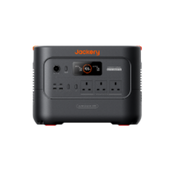
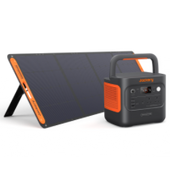
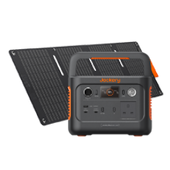
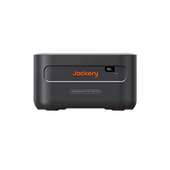
Jackery Solar Generator 3000 v2
The Jackery Solar Generator 3000 v2 provides substantial backup energy for critical home appliances.
- Capability: With a massive 3600W output, Jackery Explorer 3000 v2 easily powers high-draw essentials like standard electric kettles (3000W) or portable space heaters.
- Reliability: The generator features UPS (Uninterruptible Power Supply) functionality with a <20ms switchover. This keeps essential devices running instantly if the mains power fails.
- Endurance: Jackery Solar Generator 3000 v2 boasts a 3072Wh capacity, retaining enough power for days of light use (lights, phones) or hours of heavy load (heating, cooking).
Community Hubs and Evacuation Plans
- Community hubs: Locate local warm banks or community centres. If your home heating fails completely, these designated spaces provide warmth and safety.
- Evacuation kit: Pack a go-bag with essential documents, medications, and warm layers in case you need to seek temporary shelter elsewhere.
Safety, Risks and When to Get Help
Fire and Electrical Safety
- Fire safety: Keep combustible materials—curtains, bedding, papers—at least one metre away from any portable heaters.
- Electrical safety: Do not overload extension leads. High-wattage heaters must be plugged directly into wall sockets to prevent overheating and fire risks.
Carbon Monoxide Awareness and Health Risks
- Carbon Monoxide (CO): Install a CO detector. Symptoms like headaches, dizziness, or nausea require immediate fresh air. CO is odourless and invisible.
- Hypothermia signs: Watch for shivering, confusion, slurred speech, or drowsiness. These are signs of hypothermia. Seek emergency medical help immediately.
- Resources: Save numbers for your local council housing team and NHS 111 for non-emergency health advice.
Conclusion
Surviving a cold front without central heating requires a shift in mindset: prioritise heating people over spaces. By using effective layering, creating a designated heat room, and utilizing targeted warmth tools like electric blankets, you can stay comfortable and safe.
Simple measures like draught-proofing significantly reduce heat loss, while investing in reliable backup solutions like the Jackery Solar Generator 3000 v2 offers peace of mind against power failures. Plan ahead using weather maps and ensure your household is ready before the cold front hits.
Frequently Asked Questions
Can pets safely use electric blankets?
Generally, no. Pets can chew cords or overheat easily; use pet-specific heat pads with low voltage and chew-resistant cords instead.
What are the best long-term, low-cost insulation upgrades?
Installing thick loft insulation (270mm depth) and radiator reflector foil behind external wall radiators offers the best return on investment beyond basic draught-proofing.
How can I prepare my car for a cold front?
Check antifreeze levels and battery health immediately. Keep an emergency kit in the boot containing a blanket, shovel, de-icer, and non-perishable food.
Are there government grants for heating assistance?
Yes, schemes like the Warm Home Discount, Winter Fuel Payment, and Cold Weather Payment provide financial aid to eligible low-income or vulnerable households.
What if I live in a flat with limited control over heating?
Focus on isolating your living space. Use heavy curtains over windows and doors, place rugs on floors, and use draught excluders on the front door to trap heat.


