































Power outages in Glasgow may occur unexpectedly due to inclement weather, maintenance work, or technical issues.
This comprehensive guide will walk you through the best ways to monitor for power outages, prepare your house, and safeguard critical gadgets and food supplies. It also outlines what to do during an outage, which resources are available to vulnerable people, and how to report a power outage promptly. Stay informed and confident with practical, step-by-step instructions to keep you safe and comfortable during a Glasgow power outage.
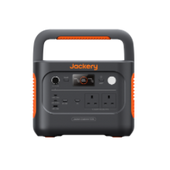
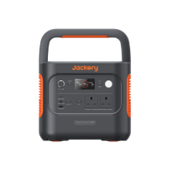
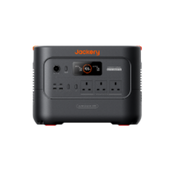
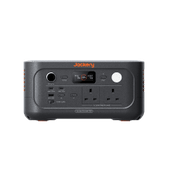
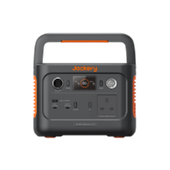
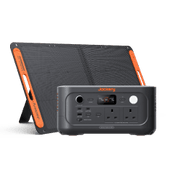
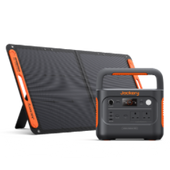
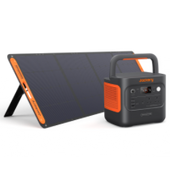
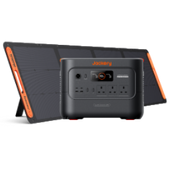
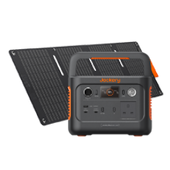
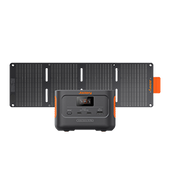
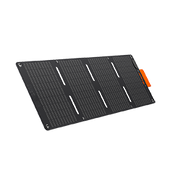
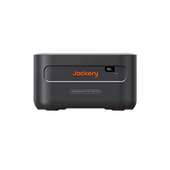
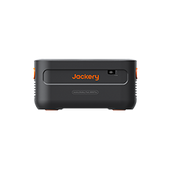
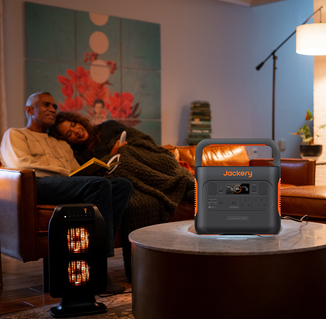
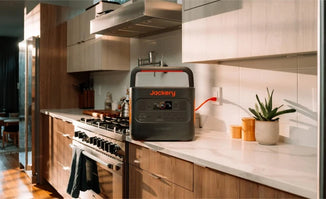
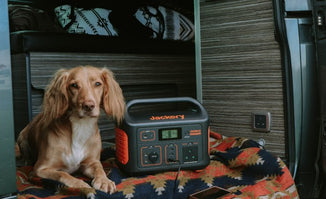
Moreover, a sudden power outage may cause accidents or further damage in an emergency, so having a generator to keep your home or business running continuously is essential. We highly recommend the Jackery Portable Power Station as a portable backup power solution for charging your appliances during power outages or emergencies.
|
Key Takeaways: |
|
How to Check for a Power Outage in Glasgow Today?
If you unexpectedly lose power at home, there are a few easy and reliable ways to determine whether it is a local issue or part of a larger power outage in Glasgow. Knowing how to check for power outages in your region will allow you to respond immediately.
Method 1: Online Real-time Check
Visit websites such as SP Energy Networks and powercut105.com. These let you enter your postcode and see the official Glasgow power outage map, which shows whether there are any planned or unforeseen power outages in your area.
Method 2: Contact The National Check Service—Dial 105
Call 105 (free across the UK) to reach your Distribution Network Operator (DNO), who can confirm the outage and provide an anticipated restoration time.
Method 3: Keep Up with Local News and Social Media
Major outages in Glasgow frequently trend on Twitter and in neighbourhood Facebook groups, and appear in BBC Scotland updates.
Method 4: Check With Neighbours and The House's Systems
Check with your neighbours to see if the outage is limited. Also, examine your fuse box and electricity meter; the problem may be on your side rather than the network.

How to Report a Power Cut in Glasgow?
In the United Kingdom, calling 105 is the simplest and most reliable way to report a power outage. This free nationwide hotline is accessible 24 hours a day, seven days a week, and will immediately route your call to your local Distribution Network Operator (DNO). You can also contact SP Energy Networks directly via 0800 092 9290.
These emergency lines are staffed 24/7. It is advisable to save the relevant number to your phone or store it in a convenient location.
Why Do Power Outages Happen in Glasgow?
Power outages in Glasgow can occur for a variety of reasons, including natural events, infrastructural faults, and even human mistakes. Some of the most common causes are:
Cause 1: Severe Weather Conditions
Glasgow, like much of Scotland, is prone to severe weather conditions. High winds, heavy snowfall, lightning, and flooding can all damage overhead power lines, substations, and other critical infrastructure. Storm-damaged trees can bring down power lines.
Cause 2: Equipment Failure
The electricity network is made up of complex equipment, which can fail mechanically or electrically. This could be due to ageing infrastructure, manufacturing flaws, or simple wear and tear. These failures can cause localised outages.
Cause 3: Unintentional Damage
Unexpected accidents, such as automobiles crashing into utility poles, excavation operations striking underground lines, or even animal contact, can cause rapid power outages.
Cause 4: Rising Demand
While widespread outages are uncommon, periods of very high electrical demand, particularly during cold snaps, can occasionally strain the network, despite the UK's system being designed to be resilient.
Cause 5: Prearranged Upkeep
Utility providers regularly perform maintenance, upgrades, and repairs to ensure the network's reliability and safety. Such actions are typically notified to affected clients in advance, allowing them to plan accordingly.

Planned Power Outages vs. Emergency Power Cuts
Not every power interruption occurs without warning. Some are pre-scheduled to allow for maintenance or to control electricity supply, while others arise unexpectedly owing to network difficulties. Understanding the difference between scheduled and emergency power outages will enable you to properly prepare and know what to expect when the lights go out.
Planned Interruptions
A planned power outage, also known as a "Rota Load Disconnection (RLD)", would occur only as an emergency measure in the event of a severe electricity shortage. Before pursuing this option, the government and network companies must agree that there are no other options.
Network areas are separated into 18 sub-areas. These locations are then assigned a block letter based on their postcodes.
Each planned power outage is expected to last approximately 3 hours, though in emergencies it may be extended. You will be called before the scheduled outage with information on when the power will be turned off.
National Grid has already implemented various strategies to help avert a power shortage this winter. This includes asking individuals to cut their consumption at specified periods, which you are participating in through Peak Save.
Emergency Power Cuts
Suppose your supplier is experiencing an extreme power shortage. In that case, the National Grid Electricity System Operator (NGESO), which is responsible for balancing energy supply and demand and ensuring sufficient electricity is generated to power all homes and businesses, may instruct your network operators to implement emergency power cuts.
How to Prepare for a Glasgow Power Outage?
In the event of a power outage, you don't want to have to scramble for supplies. When you have power, it's a good idea to have everything you might need in one convenient location.
Consider what you can do now to prepare for and respond to a power loss to make life simpler for you and your family. Here are some tips to ensure you're ready for a power outage:

Tip 1: Keep Lamps and Batteries Ready
Keep several torches and additional batteries on hand in case the power goes out when it's dark outside (you won't want to use the torch on your phone because it will drain its batteries faster). Please make sure everyone in your household knows where these are kept so that the closest person may retrieve them and securely assist others.
It is not recommended to use candles or other naked flames for illumination, as they may pose a fire risk.
Tip 2: Check that Your Mobile Phone (and Any Other Device You Rely on) Is Charged
It's a good idea to have your mobile device charged and have some data available in case Wi-Fi goes down. Keep a fully charged power bank handy in case you need to recharge your phone, tablet, or other devices.
Make sure to charge any medical devices regularly; you may also want to keep a battery backup on hand.
Tip 3: Protect the Food in Your Refrigerator and Freezer
To protect the contents of your refrigerator and freezer, keep the doors closed. According to the Food Standards Agency (FSA), your fridge can keep food safe for up to four hours during a power outage if you keep the door as closed as possible. According to the FSA, a full freezer will maintain a safe temperature for about 48 hours (24 hours if half full) if the lid is kept closed.
Tip 4: Have Some Food and Drink Accessible that Do Not Require Power to Heat or Cook
In the event of a power outage, you may be unable to use your kitchen equipment, so make sure you have something to eat that does not require electricity or heat preparation.
Tip 5: Turn off Electrical Appliances
It's a good idea to turn off any electrical equipment that isn't meant to run unattended, such as cookers, grills, chip pans, hair straighteners, and electric fires, so they don't turn on without your knowledge once the power is restored. It's also a good idea to unplug your television and computer to prevent harm in the event of a surge when power is restored.
Tip 6: Keep a Light Switched on
Leave at least one light on in the house so you know when the power comes back on. If the power goes out throughout the day, turn on one light switch in case the loss lasts until the evening.
Tip 7: Hot Water for Drinking or Heating
Boil some water and store it in a thermos flask so you can use it to make hot drinks or fill a hot water bottle when it gets chilly.
Tip 8: Stay Warm and Safe
To keep everyone in your household warm, keep some blankets and thick garments on hand and easily accessible—close doors and curtains in unused rooms to decrease heat loss. Keep a first aid kit nearby in case of an emergency.
Tip 9: Regularly Save Your Work
If you work from home, you should periodically save your work to avoid losing it. If your computer has an auto-save function, make sure to enable it.
Tip 10: Fill Up Your Car with Petrol
Many service stations are unable to pump petrol during a power outage, so keep your vehicle's fuel tank at least half full and fill up if you suspect a power outage is imminent.
It's also helpful to know how to manually open an electric garage door so you can get your car out if necessary.
Tip 11: Ensure that Vital Medical Equipment Has a Reliable Battery and Solar Backup
Power outages can interrupt critical equipment, including stair lifts, bath hoists, adjustable beds, and other medical devices that rely on continuous power. To keep safe and comfortable, ensure that any critical medical equipment has a reliable battery backup.
For long-term outages, consider purchasing a Jackery Explorer 3000 v2 or 2000 Plus. These robust, portable systems generate clean, renewable energy that can power critical medical devices for hours—or even days—without relying on the grid. Both models feature several AC outlets, fast solar charging, and quiet operation, making them suitable for home use during an emergency.

Tip 12: If You Require Additional Assistance, Sign Up for Priority Services
If you or someone you know is likely to require special assistance during a power outage, you can sign up for priority services.
This means that welfare experts will keep you informed, often providing an emergency number to call, personalised support such as hot meals and advice, and even home visits if necessary. Energy suppliers and network operators will maintain a Priority Services Register. If you believe you should be listed, please get in touch with your energy supplier or network operator.
How To Make a Power Cut Survival Kit?
Now that you've learnt how to survive a power outage in Glasgow, take a few simple actions to prepare for the next one.
Step 1: Be Prepared
Torches, extra batteries, and a backup charger for mobile phones are all useful. If you are unable to use your mobile device, consider a battery-powered radio to stay up to date on local news. Keep a cupboard stocked with necessary goods that can be prepared without electricity.
Step 2: Prepare Your Refrigerator and Freezer
Purchase appliance thermometers for both your fridge and freezer to ensure they remain safe during a power outage (-18°C for freezers and 4°C for refrigerators).
Freeze leftovers such as milk, meat, and poultry. If you are without power, they will stay longer.
Step 3: Protect Delicate Electrical Equipment
Power surge plugs are ideal for protecting expensive electrical gadgets. They're relatively inexpensive and can be found at most electrical stores.
Keep your computer backed up often, just in case.
Ensure that any home medical equipment has a battery backup.
Before the winter weather arrives, check your boiler pressure. It will run best at roughly 1 to 1.5 bars, which you can check using the gauge on the front of your boiler.
Jackery Portable Power Stations for Power Outages
Glasgow and much of Scotland are susceptible to severe weather, including high winds and heavy snowfall. These can damage overhead power lines and other critical infrastructure, leading to unplanned power cuts.
While power cuts are not constant, a 2023 survey indicated that Glasgow, along with other significant cities, experienced longer-than-average power outages, lasting an average of 3.1 hours. Power cuts can happen at any time, including busy mornings, disrupting work (especially remote work) and daily routines. A reliable, immediate backup, such as the Jackery Portable Power Station, is essential.
Jackery Portable Power Station offers a safe, quiet, and convenient power solution that is ideal for managing the typical duration of urban power cuts in Glasgow and keeping your most critical devices and home comforts operational without the hassle or danger of a traditional gas generator.
Jackery Explorer 2000 Plus
The Jackery Explorer 2000 Plus is an excellent choice for an emergency and home backup power supply in Glasgow, primarily because its high capacity, robust power output, and safe, quiet operation are ideally suited for mitigating the disruption caused by urban and weather-related power outages.

High Capacity and Expandability for Extended Outages: The standard Jackery Explorer 2000 Plus has a large capacity of 2042.8Wh. This capacity is sufficient to keep essential appliances running for hours—covering the average outage time in Glasgow (around 3.1 hours)—and provides flexibility for powering larger items.
If a severe weather event causes a multi-day outage, the system is highly expandable. By adding additional battery packs, the total capacity can be increased up to 12 kWh, providing reliable power for extended blackouts.
Long Lifespan: It uses a high-performance LiFePO4 (LFP) battery that delivers up to 4,000 charge cycles, providing a 10-year lifespan to 70% capacity. This ensures your investment is ready for years of emergency use.
Powerful Output for Home Appliances: With a continuous AC output of 3000W (and a surge peak of up to 6000W), the Explorer 2000 Plus can handle devices that smaller power stations cannot. You can power high-demand home essentials like a full-sized refrigerator, microwave, and even smaller space heaters, which are vital during a cold Scottish winter.
Pure Sine Wave Inverter: The power station delivers clean, stable power (pure sine wave), which is safe for running sensitive electronics, such as your Wi-Fi router, laptop, or life-critical medical devices like a CPAP machine, without risk of damage.
Silent Operation: It operates at a low noise level of approximately 30dB (quieter than a refrigerator's hum), so you can run it in your home or apartment without disturbing your household or neighbours.
Jackery Explorer 3000 v2
The Jackery Explorer 3000 v2 is a compelling choice for emergency and home backup power in Glasgow—or anywhere with potential power outages—thanks to its high capacity, robust power output, and features designed for home use.

Massive Capacity: With a 3,072Wh capacity, the unit can power essential home devices for extended periods. For example, it can run a refrigerator (about 200W) for 1-2 days, or a Wi-Fi router and lights (about 20-30W) for over 2 days, to ensure you stay connected and safe.
High Output: It provides a continuous power output of 3,600W (with a 7,200W surge capability). This is powerful enough to run nearly 99% of household appliances, including high-wattage items you might need in an emergency, such as kettles, toasters, portable induction hobs, microwaves, and even some electric ovens or washing machine cycles.
Uninterruptible Power Supply (UPS): The Jackery Explorer 3000 v2 features a built-in UPS function. If the grid power suddenly cuts out, it can automatically switch to battery power in under 20 milliseconds (<20ms).
Protection for Sensitive Electronics: This near-instant transition is critical for sensitive electronics, such as your Wi-Fi router, home computer, laptop, or medical equipment (e.g., a CPAP machine), preventing sudden shutdowns, data loss, and interruptions.
Always Ready (ZeroDrain™ Technology): For emergency use, a backup unit needs to be ready when you need it. The Explorer 3000 v2 uses ZeroDrain™ technology, which provides an ultra-low self-discharge rate, allowing it to retain up to 95% of its charge for a whole year in storage.
What to Do During a Glasgow Power Outage?
When power outages occur in Glasgow, remain calm and prioritise safety. Knowing what to do during a power outage helps you handle the issue swiftly and safely.
Action 1: Verify Your Safety
First, make sure there are no imminent threats, such as fallen electrical wires. If you spot any damaged equipment or cables on the ground, stay clear and call 999. If you encounter a life-threatening situation, dial 112.
Action 2: Switch off the Appliances
You can turn off or disconnect sensitive electronic equipment and appliances, such as computers, televisions, and electric ovens. This protects against harm from risks such as power surges and power lines. Leave one light on, preferably one that is plainly visible, so you know when power is restored.
Action 3: Preserve Food
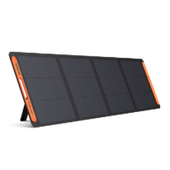
Keep the fridge and freezer doors as closed as possible. A full freezer can keep its temperature for around 48 hours, and a half-full one for roughly 24 hours. A refrigerator can keep food cold for around four hours. If the power outage is extended, you can also utilise ice-filled coolers or a solar generator to charge them.
Action 4: Keep Warm or Cool
To stay warm in colder weather, wear layers, use blankets, and seal doors to keep rooms from getting cold. Wear light clothing in hot weather and, if safe, open windows for ventilation.
Action 5: Keep In Touch
Have a fully charged mobile phone or a corded landline phone (cordless phones are not compatible). To preserve battery life, limit phone use to critical calls. A battery-powered or wind-up radio can deliver information.
Action 6: Check on Others
Check on vulnerable neighbours, especially those who are elderly or have medical concerns, if it is practical and safe to do so.
Action 7: Examine Your Eligibility for Compensation
You can track the outage's start and finish times, as well as any storm conditions. If your power outage lasts more than 12 hours or is caused by extreme weather, you may be entitled to £95 or more in compensation. Remember to maintain all documentation and examine specific claim conditions and compensation thresholds.

Available Support for Those with Additional Needs
If you utilise medical equipment that requires a power source, plan with your care provider and/or clinical care teams for what to do if the power goes out. The plan should specify what action you or someone you care about should take, and who to contact in the event of a power outage.
Ensure that your care provider, clinical care team, and/or equipment supplier have provided you with adequate information to understand how the equipment works and what to do in the event of a power outage.
If you have special medical or personal demands, energy networks can assist you. The Priority Services Register (accessible to clients in England, Wales, and Scotland) is a free service that helps persons with additional requirements. To sign up, contact your local network operator and energy supplier. Each maintains its own registration.
In Northern Ireland, these are referred to as Customer Care Registers. Scheduled power outages will be communicated to you in advance. If you rely on your energy supply for medical reasons, your network operator can notify you of planned power outages, such as during engineering work. You can also receive priority assistance in an emergency.
FAQs
The following are the frequently asked questions about power outages in Glasgow:
1. How do I find out if there is a power cut in my area?
You can learn about a power outage in your area by dialling the national freephone number 105 and connecting with your local network operator, or by using online resources. Depending on your region, you can use these resources to search for outages in your exact postcode or watch a live power outage map.
2. Is Scottish Power having problems today?
No, user reports indicate that ScottishPower is currently experiencing no significant issues, but SP Energy Networks is managing specific, localised power outages. To find a power outage in your neighbourhood, use the SP Energy Networks Power Cuts List or the postcode lookup tool.
3. How long can a fridge go without power in the UK?
During a power outage, a fridge will remain cold for up to 4 hours, a full freezer for up to 48 hours, and a half-full freezer for approximately 24 hours. To conserve the chilly air, keep the doors closed. Perishable items in the fridge should be removed after 4 hours, and if the temperature in a freezer rises beyond 4°C for more than two hours, the food is no longer safe.
4. How to survive 3 days without electricity?
Consider keeping some bottled water, non-perishable food that does not require cooking, such as ready-to-eat canned meat, fruit, or vegetables, and a tin opener. You should also add ready-made infant formula and pet food if required. Find out your power/load block letter.
Final Thoughts
Power outages in Glasgow can be unpredictable, but with proper planning, you can reduce disturbance and stay safe. Remember to keep essential supplies like torches, batteries, and food on hand, and always charge your electronics in advance. Use official services such as SP Energy Networks or PowerCut105 to view live outage maps and restoration information. Registering for Priority Services guarantees that vulnerable residents receive increased assistance during an emergency. Whether it's a short-term blackout or a lengthier outage, taking these precautions and being proactive will help you stay calm, protected, and prepared for future power outages in Glasgow.


