














![[Over £1200 Tier Gift] Bluetooth Speaker with Phone Stand - shipped Separately](http://uk.jackery.com/cdn/shop/files/Portable_Bluetooth_Speaker_with_Phone_Stand_2.png?v=1781595581&width=170)














North Sea storms and coastal winds can strike without warning, leaving homes dark and cold. This guide provides essential advice on safety and backup power, helping you prepare for the power cuts Hartlepool faces and keep your home running confidently.
Understanding Local Power Issues
Common Causes of Power Cuts in Hartlepool
Coastal geography drives local outages in Hartlepool. The specific causes include:
- Weather factors: Coastal winds frequently exceed inland speeds, causing debris to strike overhead lines. Salt spray can corrode components, while lightning and heavy rain contribute to sudden faults.
- Infrastructure faults: Aging equipment requires maintenance. Accidental damage during local roadworks or construction projects can also sever cables unexpectedly.
- Grid issues: While rare, transmission problems on the wider National Grid can cascade, affecting local supplies across the Northeast.
Using the Power Cuts Hartlepool Map
Checking the Northern Powergrid interactive map is the first step during an outage. For Hartlepool residents, this tool confirms the scope of the issue immediately.
The map displays estimated restoration times and tracks engineer progress. Identifying whether 50 or 5,000 homes are affected helps you gauge how long you might be offline.
Verifying a Power Outage in Hartlepool
Call "105" to verify outages if the internet is down. This free national service connects you directly to the local network operator to confirm if a Power outage Hartlepool is experiencing covers the wider area.
Cross-referencing social media channels using mobile data is also effective. Local authority or police platforms often provide real-time updates on community impact, such as road closures or shelter openings, faster than official news outlets.
Troubleshooting a Power Cut in Your Area
Internal electrical faults may mimic a power cut. Check your consumer unit (fuse box) first. If the trip switches are in the "OFF" position, try resetting them. Look at your neighbours' windows; if their lights are on, the problem is likely your property.
Report a potential service line fault if your trip switches are fine but the house is dark. Call 105 immediately to report the isolated issue.
Essential Preparedness: Before the Lights Go Out
Building Your Emergency Kit
A well-stocked emergency kit prevents panic. Keep these items in an accessible, waterproof box:
- Lighting: Use LED headlamps for hands-free operation and lanterns for room lighting. Avoid candles due to high fire risk.
- Communication: A battery-powered or solar wind-up radio is essential for local news when mobile towers fail. Keep a fully charged power bank for mobile phones.
- Sustenance: Store 3 litres of water per person per day. Stock non-perishable foods (tinned goods, energy bars) and a manual can opener.
- Warmth: Coastal winters are harsh. Pack thermal blankets, thick socks, and layers.
- Documentation: Keep a waterproof folder containing medical lists, insurance policy numbers, and emergency contact details.
Protecting Your Home and Appliances
Unplugging electronics prevents surge damage when power returns. Voltage spikes can fry sensitive devices like televisions, computers, and microwaves immediately upon restoration.
Leave one light switch in the "on" position. This single light acts as a signal to alert you the moment power is restored, allowing you to safely turn other appliances back on.
Ensure you can operate electric garage doors and gates manually. Locate the manual release mechanism and learn how to operate it before you are stuck.

Backup Power Solutions for Essentials
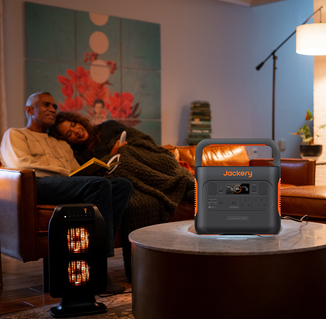
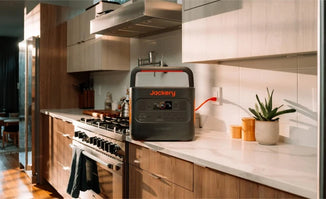
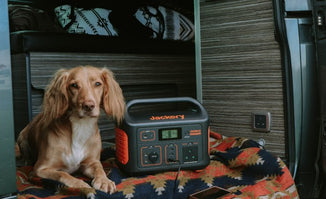
Portable power stations offer safe indoor backup. Unlike gas generators, which produce deadly fumes, portable power stations run essential devices silently and safely inside your home. Match the unit to your needs; small units charge phones, while larger units run appliances.
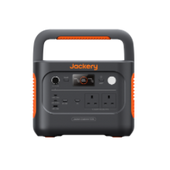
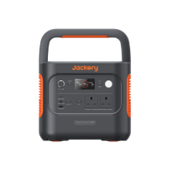
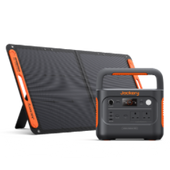
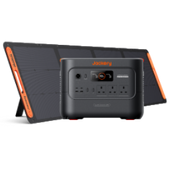
Product Example: Jackery Solar Generator 2000 v2
The Jackery Solar Generator 2000 v2 is an ideal choice for robust home backup.
- Capacity: The 2042Wh capacity can power a heater (1800W) for 1 hour or keep a portable refrigerator (90W) running for 15 hours during extended outages.
- Quiet Operation: The generator operates at a whisper-quiet 30dB in Quiet Charging Mode, ensuring you can sleep while it runs.
- UPS Function: This unit features an Uninterruptible Power Supply (UPS) with a <20ms switchover time. The UPS keeps medical devices or WiFi routers online without interruption when the grid fails.
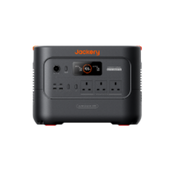
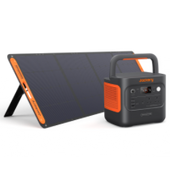
Heavy-Duty Option
The Jackery Solar Generator 3000 v2 offers 3072Wh of capacity for larger households.
This heavy-duty unit handles high-wattage items like standard electric kettles (3000W) or microwaves for longer durations, bridging the gap during multi-day blackouts.
These units emit zero fumes and can be used safely inside your living room or kitchen, unlike petrol alternatives.
During a Power Cut: Immediate Actions
Safety and Environment
Stay away from fallen power lines. Assume all downed lines are live and lethal, and report them to 105 immediately.
Retain heat in winter by closing curtains and doors. In summer, block out the sun to keep the house cool. Stick to battery-powered torches for light, as open flames from candles are a leading cause of house fires during blackouts.
Food Safety Guidelines
- The 4-hour rule: Refrigerators keep food safe for up to 4 hours if the door remains closed. Eat perishables like meat and dairy first.
- Freezer logic: A full freezer holds its temperature for approximately 48 hours. A half-full freezer lasts about 24 hours.
- Action: Do not open appliances unnecessarily. Every time you open the door, cold air escapes and reduces the safe storage time.
Communications and Signal Loss
Mobile signals often fail during widespread outages due to limited battery backup at masts. Tune your battery-operated radio to local stations for updates and do not rely solely on the internet.
Look for updates at community centers or support vehicles deployed by the network operator if you lose all connectivity. These hubs often provide charging points and hot drinks.
Supporting Vulnerable Residents
Priority Services Register
The Priority Services Register provides critical support for vulnerable residents. You are eligible if you are of pensionable age, have a chronic medical condition, have a disability, or have young children (under 5).
Registration ensures you receive advance notice of planned cuts and priority support—such as hot meals or alternative heating—during emergencies. Contact your energy supplier or network operator to register before an emergency occurs. It is free and vital for safety.
Community Check-ins
Establishing a neighbour check-in protocol saves lives. Agree on a plan to check on elderly residents on your street when the lights go out.
Sharing resources strengthens community resilience. If you have a camping stove or a fully charged Jackery Solar Generator 2000 v2, offer to boil water or charge phones for neighbours who are unprepared.
After the Power Returns
Restoration Checklist
- Gradual restart: Switch appliances back on one by one. Turning everything on at once can overload your home's circuit or the local grid.
- Food inspection: Check the temperature of perishables. If food in the freezer has defrosted but is still cold (below 4°C), it can be cooked or refrozen. However, if in doubt, throw it out.
- Restock: Immediately recharge power banks and your solar generator. Replace used batteries and any food items consumed from your emergency kit.
Compensation and Reporting
Compensation claims depend on outage duration and cause. Storm damage typically requires a 24+ hour outage for eligibility, while equipment failure thresholds are usually 12+ hours.
Visit the Ofgem or Citizens Advice websites for current claim thresholds and application forms. You usually have three months to claim.
Scenario-Based Quick Checklists
Short Outage (<4 Hours)
- Keep fridge and freezer doors closed.
- Use battery lights; avoid candles.
- Check on vulnerable neighbours.
Extended Outage (4–24 Hours)
- Activate emergency kit (food/water).
- Use backup power like the Jackery Solar Generator 2000 v2 to keep phones charged and run a small fan or heater.
- Monitor freezer temperature; group food together to retain cold.
Prolonged Outage (24+ Hours)
- Seek community shelter if heating or cooling is lost and home temperature becomes unsafe.
- Utilize larger backup solutions like the Jackery Solar Generator 3000 v2 to sustain critical appliances like microwaves or kettles.
- Follow local authority instructions regarding evacuation or relief hubs.
Conclusion: Building Resilience in Hartlepool
Preparation reduces panic. A simple kit, a clear plan, and the right equipment make the difference between a crisis and a manageable inconvenience.
Test all equipment annually. Check torch batteries, ensure your radio works, and cycle the battery on your backup power unit.
Being proactive ensures safety and comfort, whether you rely on a simple torch or a high-capacity unit like the Jackery Solar Generator 2000 v2. Hartlepool's weather is unpredictable, but your response doesn't have to be.
Frequently Asked Questions
How do Hartlepool's specific coastal conditions affect power lines?
Salt spray causes corrosion on electrical components, while high coastal winds frequently blow debris and branches into overhead lines, causing physical damage.
Are there any local community initiatives for power cut support?
Yes, local Facebook community groups and the Hartlepool Borough Council website list designated warm hubs and neighbourhood aid networks.
What's the typical response time for power restoration in Hartlepool?
Restoration times vary by cause. Simple faults are often fixed within 3 hours, but storm damage can take 24 hours or more depending on crew safety and availability.
Can I get financial assistance for purchasing backup power solutions?
Direct grants for backup batteries generally do not exist. However, check for local energy efficiency schemes or disability support grants if you rely on medical equipment.
What are the common mistakes people make during a power cut?
Opening the fridge door too frequently is a primary error. Other mistakes include using gas camping stoves indoors for heat (carbon monoxide risk) and leaving sensitive electronics plugged in.


