
















![[Over £1200 Tier Gift] Bluetooth Speaker with Phone Stand - shipped Separately](http://uk.jackery.com/cdn/shop/files/Portable_Bluetooth_Speaker_with_Phone_Stand_2.png?v=1781595581&width=170)












Severe winter storms in the UK bring power cuts, frozen pipes, and isolation risks. Preparation minimizes these dangers by securing heating sources, preventing water damage, and establishing contingency plans. This guide provides a practical checklist for safety and home security during extreme weather events.
Understanding Winter Storms in the UK
Met Office warnings define the severity of incoming weather and dictate necessary safety actions. Typical hazards include flooding, high winds, snow drifts, and widespread ice. You must understand these alert levels to react appropriately:
|
Warning Level |
Action Required |
Potential Impact |
|
Red |
Take action immediately |
Danger to life is likely |
|
Amber |
Be prepared |
Disruption is probable |
|
Yellow |
Be aware |
Weather may affect daily routines |
Monitor local council and NHS/UKHSA guidance for specific community alerts.
UK Weather Map 7 Days: Planning Ahead
A UK weather map 7 days forecast allows you to identify storm windows and complete preparations before conditions worsen. Plan grocery runs and travel before the weather deteriorates. Set national and local alerts to catch sudden warning upgrades immediately. Early detection allows homeowners to secure loose items and stock up on essentials before supply chains are disrupted.
Protecting Your Home's Exterior
Securing the property perimeter prevents high winds and ice from causing structural damage. Take these specific steps to reduce exterior hazards:
- Secure Loose Items: Anchor garden furniture, bins, and trampolines to prevent projectile damage during high winds.
- Inspect Roofs: Check for loose tiles and clear gutters of debris to prevent ice damming and water ingress.
- Manage Trees: Prune overhanging branches that could damage property or vehicles.
- Vehicle Safety: Park vehicles away from trees and walls and keep fuel tanks topped up.
Flood Warning Maps: Identifying Vulnerable Areas
Local winter storm map data identifies specific flood plains and snow-drift zones relevant to your property. Prioritize sandbags and drainage checks if your home sits in a high-risk area. Move valuable items upstairs and install temporary flood seals if flooding is predicted. Knowing your specific geographical risk level helps you allocate resources effectively.
Safeguarding Your Home's Interior and Utilities
Maintaining a habitable environment requires sealing the interior and preparing utilities for potential failure:
- Seal Drafts: Apply excluders or insulation film around windows and doors to retain heat.
- Know Your Valves: Locate and label utility shut-off valves (gas, electricity, water) for quick emergency access.
- Protect Electronics: Unplug non-essential electronics to protect against power surges during storms.
- Emergency Contacts: Display a list of emergency numbers, including 105 for power cuts, plus your doctor and local council in a visible location.
Protecting Pipes and Plumbing
Frozen pipes are a primary cause of winter property damage and require proactive insulation.
- Insulate: Cover exposed pipes in lofts and garages with foam lagging to prevent freezing.
- Drain: Empty external taps and shut off their isolation valves before cold snaps.
- Heat: Keep the thermostat at a constant low temperature (min 10°C) day and night.
- Circulate: Open loft hatches or cabinet doors to allow warm air to reach hidden pipes.
- Plan: Know a trusted plumber and check insurance policies for burst pipe coverage.

Emergency Preparedness Kit for Power Cuts
A 72-hour emergency kit is essential because power outages are common during a Winter storm UK event. Stock your kit immediately.
- Water: Store enough bottled water for at least 3 days (aim for 1–2 weeks).
- Food: Stock non-perishable, ready-to-eat items and a manual can opener.
- Lighting: Have torches, spare batteries, and wind-up radios ready.
- Warmth: Keep thermal blankets, sleeping bags, and hot water bottles accessible.
- Medical: Secure a first-aid kit and extra prescription medications.
Managing outages requires specific supplies, so read our guide on preparing your home for power outages for a complete checklist.
Backup Power Solutions
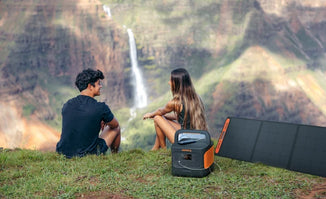
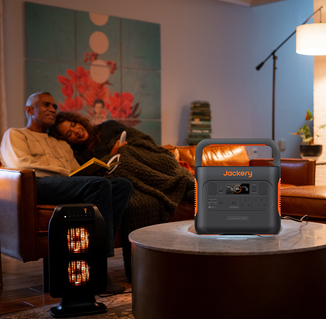
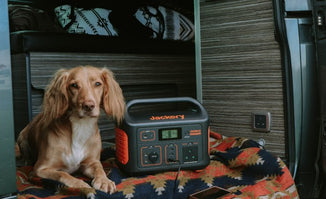
Portable power stations provide safe indoor electricity for phones, medical devices, and small appliances during outages.
- Safety rule: Never run petrol/diesel generators indoors; use battery systems for indoor safety.
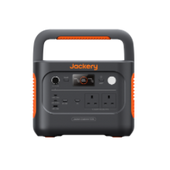
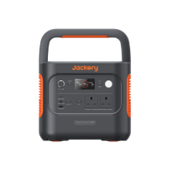
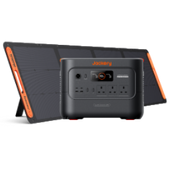
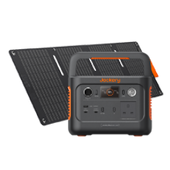
Mid-Range Option: Jackery Solar Generator 2000 v2
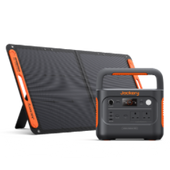
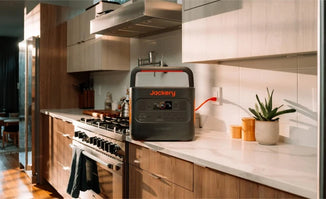
Medium-duration outages require the Jackery Solar Generator 2000 v2 which offers a 2042Wh capacity. This unit powers essentials like fridges, phones, and lights effectively. The generator is ideal for keeping food fresh and communication lines open when the grid fails.
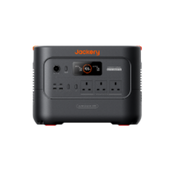
High-Capacity Option: Jackery Solar Generator 3000 v2
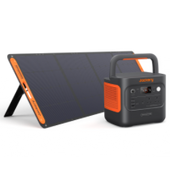
Prolonged storms demand the Jackery Solar Generator 3000 v2, providing a massive 3072Wh capacity. This high-capacity model supports higher-wattage appliances for longer durations, such as space heaters or electric kettles. The 3000 v2 ensures sustained comfort during extended severe weather.
Sizing Tip
Determine necessary battery capacity by calculating the total wattages of essential devices. Ensure your chosen generator can handle the startup surge of appliances like refrigerators.
Maintaining Warmth and Health Indoors
Retain body heat by creating a warm zone in one central room using blankets over doors and curtains. Layer clothing and stay active to generate warmth without relying on central heating. Ventilate briefly (5–10 mins) to reduce condensation and prevent mould buildup.
Target temperature: Aim for 18°C in living areas, especially for infants. For detailed strategies, learn how to keep warm in winter effectively.
Heating System Checks and Efficiency
Maximize heating efficiency by servicing boilers annually and bleeding radiators. Install audible carbon monoxide alarms (BS Kitemark/EN50291) near all sleeping areas. Use smart thermostats or valves to direct heat only to occupied rooms. A well-maintained system burns less fuel and reduces the risk of breakdown during peak cold.
Personal, Community, and Mental Wellbeing
Community resilience relies on checking neighbours, especially the elderly, to offer support or supplies. Share resources like hot water or temporary shelter with those lacking heating. Schedule check-ins via phone or video to combat isolation and anxiety. Mental wellbeing is as vital as physical preparation.
Pet, Wildlife, and Plant Protection
Protect animals by bringing pets indoors and ensuring their water bowls do not freeze. Move tender plants to sheltered areas or cover them with horticultural fleece. Provide shelter for wildlife and break ice on ponds to allow oxygenation. Animals are highly vulnerable to rapid temperature drops.
Security and Empty Home Guidance
Secure an empty property if you must leave your home during a storm window:
- Drain: Drain water systems or set heating to frost protection.
- Dry: Use moisture absorbers and leave internal doors ajar to prevent damp.
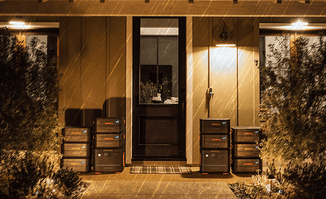
- Appear Occupied: Set timer lights and pause deliveries.
- Contact: Share emergency contact details with a trusted neighbour for swift action.
Driving and Travel During a Winter Storm UK
Travel only if essential during a Winter storm UK warning. If you must drive:
- Prepare: Pack a winter car kit with a shovel, blankets, torch, snacks, and de-icer.
- Check: Keep fuel tanks full and check tyre tread and pressure before departure.
- Stranded Protocol: If stranded, stay with the vehicle, run the engine sparingly, and ensure the exhaust is clear to prevent carbon monoxide poisoning.
For related weather safety, see our advice on staying safe during thunderstorms and other severe events.
Actions During and After the Storm
During the Storm
Stay indoors and away from windows during high winds. Conserve mobile battery and use battery-powered radios for official updates. Communicate your status to family periodically but preserve power.
After the Storm
Avoid downed power lines and report them immediately to emergency services. Inspect for damage only when safe; document issues for insurance claims. Prioritize safety over immediate repairs.
Financial and Public Health Support
Government support includes Winter Fuel Payments for those receiving Pension Credit, or Cold Weather Payments for eligible residents. Register for the Priority Services Register with your energy supplier if you are vulnerable. Keep a list of local council helplines and community support centers handy.
Quick Action Checklists
- Pre-Storm: Secure exterior, check pipes, stock emergency kit, verify contacts.
- During Storm: Stay inside, conserve heat, monitor updates, communicate status.
- Post-Storm: Check for safety hazards, document damage, prioritize repairs.
Practical Sizing & Decision Aids
Generator Sizing
Match capacity to needs using scenario planning based on device wattage.
- Scenario Planning: Use the Jackery Solar Generator 2000 v2 for essential backup or the Jackery Solar Generator 3000 v2 for heavy loads and extended runtime.
Battery vs. Fuel Comparison
|
Feature |
Battery Systems |
Fuel Generators |
|
Safety |
Indoor safe, zero emissions |
Outdoor only, CO risk |
|
Noise |
Silent operation |
Loud engine noise |
|
Maintenance |
Minimal |
Requires fuel storage & engine care |
Conclusion
Early preparation minimizes storm impact. Secure homes, protect pipes, and stock kits early. Low-cost measures like insulation and neighbour checks save money and lives. Act now: Test preparedness steps before a warning are issued to ensure safety.
Frequently Asked Questions
How can I make my emergency kit more sustainable?
Choose reusable items like beeswax wraps, rechargeable batteries, and locally sourced non-perishable foods to reduce waste.
What are common mistakes people make when preparing for a winter storm?
Common mistakes include overlooking pet supplies, failing to check insurance policy specifics for flood damage, or forgetting to service the boiler before winter starts.
Are there any government grants available for home improvements that prevent storm damage?
Yes, grants are available via government sites for flood defenses (Property Flood Resilience) or energy efficiency improvements like insulation.
How do I safely dispose of storm-damaged items or debris?
Contact your local council for waste services; do not burn treated wood or plastics and handle hazardous materials according to local guidelines.
What should I do if I'm away from home when a storm hits?
Monitor your home remotely if you have smart cameras, communicate with neighbours to check the property, and ensure your emergency contact has a key.


