































While complete national grid failures in the UK are rare, local winter power outages caused by severe storms are a realistic concern. Many households are unprepared for the sudden loss of heating, light, and communication. This guide provides actionable, educational UK winter power outage advice to help you and your family stay safe, warm, and comfortable during an unexpected outage.
Understanding Power Cuts in the UK
Most power cuts in the UK are localised and resolved quickly. However, a severe winter outage can last longer, making preparation essential.
What Causes Power Cuts in the UK?
The primary causes of power cuts in the UK include:
- Severe weather, such as high winds, heavy snow, and flooding.
- Faults that occur within the electricity network.
- Damage to infrastructure, including both overhead and underground power lines.
Solar Charging in Winter
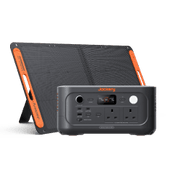
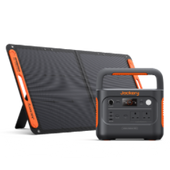
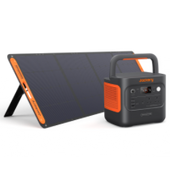
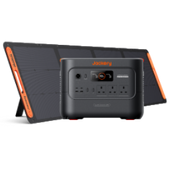
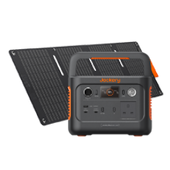
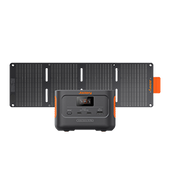
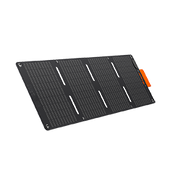
Short, overcast winter days severely reduce the output of solar panels. This means relying solely on solar to recharge backup power systems during an active outage can be challenging, so starting with a fully charged system is critical.
How to Report a Power Cut
Reporting an outage helps your local network operator identify and fix the problem faster. The simplest way to do this is to call 105, a free, nationwide number that connects you to your network operator in England, Scotland, and Wales.
How Can I Report a Power Cut?
- National Freephone Number 105: Available 24/7 for England, Scotland, and Wales. It connects directly to your local electricity network operator and can also be used to report damage to power lines or substations.
- Online Reporting: Visit PowerCut105.com and enter your postcode to find your local network operator. This is often the quickest way to report an issue and track updates.
- Northern Ireland Specific: Residents in Northern Ireland should call 03457 643643 to report an outage.
What Information Should I Provide When Reporting?
When reporting a power cut, be ready to provide:
- Your postcode and full address.
- Details of any visible damage to equipment or unusual sounds you may have heard.
- Whether your neighbours appear to be affected as well.
CRITICAL SAFETY: If you see a fallen power line or any situation that poses an immediate danger to life, stay clear and call the emergency services on 999 immediately.
Staying Informed During an Outage
When the power goes out, so does your Wi-Fi, and mobile networks can become congested or fail. Having alternative ways to get information is a key part of any UK winter power outage advice.
Where Can I Find Updates During an Outage?
- Local Network Operator Websites: After reporting the cut, check your operator's website for updates. Many provide live maps of affected areas.
- Social Media: Follow your local network operator on social media platforms for real-time information, especially during severe weather events.
- Radio: Keep a battery-powered or wind-up radio handy for local and national news updates. It's a good idea to write down the frequencies for your local and national BBC radio stations in advance.
How Can I Conserve My Phone's Battery?
To preserve your phone's battery, switch it to low-power mode immediately. It is crucial to have a fully charged power bank ready to go. Some operators offer text or email updates before, during, and after incidents.
Immediate Actions During a Power Cut
What you do in the first few hours of an outage can significantly impact your safety and comfort.
What Are the Immediate Safety Priorities?
Stay away from fallen power lines or damaged electrical equipment. Do not use candles due to the significant fire hazard; opt for battery-powered torches or headlamps instead. Ensure you have at least one working, battery-operated carbon monoxide (CO) alarm, especially if you plan to use any alternative heating sources.
What Should I Do with My Electrical Appliances?
Switch off and unplug non-essential appliances like televisions and computers. This helps prevent damage from a potential power surge when the electricity is restored. Leave one light switched on so you have a clear visual indicator of when the power has returned.
How Can I Stay Warm Without Central Heating?
Dress in warm layers and use blankets or duvets to stay warm. Close the doors to unused rooms to contain heat in a smaller area and have everyone in the household gather in one central room. For fish tanks, insulate them with blankets and use hot water bottles if necessary to maintain the temperature.
How Do I Keep My Food Safe?
Keep your fridge and freezer doors closed as much as possible to maintain the internal temperature. Food in a full, closed freezer can stay frozen for up to 48 hours.
How Should I Manage Communication and Help Others?
- Conserve your mobile phone's battery life by using it sparingly.
- Be aware that many modern landline phones will not work as they require electricity.
- Check on neighbours, especially those who are elderly, have young children, or may need extra help.
For more guidance, read our article on preparing your home for power outages in cold weather.

Building Your 72-Hour Home Emergency Kit
A well-stocked emergency kit is the foundation of resilience. It ensures you have the essentials to manage for up to three days without external help.
What Should Be in My Emergency Kit?
- Lighting: Battery-powered or wind-up torches with a supply of spare batteries.
- Water: A supply of bottled water, storing at least 3 litres per person, per day.
- Food: A 3-day supply of non-perishable food that requires no cooking or refrigeration. Don't forget a manual tin opener, and supplies for babies or pets.
- First-Aid: A complete first-aid kit and at least a week's supply of any necessary prescription medications.
- Power: A fully charged portable power bank for charging mobile phones and other small devices.
- Warmth: Thermal blankets, sleeping bags, and hot water bottles.
- Information: A written list of important phone numbers, including 105, emergency contacts, and your doctor.
- Cash: A small amount of cash, as card machines and cashpoints will not work during an outage.
Choosing and Using Backup Power
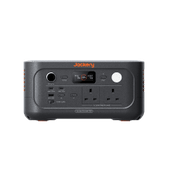
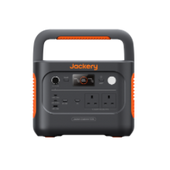
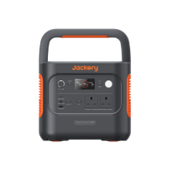
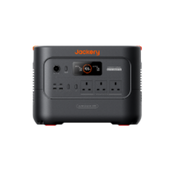
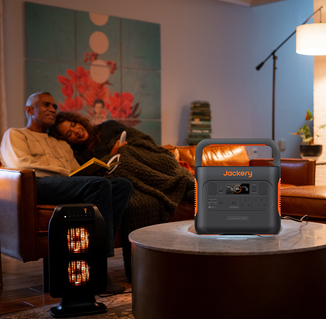
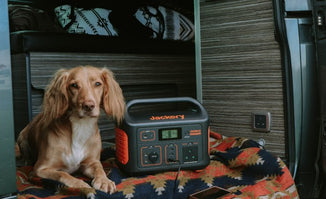
A reliable backup power source provides a significant boost in comfort and safety during a winter outage. When choosing a solution, consider these key metrics.
What Key Metrics Should I Look for in Backup Power?
- Capacity (Watt-hours or Wh): This is the total amount of energy the battery can store. A higher Wh number means you can run your devices for longer.
- Output (Watts or W): This is the amount of power the unit can deliver at any moment. The output wattage must be higher than the power requirement of the appliance you want to run.
- Battery Chemistry: Prioritise solutions with Lithium Iron Phosphate (LiFePO4) batteries. They are safer and offer a much longer lifespan, often lasting over 10 years with regular use.
What Are the Different Tiers of Backup Power Solutions?
|
Scale / Use Case |
Recommended Model |
Key Specs & Performance |
|
Small-Scale |
Power Banks |
• Keeps phones, headlamps, and small USB-powered radios charged. |
|
Medium-Scale |
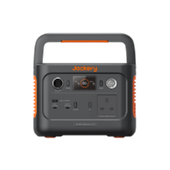
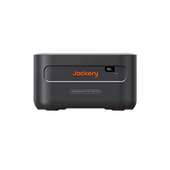
• Capacity: 2042Wh |
|
|
Large-Scale |
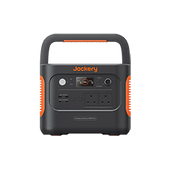
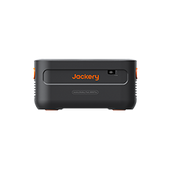
• Capacity: 3072Wh |
The Priority Services Register: Essential Support for Vulnerable Households
The Priority Services Register (PSR) is a free service provided by energy suppliers and network operators to support vulnerable customers. You should sign up if you or someone in your household meets the eligibility criteria.
Who is Eligible for the Priority Services Register?
Individuals eligible for the PSR include:
- Those who are of state pension age, are disabled, or have a long-term medical condition.
- Households with children under the age of 5.
- Anyone who relies on medical equipment that requires a power supply.
- Individuals with other specific needs, such as hearing or sight impairments.
What Are the Benefits of Registering?
Benefits of joining the PSR include:
- Advanced notice of any planned power cuts in your area.
- Priority support during an unplanned outage, which may include alternative heating and cooking facilities.
- It is a completely free service available in England, Scotland, and Wales.
How to Register
To join, simply contact your local network operator or your energy supplier. In Northern Ireland, a similar service is called the Customer Care Register. If you rely on powered medical equipment, it is vital to create an emergency plan with your local health service provider.
Lessons Learned from Past UK Winter Outages
Major weather events like Storm Arwen in 2021 and the "Beast from the East" in 2018 left thousands of homes without power for multiple days. These events taught valuable lessons about resilience.
- Community is Key: Community coordination proved vital, with neighbours checking on each other and sharing resources like hot water or charging facilities.
- Preparation Pays Off: Those who had already prepared a 72-hour emergency kit and had a reliable backup power plan found the experience manageable rather than a crisis.
- The Goal is Preparedness, Not Panic: Sensible, calm preparation is the goal, not last-minute, panicked stockpiling.
You can find more tips in our comprehensive guide on how to deal with a power cut.
Be Prepared, Not Scared
Localised winter power cuts are a manageable risk with the right preparation. By taking a few sensible steps, you can ensure your household remains safe and resilient.
The most critical actions are to build a 72-hour emergency kit, create a safe and reliable backup power plan with a Jackery power station, and know how to report an outage and get information. This preparation provides invaluable peace of mind, empowering you to face a winter power outage with confidence.
Frequently Asked Questions
Q1: How can I safely cook or heat food if my electricity and gas are both out for an extended period?
A1: A camping stove used outdoors, at a safe distance from your home, is a good option. Never use outdoor cooking appliances indoors due to the risk of carbon monoxide poisoning.
Q2: What specific considerations should I make for pets during a winter power outage?
A2: Ensure pets have a warm place to sleep with extra blankets and access to fresh, unfrozen water. Keep a supply of their regular food that doesn't require refrigeration.
Q3: Are there any community-level initiatives or resources available to help during widespread power outages beyond individual household preparation?
A3: Yes, local councils often designate "warm hubs" or "warm spaces" in community centres or libraries during major outages. These locations may offer heating, hot drinks, and charging facilities.
Q4: How do I safely manage my home's water supply and sanitation if the power outage affects my well pump or hot water heater for several days?
A4: Use your stored emergency water for drinking and essential hygiene. For sanitation, a bucket with a tight-fitting lid and heavy-duty bin liners can serve as a temporary toilet.
Q5: What are the long-term implications for my home's plumbing and appliances after a severe, multi-day winter power outage?
A5: Ensure there are no frozen pipes. Let taps drip slowly to keep water moving. After power is restored, inspect pipes for damage before turning the water back on fully and have your heating system checked if you have concerns.


