













![[Over £1200 Tier Gift] Bluetooth Speaker with Phone Stand - shipped Separately](http://uk.jackery.com/cdn/shop/files/Portable_Bluetooth_Speaker_with_Phone_Stand_2.png?v=1781595581&width=170)
















Buying a new appliance in the UK is a big deal, but with so many options, it's easy to make a mistake. To avoid having to fix your dishwasher often, paying a lot of money for electricity, and not getting the best cleaning results, you need to know which dishwashers not to buy.
Finding the "red flag" characteristics can save you time and money when you want a sleek integrated model or a small, slimline one. If you want to make your house even better, pairing a good appliance with a Jackery Portable Power Station can keep you energy-independent and efficient, even when the power goes out unexpectedly.
|
Key Takeaways: |
|
What Makes a Good Dishwasher?
The first step in this procedure is to determine what features to search for in your dishwasher models. This may help you review each brand's marketing materials and determine which items are the best and which dishwasher not to buy. Here are some characteristics to consider:

Essential Build Materials
Repair-prone dishwashers are often built of cheap materials that wear out rapidly. The greatest difference here is a plastic dishwashing tub vs a stainless one. Great dishwasher manufacturers always use a stainless steel internal lining, which extends the appliance's lifespan and provides benefits such as noise dampening. If you see a plastic interior, it is often a sign that a dishwasher is not worth buying.
Advanced Programmes and Features
Quality dishwashers often provide a variety of settings and features that make the user experience simple and enjoyable. There is no one-size-fits-all solution for dishwashing, and you must be able to alter your settings; therefore, having more choices is often connected with a more dependable dishwasher. Lack of basic settings is a red flag when identifying dishwashers not to buy.
Loading Capacity and Flexibility
Most dishwashers are the same size; however, some have a larger capacity than others. Although the typical home may only need 12 place settings, more is preferable. Furthermore, higher-end dishwashing machines often feature adjustable racks and a third cutlery tray, which many customers associate with higher satisfaction levels. Limited flexibility is a common trait of dishwashers not to buy.
Safety Recalls and Consumer Feedback
There are also two methods for objectively evaluating dishwasher models. First, check for safety recalls. The UK Office for Product Safety and Standards maintains records that you can search for appliances. For example, despite a brand's popularity, recent dishwasher recalls have gone unnoticed by many purchasers, who end up buying faulty products solely based on name recognition.
It is just as crucial to read consumer reviews. Buyers have no motive to promote items they don't like, so you can learn about any possible defects in the dishwashers not to buy on the list you're considering.
Dishwashers Not to Buy: Features to Avoid
Understanding the specific design flaws that lead to frequent breakdowns is the best way to identify dishwashers not to buy. While some modern features look impressive in a showroom, they often become the primary reason for a machine's early failure. Here are the features and designs to avoid if you want a reliable kitchen appliance.

Plastic Interior Tubs
Many low-cost models use a plastic base or inside instead of stainless steel. This is a bad sign because plastic can trap smells, and it's more likely to warp or break from the heat. Unlike a sturdy product, a dishwasher with a plastic inside can leak after only a few years of regular use.
Overcomplicated Digital Displays
Touchscreens and "smart" connections are popular right now, but they are typically a sign of equipment that doesn't work well. In a kitchen with a wet climate, complex electrical control boards are more likely to become wet and stop working. In general, buttons that are easy to touch and feel are stronger. If a model prioritises a Wi-Fi app over basic build quality, it is a feature you should likely avoid.
Poorly Designed Filtration Systems
Some cheaper dishwashers use self-cleaning filters that are supposed to chop up food waste. These are often noisy and prone to breaking down. Many UK reviews say they block up easily and cause water to stand still. A simple manual filter you can remove and clean is much more reliable and easier to keep in good shape.
Low Energy Efficiency Ratings
In the UK, appliances are ranked on an A-G energy scale. Models with an E, F, or G rating should be avoided, as they will significantly increase your annual electricity and water bills. These inefficient machines often lack the modern sensor technology needed to adjust water usage based on load dirtiness, making them a poor long-term investment.
Fixed or Flimsy Racking
If a dishwasher has fixed tines and no height-adjustable racks, loading it can be incredibly frustrating. If you often use big pots, roasting pans, or tall wine glasses, these designs are a big problem. Look for heavy-duty rollers and folding prongs. Models with weak plastic wheels that come off the tracks are often on lists of appliances that don't work well.
What are the Different Types of Dishwashers?
When choosing the ideal dishwasher for your kitchen, there are many options to consider. Understanding these categories will help you identify which models are not the right dishwashers for your specific layout.

Integrated Dishwashers
If you want a dishwasher that blends with the rest of your kitchen's design, consider an integrated model. These dishwashers, also known as built-in or panel-ready, feature a front panel that matches your cabinetry, resulting in a more cohesive, classy look.
However, bear in mind that integrated dishwashers may need expert installation to provide a smooth appearance. If you are a renter or move frequently, these might be poor choices since they are designed to be permanent fixtures in a specific property.
Slimline Dishwashers
Next, slimline dishwashers are designed to save room while still doing their job. These variants are narrower, usually 45 centimetres (cm) broad. Slimline dishwashers are ideal for small UK kitchens, as they have a lower capacity than conventional models but still offer the comfort and efficiency you want. Be careful, as low-quality slimline models with poor energy ratings are often top candidates for being avoided.
Freestanding Dishwashers
There's the freestanding dishwasher, which can be installed anywhere in your kitchen as long as it has access to a water supply and a drain. Freestanding dishwashers come in a variety of sizes and designs to complement your kitchen decor, providing both convenience and flexibility in placement.
Table-Top Dishwashers
Finally, for individuals with limited kitchen space, tabletop dishwashers offer a compact, portable option. These little yet efficient appliances fit on your worktop or a sturdy surface and are ideal for small kitchens or flats.
Although tabletop dishwashers have a lower capacity than standard models, they are a practical option for individuals or small homes. However, models that lack proper filtration or use excessive water per cycle should be skipped if you want to keep your utility bills low.
Dishwasher Costs and Capacity
In the UK, dishwashers may cost between £200 and more than £1,000. But just because something costs a lot at first doesn't mean it's always good quality, and just because it costs a lot doesn't mean you won't find a dishwasher you shouldn't purchase. A more costly device may include Wi-Fi or anti-flood sensors, but the real value lies in its operating costs over its lifespan.
Energy Consumption and Running Costs
In the UK, the cost of running a dishwasher is primarily driven by electricity and water usage. Based on the energy price cap of 26.35p per kWh, a modern dishwasher typically consumes between 0.8 kWh and 1.5 kWh per cycle, resulting in the following costs:
Standard Full-Size: Costs roughly 28p to 32p per cycle to run.
Slimline Models: Generally use around 0.8 kWh, costing approximately 23p per cycle.
A-Rated High Efficiency: Can cost as little as 17p per cycle, which is a primary reason why less efficient models are best avoided.
|
Dishwasher Type / Rating |
Peak Wattage |
Energy Use (per Eco cycle) |
Cost per Cycle (Elec + Water) |
|
A-Rated (High Efficiency) |
2,000W – 2,400W |
~0.54 kWh |
~17p – 20p |
|
C/D-Rated (Mid-Range) |
1,800W – 2,200W |
~0.75 kWh |
~22p – 25p |
|
E/F-Rated (Standard) |
1,800W – 2,100W |
~0.95 kWh |
~28p – 32p |
|
Slimline (9-place settings) |
1,500W – 1,800W |
~0.80 kWh |
~23p – 26p |
|
Older Models (10+ years) |
2,000W – 2,500W |
~1.50 kWh+ |
~45p – 55p |
Over a year, a poorly rated machine can add an extra £40 to £60 to your energy bills. You can save on electricity bills by charging the Jackery Portable Power Station during off-peak hours (when rates are lower) and using that stored energy to run appliances during peak expensive hours.

Capacity and Efficiency
Capacity is measured by place settings, and choosing the wrong size for your household often leads to wasted energy. A standard full-size dishwasher holds 12 to 15 place settings, while a slimline holds about 9 to 10.
If you frequently run a large machine half-empty, you are effectively doubling your running costs. These under-utilised machines are often poor investments for small households or individuals. For maximum efficiency, always look for models with a "Half Load" function or sensor technology that adjusts water usage based on dish weight, so you don't end up with units that lack smart consumption features.
Maintenance and Hidden Fees
At first, a cheap dishwasher may seem like a good deal, but it often needs more repairs. Also, in parts of the UK with hard water, not having a good water softener or salt dispenser may cause limescale to build up, which makes the heating element work harder and uses more energy. To prevent long-term financial problems, avoid appliances that receive poor ratings for longevity and repair costs.
Power Your Appliances with Jackery Portable Power Stations
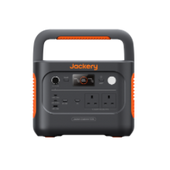
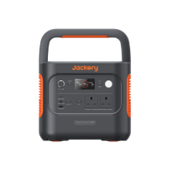
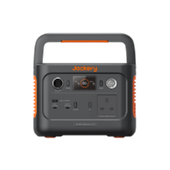
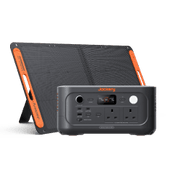
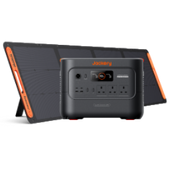
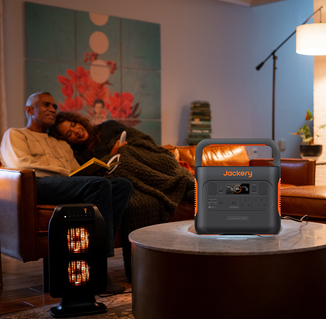
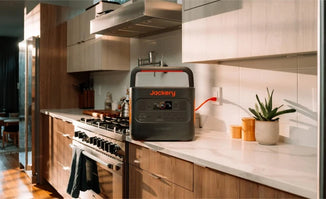
The Jackery Portable Power Stations are an excellent choice for household appliances because they provide a clean, silent, and indoor-safe alternative to gas generators. High-capacity models like the Explorer 2000 Plus can power 99% of home devices, including demanding ones like dishwashers, refrigerators, and microwaves.
Many Jackery units feature an integrated Uninterruptible Power Supply (UPS) with a switching time of less than 20ms. This ensures critical appliances, such as refrigerators and medical equipment, stay powered during a sudden blackout without a hitch.
You can save on electricity bills by charging your Jackery during off-peak hours (when rates are lower) and using that stored energy to run appliances during peak expensive hours.
Jackery Explorer 3000 v2
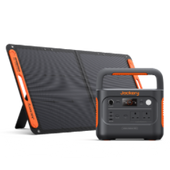
Choosing the Jackery Explorer 3000 v2 is a strategic move for both long-term energy savings and emergency preparedness. With a massive 3,072Wh capacity and 3,600W continuous output, it can power virtually any household appliance, including energy-heavy devices like dishwashers.

Next-Gen Gallium Nitride (GaN) Technology
The 3000 v2 utilizes GaN components, which are more efficient than traditional silicon. This allows the unit to be 47% smaller and 43% lighter than previous 3kWh models while generating less heat and providing a higher 3,600W continuous output.
Advanced Power & Efficiency
With a 7,200W peak surge, it can start heavy-duty motors found in full-sized dishwashers, air conditioners, and well pumps that typically cause smaller power stations to shut down. The ZeroDrain Technology prevents power leakage during long-term storage. You can leave it unplugged for a full year and it will still retain 95% of its charge, ensuring it is ready for an unexpected winter emergency.
Home Integration & Charging
The unit acts as an Uninterruptible Power Supply (UPS) with a switching speed of less than 20ms. In a blackout, your dishwasher won't stop mid-cycle, and your fridge or medical devices will stay powered without interruption.
Using the Jackery app via Wi-Fi or Bluetooth, you can monitor real-time wattage, set charging speeds to prolong battery life, and schedule power usage to take advantage of off-peak electricity rates.
Jackery Explorer 2000 Plus
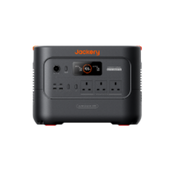
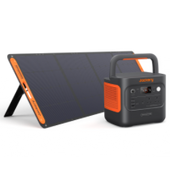
The Jackery Explorer 2000 Plus is highly suitable for heavy-duty appliances like dishwashers due to its 3000W continuous output and high surge capacity. Whether you are looking to lower your energy costs by "load shifting" or need a dependable backup during a blackout, this unit provides the necessary power and scalability.

Powering Heavy Appliances
Most dishwashers require between 1200W and 2400W to operate, especially when heating water. The Explorer 2000 Plus handles these loads easily with a 3000W rated output and a 6000W surge peak for the initial motor start-up.
ith its base 2042Wh capacity, it can run a standard 1500W dishwasher for approximately 1.1 hours, typically enough for one full cycle. If you need to run multiple appliances, you can expand the capacity from 2kWh to 12kWh with extra battery packs.
Saving on Electric Bills
You can use the Explorer 2000 Plus as a tool for Time-of-Use (TOU) optimization. By charging the unit when electricity is cheapest and using it during peak hours, you can significantly reduce your monthly costs.
Charge the unit during "off-peak" hours (often late at night) when utility rates are at their lowest. The unit supports ultra-fast AC charging, reaching a full charge in about 1.7 hours. During "peak" hours when rates spike, run your dishwasher, refrigerator, or microwave from the Jackery instead of the grid to avoid high-cost energy.
Emergency Reliability
In an emergency, the Explorer 2000 Plus functions as a reliable home backup system. It uses LiFePO4 battery chemistry with a 10-year lifespan and 4,000+ charge cycles, ensuring it is ready when you need it most.
Unlike gas generators, it operates at a quiet 30dB and produces no emissions, making it safe for indoor use during storms or outages. It features an ultra-long standby mode that can hold 50% charge for up to 2 years, so it stays prepared even when stored for long periods.
Factors to Consider When Buying a Dishwasher
Purchasing a dishwasher may be an investment in time and convenience for any family, but with so many choices on the market, selecting the correct one can be challenging. Here arHere are some important aspects to consider when buying a dishwasher, with an emphasis on avoiding models that are not worth buying due to brand reliability.

UK Brand Reliability
When purchasing a dishwasher, it is critical to pick a manufacturer with a reputation for dependability. Look for companies that have excellent ratings and favourable feedback from other UK customers.
Choosing a reliable brand ensures quality, whereas picking from a list of dishwashers not to buy may lead to frequent breakdowns. A dependable brand may save you money in the long term by minimising the need for repairs and replacements.
Price vs Long-Term Value
The price of a dishwasher varies substantially based on its features and brand. While staying within your budget is vital, so is investing in a dishwasher that will endure. Cheaper dishwashers may save you money initially, but they are often the exact dishwashers not to buy because they may not be as dependable in the long term, costing you more in utility bills and maintenance.
Size and Loading Capacity
Dishwashers come in a range of sizes, so select one that meets your requirements. Consider the size of your home and how many dishes you regularly wash each day.
A dishwasher with a greater capacity may be more convenient, but it will also use more water and electricity. If a model has a poorly designed interior that wastes space, it likely falls into the category of what dishwasher not to buy.
UK Energy Efficiency Ratings
Energy-efficient dishwashers may help you save money on monthly bills while also reducing your ecological impact. In the UK, look for dishwashers with a high A-G energy rating, which replaced the old system to provide clearer standards. Models with a low efficiency rating are often top candidates not to buy for dishwashers because they are expensive to run.
Operating Noise Levels
Dishwasher noise may be an issue in open-concept homes, particularly at night. Look for dishwashers with low decibel (dB) ratings to reduce noise. Anything above 50dB is generally considered loud and might be among the dishwashers not to buy if you prefer a quiet household environment.
Specialist Features and Programmes
Modern dishwashers provide adjustable racks and specialised wash cycles. Consider the qualities that are crucial to you and your family. For example, if you routinely wash big pots and pans, choose a dishwasher with movable racks or a heavy-duty cleaning cycle. Models that lack these basic, flexible features are the ones to avoid if you want to avoid frustration during loading.
How to Maintain a Dishwasher?
Dishwashers are hard-working kitchen equipment that need regular maintenance to function properly. Proper upkeep not only extends its lifespan but also ensures the dishes remain clean and hygienic. a basic guide on caring for your appliance to avoid the pitfalls that make certain models perform poorly.
Expert Loading Tips
Properly loading a dishwasher is about more than just fitting as many plates as possible. Expert loading tips are essential because they directly impact the cleaning performance, energy efficiency, and longevity of your appliance.
Properly Arrange Dishes: Load dishes so the filthy side faces the spray arms. Plates should be placed on the bottom rack, with bigger objects like pots and pans along the edges. Glasses, cups, and other small items should be stored on the top rack.
Avoid Overcrowding: Leave adequate space between items so water and detergent can flow freely. Overcrowding is a major reason even the best models can struggle, resulting in poor cleaning results.
Secure Utensils: Place cutlery with handles down to avoid water spray being caught. Use a utensil basket or third rack to keep them separate.
Be Aware of Dishwasher-Safe Items: Check labels for dishwasher-safe products. Delicate items or wooden spoons should be hand-cleaned to avoid damage or warping.
Daily Maintenance and Efficiency
Maintaining your dishwasher through simple daily habits and consistent efficiency practices is the most effective way to protect your investment.
Scrape Food Residue: Before filling your dishes, scrape any extra food into a bin or compost. This prevents food particles from clogging the dishwasher's filter and spray arms.
Rinse Heavily Soiled Items: If you have dishes with stubborn or dried-on food, give them a brief rinse. This prevents food particles from cycling back onto your clean dishes.
Run Full Loads: Dishwashers operate most efficiently when completely filled. To save on UK energy bills, only start a cycle when the load is full. Running half-empty loads is a habit that wastes water and electricity.
How To Clean A Dishwasher
The following are the steps and tips for cleaning a dishwasher:
Clean the Filter: Locate the filter at the base of the tub. Remove it and rinse with warm water to eliminate trapped material. Depending on your usage, you should clean it once a month to ensure your unit remains efficient.
Wipe Down the Interior: Clean the dishwasher's interior regularly, including the door gasket and seals. Use a moist cloth to remove residue that can cause leaks or unpleasant smells.
Clear the Spray Arms: Check the spray arms for blockages. Remove them and rinse under a tap. A toothpick can help remove debris from the nozzles.
Deodorise and Descale: In hard-water areas of the UK, limescale is a silent killer. Add a dishwasher-safe cup of white vinegar on the top rack and run a hot water cycle once a month.
Following these daily maintenance routines will maintain your dishwasher in peak shape. A well-maintained machine not only saves time but also prevents you from wasting money on dishwashers that fail prematurely due to neglect.
FAQs
The following are frequently asked questions about dishwashers not to buy.
1. What dishwasher should I stay away from?
When identifying dishwashers not to buy, avoid models with plastic interior tubs and those with consistently low A-G energy ratings. In the UK, budget brands often see higher fault rates within the first few years.
Furthermore, the dishwasher not-to-buy list often includes models that lack a dedicated limescale prevention system, as UK hard water can quickly damage a machine's heating element. To avoid a "lemon," avoid machines with limited spare parts availability in the UK.
2. Why are people getting rid of dishwashers?
Many people are getting rid of their current machines because they have inadvertently purchased dishwashers that have become "money pits." The primary reasons for disposal in the UK include irreparable electronic faults, persistent leaks from degraded seals, and excessive operating costs due to poor energy efficiency. Additionally, as UK energy prices fluctuate, many households are swapping out older, inefficient models for modern A-rated appliances to save on monthly utility bills.
3. How long should a dishwasher last in a UK home?
On average, a dishwasher in the UK should last between 9 and 13 years. However, this lifespan can be significantly cut short if you buy one of the dishwashers not to buy — specifically those with plastic tubs or poor motor cooling. To ensure your appliance reaches the decade mark, regular descaling is essential, especially in hard-water areas like London and the South East.
4. What are the warning signs that my dishwasher is about to fail?
If you notice standing water at the bottom of the tub, unusual grinding noises, or if your dishes are coming out cold and greasy, these are classic signs that your dishwasher is reaching the end of its lifespan. A failing heating element or a cracked door seal is often "uneconomical" to repair in the UK. If your machine is older than 8 years and begins to trip your circuit breaker, it is a strong indicator that internal components are leaking.
Final Thoughts
The secret to a happy kitchen is to avoid dishwashers with fancy features but poor construction. You can ensure your dishes stay clean for years by choosing products from the UK, known for their stainless steel interiors and excellent energy ratings. Think about how you power your appliances to really future-proof your home. A Jackery Portable Power Station is a reliable, green backup that keeps your household appliances running smoothly.


