






























Electricity bills in the UK can feel more complicated than they should be. Even before you look at how many units of electricity you have used, there is often another cost already built into the bill: the standing charge.
That is why no standing charge electricity tariffs have attracted so much attention. On the surface, they sound like a simple way to avoid a daily fixed fee. In reality, the picture is a little more nuanced. The daily charge may disappear, but the costs behind it do not. Instead, they are usually shifted elsewhere, often into a higher unit rate.
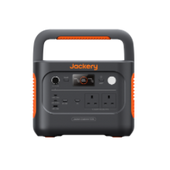
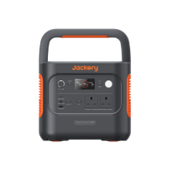
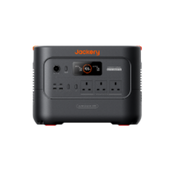
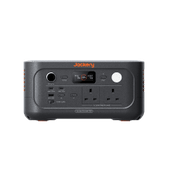
This guide explains what the electricity standing charge is, how much it usually costs in the UK, how no standing charge tariffs work, and which suppliers offer them. It also covers practical ways to reduce electricity costs more broadly, including smarter home energy habits and flexible backup options such as a Jackery Solar Generator.
|
Key Takeaways: |
|
What Is the Standing Charge for Electricity?
The standing charge for electricity is the fixed daily amount you pay to your energy supplier in the UK, no matter how much electricity you use. It is usually charged in pence per day and added to your bill alongside your unit rate, which is the cost of each kilowatt-hour (kWh) of electricity you actually consume.
In simple terms, the standing charge is there to cover the basic cost of keeping your home connected to the electricity network. Even if you switch off every appliance and use almost no power, you will still normally pay this daily fee as long as your property has an active electricity supply.
What Does the Standing Charge Cover?
Although it can feel like an extra bill for using nothing, the standing charge helps fund several essential parts of the energy system. These may include:
- Maintaining the electricity grid and local cables
- Meter installation, maintenance, and readings
- The government schemes and energy policy costs
- Billing, customer service, and account administration
- Costs related to keeping your home connected to the network
How Is It Different from the Unit Rate?
The easiest way to understand it is to separate your electricity bill into two parts:
|
Part of the Bill |
What It Means |
How It Is Charged |
|
Standing Charge |
A fixed daily cost for being connected |
Charged per day |
|
Unit Rate |
The cost of the electricity you use |
Charged per kWh |
So, the standing charge does not change with your daily habits, while the unit rate rises or falls depending on how much electricity you use.
The standing charge can make a noticeable difference, especially for households with low electricity use. For example, if you live alone, spend long hours away from home, or use solar panels to reduce grid demand, the standing charge may still make up a significant share of your bill.
For higher-usage homes, it may feel less noticeable because the unit-rate costs usually take up a larger portion of the total bill. Either way, it is an important part of understanding what you are really paying for.
Do You Pay It If You Use No Electricity?
In most cases, yes. If your electricity supply is live, the standing charge usually still applies even when your usage is close to zero. That is why some people are surprised to receive a bill despite being away from home for a period of time.
Is There Any Way to Avoid It?
Most standard UK electricity tariffs include a standing charge, but some tariffs may structure costs differently. Even so, households usually still pay for the fixed costs of connection in one form or another. The best approach is often to look at the full tariff rather than focusing only on the unit rate.
Many people compare electricity deals by looking only at the price per kWh, but the standing charge matters too. A tariff with a lower unit rate may not always be the cheapest overall if the daily fixed charge is high. This is especially relevant for lower-consumption households.

How Much Is a Standing Charge?
In the UK, the average electricity standing charge depends on how you pay and which tariff type you are on. For households on the April to June 2026 price cap, Ofgem shows an average electricity standing charge of 57.21p per day for customers paying by Direct Debit across England, Scotland, and Wales.
Ofgem also publishes the average annual electricity standing charge by payment type.
|
Payment Type |
Average Annual Electricity Standing Charge |
Approx. Daily Equivalent |
|
Direct Debit |
£209 |
57.3p per day |
|
Prepayment Meter |
£209 |
57.3p per day |
|
Standard Credit |
£240 |
65.8p per day |
|
Economy 7 (Direct Debit) |
£208 |
57.0p per day |
These figures are the Great Britain averages for 1 April to 30 June 2026, and they show why standing charges can feel quite different depending on the payment method. Standard credit is usually higher, while Direct Debit and prepayment are lower on average. It is also worth remembering that these are averages, not fixed national prices. Your actual standing charge can still vary by region, supplier, and tariff, and some suppliers may set a higher standing charge with a lower unit rate, or the other way around.
What Is No Standing Charge Electricity Tariff?
A no standing charge electricity tariff is a tariff where you do not pay the usual fixed daily fee for being connected to the electricity network. On a standard tariff, you normally pay two separate costs: a standing charge every day and a unit rate for each kWh of electricity you use. On a no standing charge tariff, that fixed daily charge is removed or reduced to zero, and the supplier recovers those costs in another way, usually through a higher unit rate.
How Is It Different from a Normal Tariff?
The main difference is how the bill is structured. A normal electricity tariff usually includes both a daily standing charge and a separate unit rate, while a no standing charge tariff shifts more of the total cost into the price of each unit used. A standard tariff as including both the energy rate and a daily fee, which is what these alternative tariffs are designed to change.
|
Tariff Type |
Standing Charge |
Unit Rate |
Best Suited To |
|
Normal tariff |
Yes |
Usually lower |
Medium- to higher-usage households |
|
No standing charge tariff |
No or 0p |
Usually higher |
Lower-usage households in some cases |
So, the attraction is easy to see: if you use very little electricity, avoiding a daily fixed charge may sound appealing. But because the per-unit rate is usually higher, it will not always be the cheaper option overall.
Why Do Some People Choose One?
For households that use relatively little electricity, the daily standing charge can feel frustrating, especially when the home is empty for long periods or usage is kept low. A no standing charge tariff can look more flexible because your bill is tied more directly to what you actually consume.
They have historically been less common than standard tariffs, but Ofgem has been pushing the market toward more choice in this area. In September 2025, Ofgem confirmed plans requiring suppliers to offer at least one lower standing charge tariff, and it also launched work around a zero standing charge option within the price cap framework.

How Much Can You Save with a No Standing Charge Electricity Tariff?
The answer depends almost entirely on how much electricity you use each year. In the UK, a no standing charge tariff can save money for lower-usage households, but it can become more expensive once your annual consumption rises, because the supplier will usually charge a higher unit rate to make up for removing the daily standing charge.
The average electricity standing charge under the Ofgem cap for 1 April to 30 June 2026 is 57.21p per day for Direct Debit customers, which is about £209 per year. The average capped electricity unit rate over the same period is 24.67p/kWh. (Source: Ofgem)
How the Savings Work?
A simple way to think about it is this:
- Potential annual saving = annual standing charge avoided − extra unit-rate cost
So if you avoid about £209 a year in standing charges, but the no standing charge tariff costs more per kWh, your real saving shrinks as your electricity use goes up. Once the extra unit-rate cost equals that £209, there is no saving left. After that point, you would pay more overall.
Example Savings Table
Because suppliers can set different no standing charge prices, the exact savings vary by tariff. To make it easier to compare, the table below uses a worked example based on the current average standing charge of £209 per year and assumes the no standing charge tariff has a unit rate that is 5p/kWh higher than a normal tariff.
|
Annual Electricity Use |
Standing Charge Avoided |
Extra Cost from Higher Unit Rate* |
Estimated Annual Saving / Extra Cost |
|
1,000 kWh |
£209 |
£50 |
£159 saved |
|
1,500 kWh |
£209 |
£75 |
£134 saved |
|
2,000 kWh |
£209 |
£100 |
£109 saved |
|
2,500 kWh |
£209 |
£125 |
£84 saved |
|
3,000 kWh |
£209 |
£150 |
£59 saved |
|
3,500 kWh |
£209 |
£175 |
£34 saved |
|
4,000 kWh |
£209 |
£200 |
£9 saved |
|
4,180 kWh |
£209 |
about £209 |
Break-even |
|
4,500 kWh |
£209 |
£225 |
£16 more expensive |
*Example assumes the no standing charge tariff is 5p/kWh higher than a standard tariff.
If the no standing charge tariff raises the unit rate by:
- 3p/kWh, the break-even point is about 6,967 kWh a year
- 5p/kWh, the break-even point is about 4,180 kWh a year
- 7p/kWh, the break-even point is about 2,986 kWh a year
So the bigger the unit-rate increase, the less likely you are to save unless your usage is very low.
A no standing charge tariff may sound cheaper at first glance, but the real question is always: how much electricity do you actually use over a year? That matters more than the label. Before switching, it is best to compare your expected annual bill using your real usage figures, rather than focusing only on the missing standing charge.
Who Supplies No Standing Charge Electricity?
In the UK, very few suppliers currently offer true no standing charge electricity tariffs as a normal mainstream option. As of March 2026, there are two suppliers offering no-standing-charge electricity tariffs: E and Utilita, and both are tied to prepayment / pay-as-you-go arrangements, which makes the market quite limited.
At the same time, Ofgem has launched a one-year lower standing charge tariff pilot from April 2026. The first suppliers involved are EDF, E.ON, Octopus and British Gas, but these are pilot lower-standing-charge tariffs for eligible customers, not the same thing as a standard, widely available zero-standing-charge tariff for everyone.
Main Suppliers Offering No Standing Charge or Similar Options
|
Supplier |
Type of Offer |
Is It a True No Standing Charge Tariff? |
Who Is It Mainly For? |
Notes |
|
E |
Smart prepayment / smart meter tariff |
Yes |
Prepayment customers with E smart setup |
E states that smart customers do not pay a standing charge on days when they consume no gas or electricity. |
|
Utilita |
Smart Pay As You Go tariff |
Yes |
PAYG / prepayment customers |
Utilita says its tariffs without a standing charge are only available to Pay As You Go customers. |
|
EDF |
Ofgem pilot lower-standing-charge tariff |
No, not generally zero |
Eligible pilot customers |
EDF has also promoted tariffs with reduced standing charges rather than a full zero-standing-charge offer for all customers. |
|
E.ON / E.ON Next |
Ofgem pilot lower-standing-charge tariff |
No, not generally zero |
Eligible pilot customers |
E.ON Next also explains that zero-standing-charge options may exist, but does not present a standard mass-market zero-standing-charge tariff on its normal variable tariff pages. |
|
Octopus Energy |
Ofgem pilot lower-standing-charge tariff |
Not as a normal household tariff |
Eligible pilot customers |
Octopus also has niche smart tariff terms that mention no standing charge in specific cases, but that is not the same as a standard no-standing-charge household tariff available to everyone. |
|
British Gas |
Ofgem pilot lower-standing-charge tariff |
No, not generally zero |
Eligible pilot customers |
British Gas is one of the initial suppliers in the Ofgem pilot, but the pilot is not the same as a nationwide standard zero-standing-charge tariff. |
That difference is important. Some suppliers are testing alternatives to normal standing charges, but only a small number currently offer a tariff that is genuinely marketed as no standing charge in day-to-day use.

Should I Choose Electricity without Standing Charge?
It can be a good option, but not for everyone. In the UK, no-standing-charge or lower-standing-charge tariffs are mainly designed to give households more choice, especially those who use relatively little energy. The catch is that removing the daily standing charge usually means paying a higher unit rate, so the best option depends on your actual electricity use over the year, not just the tariff name.
Why You Might Choose a No Standing Charge Tariff?
The biggest reason to choose one is simple: you use very little electricity. If you live in a small flat, spend long periods away from home, or keep your electricity use consistently low, a standard standing charge can feel like a large fixed cost for very little benefit.
It can also feel fairer from a household budgeting point of view. Instead of paying a daily fee no matter what, more of your bill is linked to what you actually use. For some people, that makes costs easier to understand and easier to control.
In general, a no-standing-charge tariff is more likely to suit:
- Low-usage households
- Smaller homes or flats
- People who are out of the house for much of the day
- Some prepayment customers, depending on supplier and tariff structure
Why You Might Not Choose It?
The main reason not to choose it is that it does not automatically lower your bill. Citizens Advice said that lower standing charge plans may provide more choice, but they will not necessarily bring bills down. That is because suppliers generally recover the missing standing-charge income by increasing the unit rate.
Households with medium or high electricity use could end up paying more overall. Even if the daily charge disappears, the higher per-kWh price can overtake the saving quite quickly once your annual usage rises.
Other Ways to Cut Your Electricity Bill
A no standing charge tariff is only one part of the picture. In practice, the easiest way to lower your electricity bill is to combine a suitable tariff with smarter day-to-day habits at home.

Check Whether Your Tariff Still Fits Your Home
One of the most overlooked savings is simply being on the wrong tariff. Some households can save by checking whether they are on a time-of-use tariff, such as Economy 7, and then shifting appliance use to cheaper off-peak hours where that makes sense.
If your electricity is cheaper at certain times, it can make a real difference to run washing machines, dishwashers, or charging devices outside peak periods.
Use Appliances More Intentionally
Small habits add up surprisingly quickly. Checking the running cost of electrical appliances so you can decide how best to use them, while everyday actions as a practical first step for reducing bills. Useful examples include:
- Only running full loads in the washing machine or dishwasher.
- Avoiding unnecessary tumble dryer use when air-drying is possible.
- Switching devices off rather than leaving them on standby.
- Charging phones, tablets, and laptops only as needed.
- Replacing older bulbs with LED lighting.
These changes sound simple, but they work best because they reduce waste rather than making daily life difficult.
Improve Heating Controls and Reduce Heat Loss
Even in an article focused on electricity, heating habits still matter, especially in homes that use electric heating or rely on electricity for pumps, fans, and controls. Checking your heating controls so you stay warm while using less energy.
- Adjusting heating schedules to match when you are actually home.
- Avoiding overheating empty rooms.
- Sealing draughts around doors and windows.
- Improving insulation where possible.
These steps do not just lower energy use. They also make the home feel more comfortable.
Look Into Support Schemes and Grants
Cutting your bill is not always about using less. Sometimes it is about getting the support already available. GOV.UK says eligible households can receive the Warm Home Discount, which is £150 off electricity bills for winter 2025 to 2026, and people toward grants, benefits, and supplier support schemes.
The Energy Company Obligation (ECO) as a government-backed energy efficiency scheme in Great Britain aimed at helping reduce fuel poverty and carbon emissions through home improvements.
Use Portable Backup Power More Strategically at Home
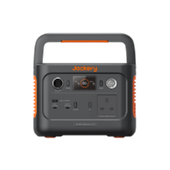
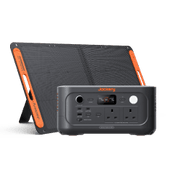
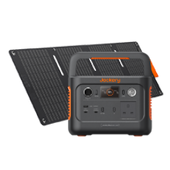
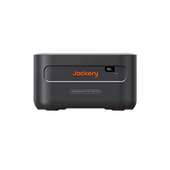
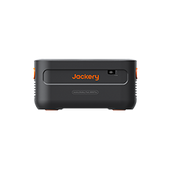
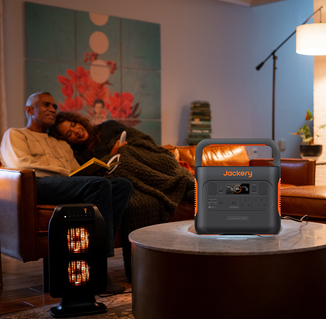
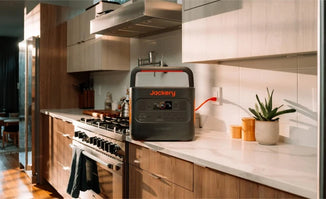
Another way to manage electricity costs is to be more flexible about where your power comes from for smaller devices and occasional home use. A Jackery Solar Generator can be a practical portable power supply for home use, especially for charging phones, laptops, routers, lights, and other everyday essentials without always relying on mains electricity.
Jackery Solar Generators for Saving Electric Bills
Choosing a Jackery Solar Generator can be a strategic move to manage and reduce electricity bills in the UK, especially as energy prices remain significantly higher than pre-2021 levels. By 2026, typical annual bills for standard UK households are still hovering around £1,700 to £1,800, making on-site generation and storage a practical financial tool.
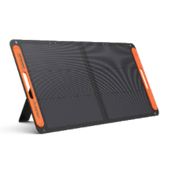
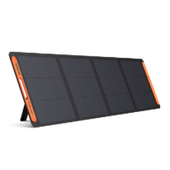
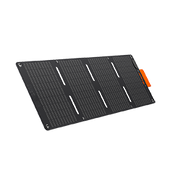
Jackery Solar Panels are designed with high conversion efficiency (up to 25%), meaning they still harvest energy from "diffuse" light on overcast days. Unlike fixed rooftop systems, you can move portable panels to follow the sun or avoid shadows from trees and chimneys, ensuring you get the maximum possible wattage throughout the day.
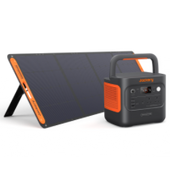
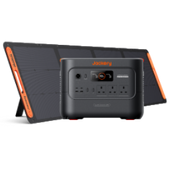
Jackery Solar Generator 3000 v2
The Jackery Solar Generator 3000 v2 is a significant jump in both efficiency and design compared to the previous Pro models. For a UK household looking to offset rising energy costs, it acts as a "personal micro-grid" that bridges the gap between portable power and home energy storage.

Advanced Battery Architecture: LiFePO4 & CTB
Unlike older NMC-based models, the 3000 v2 uses Lithium Iron Phosphate (LiFePO4) chemistry. It offers 4,000+ charge cycles before reaching 70% capacity. In a UK home, this translates to over a decade of daily "cycling" (charging during the day/off-peak and discharging during the evening).
Cell-to-Body (CTB) Technology: Inspired by EV manufacturing, the batteries are integrated directly into the chassis. This makes the unit 47% smaller and 43% lighter (27kg) than industry standards for 3kWh stations. This portability is key in the UK, where you may need to move the unit between a south-facing garden for solar and an indoor utility room.
High-Capacity Energy Offset
With a 3072Wh capacity and a massive 3600W continuous AC output (7200W surge), this unit can handle the "heavy hitters" of a British kitchen. It can run a 3,000W kettle (the ultimate UK power-draw test) for approximately 0.9 hours, or a high-end air fryer (2,750W) for about an hour.
It can power a standard family fridge-freezer (approx. 500Wh/day) for nearly 3 days on a single charge, allowing you to completely disconnect high-drain appliances from the grid.
Financial Optimization: Smart Power Modes
The 3000 v2 includes specific software features designed to target the UK's high energy tariffs:
Scheduled Off-Peak Charging: Perfect for those on Economy 7 or Octopus Agile tariffs. You can program the unit via the Jackery App to charge only during the cheapest night-time hours (e.g., 2 AM – 5 AM) and then power your home office or kitchen during the expensive 4 PM – 7 PM peak.
Solar Charging Priority Mode: This mode ensures that whenever solar power is available, the unit uses it first before drawing a single watt from the wall, maximizing your "free" energy intake.
UPS Function (≤20ms): In the event of a localized power cut (common during UK winter storms), it switches over in less than 20 milliseconds, protecting expensive PCs or medical equipment from resetting.
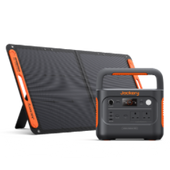
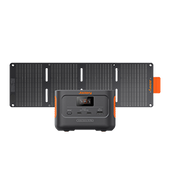
Jackery Solar Generator 2000 v2
The Jackery Solar Generator 2000 v2 is a refined, "leaner" version of the 2kWh class. While the 3000 v2 is a heavy-duty home backup solution, the 2000 v2 is designed for those who want a high-capacity system that is significantly easier to handle without sacrificing the core bill-saving technology.

Industry-Leading Compactness (CTB Technology)
The standout feature of the 2000 v2 is its Cell-to-Body (CTB) integration. 41% Smaller & 35.6% Lighter: It weighs only 38.6 lbs, which is remarkably light for a 2042Wh LFP station (compared to the 28 kg "Plus" model). In smaller UK homes or flats where storage is at a premium, its compact dimensions ( cm) allow it to tuck into cupboards or under desks much more easily than traditional bulky units.
Optimized "Flash" Charging
To effectively save on bills, you need to be able to "grab" cheap energy whenever it’s available—whether that’s a burst of UK sunshine or a 4-hour off-peak window.
- 0–80% in 52 Minutes: Using the "Emergency Charge" mode via the app, you can top up the unit almost entirely in under an hour.
- 1.7 Hour Full AC Charge: Even on standard charging, it is fast enough to fully replenish during the shortest off-peak night tariffs.
- Solar Efficiency: It supports up to 400W of solar input, allowing it to reach a full charge in roughly 5.5 hours of good sunlight, making it a viable daily "solar harvester" for a balcony or small garden.
High-Efficiency GaN Inverter
The 2000 v2 utilizes a Gallium Nitride (GaN) inverter, a cutting-edge upgrade over standard silicon inverters. GaN technology reduces energy loss during the DC-to-AC conversion by about 50%. This means more of the stored solar energy actually reaches your appliances rather than being wasted as heat. Because it runs cooler, the fans don't need to work as hard. It operates at ≤30dB (like a quiet library), making it ideal for indoor use while you work or sleep.
FAQs
The following are frequently asked questions about electricity without standing charge in the UK.
1. Which energy companies have no standing charge?
As of March 2026, the main UK suppliers offering true no standing charge electricity tariffs are E and Utilita, and these options are tied to prepayment / pay-as-you-go meters.
2. Does a smart meter include standing charge?
A smart meter does not remove the standing charge by itself. The standing charge depends on your tariff, not on whether the meter is smart. On standard fixed or variable tariffs, suppliers such as Octopus still describe the standing charge as a normal daily part of the tariff.
3. Does Octopus have a no-standing-charge tariff?
For households, Octopus is currently part of Ofgem’s lower standing charge tariff pilot starting in April 2026, but that is not the same as a standard household no-standing-charge tariff available to everyone. Octopus does have a business no-standing-charge tariff, but that is a separate business-energy product.
4. Who is currently the cheapest energy supplier in the UK?
There is no single cheapest supplier for everyone, because prices vary by postcode, payment method, tariff type, and usage. That said, Forbes Advisor reported in February 2026 that Outfox Energy offered the cheapest fixed deal they found at that time.
Final Thoughts
Electricity standing charges are a standard part of most UK energy bills, but that does not mean every household should accept the same tariff structure without question. For some people, especially those with low electricity use, a no standing charge tariff may offer a better fit. For others, the higher unit rate can quickly cancel out any benefit.
The most sensible approach is to look at your real household usage and compare the full yearly cost rather than focusing on one part of the bill in isolation. Beyond tariff choice, there are also plenty of practical ways to reduce electricity costs, from using appliances more efficiently to reviewing support schemes and improving home energy habits. For added flexibility, a Jackery Solar Generator can also help power everyday essentials at home while reducing reliance on mains electricity in certain situations.


