





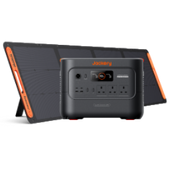
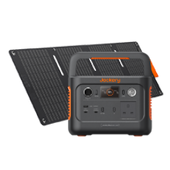


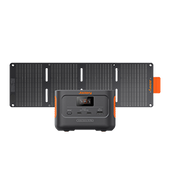

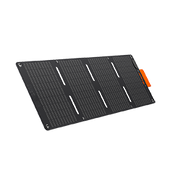
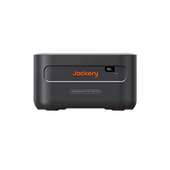
































While solar panels can serve for over 25 years, the lifespan of the core energy storage component, solar batteries, is often the key factor determining the system's return on investment. On average, solar batteries have a lifespan of 5-15 years, depending on battery type, usage frequency, and installation environment.
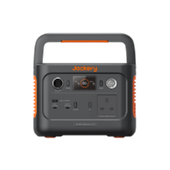
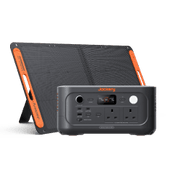
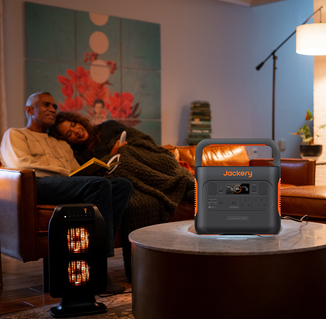
Lithium iron phosphate (LiFePO4) batteries are currently recognised as the most durable and safest solar storage technology, typically with a lifespan of 10-15 years. The Jackery Explorer 3000 v2 and 2000 v2 utilise high-quality LiFePO4 batteries with a lifespan of up to 10 years.
|
Key Takeaways: |
|
How Long Do Solar Batteries Last?
Solar batteries have an average lifespan of 5 to 15 years, which is somewhat less than half that of solar panels. This means that if you install a solar battery now, you may need to replace it at least once before your solar panels reach the end of their useful life (usually 25 to 30 years).
If you want a more exact approach to measure a battery's lifespan, you may keep note of the total number of cycles it goes through, which means how many times it charges and discharges. A cycle is the process by which your battery charges and discharges itself. The following is a detailed analysis of the lifespan of different battery types:

Lead-Acid Batteries
Lead-acid batteries are a long-established technology in energy storage, but despite their low price, their use in modern solar systems is gradually declining. These batteries typically last only 3 to 5 years. Lead-acid batteries have a low cycle life, typically only 500 to 1,000 charge-discharge cycles. Their lifespan may be further shortened if you rely heavily on them during prolonged rainy winters.
AGM Batteries
AGM batteries are an improved version of lead-acid technology, belonging to the sealed, maintenance-free battery category. Their lifespan is slightly longer than traditional open-cell lead-acid batteries, typically around 4 to 8 years. Their cycle life is generally between 600 and 1,500 cycles. While they are better suited as backup power than ordinary lead-acid batteries, their cost-effectiveness is not ideal in the long run.
Lithium-ion Batteries
This is one of the mainstream technologies in the current home energy storage market, with a typical lifespan of 7 to 10 years. Their charge-discharge cycle life is typically between 3,000 and 5,000 cycles. Compared to lead-acid batteries, lithium batteries can withstand a higher depth of discharge (typically 80%-90%), meaning you can use more power at the same nominal capacity without significantly impacting battery life.
Lithium Iron Phosphate
Lithium iron phosphate (LiFePO4) is currently recognised as the most durable and safest solar energy storage technology. Its lifespan is generally 10 to 15 years. This type of battery boasts an impressive cycle life, typically reaching 4,000 to 10,000 cycles. For example, the Jackery Explorer 3000 v2 and Explorer 2000 v2 use high-quality lithium iron phosphate batteries.
Jackery Portable Power Stations: High-Quality Lithium Iron Phosphate Batteries with a Lifespan of Up to 10 Years
When discussing how long do solar batteries last, the quality of the battery cells is undoubtedly the core factor determining their lifespan. Compared to traditional ternary lithium batteries, lithium iron phosphate batteries offer higher thermal stability, ensuring ultimate safety while providing a lifespan of up to 4000 charge-discharge cycles. This means that even with a high-frequency usage habit of charging daily, the device can still retain over 70% of its healthy capacity after ten years, truly achieving a "one-time investment, ten years of worry-free" green energy experience.
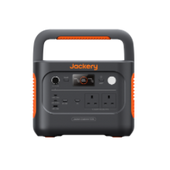
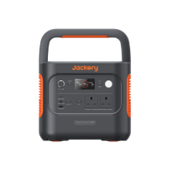
For users particularly concerned about the longevity of solar batteries, two star products from Jackery are worth considering—the Jackery Explorer 3000 v2 and the Jackery Explorer 2000 v2.
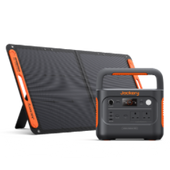
Jackery Explorer 3000 v2 Portable Power Station
The Jackery Explorer 3000 v2 is designed for users with extremely high power demands, offering the following significant advantages:

Exceptional Large Capacity and Output Power: The Jackery Explorer 3000 v2 boasts a massive 3072Wh storage capacity, coupled with a high AC output of up to 3600W. This means it can power virtually any appliance in a modern home.
From high-powered induction cooktops and electric coffee makers to even air conditioners or specialised power tools requiring high starting current, it handles them all with ease, ensuring you can enjoy the convenience of modern life in any environment.
10-Year Long-Lasting Protection from Lithium Iron Phosphate Cells: The Jackery Explorer 3000 v2 utilises state-of-the-art lithium iron phosphate cells, supporting up to 4,000 charge-discharge cycles. Even under extreme usage (such as one full charge and discharge cycle per day), its capacity will still retain over 70% of its initial value after 10 years of use. For the average user, this is not just a one-time purchase, but a long-term and stable energy investment.
Industry-Leading Fast Charging Technology: The Jackery Explorer 3000 v2 achieves a significant leap in charging speed. It fully charges in approximately 1.8 hours using a standard outlet and in ideal sunlight with 1000W solar input, in about 3.5 hours. This efficiency drastically reduces waiting time, making energy replenishment no longer a burden for travel or emergencies.
Lighter and More Portable Industrial Design: Despite its large capacity, it is significantly smaller (59.5 lbs) and lighter (16.4 x 12.8 x 12 in) than comparable products: 47% smaller and 43% lighter. It's convenient for home storage and can easily fit in a car for off-road adventures. It also utilises advanced CTB technology. Compared to the Explorer 3000 Pro, it offers 14% better space utilization and enhanced durability, resulting in a safer travel experience.
The Explorer 3000 v2 has a 3,072Wh capacity and 3,600W AC output with 7,200W surge power.
A practical runtime estimate is:
Runtime ≈ 3,072Wh × 0.85 ÷ device wattage
The 0.85 accounts for real-world inverter loss.
|
Device / Appliance |
Typical Power Use |
Estimated Runtime |
|
Wi-Fi router |
10W |
about 260 hours |
|
LED light |
10W |
about 260 hours |
|
Laptop |
60W |
about 43 hours |
|
TV |
100W |
about 26 hours |
|
CPAP machine |
40W |
about 65 hours |
|
Mini fridge |
60W average |
about 43 hours |
|
Electric blanket |
100W |
about 26 hours |
|
Microwave |
1,000W |
about 2.6 hours |
|
Kettle |
2,000W |
about 1.3 hours |
|
Small heater |
1,500W |
about 1.7 hours |
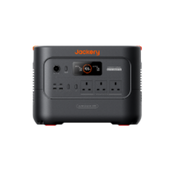
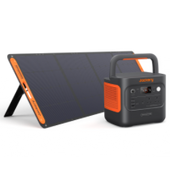
Jackery Explorer 2000 v2 Portable Power Station
The Jackery Explorer 2000 v2 is a strong choice for UK households, campers and emergency-preparedness users who want a portable power station that can last for years, not just for a few trips.
Its value comes from a combination of long battery cycle life, durable LiFePO4 chemistry, practical 2042Wh capacity and enough output to run many everyday essentials during outdoor use or short power cuts.

Long-lasting LiFePO4 Battery Chemistry: One of the main reasons to choose the Jackery Explorer 2000 v2 is its LiFePO4 battery. Compared with older lithium-ion battery types, LiFePO4 batteries are known for better thermal stability, longer cycle life and stronger long-term durability.
This matters in the UK because a portable power station may not be used every day. It may sit ready for camping trips, caravanning, garden work, festivals or emergency backup during storm-related outages.
Designed for a Long Battery Lifespan: Battery lifespan is one of the biggest concerns when buying a portable power station. The Explorer 2000 v2 is built for long-term use (10 years), with a battery system designed to handle repeated charging and discharging.
For users, this means the power station is not just a short-term gadget. It can support repeated weekend camping trips, regular van-life use, home backup moments and seasonal outdoor activities without quickly losing practical capacity.
Safer and More Stable for Household Use: LiFePO4 chemistry is valued not only for lifespan, but also for stability. For a high-capacity power station used around the home, garden, caravan or tent, this is an important advantage.
The Explorer 2000 v2 is designed as a portable battery system for everyday users, so it offers a cleaner and quieter alternative to fuel generators. There are no fumes, no petrol storage and much less noise, which makes it suitable for UK homes, campsites and residential areas.
Higher Capacity & Output: The Jackery Explorer Portable Power Station 2000 v2 delivers an impressive 2042Wh capacity and 2200W output, capable of powering most of your household appliances. It also features 2 AC outlets, 1 USB-A 18W, and 2 USB-C ports ( 100W + 30W), allowing you to charge multiple devices like phones and laptops simultaneously.
Durable Standby Power Solution: It has passed the rigorous IEC60068-3-3 seismic test, proving its durability even in earthquakes up to a magnitude 9⁶. Built to withstand the unexpected, it’s also drop-resistant—giving you peace of mind that it can handle bumps, falls, and rough conditions wherever you go.
How Long Can the Jackery Explorer 2000 v2 Last?
How long it lasts depends on two things: battery lifespan over the years and runtime per charge.
For lifespan, the LiFePO4 battery is designed for long cycle life, meaning it can be charged and discharged many times before its capacity noticeably declines. This makes it suitable for years of regular use.
For runtime, you can estimate it with this simple formula:
Runtime = battery capacity × efficiency ÷ device wattage
Because real-world power stations lose some energy through inverter conversion, a practical estimate is usually based on around 85% usable efficiency.
|
Device |
Typical power use |
Estimated runtime with 2042Wh capacity |
|
Smartphone |
10Wh per charge |
Many dozens of charges |
|
Laptop |
60W |
Around 28 hours |
|
Wi-Fi router |
10W |
Around 170 hours |
|
LED light |
10W |
Around 170 hours |
|
Mini fridge |
60W average |
Around 28 hours |
|
TV |
100W |
Around 17 hours |
|
CPAP machine |
40W |
Around 43 hours |
|
Electric blanket |
100W |
Around 17 hours |
Factors that Affect Solar Batteries Lifespan
Not every solar battery ages at the same rate. You may be wondering why this is such a diverse spectrum. There are several elements that influence how long a solar battery lasts, including the type of solar battery installed, how frequently it is used, and where it is stored.

How Often It Cycles
Cycling your battery causes degradation owing to Solid Electrolyte Interphase (SEI) development, Cathode Material Degradation, and the fact that any current decline is exacerbated by continued cycling. Every time you cycle a battery, the capacity decreases slightly. After a certain number of cycles, your batteries will no longer be able to store and discharge sufficient energy to justify their use.
Depth of Discharge (DoD)
The depth of discharge refers to the percentage of a battery's total rated capacity that has been discharged during operation. Each discharge and recharge cycle irreversibly degrades the microstructure of the electrodes. The deeper the discharge, the higher the stress. For example, it is typically suggested that lead-acid batteries do not exceed 50% depth of discharge; otherwise, their lifespan will be significantly reduced.
Temperature
Excessive heat or freezing temperatures degrade battery performance and longevity. Warmer temperatures accelerate the chemical reaction in batteries, reducing their lifespan by increasing wear and tear. In extreme cold, electrons slow down, and chemicals do not survive as long as they normally would, causing the battery to deplete significantly faster.
Quality of the Batteries
Like most things in life, you get what you pay for. Cheap, unbranded batteries may appear to be a good deal, but they typically degrade faster and have shorter warranties. High-quality solar batteries generally include a Battery Management System (BMS), which continuously monitors battery state and is critical in preventing overcharging, short circuits, and temperature management.
Installation Quality
Even the finest battery will not survive very long if fitted incorrectly. For example, putting solar batteries flush against a wall or other equipment to save space can reduce heat dissipation, increasing the danger of thermal runaway. As a result, selecting a qualified installer is critical—proper installation and configuration can extend the life of the system.
How to Make the Solar Battery Last Longer?
To maximise the lifespan and efficiency of your solar batteries, focus on proper installation, smart usage, regular monitoring, and understanding warranty terms. Here are some tips for getting the most life out of your solar battery:

Tip 1: Avoid Deep Discharge
Although lithium iron phosphate (LiFePO4) batteries support high discharge ratios, using them to 0% for a long time will put enormous stress on the cells. It is recommended to control the depth of discharge during daily use to 20% - 30%.
Tip 2: Set a Reasonable Charging Limit
Unless for emergency power outages or long-distance travel, it's recommended to set the daily charging limit to 80% or 90%. Maintaining a 100% charge for extended periods accelerates internal chemical degradation of the battery.
Tip 3: Maintain a Regular Charge/Discharge Frequency
If the battery is to be idle for an extended period, it's recommended to perform a full charge/discharge cycle at least every 3 months. For long-term storage, it's recommended to keep the charge between 50% and 80%, rather than fully charging or depleting it.
Tip 4: Avoid Charging and Discharging Simultaneously.
Although many solar batteries support charging and discharging simultaneously, doing so at high power output will generate a lot of heat and accelerate battery wear. If possible, it is recommended to fully charge the battery before using it to charge your device.
Tip 5: Use Original or Certified Charging Equipment
Whether using AC fast charging or solar panel charging, always use the original charging cable and compatible solar panel. Mismatched voltage or unstable current can damage the battery's BMS, leading to damage to electronic components or cells.
Tip 6: Store the Battery in a Temperature-Controlled Environment
Batteries are very sensitive to extreme temperatures, especially since they generate heat during charging and discharging. Store the battery in a cool, well-ventilated, and dry environment (such as a garage or storage room), avoiding direct sunlight.
Tip 7: Perform Regular Visual and Wiring Inspections
Develop a habit of regularly inspecting connection cables for wear, loose plugs, or signs of oxidation. In addition, please regularly check and clean the ports of dust or debris to keep them clean, and in particular, prevent moisture from entering the interface.
Tip 8: Update Software/Firmware Promptly
Modern energy storage systems frequently release firmware updates. These updates typically include optimizations to the BMS algorithm, enabling more precise cell voltage balancing and improved temperature control strategies. Please check and update the software regularly.
How Do I Know When My Solar Battery Needs Replacing?
If your battery is no longer meeting your needs, it may be time for a replacement. Recognizing signs of battery degradation promptly not only avoids the embarrassment of power outages but also prevents potential electrical safety risks. Here’s what to look out for:
The Battery Drains Quickly
This is the most obvious sign of battery aging. If you find that the battery, after being fully charged, powers an appliance of the same power for a significantly shorter time than before, it indicates a substantial decline in battery health. Typically, when the usable capacity drops to below 60% to 70% of its original nominal capacity, the battery is considered to have reached the end of its lifespan.
Longer Charging Times
When you find that your battery takes a noticeably longer time to reach a full charge, it may indicate internal damage or degradation. Slow charging can lead to inefficiencies in your solar power system, potentially disrupting your energy management and necessitating a new battery to restore optimal performance.
Frequent Power Outages or Disruptions
A healthy system should provide a smooth, pure sine wave of power. When running high-power appliances, the system suddenly malfunctions, trips automatically, or frequently restarts. If this interruption is not caused by an external overload, it is usually because aging batteries cannot withstand sudden current surges.
Visible Damage or Leaks
Any signs of leakage, corrosion, or physical deformity on the battery are serious red flags. These issues can compromise the battery’s functionality and safety, making immediate replacement crucial to prevent further damage to your solar system or potential hazards.

What Happens If I Don't Replace My Solar Batteries?
Solar batteries have a lifespan of 5-15 years, however that doesn't mean they won't operate anymore. Instead, their total capacity will decrease, as will their ability to hold a charge.
So you can still utilise them beyond this time; however, they will not deliver the same power as when they were new. In addition to the foregoing, failure to replace solar batteries that exhibit evident signs of aging might result in financial losses or safety problems. Here are the primary risks of not changing aged batteries:
Energy Waste: As battery capacity depletes, it retains less and less free solar energy. As a result, throughout the charging process, a large portion of electrical energy is turned into waste heat. Even with plenty of sunlight, your system is inadvertently losing a significant quantity of clean energy.
Significant Decrease in Energy Efficiency: The key value of solar batteries is "peak shaving and valley filling." Aging solar batteries have a limited capacity to store free solar energy. This means that during peak evening hours, you must pay a high price to buy electricity from the grid, which results in increased electricity bills.
Potential Damage to Appliances: Aging batteries are unable to produce a consistent voltage output. This erratic, sinusoidal voltage can put a pressure on appliance adapters, decreasing their lifespan and potentially causing circuit boards in expensive electrical gadgets to fail.
Fire Hazard: This is the most serious outcome, particularly for batteries that have already been physically deformed. Aging cells are prone to internal micro-short circuits. If you continue to charge a bulging or damaged battery, heat can quickly accumulate, perhaps resulting in thermal runaway, a fire, or even an explosion.
Will the Lifespan of Solar Batteries Be Extended in the Future?
Solar battery lifespans are expected to be greatly increased in the future as chemistry advances, management systems get smarter, and new materials are developed. While current high-end batteries last 10-15 years, the trend is toward systems that can last 20 years or more, which is more in line with solar panels' 25-year lifespan. Future trends in extending solar battery life:
- Solid-State Batteries: Known as the "holy grail," these batteries replace liquid electrolytes with solid materials, potentially doubling energy density and considerably boosting lifespan by decreasing deterioration.
- Advanced Battery Management Systems (BMS): Next-generation AI-driven BMS will dynamically balance cell voltage and optimise charging patterns to reduce internal stress, extending battery life from 10 to more than 15-20 years.
- Sodium-Ion Technology: Emerging as a low-cost, long-lasting alternative, these batteries provide a high cycle life (over 6,000 cycles) and superior performance at harsh temperatures.
- Nanomaterials: Using nanostructured electrodes can increase charge/discharge efficiency by up to 40% while lowering heat and battery wear.
FAQs
The following are frequently asked questions about how long do solar batteries last.
1. How often does a solar battery need to be replaced?
The average lifespan of most solar batteries is 5 to 15 years. This is typically when they reach their suggested cycle limit, which varies based on your usage and the maximum number of cycles they can withstand.
2. How long will a 10kWh solar battery last?
A 10kWh lithium-ion solar battery normally lasts 10 to 15 years, and most manufacturers offer a 10-year warranty that guarantees at least 60-70% capacity retention. In terms of daily use, it can contain enough energy to operate key household appliances (fridge, lights, electronics) for 10-24 hours, depending on usage.
3. Is it worth having a battery with solar panels?
Adding a battery to solar panels is generally worthwhile for increasing energy self-sufficiency and home energy independence, as it allows you to use solar electricity at night. Users that consume a lot of electricity at night, use time-of-use pricing, or want backup power during power outages may consider equipping their devices with batteries.
4. How do I know when my solar battery needs replacing?
When the capacity of your solar battery falls below a useful level, you'll know it's time to replace it. If you obtain competent monitoring, this shouldn't happen for 5-15 years. Aside from this, symptoms that solar batteries require replacement include:
Longer charging times
Decreased energy storage capacity
Visible damage or leaks
Frequent power outages or disruptions
Final Thoughts
The lifespan of solar batteries is the result of the combined effects of technology, environment, and usage habits. For example, with proper electricity usage habits, even with daily charge and discharge cycles, the Jackery Explorer 3000 v2 and Jackery Explorer 2000 v2 can last up to 10 years.
Therefore, avoiding overcharging and over-discharging, avoiding operation in extreme temperatures, and using original charging equipment can maximise the lifespan of solar batteries. Furthermore, timely identification and replacement of battery aging signs not only protects your appliances from voltage fluctuations but also ensures electrical safety and energy independence.


![5kW Solar Battery Price in the UK [2026 Update]](http://uk.jackery.com/cdn/shop/files/5kw_solar_battery_price.png?v=1776306774&width=90)


