







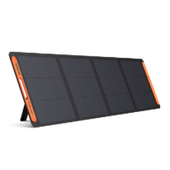
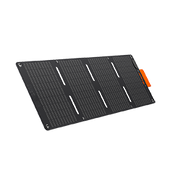


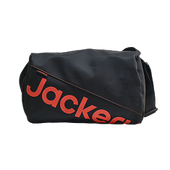



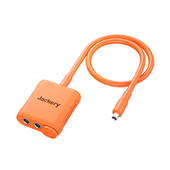
















As temperatures drop throughout the UK, it becomes more important to ensure that your animals have regular access to drinking water. A heated water bowl solar arrangement is an environmentally friendly and dependable solution to prevent ice from accumulating in outdoor dishes.
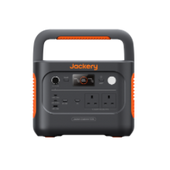
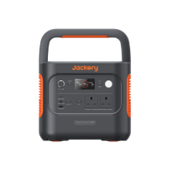
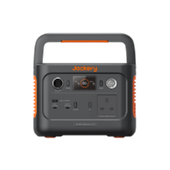
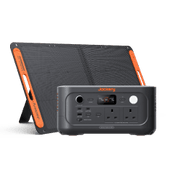
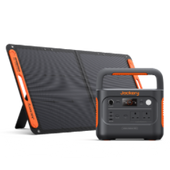
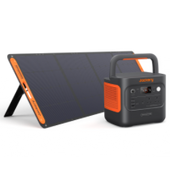
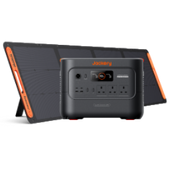
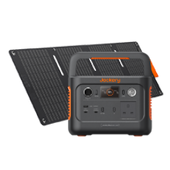
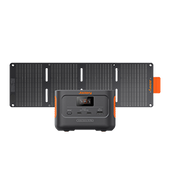
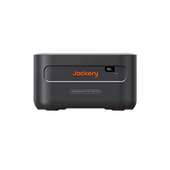
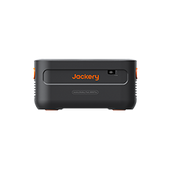
By using renewable energy, you can maintain a safe drinking temperature without the inconvenience of trailing mains cords. To guarantee that your system never loses power during the cold winter months, couple it with a portable power station such as the Jackery Explorer 300D or the larger-capacity Jackery Explorer 500 v2. This gives the ideal off-grid energy option for any pet owner.
|
Key Takeaways: |
|
l A solar-powered heated water bowl makes your pets drink more often, which helps them remain healthy and active even when it's cold outside. l You can make a smart choice depending on the needs of your pets or livestock if you know about the different types. l A solar-powered hot water bowl is great for outside use in gardens, paddocks, or allotments where it would be hard to lay wires. l There are several kinds of animal water bowls that don't freeze, and each one has its own set of advantages. l A heated water bowl solar arrangement is a great way to keep water from freezing, but UK pet owners frequently think about other options as well. l Integrating a Jackery Explorer 300D or a Jackery Explorer 500 v2 ensures your warming bowls remain powered through the frostiest nights. |
What Is a Solar-Powered Heated Water Bowl?
As the weather in the UK changes and temperatures decrease, pet owners frequently worry about how to keep their pets warm and comfortable. Giving your dogs easy access to water all the time is an important element of winter care that people often forget.
A solar-powered heated water bowl may make dogs, cats, and even outside animals more healthier and happier. It is a customised container that keeps drinking water at a safe, comfortable temperature even when it's cold outside. Standard bowls soon turn into solid blocks of ice, but a solar powered heated water bowl employs energy-efficient heating elements to keep the water from freezing over.
This makes sure that your pets may always have water that isn't too hot or too cold, which is important for their digestion and overall health. These bowls are great for UK gardens, stables, or allotments that require a dependable supply of water that isn't near a regular outdoor power outlet.
Why a Solar Heated Water Bowl Is So Important?
All living things, including pets and garden animals, need water to live. Animals may not feel as thirsty in the cold, which makes dehydration more likely in the winter. A frozen water bowl may be very bad for your health, putting stress on your kidneys and making you hypothermic. A heated water bowl solar system makes sure that your pets always have access to clean water, no matter what the weather is like outside in the UK.
Why Pets Need to Stay Hydrated in Winter?
Animals need to be hydrated for their health and well-being. Water is very important for many bodily functions, such digestion, circulation, and keeping the body at the right temperature. Not drinking enough water may lead to serious health problems including kidney failure, urinary tract infections, and damage to organs.
It's very important for your dogs' health that they always have access to clean, fresh water. This is especially crucial when it's chilly outside since they are less inclined to drink from a regular dish. A solar-powered heated water bowl is a great way to keep their hydration levels steady. With a solar heated water bowl, you may have water that stays at a drinking temperature even when the British frost is at its worst.
How Does a Solar Heated Water Bowl Work?
Electric heating elements or insulated materials are two common ways that a heated water bowl solar system keeps the water from freezing. Electric warming bowls include a heating element that steadily heats the water to a safe and comfortable level. You can usually change the thermostat on these bowls to fit the weather in the UK.
Insulated bowls, on the other hand, use materials like double-walled stainless steel or thermal polymers to protect the water from losing heat too rapidly. Both types work well, but a solar heated water bowl is usually the best option for outdoor usage since it uses renewable energy to heat the water.

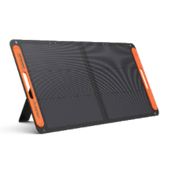
In the UK, a solar-powered heated water bowl usually works by using photovoltaic (PV) technology or solar thermal principles. Solar panels collect sunlight and turn it into electricity. This electricity is then stored in a battery or transmitted straight to a low-wattage heating element in the bottom of the bowl.
This part typically has a built-in thermostat that only turns on when the temperature outside gets close to freezing. This keeps the water from freezing and saves electricity. In more complex arrangements, high-efficiency collectors or insulated basins assist keep this solar warmth, making sure that your dogs can always have water, even on cloudy British days or chilly nights.
Your needs and the location of your animals will help you choose between the many versions. A solar heated water bowl is a useful method to have a steady supply of drinkable water without raising your power costs or having to run lengthy extension cords across the yard for those who can't easily get to a mains socket.
Types of Non-freezing Water Bowl
There are several kinds of animal water bowls that don't freeze, and each one has its own set of advantages. You can make an informed choice about the best technology for your pets or livestock by learning about the many options.
Electric Heated Bowls
Standard heated bowls use electricity from the mains to keep the water at a consistent temperature that is safe to drink. These work really well inside or in places where it's simple to get to outside power outlets. They generally include inbuilt thermostats that only turn on the heating element when the temperature lowers, which makes them a good option for the British winter.
Insulated Thermal Bowls
Insulated bowls keep heat in naturally thanks to their sturdy, double-walled design. These bowls slow down the freezing process without requiring a power source. They are made of thermal polymers or stainless steel. They work well in minor frosts, but if the water isn't changed often enough, they might still freeze in the really severe winters of Northern UK.
Solar Powered Heated Water Bowl Options
Some more modern versions include solar panels, which makes them a great option for the environment and easy to move about. If you can't run wires outside, a solar-heated water dish is perfect for gardens, paddocks, or allotments. These systems employ solar cells to run a low-wattage heater, which keeps the water from freezing.
Off-Grid Renewable Setups with Jackery
A high-quality portable power station works well with a hot water bowl solar arrangement for the most consistent off-grid performance. The Jackery Explorer 500 v2 has a stronger 512Wh capacity, which is better for bigger properties or more than one animal. You may operate a solar-powered hot water bowl together with other important things like lights or cameras outside.
Both Jackery types are built to work in very hot or very cold weather. This makes them the best power source for keeping a dependable hydration station in any outdoor area without having to use extension cords.

Choosing the Best Solar Heated Water Bowl
There are a number of things to think about when choosing a heated water bowl solar system or a regular warming dish for the UK climate. First, think about whether your pet needs an electric or insulated bowl based on where they live and how they behave. People usually choose electric bowls for use indoors or on covered porches. Insulated or solar-powered bowls are better for outside areas like gardens and paddocks.
Next, check the bowl's size. It should be big enough to hold the right amount of water for your pet's size and breed. Also, look for bowls made of durable, safe materials like stainless steel or BPA-free plastics that are easy to clean and keep clean.
Lastly, check for safety features like cables that can't be chewed through and devices that turn off automatically. If you have a solar-powered heated water dish, you need to make sure the wires are weatherproof so your pet stays safe throughout the rainy British winters.
Electric Heated Bowls vs. Solar Heated Water Bowls
When deciding between a solar heated water bowl and a regular electric one, your availability to electricity is typically the deciding factor. Electric bowls keep things warm all the time, but they need to be close to a mains plug, which might be unsafe or impractical outside. A solar-powered warm water bowl, on the other hand, lets you put your hydration station anyplace that gets sunlight.
|
Feature |
Solar Heated Water Bowl |
Electric Heated Water Bowl |
|
Power Source |
Renewable Solar Energy / Battery |
UK Mains Electricity |
|
Portability |
High --- Ideal for fields and gardens |
Low --- Restricted by cable length |
|
Safety |
Low voltage; no trailing mains leads |
Risk of chewing through 240V wires |
|
Running Cost |
Zero --- Powered by the sun |
Added cost to monthly energy bills |
|
Setup |
Easy --- Requires a heated water bowl solar panel |
Requires outdoor-rated power sockets |
|
Reliability |
Excellent when paired with Jackery |
Constant, provided there is no power cut |
Cost Considerations for Your Heated Water Bowl Solar Solution
The price of an anti-freeze water dish depends on the technology and features it has. A simple insulated bowl will usually cost less to buy than a solar heated water bowl or a high-quality electric type.
But these more modern choices make life more easier and more reliable for pet owners in the UK. When you buy anything, you should think about both your short-term finances and the long-term needs of your pets.
In the UK, a normal solar-powered heated water dish for dogs usually costs between £25 and £65. The price depends on the size of the bowl and how well the solar panel works. Systems that are stronger and designed for livestock or big paddocks might cost more than £130 since they usually have stronger materials and bigger heating elements.
How to Make Your Own Solar-Powered Heated Water Bowl?
You might make your own animal water dish that doesn't freeze if you are handy and want to work on crafts. There are several do-it-yourself choices, such as using heavy-duty insulating materials or adding a small, low-wattage heater to a regular bowl. These custom-made solutions may be cheap at first, but they frequently don't work as well as store-bought ones over a tough UK winter.
When doing DIY projects, it's important to put electrical and animal safety first. A lot of people in the UK who want to do things themselves make a solar-heated water bowl by connecting a 12V heating element to a tiny solar panel and a leisure battery.
To make this work, you need to make sure that all of the cabling is in conduit that can't be chewed through and that the heating element is sealed correctly so that it doesn't leak or shock you.
A DIY solar-powered heated water bowl also needs a charge controller to keep the battery from overcharging on bright days and a thermostat to make sure the water doesn't become too hot. A handmade hot water bowl solar station might be unsafe or not work well without these parts. Most experts agree that the best way to deal with the unpredictable British weather is to use a professional solar heated water bowl or a dependable portable power station. This will keep you hydrated and make the bowl last longer.
How to Set Up and Mantain Your Solar Heated Water Bowl?
Proper placement and care are important to make sure your solar-powered hot water bowl works all winter long. If you follow these organised suggestions, you can get the most out of your solar heated water bowl, even on the shortest days in the UK.

Tip 1: Optimise the Angle for Winter Sunlight
During the winter, the sun is substantially lower in the sky in the UK. You should tilt your solar panels at a higher angle, around 60 degrees, compared to the flatter summer position, to get the most electricity. This change lets your solar-powered hot water bowl get more direct light and also helps frost or light snow naturally glide off the panel surface.
Tip 2: Prioritise South-Facing Locations
Always point your solar panels exactly south for the optimum benefits. This orientation makes sure that the panel gets the most constant exposure to sunshine from dawn to nightfall. South-east or south-west are the next best places to put anything if there isn't a south-facing site. Don't position the panel in the shade of fences, trees, or sheds. Even a little bit of shade may greatly reduce the power output of a solar heated water bowl.
Tip 3: Keep the Photovoltaic Surface Clean
For a solar-powered hot water bowl to work well, the panel must be clean. Dust, bird droppings, and salt spray (in coastal places) may form a barrier that keeps the sun from coming in. Use a gentle, wet cloth and plain water to wipe the panel once a week. Don't use rough sponges or strong cleaners on the glass since scratches might make your solar-powered hot water bowl less effective for good.
Tip 4: Keep an Eye out for Algae and Biofilm
Biofilm or algae may grow quickly in warm water. To keep the water fresh and healthy, it is important to clean the bowl itself every day using a mild, pet-safe detergent. When taking care of a solar heated water bowl, be sure to constantly check the seals surrounding the heating element to make sure that no moisture has gotten past the protective shell. If it does, it might create a short circuit or shorten the unit's life.
Tip 5: Protect the Battery from Extreme Cold
If your solar-powered hot water bowl has an external battery pack, try to put it in a box that keeps it warm or in a place that is a little protected. Extreme cold might make it harder for a battery to keep a charge for a short time.
You can make sure that your heated water bowl solar station has enough backup power to keep the water liquid on the coldest British nights by keeping the energy source out of the direct wind chill.

Alternatives to a Heated Water Bowl Solar Solution
A heated water bowl solar arrangement is a great way to keep water from freezing, but UK pet owners frequently think about other options as well. These options include both manual actions and ordinary electric devices, but they often come with trade-offs in terms of safety and ease of use.
Option 1: Manual Hot Water Topping
Some owners opt to frequently add hot water to their outside bowls or use a thermal flask to keep the water fresh all day long. This is a cheap way to do things, but it takes a lot of work and doesn't always work. The Mpemba effect means that hot water may freeze quicker than cold water during a British frost. This can leave pets without a potable supply in less than an hour.
Option 2: Indoor Transitioning
Putting water bowls in a warm place indoors, such a utility room or a conservatory, is an easy method to keep them from freezing. But this isn't a good idea for pets who live outside, working dogs, or farm animals. It also makes it harder for your pets to drink water while they are outdoors, which might cause them to get dehydrated during their most active times.
Option 3: Thermal Disc Insulators
You may put microwavable thermal pads or "snuggle discs" beneath a regular bowl to keep it warm for a few hours. These discs are safer than other DIY electric hacks, but they lose their warmth rapidly when it's below zero. Thermal discs need to be watched and reheated all the time, unlike a solar heated water bowl, which stays warm as long as it has electricity.
Option 4: Passive Solar Hacks
Putting a ping-pong ball in the water or using dark-coloured rubber buckets will slow down the freezing process. These are fantastic strategies for saving money, but they don't usually work to keep the UK cool for a long time. A solar-powered heated water dish is still the best "set-it-and-forget-it" way to make sure your dogs always have water.
|
Method |
Reliability |
Effort Level |
Best For |
|
Solar Heated Water Bowl |
High (Continuous) |
Low |
All-day outdoor use |
|
Manual Refills |
Low (Quickly freezes) |
Very High |
Short-term emergencies |
|
Indoor Bowls |
High (Constant) |
Medium |
Indoor-only pets |
|
Thermal Discs |
Medium (3-5 hours) |
High |
Sheltered porches |
|
Passive Hacks |
Low (Delays ice) |
Low |
Mild UK frosts |
Looking at the pros and cons of each option indicates that manual techniques may work in an emergency, but they don't give you the same piece of mind as a solar-powered warm water dish. For most people in the UK, the easiest method to satisfy their pet's winter needs without having to do it manually all the time is to get a solar-powered heated water dish.
Powering the Heated Bowl with Jackery
The hardest part of utilising a solar heated water dish in distant locations of the UK for pet owners and farmers is keeping a steady supply of electricity. When you connect your equipment to a specialised portable power station, your animals will always have access to water, even during long, cloudy British winters.
In the UK, where winter temperatures frequently drop below freezing, a Jackery Portable Power Station is a superior choice for powering a heated pet water bowl, especially for outdoor cats, dogs, or local wildlife.
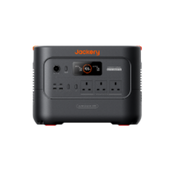
Jackery Explorer 500 v2
The Jackery Explorer 500 v2 (new for 2026) is arguably the "sweet spot" for pet owners. It balances portability with enough capacity to handle the constant, low-wattage draw of a heated water bowl without the bulk of larger units.
 The "Mid-Range" Capacity Advantage
Heated water bowls typically draw between 15W and 40W. The 500 v2 has a 512Wh capacity. It can run a standard 25W heated bowl for approximately 16–18 hours of continuous heating. Since these bowls are thermostatically controlled (turning off once the water reaches a certain temperature), the 500 v2 can realistically keep a bowl ice-free for 2 to 3 days on a single charge.
Upgraded LiFePO4 Safety (Indoor & Outdoor)
The v2 model features LiFePO4 battery chemistry, which is a significant upgrade for pet safety. These batteries are much harder to ignite even if physically damaged, providing peace of mind if you have a rambunctious dog or cat nearby.
Outdoors, the 500 v2 is designed to discharge power in temperatures as low as -10°C. It won't "give up" just when the frost hits and your pet needs that heated water most.
"UPS" Mode for Continuous Hydration
If you use the bowl indoors (perhaps in a porch or conservatory where pipes freeze), the 500 v2 features a Uninterruptible Power Supply (UPS) mode. You can keep the Jackery plugged into the wall and the bowl plugged into the Jackery.
If a winter storm causes a power cut, the Jackery switches to battery power in less than 20ms. Your pet's water stays warm without you even having to be home to flip a switch.
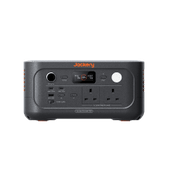
Jackery Explorer 300D
The Jackery Explorer 300D is a unique "specialist" in the Jackery lineup. While larger units are great for long-term backup, the 300D is arguably the most efficient choice for a heated water bowl because it eliminates the "Inverter Tax" that usually drains batteries.

Direct DC Efficiency (Saving Every Drop of Power)
Standard power stations convert battery power (DC) into wall-socket power (AC). This conversion wastes about 15–20% of the energy as heat. If you plug a small 20W heater into a standard AC outlet, the power station might actually pull 30W from the battery just to keep the "engine" running.
The 300D is optimized for DC-Direct output. Many modern heated pet bowls now come with USB-C or 12V (car socket) adapters. By using these, the 300D bypasses the power-hungry AC inverter entirely, making its 288Wh capacity last significantly longer than other units of the same size.
The "No-Fan" Silent Experience
Pets, particularly cats and birds, can be easily spooked by the sudden "whir" of a cooling fan. The 300D is designed to be fanless. It stays completely silent even while discharging power. You can place the unit right next to the water bowl in a quiet corner of the house or a sheltered porch. Your pet won't be frightened away from drinking by mechanical noises or sudden blasts of air.
All-Weather LiFePO4 Durability
The 300D uses Lithium Iron Phosphate (LiFePO4) chemistry, which is essential for a device used to fight off the frost. It can discharge power effectively in temperatures as low as -15°C. When the UK hits a freezing spell and the water bowl starts to ice over, the 300D remains stable and reliable.
FAQs
The following are frequently asked questions about the solar heated water bowl.
1. Is there a solar powered water heater for pet bowls?
Yes, there are a number of different designs for solar heated water bowls that you can buy in the UK right now. These usually come in two types: integrated units with a photovoltaic panel built in or separate heating components that may be hooked up to a tiny solar panel outside.
These devices are designed to preserve water at a temperature that is safe to drink. This means that a solar-powered heated water bowl can keep water from freezing even during a typical British cold snap.
2. Is solar water heating worth it for my pets?
Many people in the UK who own pets or livestock think that buying a solar-heated water dish is a good idea. The initial cost is more than that of a regular plastic dish, but the savings on power over time plus the fact that you don't have to break ice every morning are big benefits.
People who have pets in distant places like stables or allotments where mains electricity isn't available may find a heated water bowl solar solution to be quite useful.
3. Are solar-powered water fountains any good in the winter?
Solar-powered water fountains are great for getting dogs to drink more water in the spring and summer since they are naturally attracted to flowing water. However, a regular fountain may still freeze in the middle of winter if it doesn't include a heating element. It is advisable to use a specialised solar powered heated water bowl that has both movement or filtration and an active heating element to keep the water liquid all year long.
4. What is one disadvantage of a solar water heater?
The main drawback of a solar-powered hot water bowl is that it needs sunlight to work. Winter days in the UK are short and typically cloudy, which may make it harder for the panels to gather electricity. To help with this, you should put your solar heated water bowl where it gets the most direct southern sun and keep the panels free of ice and debris so they work as well as they can.
Final Thoughts
Investing in a heated water bowl solar system is one of the most efficient methods to keep your pet healthy throughout the hard British winter. By using high-quality equipment, you save the everyday burden of breaking ice and preserve your animals from dehydration.
Integrating a Jackery Portable Power Station provides the utmost peace of mind and maximum dependability, ensuring that your warming bowls stay charged even on the coldest nights. These portable solutions provide a sustainable, cost-effective approach to keep your favourite animals happy, healthy, and hydrated throughout the season.


