
























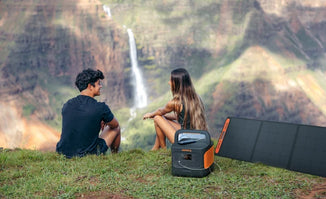


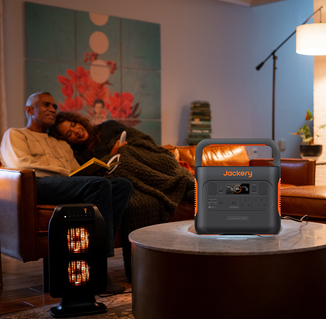




A day outdoors in the UK can look very different depending on what you have planned. A light hiking trip may only require enough power to keep your phone charged and your GPS running, while a full camping weekend, a picnic with friends, or a garden-style outdoor party can quickly add extra demands from coolers, speakers, lights, cooking gear, and cameras. It is easy to underestimate how much electricity those small essentials use over a day.
In this guide, we will look at typical power consumption for a day outdoors in the UK and break down how much power is typically needed for activities such as hiking, camping, picnics, and outdoor parties. We will also explore why a Jackery Portable Power Station can be a practical choice for keeping your outdoor essentials powered wherever the day takes you.
|
Key Takeaways: |
|
How Much Power Do You Really Need for a Day Outdoors?
The amount of power you need for a day outdoors depends less on where you go and more on what you take with you. A simple walk with a phone and smartwatch may only need a small top-up. A picnic with a cool box, speaker and lights is another matter. Once you add more people, longer hours or overnight plans, the total can rise quickly.
That is why it helps to think in watt-hours rather than just battery percentages. Watt-hours, often shortened to Wh, give you a clearer picture of how much energy your devices actually use over the day. It makes planning far easier, especially if you want to avoid flat batteries halfway through your trip.
Below is a general guide to the typical power consumption for a day outdoors in the UK. These figures are approximate, as actual usage depends on the device model, weather, charging efficiency and how long each item is used.
|
Device or Outdoor Essential |
Typical Power Use |
Estimated Daily Use |
Approximate Daily Energy Need |
|
Smartphone |
10W to 20W charging |
1 to 2 full charges |
15Wh to 30Wh |
|
Smartwatch |
2W to 5W charging |
1 full charge |
5Wh to 10Wh |
|
Wireless Earbuds |
2W to 5W charging |
1 to 2 charges |
5Wh to 10Wh |
|
Tablet |
10W to 30W charging |
1 full charge |
20Wh to 40Wh |
|
Camera Battery Charger |
8W to 20W |
1 to 2 batteries |
10Wh to 30Wh |
|
Drone Battery Charger |
30W to 100W |
1 to 2 batteries |
40Wh to 120Wh |
|
Portable Fan |
10W to 30W |
3 to 6 hours |
30Wh to 120Wh |
|
LED Camping Light |
3W to 10W |
4 to 8 hours |
12Wh to 80Wh |
|
Bluetooth Speaker |
10W to 30W |
4 to 8 hours |
20Wh to 100Wh |
|
Electric Cool Box |
40W to 60W |
6 to 10 hours |
240Wh to 600Wh |
|
Mini Projector |
30W to 100W |
2 to 4 hours |
60Wh to 400Wh |
|
Laptop |
45W to 100W charging |
1 charge |
50Wh to 100Wh |
|
Portable Kettle or Cooking Device |
300W to 800W |
Short use |
50Wh to 200Wh |
For a very light outdoor day, you may only need 30Wh to 80Wh. For a typical day trip with several personal devices, lights and a speaker, 150Wh to 300Wh is more realistic. For camping, parties or outings with powered cooling and multiple users, power needs can easily reach 300Wh to 800Wh or more.
Why a Portable Power Station Makes More Sense Than Small Power Banks?
Power banks are useful for short top-ups, but they have limits. They are mainly designed for smaller USB devices, and their capacity can disappear quickly once several people start charging at the same time.
A portable power station gives you more flexibility. It usually offers a much larger battery capacity, more output options and the ability to power both small electronics and larger outdoor gear. That makes it a better fit for longer days outdoors, overnight stays, or activities with more equipment.
This is where a Jackery Portable Power Station fits naturally into the picture. For outdoor use, it offers a more dependable way to keep essentials running.
How Much Power Do You Need for Backpacking or Hiking?
Backpacking and hiking do not all demand the same power setup. A short day walk in the Peak District is one thing. A multi-day route through the Highlands is another. The further you go and the longer you stay out, the more carefully you need to think about battery use, charging options and pack weight.
A casual day hike often only requires a small backup battery. On a longer day route, you may need enough power for navigation, photos and an emergency reserve. Overnight and multi-day trips call for a more deliberate plan, especially if you rely on electronics for route finding or camp lighting.
Day Hikes and One-Night Trips: Keep Power Simple
For short trips, the best approach is usually the simplest one. Most people do not need a large power setup for a standard day hike. A compact power bank is often enough to cover phone use, a GPS app and a few small extras.
|
Trip Type |
Duration |
Power Bank Needed |
Recommended Capacity |
Why |
|
Short Day Hike |
2 to 5 hours |
Optional |
5,000mAh |
Enough for emergency phone top-up and light navigation use |
|
Standard Day Hike |
5 to 8 hours |
Yes |
10,000mAh |
Good for one to two phone charges, ideal for maps, photos and messaging |
|
Long Day Hike |
8 to 12 hours |
Yes |
10,000mAh to 20,000mAh |
Useful for heavier GPS use, tracking apps and extra safety margin |
|
Overnight Hike |
1 night |
Yes |
20,000mAh |
Covers phone, head torch, watch and small camp essentials |
|
One-Night Wild Camp |
24 to 36 hours |
Yes |
20,000mAh to 25,000mAh |
Better for colder weather, longer use after dark and extra device charging |
For many hikers, 10,000 mAh is the sweet spot for a day hike. It is light enough to carry without much thought, yet still provides useful backup power. Once you start taking overnight trips, a 20,000 mAh battery becomes more practical, especially if you use your phone a lot for navigation or entertainment in the tent.
Multi-Day Backpacking: Balancing Battery Weight and Runtime
On multi-day backpacking trips, power planning involves balancing runtime and weight. More battery means more security, but it also means more grams in your pack. That is why experienced backpackers usually focus on essentials first and cut anything that drains power too quickly.
|
Device |
Daily Usage |
Approximate Power Consumed |
|
Smartphone for maps, photos and messages |
Moderate to heavy |
15Wh to 25Wh |
|
Smartwatch or fitness watch |
One daily top-up every 1 to 3 days |
2Wh to 5Wh |
|
GPS device |
Several hours daily |
5Wh to 15Wh |
|
Head torch |
Evening use |
3Wh to 8Wh |
|
Camera battery |
1 battery per day |
10Wh to 20Wh |
|
Wireless earbuds |
Occasional use |
3Wh to 6Wh |
|
Emergency satellite communicator |
Low but continuous |
2Wh to 5Wh |
A lightweight backpacker using only a phone, head torch and watch may get by on roughly 20Wh to 35Wh per day. Someone carrying a camera, GPS device and other extras may need 40Wh to 70Wh per day or more.
Thru-Hiking Power Plan: Charging Between Town Stops
Thru-hiking needs a different mindset. You are not just planning for a day or two. You are planning for repeated stretches between resupply points, hostels, cafés or campsites where charging is possible.
Town stops are where a good power plan pays off. Most hikers recharge as much as possible whenever they reach a café, pub, hostel, visitor centre or campsite with mains power. The usual approach is simple: charge the power bank first or charge both the phone and power bank at the same time if plugs are available.
If your trip includes car camping, base camping, or outdoor gatherings before or after the trail, a Jackery Portable Power Station fits naturally into the wider setup. While most people would not carry a power station on their back for a full hike, it can be very useful for powering devices at the campsite, in a campervan, at a trailhead or during breaks between outdoor activities.

How Much Power Do You Need for a Camping Day?
A camping day often uses more electricity than people expect. Even a simple setup can involve phones, lights, a cooler, a speaker, a fan, or a laptop. Once you move beyond the basics, your daily power needs can rise quite quickly, especially if you are camping with family or staying for more than one night.
The good news is that camping power is usually easy to estimate when broken down by device. Instead of guessing, it helps to look at the appliances you are likely to use, how long you will use them, and whether they run continuously or only for short periods.
Typical Camping Appliances and Their Wattages
|
Camping Appliance or Device |
Typical Wattage |
Typical Daily Use |
Estimated Daily Energy Use |
|
Smartphone Charger |
10W to 20W |
1 to 2 hours |
15Wh to 30Wh |
|
Smartwatch Charger |
2W to 5W |
1 to 2 hours |
5Wh to 10Wh |
|
Wireless Earbuds Charger |
2W to 5W |
1 to 2 hours |
5Wh to 10Wh |
|
LED Camping Light |
3W to 10W |
4 to 8 hours |
12Wh to 80Wh |
|
Head Torch Charger |
5W to 10W |
Occasional charging |
5Wh to 15Wh |
|
Bluetooth Speaker |
10W to 30W |
3 to 6 hours |
20Wh to 90Wh |
|
Portable Fan |
10W to 30W |
4 to 8 hours |
40Wh to 180Wh |
|
Electric Cool Box |
40W to 60W |
6 to 12 hours |
240Wh to 720Wh |
|
Tablet Charger |
10W to 30W |
2 to 3 hours |
20Wh to 40Wh |
|
Laptop Charger |
45W to 100W |
1 to 2 hours |
50Wh to 100Wh |
|
Camera Battery Charger |
8W to 20W |
1 to 3 hours |
10Wh to 30Wh |
|
Drone Battery Charger |
30W to 100W |
1 to 2 hours |
40Wh to 120Wh |
|
Mini Projector |
30W to 100W |
2 to 4 hours |
60Wh to 300Wh |
|
Portable Kettle |
300W to 800W |
Short bursts |
50Wh to 120Wh |
|
Small Electric Grill or Cooker |
500W to 1200W |
Short bursts |
80Wh to 250Wh |
These figures are approximate, but they give a useful guide when planning your power for a camping day.
A Simple Example of Daily Camping Power Use
To get a clearer idea, imagine a fairly normal camping setup for one or two people:
- Two smartphones charged once each = 30Wh to 50Wh
- Two LED lights for the evening = 30Wh to 60Wh
- One Bluetooth speaker = 20Wh to 60Wh
- One portable fan = 40Wh to 100Wh
- One electric cool box = 250Wh to 500Wh
That brings the total to roughly 370Wh to 770Wh for the day.
If you remove the cool box and fan, the total drops a lot. A simpler camping trip with just phones, lights and a speaker may only need 80Wh to 180Wh. That is why the type of camping matters as much as the number of devices.
For camping, a Jackery Portable Power Station is a natural fit because it gives you more flexibility than a standard power bank. It can handle small everyday devices like phones and lights, but it can also support larger camping gear such as cool boxes, fans or camera chargers, depending on the model.

How Much Power Do You Need for a Picnic Day?
A picnic day usually sounds low-power, but it often includes more devices than people realise. Phones are used for maps, photos and music. A speaker may run for hours. Some people bring a portable fan, an electric cool box, fairy lights for an evening stay, or even a mini projector for a more relaxed outdoor setup. On a warm day out in the UK, those small power needs can add up surprisingly fast.
The actual amount of electricity you need depends on the style of picnic. A simple afternoon in the park for two people may only need enough power for phones and a speaker. A longer picnic with family or friends, especially one that stretches into the evening, may need much more. That is why it helps to look at each device separately rather than guess.
Typical Picnic Devices and Their Wattage
|
Picnic Device or Appliance |
Typical Wattage |
Typical Daily Use |
Estimated Daily Energy Use |
|
Smartphone Charger |
10W to 20W |
1 to 2 hours |
15Wh to 30Wh |
|
Smartwatch Charger |
2W to 5W |
1 to 2 hours |
5Wh to 10Wh |
|
Wireless Earbuds Charger |
2W to 5W |
1 to 2 hours |
5Wh to 10Wh |
|
Bluetooth Speaker |
10W to 30W |
3 to 6 hours |
20Wh to 90Wh |
|
Portable Fan |
10W to 30W |
2 to 6 hours |
20Wh to 120Wh |
|
LED Lantern or Picnic Light |
3W to 10W |
3 to 6 hours |
10Wh to 60Wh |
|
LED String Lights |
2W to 8W |
3 to 5 hours |
6Wh to 40Wh |
|
Tablet Charger |
10W to 30W |
1 to 3 hours |
20Wh to 40Wh |
|
Camera Battery Charger |
8W to 20W |
1 to 2 hours |
10Wh to 30Wh |
|
Electric Cool Box |
40W to 60W |
4 to 8 hours |
160Wh to 480Wh |
|
Mini Projector |
30W to 100W |
2 to 3 hours |
60Wh to 200Wh |
|
Portable Coffee Maker or Small Picnic Appliance |
300W to 800W |
Short bursts |
30Wh to 100Wh |
These figures are only a guide, but they are useful when you want to work out a realistic power plan for a day outdoors.
A Simple Example of Picnic Power Use
A fairly typical picnic for a small group might include:
- Two smartphones charged once each = 30Wh to 50Wh
- One Bluetooth speaker = 20Wh to 60Wh
- One portable fan = 20Wh to 80Wh
- One set of LED lights = 10Wh to 30Wh
- That gives a total of roughly 80Wh to 220Wh.
If you add an electric cool box, the daily total could rise to 240Wh to 700Wh, depending on how long it runs and the outside temperature. That is quite a jump, and it shows why picnic power needs can vary so much from one setup to another.
Portable power makes a picnic feel easier and more relaxed. You do not have to worry about your phone's battery draining while using maps, music, or the camera. You can keep a speaker running, power lights after sunset and charge devices without cutting the day short.

How Much Power Do You Need for an Outdoor Party?
Outdoor party power can vary from a few phone chargers and speakers to full lighting, catering and stage equipment. The biggest mistake hosts make is assuming a party only needs power for music. In reality, sound is often just one part of it. Lighting, food equipment, fans, drinks cooling, phone charging, decorative features and safety lighting can all add to the total.
The best way to plan is to match the power setup to the scale of the event. A small garden get-together needs a very different approach from a school fair or a local festival. Below is a practical breakdown by event size, including typical devices, estimated power use, and planning tips for each.
A small outdoor party is usually the easiest to manage. This might be a garden birthday, a picnic-style get-together, a barbecue with friends or a relaxed evening in the park or at a campsite. In most cases, power is needed for music, lighting, phone charging and perhaps some food or drink support.
|
Device |
Typical Wattage |
Typical Use Time |
Estimated Energy Use |
|
Bluetooth speaker |
20W to 60W |
4 to 8 hours |
80Wh to 480Wh |
|
LED string lights |
5W to 20W |
4 to 6 hours |
20Wh to 120Wh |
|
LED lanterns or portable lights |
5W to 15W |
4 to 6 hours |
20Wh to 90Wh |
|
Smartphone charging for guests |
10W to 20W per phone |
Varies |
15Wh to 30Wh per phone |
|
Portable fan |
20W to 50W |
3 to 6 hours |
60Wh to 300Wh |
|
Electric cool box |
45W to 60W |
6 to 10 hours |
270Wh to 600Wh |
|
Small projector |
50W to 120W |
2 to 4 hours |
100Wh to 480Wh |
|
Small grill support appliance |
300W to 800W |
Short bursts |
50Wh to 200Wh |
A simple small party may need only 200Wh to 500Wh if it is mostly music, lighting and a few phone top-ups. A more comfortable setup with cooling, projection or multiple accessories may rise to 500Wh to 1200Wh.
For a small gathering, a compact portable power setup is usually enough if you are mainly running lights, a speaker and charging ports. If you want a neat all-in-one solution for outdoor use, a Jackery Portable Power Station can fit naturally here, especially for parties that need reliable power without noisy fuel equipment. It works well for music, lighting, device charging and other lighter outdoor party needs.
How to Calculate the Power Needed for a Day Outdoors?
Working out how much power you need for a day outdoors is much easier when you break it into small steps. Instead of guessing, you can look at the devices you plan to bring, how long you expect to use them, and how much energy they are likely to consume. That gives you a more realistic idea of the battery capacity or portable power setup you actually need.

Step 1: Make a List of Every Device You Plan to Use
Start by writing down all the devices and appliances you may use during the day. Include both the obvious essentials and the small extras that are easy to forget.
Step 2: Check the Wattage of Each Device
Next, find the wattage of each device. This is the amount of power it uses while operating or charging. You can usually find it on the device label, on the charger or adapter, in the product manual, on the product page or specification sheet. The figure is usually shown in watts, written as W.
Step 3: Estimate How Many Hours You Will Use Each Device
Now think about how long each device will be used during the day. Some devices only need a short charge, while others may run for hours. Try to be realistic rather than optimistic. Outdoor days often run longer than expected, especially in summer or on weekends.
Step 4: Calculate the Energy Use of Each Device in Watt-Hours
Once you know the wattage and the number of hours, you can calculate the energy used by each device. Use this formula:
Watt-hours (Wh) = Watts (W) × Hours (h)
Examples:
Phone charger: 20W × 2h = 40Wh
Speaker: 15W × 5h = 75Wh
LED light: 5W × 6h = 30Wh
Fan: 20W × 4h = 80Wh
Cool box: 50W × 8h = 400Wh
Watt-hours are the most useful way to estimate your total daily energy need because portable power stations are often rated in Wh.
Once you have calculated the watt-hours for each device, add them together.
Step 5: Add a Buffer for Charging Losses and Extra Use
This is a step many people miss. In real use, you will not get perfect efficiency. Some power is lost during charging and conversion, especially when using AC outputs or charging multiple devices. A sensible approach is to add around 20 to 30% extra on top of your total.
Using the example of 625Wh:
20 per cent buffer = 125Wh
total with buffer = 750Wh
So instead of planning for exactly 625Wh, you would aim for something closer to 750Wh.
Step 6: Consider Whether Devices Run at the Same Time
Not every device will be used at once, but some will overlap. This matters because there are two separate things to think about:
Total energy needed over the day, measured in Wh
Total power being drawn at one time, measured in W
For example, if you are running:
A cool box at 50W
A speaker at 20W
A fan at 20W
At the same time, your live power draw is:
50W + 20W + 20W = 90W
That means your power source must be able to handle at least 90W output continuously, even if your total daily energy need is much higher.
Step 7: Match the Total to the Right Power Solution
Once you have your estimated daily total, you can decide what kind of power setup makes sense.
As a rough guide:
- Under 100Wh: usually enough for very light use, such as phone top-ups and small accessories.
- 100Wh to 300Wh: suitable for day trips, picnics and light hiking use.
- 300Wh to 500Wh: better for camping, longer outings or multiple devices.
- 500Wh and above: more suitable for cool boxes, group use, outdoor parties or all-day comfort setups.
For outdoor days with more than a couple of small devices, a Jackery Portable Power Station can be a practical choice because it gives you both battery capacity and a wider range of output options. That makes it easier to power everything from phones and lights to higher-demand outdoor gear, depending on the setup.
Jackery Portable Power Stations for Outdoor Activities
A Jackery Portable Power Station fits naturally into outdoor use because it is designed for situations where portable, reliable electricity matters most. For outdoor trips, it offers a practical way to power essentials without overcomplicating the setup.
For lighter use, it can keep phones, earbuds, lights and speakers running throughout the day. For more demanding activities, it can support gear such as electric cool boxes, laptops, cameras and other outdoor kit, depending on the model. That gives it a broader role than a standard power bank.
It also works well across different types of outdoor plans. A hiker may use it before or after the trail. A camper may rely on it throughout the evening. A family on a picnic may use it to charge several devices at once. Someone hosting an outdoor gathering may use it for music, lighting and guest charging.
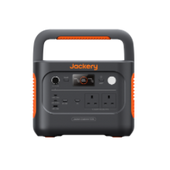
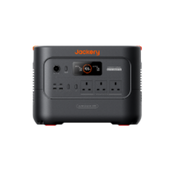
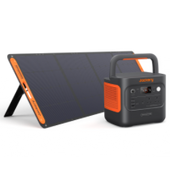
Jackery Explorer 1000 v2: for Camping, Caravanning or Coastal Trips
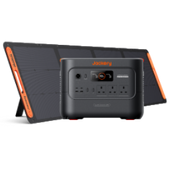
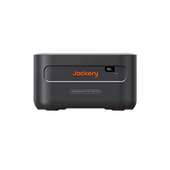
The Jackery Explorer 1000 V2 Portable Power Station is a versatile mid-size portable power station that fits very well with the UK’s outdoor lifestyle—camping, caravanning, fishing, coastal trips, and festivals.

Large Capacity for Multi-Day Outdoor Trips
The Explorer 1000 v2 offers about 1070Wh battery capacity, which is enough to power many common outdoor devices such as camping lights, portable fridges, cameras, or laptops. The power station delivers 1500W AC output (3000W surge), allowing it to run many appliances that smaller battery packs cannot.
Fast Charging for Short UK Trips
The Emergency Charge Mode, enabled through the app, allows the Explorer 1000 v2 Portable Power Station to be fully charged in less than an hour, delivering crucial power backup when your battery runs low. Additionally, charging from 0% to 100% in just two hours using an AC wall outlet helps extend battery life.
Whisper Quiet Operation under 22dB
Immerse yourself in tranquility with its whisper-quiet operation, keeping noise levels under 22dB while powering your devices. Whether you're enjoying a camping trip, working, or simply relaxing, this power station ensures you remain undisturbed, allowing you to focus solely on what matters most.
Durable LiFePO4 Battery
This Explorer 1000 v2 features a superior LiFePO4 (LFP) battery, offering significant advantages over NCM cells. With a lifespan of up to 10 years and 4000 charge cycles at 70% capacity, this power station ensures enhanced durability and reliability for all your power needs.
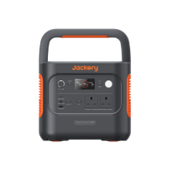
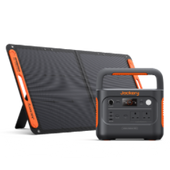
Jackery Explorer 500 v2: for Weekend Glamping, Fishing or Beach Picnic
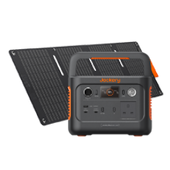
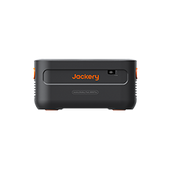
The Jackery Explorer 500 v2 Portable Power Station is designed as a compact, lightweight portable power solution for outdoor adventures and short off-grid trips.

512Wh Capacity, 500W Output
With a 512Wh capacity and 500W output, this new Jackery Explorer 500 v2 is just right for weekend camping or keeping essentials powered during a home outage. With 2*AC outlets, a car port, 2*USB-C ports, and a USB-A port, you can power multiple devices at the same time - no more taking turns to charge.
Power That Moves With You
With Lightweight 5.7kg and 27% smaller size, the new Explorer 500 v2 is easy to lift with one hand and effortless to pack. Perfect for camping, fishing, cycling trips. Built with advanced CTB (Cell-to-Body) tech - also used in EVs - for a stronger, more compact design. With inverter and PV combined, and battery cells built into the base, it boosts space efficiency by 18% compared to traditional models and enhances durability for safer travel.
Smart Charging with Solar Priority
Green Energy First – The Explorer 500 v2 smartly prioritises solar when both solar panels and AC are connected, topping up with mains only when needed. Efficient, eco-friendly, and designed to cut your electricity costs.
Unmatched Longevity with LiFePO4 Battery
The Explorer 500 v2 features a superior LiFePO4 (LFP) battery. With a lifespan of up to 30 years and 6,000 charge cycles at 70% capacity, this power station ensures enhanced durability and reliability for all your power needs.
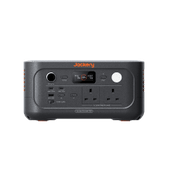
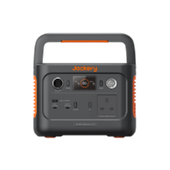
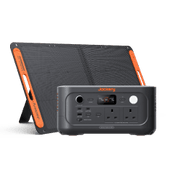
Jackery Explorer 300D: for Hiking, Backpacking or Nature Explore
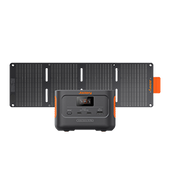
Jackery Explorer 300D Portable Power Station is a compact portable power solution designed for lightweight travel, short outdoor trips, and charging modern electronic devices. Compared with larger power stations, it focuses on portability, efficiency, and fast charging, making it ideal for family day trips and short camping adventures.
 288Wh Capacity with 300W Output
With its lightweight 2.5 kg design, 3× USB-C, 1× USB-A, and car socket, this power station can deliver 288Wh of energy, which is equivalent to up to nine power banks, and has a maximum output of 300W. It keeps laptops, drones, and other devices fuelled simultaneously for travel, camping, and daily backup.
Continue Your Adventure, Charge Without Limits
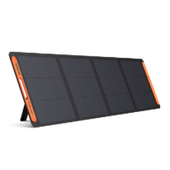
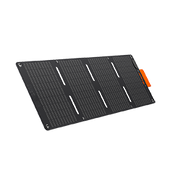
Connect the E300D power bank to the small, foldable 40W solar panel for convenient, intelligent recharging on-the-go. It provides consistent solar energy wherever your journey takes you because to its small size, durability, and ease of attachment to a bike or backpack.
Two-in-one cable. Simply grab and go
With the unique 2-in-1 carry-and-charge cable, you can streamline your on-the-go power. You can take this E300D, walk around freely, and keep all of your devices charged and connected wherever you go because it is strong enough to support up to 10 kg and functions as both a durable handle and a 140W fast-charging cable with data transmission integrated in.
Nearly 0 dB. Silent Power
This quiet power station is much more powerful than a typical power bank and much quieter than traditional units thanks to its completely fanless design, which allows for whisper-quiet, nearly 0 dB operation. Take advantage of robust, dependable energy for both day and nighttime use without interfering with your sleep, concentration, or peace of mind at camp.
FAQs
The following are frequently asked questions about the how much power you need for outdoor use in the UK.
1. How much electricity do you need for a day outdoors?
The amount of electricity you need for a day outdoors depends on the devices you bring and how long you use them. For a simple day out with just a phone, earbuds and a small speaker, you may only need around 50Wh to 150Wh.
For a picnic, camping trip, or outdoor gathering with lights, fans, or a cool box, the total can range from 300Wh to 800Wh or more. The easiest way to estimate it is to add up the watt-hours for each device, then add a small extra buffer.
2. What can a portable power station run during a day outdoors?
A portable power station can run or charge many common outdoor essentials, including smartphones, tablets, Bluetooth speakers, LED lights, cameras, laptops, portable fans and electric cool boxes, depending on the model and capacity. Smaller units are better for personal devices and light accessories, while larger ones are more suitable for camping gear, cooling and shared group use.
3. How do you calculate power consumption for outdoor activities?
To calculate power consumption for outdoor activities, list each device, note its wattage, and multiply that by the number of hours you expect to use it. This gives you the energy used in watt-hours (Wh). After adding all devices, it is sensible to add 20-30 per cent extra to account for charging losses and unexpected use. This gives you a more realistic target for choosing a battery or portable power station.
Final Thoughts
Planning how much electricity you need for a day outdoors makes the whole trip easier. Once you know the typical power use of your devices, it becomes much simpler to match your setup to the activity. Small electronics may only need a modest backup, but cooling, lighting, and shared group use can push power needs well above expectations.
When you want a solution that can handle everything from phone charging to more demanding outdoor gear, a Jackery Portable Power Station can be a useful fit for a wide range of outdoor plans.


