












![[Over £1200 Tier Gift] Bluetooth Speaker with Phone Stand - shipped Separately](http://uk.jackery.com/cdn/shop/files/Portable_Bluetooth_Speaker_with_Phone_Stand_2.png?v=1781595581&width=170)




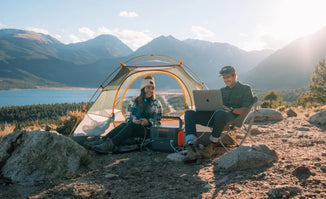


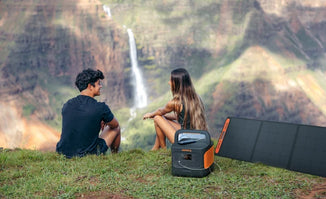


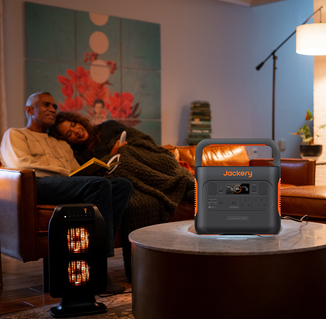


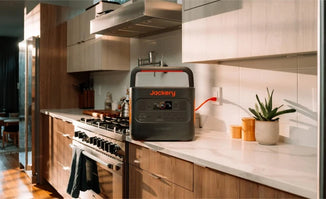


A sunny day can become uncomfortable surprisingly quickly when a walk runs longer than planned, a festival queue offers no shade or a tent continues holding heat after sunset. Staying comfortable outdoors is not simply a matter of carrying more water. It requires choosing the right time of day, reducing direct sun exposure, managing physical effort and recognising when conditions are becoming unsafe.
This guide explains how to keep cool outdoors during UK hot weather, whether you are sightseeing, gardening, exercising, camping or looking after children and pets. It also covers portable fans, solar-powered equipment and the warning signs that mean it is time to stop, cool down and seek help.
|
Key Takeaways: |
|
Quick Answer: How to Keep Cool Outdoors?
To understand how to keep cool outdoors, begin by checking the hourly forecast, UV level and any UK weather or heat-health alerts. Schedule walks, gardening and exercise for early morning or evening, and avoid spending long periods in direct sun between 11am and 3pm, when sunlight is usually strongest.
Use a stable parasol, gazebo, beach shelter or natural shade, but remember that temperatures can remain high beneath cover. Drink regularly instead of waiting until you feel very thirsty. Loose, lightweight clothing, sunglasses and a wide-brimmed hat can reduce heat and sun exposure.
Cooling the skin can also help. Apply cool water, place a damp cloth on the neck or use a misting fan. Reduce physical effort and take planned breaks before tiredness develops.
|
Situation |
Best first action |
|
Walking in a town or city |
Choose shaded streets and stop regularly |
|
Picnic or park visit |
Set up shade before sitting down |
|
Festival |
Locate water points and covered areas on arrival |
|
Beach |
Use a shelter and limit time in direct sun |
|
Gardening |
Work early, split tasks and rest frequently |
|
Outdoor exercise |
Reduce intensity or move the session |
|
Camping |
Create airflow and shade sleeping areas |
|
Children outdoors |
Schedule drinks and structured shade breaks |
|
Dog walking |
Go early or late and check hot surfaces |
Do not ignore dizziness, headache, nausea, weakness, cramps or unusually heavy sweating. Move to a cooler place, stop activity and begin cooling immediately. If the person does not improve within about 30 minutes, or develops confusion, very hot skin or loss of consciousness, seek urgent medical help.
Plan Around the UK Weather and Time of Day
A daily maximum temperature does not show how conditions will change during your outing. Check the hourly forecast for temperature, humidity, UV level, cloud cover and wind. High humidity can make sweating less effective, while weak wind and limited cloud may increase discomfort in exposed locations.
In England, also check the UKHSA Heat-Health Alert service, which gives early warning when forecast temperatures may affect health and wellbeing. Similar weather and public-health advice may be issued separately elsewhere in the UK.
Remember that the forecast describes measured air conditions. Direct sunlight, dark tarmac, sheltered gardens, packed festival grounds and busy city centres can feel considerably hotter because they absorb heat or restrict airflow.
|
Time of day |
Outdoor cooling strategy |
|
Early morning |
Best for walking, exercise and setting up equipment |
|
Late morning |
Increase shade, water intake and rest breaks |
|
Early afternoon |
Avoid intense activity where possible |
|
Late afternoon |
Resume lighter activity only if conditions improve |
|
Evening |
Eat outdoors, ventilate tents or pack up once temperatures fall |
- Early Morning: The morning is usually the better period for dog walking, running, cycling, gardening, longer walks and setting up camp. Starting early also leaves time to finish before surfaces, equipment and exposed spaces have absorbed hours of sunshine.
- Late Afternoon and Evening: These periods may suit outdoor meals, sightseeing, social activities and shorter walks. However, do not assume that 3pm marks an immediate return to comfortable conditions. Air temperatures and heat stored by buildings or paved surfaces may remain high into the late afternoon.

Why 11am to 3pm Matters
UV exposure is often strongest between 11am and 3pm. Direct solar radiation also increases the heat absorbed by the body, so walking or exercising can feel much harder even when the forecast temperature changes only slightly. NHS, UKHSA and Met Office guidance recommends seeking shade and limiting strenuous activity during the hottest and sunniest part of the day.
Use a Simple Planning Framework
Go as planned when the activity is short and light, reliable shade and drinking water are available, and everyone is healthy and prepared.
Modify the plan by starting earlier, shortening the route, adding indoor cooling stops, choosing a wooded venue or reducing exercise intensity.
Postpone or cancel when extreme heat is forecast, water or shade is unavailable, the activity is physically demanding, or children, older adults, people with health conditions or pets cannot be kept safely cool.
Use Shade, Clothing and Sun Protection Together
Shade, clothing and sunscreen each solve a different part of the problem. Shade reduces direct solar exposure, suitable clothing limits how much skin is exposed, and sunscreen helps protect uncovered areas from ultraviolet radiation. None of these measures is enough on its own, especially during a long day outdoors.
Create Proper Shade, Not Just Occasional Cover
Natural shade can come from trees, woodland edges, north-facing walls, covered promenades and buildings. It is often cooler than open ground, but it still needs to be assessed. Tree shade moves as the sun changes position, and isolated trees may offer little protection by late afternoon. Avoid standing beneath damaged branches, particularly after storms or during strong winds.
Portable options include a parasol, beach shelter, gazebo, tarp, awning, shade sail or pop-up canopy. Choose the structure according to the location, the number of people and the likely wind conditions.
What Makes Shade Effective?
Effective shade should provide enough coverage for the whole visit rather than only at the time it is erected. It should also allow air to circulate. Check that poles, guy lines and pegs are secure, the fabric offers suitable UV protection, and low-angle sunlight cannot enter from the sides.
Keep canopies well away from camping stoves, barbecues and other heat sources. A shelter that performs well in light conditions may become unsafe when wind speeds increase, so review the forecast before setting it up.
Avoid Heat Traps
Shade can become uncomfortable when the canopy is very low, side walls block airflow or dark material absorbs heat. Asphalt and paving may continue radiating warmth beneath the shelter. Crowding too many people into a small enclosed space can make conditions worse rather than better.

What to Wear Outdoors in Hot Weather
The aim is to reduce sun exposure without trapping unnecessary heat.
Loose, Breathable Clothing
Choose lightweight fabrics and loose cuts that allow sweat to evaporate. Light colours generally absorb less solar heat than very dark shades. For prolonged exposure, a loose long-sleeved shirt may offer better protection than leaving the arms uncovered, provided the fabric remains breathable.
Hats
A wide-brimmed hat shades the face, ears and part of the neck. A cap offers less coverage, particularly around the ears and back of the neck. Legionnaire-style hats add a rear neck flap, while ventilated sun hats can improve airflow during walking or gardening.
Footwear
Breathable shoes may feel cooler, but they must still suit the activity. Consider blister risk, walking distance and hot ground surfaces. Closed-toe footwear is often safer at festivals and campsites, where tent pegs, cables and uneven ground can create hazards.
Sunglasses and Sun Protection
Sunglasses protect the eyes, while sunscreen reduces UV exposure on uncovered skin. Sunscreen does not stop the body from overheating, so it should be combined with shade, suitable clothing, regular drinks and sensible timing.
Use Sunscreen Correctly
Apply sunscreen before exposure and reapply it according to the product instructions, especially after swimming, sweating or towel drying. Cover easily missed areas such as the ears, neck, shoulders and tops of the feet.
Cloudy weather does not remove UV risk. Even when the air feels cooler, ultraviolet radiation can still be strong enough to cause skin damage. Sunscreen remains important, but it should never be treated as protection against heat exhaustion.
Stay Hydrated and Cool the Skin
Keeping cool outdoors is easier when hydration and skin cooling are used together. Drinking replaces fluid lost through sweating, while water, airflow and cool materials can reduce discomfort at the skin’s surface.
Drink Regularly
Start the day well hydrated and carry enough water for the whole outing rather than assuming it will be easy to buy or refill later. This matters especially on long walks, at festivals, on beaches and in exposed countryside.
Drink at regular intervals before thirst becomes intense. The amount needed varies with temperature, activity level, body size and how heavily you sweat, so fixed rules are less useful than steady intake and sensible planning. Pack extra water for delays, queues or route changes.
Alcohol can increase dehydration risk and may also make it harder to recognise early heat-related symptoms, so keep intake low during hot weather. Electrolyte drinks may be useful after prolonged, heavy sweating, but they are not necessary for every picnic, short walk or garden visit.
Water-rich foods can also support fluid intake. Fruit, salad, yoghurt and chilled snacks are practical choices, provided they are stored safely and kept out of prolonged heat.
Cool Exposed Skin
|
Cooling method |
Best use |
Notes |
|
Damp cloth on neck |
Quick skin cooling |
Re-wet often |
|
Spray mist bottle |
Picnics, festivals and gardens |
Works best with airflow |
|
Portable fan |
Seated shade and camping |
Keep charged and ventilated |
|
Cooling towel |
Walking, sport and queues |
Needs water |
|
Foot soak |
Garden or campsite |
Useful during rest breaks |
|
Ice pack wrapped in cloth |
Short cooling boost |
Never place ice directly on skin |
|
Cold snacks |
Picnics and beach days |
Store safely |
Other simple options include running cool water over the arms and legs, lightly dampening clothing, or placing a wet cloth across the wrists or forehead. Wrapped cold packs can help briefly, but ice should not stay in direct contact with the skin.

Do Portable Fans Help?
Portable fans improve airflow and help sweat evaporate, which can make the body feel cooler. They are most effective in shade, sheltered seating areas and still air. A misting fan may provide extra comfort when the water can evaporate rather than simply soaking clothing.
A fan does not lower the outdoor air temperature and should not be treated as protection from strong sun. Use it alongside shade, hydration, lighter activity and regular breaks.
How to Keep Cool Outdoors in Hot Weather?
Different outdoor activities create different heat risks. A slow walk through shaded streets is not the same as running, gardening, standing in a festival crowd or spending several hours on an exposed beach. The safest approach is to adjust the route, timing, equipment and level of effort to suit the setting.

Walking and Sightseeing
Choose streets with trees, arcades, covered walkways or nearby parks rather than a completely exposed route. Carry only what is needed, as a heavy backpack increases effort and can trap heat against the body.
Shorten the route on hotter days and build in cooling stops at museums, cafés, libraries, shopping centres or other public buildings. Keep a straightforward way back by public transport, taxi or a shorter return path. This prevents a manageable outward walk from becoming an exhausting journey home.
Beaches and Parks
Arriving early gives you more choice of shaded or breezy locations and reduces the amount of time spent travelling during the hottest part of the day. Set up a stable, well-ventilated beach shelter, gazebo or parasol before settling down.
Keep bottles, packed lunches and chilled snacks in shade or an insulated cool bag. Sand, paving, benches, play equipment and metal surfaces can become hot enough to cause discomfort or burns, so check them before children or pets make contact.
Open water may look inviting, but entering suddenly when overheated can be dangerous. Follow lifeguard signs and local advice, stay within designated swimming areas and never rely on swimming alone as a cooling plan.
Festivals and Outdoor Events
On arrival, identify drinking-water refill points, shaded seating, toilets, exits and medical facilities. Refill bottles before they are empty, as queues may grow later in the day.
Dense crowds restrict airflow and can make a warm site feel much hotter. Step into quieter areas regularly, sit down in shade and avoid spending the whole day close to stages or enclosed barriers. Limit excess alcohol, eat normally and keep phones or other communication devices charged in case your group becomes separated.
Gardening and Outdoor Work
Begin early and complete the most demanding jobs before the day heats up. Divide digging, lifting, mowing or carrying into shorter periods, alternating them with lighter duties such as watering, pruning or organising tools.
Store equipment and drinking water in shade so handles, containers and metal surfaces do not become unnecessarily hot. Anyone wearing protective clothing, boots, gloves, helmets or other PPE may retain more heat and should take additional breaks. Work rate and rest periods should be adjusted rather than trying to maintain a normal schedule.
Outdoor Exercise
Reduce speed, distance, resistance or session length when temperatures rise. A shaded woodland route may be more suitable than exposed roads, playing fields or seafront paths, although humidity and limited airflow can still affect comfort.
Exercise with another person where possible, or tell someone your planned route and expected return time. Stop immediately if dizziness, headache, nausea or unusual weakness develops. Move the session indoors, shorten it substantially or postpone it when safe shade, water and recovery time are not available.
|
Outdoor activity |
Main heat concern |
Best adjustment |
|
Walking and sightseeing |
Long exposure and limited shade |
Shorten the route and plan indoor stops |
|
Beach visit |
Direct sun, hot surfaces and reflected heat |
Arrive early and use ventilated shelter |
|
Park or picnic |
Shade moving during the day |
Reposition regularly and keep food cool |
|
Festival |
Crowds, queues and alcohol |
Locate water, shade and medical support early |
|
Gardening |
Repetitive effort and direct sun |
Divide work into short sessions |
|
Outdoor work |
PPE, heavy tasks and limited flexibility |
Rotate duties and increase rest breaks |
|
Running or cycling |
High internal heat production |
Reduce pace, distance or intensity |
|
Group sport |
Continuous activity and delayed breaks |
Add scheduled cooling and drink stops |
Camping and Overnight Outdoor Cooling
Camping creates a different heat problem from a daytime outing. Tents and vehicles can absorb warmth for hours, while limited airflow, warm ground and powered equipment may make sleeping areas uncomfortable after sunset. A cooler night starts with the pitch, not only with what happens at bedtime.

Choose the Pitch Carefully
Look at where shade will fall in both the morning and afternoon. A pitch that is shaded at 9am may be fully exposed later, while an east-facing tent can become hot soon after sunrise.
Airflow also matters. A sheltered hollow may feel still and humid, whereas a very exposed ridge can make awnings and canopies difficult to secure. Consider the ground surface too: grass generally stores less heat than dark gravel or hardstanding.
Choose a practical distance from drinking-water points and orient the tent, awning or vehicle so that doors and vents can benefit from the prevailing breeze without facing directly into strong wind.
Keep the Tent Cooler
Open all suitable vents and mesh panels to create cross-ventilation. A separate tarp or shade layer above the tent can reduce direct solar heating, but it should not block vents or sit directly against the fabric.
Air the tent once outdoor temperatures begin to fall. Use lighter bedding, remove unnecessary insulating layers and avoid running heat-producing equipment for longer than needed.
Fans, chargers, power stations and other devices should have clear ventilation around them. Keep them away from bedding and narrow sleeping areas where heat could build up or vents might be covered.
Store Food and Drinks Safely
Use a cool box or efficient portable fridge and keep it under shade rather than inside a hot vehicle. Open it only when necessary so less cold air escapes.
Where space allows, store frequently accessed drinks separately from meat, dairy products and other perishable food. This reduces repeated opening of the main food container. Never leave perishable items in a parked vehicle that is heating in the sun.
Use Portable Power Realistically
A portable power source can support fans, lighting, phones, laptops and some compact coolers or portable fridges. Capacity should be matched to each device’s wattage, daily running time and expected charging conditions.
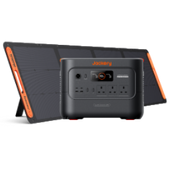
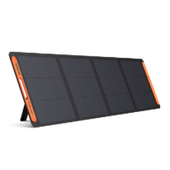
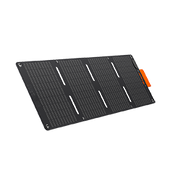
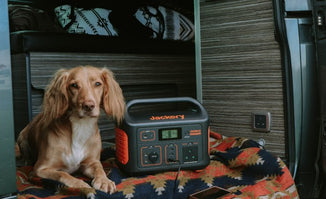
For shorter trips with modest power needs, the Jackery Solar Generator 500 v2 can support essential campsite electronics. The Jackery Solar Generator 1000 v2 is better suited to longer fan use, larger charging demands or a compatible portable fridge. Solar charging can extend off-grid use, but panel output will vary with shade, weather and positioning.
Jackery Solar Generators for Outdoor Cooling
A portable solar generator can keep essential cooling and communication equipment running where mains electricity is unavailable. Solar charging is especially useful for camping, festivals and extended outdoor stays because it can replenish part of the energy used during the day. It does not replace shade, hydration or sensible timing, but it can power fans, lights, coolers and devices that make hot conditions easier to manage.
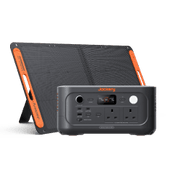
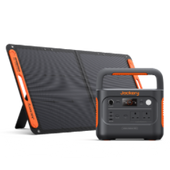
Portable Cooling with the Jackery Solar Generator 500 v2
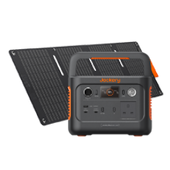
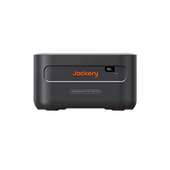
The Jackery Solar Generator 500 v2 combines a compact power station with a compatible solar panel, making it suitable for day trips, picnics, festivals and lighter camping setups. The UK model has 512Wh of LiFePO4 battery capacity, 500W continuous AC output and up to 1,000W peak output.

At approximately 5.7kg, it is portable enough for car-based outings and includes two UK AC sockets, 100W and 30W USB-C ports, USB-A and a 12V vehicle-style output. These connections can support handheld or desk fans, phones, rechargeable lights, laptops, camera equipment and some low-power coolers, provided the total demand stays below 500W.
It is not designed for high-wattage air conditioners, most domestic kettles or hairdryers. Runtime depends on the actual appliance load, while solar charging speed varies with cloud cover, panel angle, shade and the strength of sunlight.
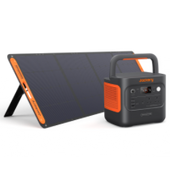
Jackery Solar Generator 1000 v2 for Longer Outdoor Stays
For multi-day camping or larger outdoor setups, the Jackery Solar Generator 1000 v2 provides 1,070Wh of LiFePO4 storage and 1,500W continuous AC output, with up to 3,000W surge capacity. It weighs approximately 10.8kg and has two 230V AC sockets alongside USB outputs.

The extra capacity and output headroom make it more suitable for several fans, an efficient camping fridge, laptops, lighting, cameras and selected low- or moderate-power cooking equipment operating together.
It does not cool the air by itself. High-power appliances can use 1.07kWh quickly, and a portable air conditioner may run only briefly even when its starting and running demand remain within the inverter limit. Keep the unit protected from rain, allow ventilation around it and avoid leaving it in excessive direct heat.
|
Outdoor need |
Solar Generator 500 v2 |
Solar Generator 1000 v2 |
|
Phones and lights |
Strong fit |
Strong fit |
|
One or two small fans |
Strong fit |
Strong fit |
|
Laptop and camera kit |
Suitable |
Longer runtime |
|
Portable fridge |
Load-dependent |
Better reserve |
|
Several devices together |
Limited by 500W |
More output headroom |
|
Longer campsite stay |
Light use |
Better suited |
|
High-power air conditioning |
Generally unsuitable |
Runtime still limited |
How Long Can a Jackery Solar Generator Last?
Use this planning formula:
- Approximate runtime = usable battery energy × conversion efficiency ÷ appliance wattage
|
Appliance |
Approximate load |
512Wh-class unit |
1,070Wh-class unit |
|
USB fan |
10W |
Long-duration use |
Longer-duration use |
|
Desk fan |
35W |
Around a day cumulatively |
More than a day cumulatively |
|
Large fan |
70W |
Several hours |
Longer operation |
|
Electric cool box |
50W average |
Depends on cycling |
Better overnight reserve |
|
Portable AC |
700W |
Above model limit |
Short runtime |
Keeping Children, Older Adults and Pets Safe
Babies, young children, older adults, people with certain health conditions and animals can be more vulnerable during hot weather. They may overheat faster, struggle to communicate discomfort or be unable to move themselves into shade, so outdoor plans should include closer supervision and an easy route home.
Babies and Children
Keep outings short and prioritise full, well-ventilated shade. Offer drinks regularly where appropriate for the child’s age, and choose loose clothing with a suitable sun hat.
Watch for changes in mood, alertness and skin temperature. Unusual sleepiness, irritability, dizziness, sickness or weakness may signal that the child is becoming too hot.
Do not cover a pushchair with a heavy blanket, as this can restrict airflow and trap heat around the child. Check slides, rubber playground flooring, swings and metal equipment with your hand before use. Most importantly, never leave a baby or child inside a parked vehicle, even for a short time.
Older and Vulnerable Adults
Plan shorter routes with accessible seating, nearby toilets and indoor places where the person can cool down. Carry drinks, arrange transport home in advance and check in frequently rather than waiting for them to ask for help.
Medication may need protection from excessive heat, so follow its storage instructions and seek advice from a pharmacist where necessary. Extra care is needed for anyone with reduced mobility, dementia, difficulty recognising thirst, or a heart, lung, kidney or other long-term condition affected by heat.
Dogs and Other Pets
Walk dogs early in the morning or later in the evening, carry water and avoid running or strenuous play. Press the back of your hand against the pavement before setting out; if it feels uncomfortably hot, choose grass or postpone the walk.
Shade must continue to cover the animal as the sun moves. Never leave any pet in a parked vehicle. Heavy panting, drooling, weakness, vomiting, confusion or collapse may indicate heat illness and require urgent veterinary attention.
Recognise Heat Exhaustion and Heatstroke
Feeling hot, sweaty or uncomfortable does not always mean someone has heat illness. However, symptoms such as dizziness, nausea, confusion or collapse require immediate action. UKHSA guidance stresses that anyone can become unwell in hot weather, while older adults, young children and people with certain health conditions face greater risks.

Possible Heat Exhaustion
Heat exhaustion may cause headache, dizziness, nausea, weakness, intense thirst, muscle cramps, heavy sweating, or fast breathing and heartbeat. The person may also look pale or feel clammy.
Stop the activity immediately and move them into shade or a cooler building. Remove unnecessary outer clothing, offer cool fluids if they are fully awake and able to drink, and cool the skin with water, a damp cloth or wrapped cold packs.
The person should begin to feel better after resting and cooling. Seek medical advice if recovery is not prompt. NHS guidance treats failure to improve after around 30 minutes as a possible sign of heatstroke requiring urgent help.
Heatstroke Is an Emergency
Warning signs include confusion, poor coordination, collapse, seizures, very hot skin, loss of consciousness or rapid deterioration. Heatstroke can develop from untreated heat exhaustion and needs emergency treatment.
Call 999 when heatstroke is suspected. While waiting, move the person to a cooler place, remove excess clothing and continue cooling them with water, airflow or wrapped cold packs.
Do not try to finish the walk, event or task once symptoms begin. Reaching a cooler place and getting help is more important than continuing the original plan.
|
Condition |
Common signs |
What to do |
|
Mild overheating |
Sweating, thirst and discomfort |
Find shade, drink water and slow down |
|
Dehydration |
Headache, dry mouth and dark urine |
Drink fluids and rest |
|
Heat exhaustion |
Dizziness, nausea, cramps and heavy sweating |
Stop and cool down urgently |
|
Possible heatstroke |
Confusion, collapse, seizure or a very hot body |
Call 999 |
Outdoor Hot-Weather Checklist
Before leaving home, check the hourly forecast, UV level and any relevant heat alerts. Choose the coolest available time for the activity and confirm that dependable shade, drinking water and a straightforward route home will be available.
Pack lightweight clothing, a suitable hat, sunscreen and sunglasses. A cooling cloth, spray bottle or charged portable fan can improve comfort during rest stops, while an insulated bottle or cool box helps keep drinks and food at a safer temperature.
For a longer outing, check where bottles can be refilled and whether phones, fans or other essential devices have enough power. Plan separately for children, older adults, anyone with a health condition and pets. Most importantly, agree in advance that the group will leave early if conditions become uncomfortable or someone begins to feel unwell.
Best Outdoor Cooling Essentials
|
Item |
Why it helps |
Best for |
|
Reusable water bottle |
Makes regular drinking easier |
Everyone |
|
Insulated bottle |
Keeps drinks cooler for longer |
Walks and picnics |
|
Wide-brimmed hat |
Reduces direct sun exposure |
Walking and gardening |
|
UV umbrella |
Provides portable shade |
Queues and festivals |
|
Cooling towel |
Supports evaporative skin cooling |
Sport and camping |
|
Mist spray |
Provides a quick skin refresh |
Gardens and beaches |
|
Portable fan |
Improves airflow in shaded areas |
Camping and events |
|
Cool box |
Keeps food and drinks chilled |
Picnics and road trips |
|
Portable power station |
Recharges fans, phones and lights |
Long outdoor days |
A checklist is only useful when it supports flexible decisions. If the temperature rises faster than expected, shade disappears, water runs low or someone becomes dizzy or nauseous, shorten the activity and move to a cooler place.
FAQs
The following are the frequently asked questions about keeping cool outdoors in hot weather:
1. What is the 11am rule in the UK heatwave?
The “11am rule” refers to advice to minimise direct sun exposure between 11am and 3pm, when UV levels are usually strongest. During hot weather, avoid strenuous exercise, use shade and move longer outdoor activities to the morning or evening. It is not a precise safety cut-off: temperatures may remain high after 3pm.
2. Should you open or close windows in a heatwave?
Close windows and curtains in rooms facing the sun when the outdoor air is hotter than the air indoors. Open windows later, once conditions outside become cooler, and create cross-ventilation where it is safe to do so. Leaving windows open throughout the hottest part of the day can allow warmer air into the building.
3. What drinks help you cool down?
Cool water is usually the simplest choice. Drink regularly rather than waiting until you feel intensely thirsty. Milk and low-sugar drinks can also contribute to hydration. Electrolyte drinks may be helpful after prolonged heavy sweating, but they are not essential for an ordinary walk or picnic. Limit excess alcohol because it can increase dehydration risk.
4. How can I keep cool outdoors in hot weather?
Check the hourly forecast, go out during the cooler morning or evening, use reliable shade and wear loose, lightweight clothing. Carry enough drinking water, reduce physical effort and cool exposed skin with a damp cloth, spray bottle or misting fan. Leave early if shade disappears, water runs low or anyone begins to feel unwell. UK heat guidance recommends avoiding direct sun between 11am and 3pm where possible.
5. Do portable fans work outside?
Portable fans can improve comfort by increasing airflow and helping sweat or mist evaporate. They work best in shade and relatively still air. However, a fan does not reduce the outdoor temperature and should not be used as a reason to remain in strong sunlight or continue strenuous activity.
6. How do I keep a tent cool?
Choose a pitch with afternoon shade and some airflow. Open suitable vents, use a separate tarp or canopy above the tent without blocking ventilation, and air the tent once the outdoor temperature falls. Use light bedding, keep heat-producing equipment away from sleeping areas and avoid pitching on heat-retaining asphalt where possible.
7. When should I avoid outdoor exercise?
Avoid or reduce outdoor exercise during the hottest and sunniest part of the day, particularly between 11am and 3pm. Move the session indoors or postpone it when extreme heat is forecast, shade and water are unavailable, or the activity is long and physically demanding. Stop immediately if dizziness, nausea, headache, cramps or unusual weakness develops.
8. What are the warning signs of heatstroke?
Possible signs include confusion, poor coordination, very hot skin, rapid breathing, collapse, a seizure or loss of consciousness. A person who remains unwell after about 30 minutes of cooling and drinking fluids may also have heatstroke. Call 999, move them to a cooler place, remove excess clothing and continue cooling them while help arrives.
Final Thoughts
Knowing how to keep cool outdoors in hot weather begins before leaving home. Check the hourly conditions, choose a cooler time, identify shade and water, and make sure there is an easy way to shorten the outing. Once outside, combine regular drinks with loose clothing, sun protection, reduced effort and frequent cooling breaks.
Portable fans, cool boxes and solar generators can make festivals, picnics and camping trips more comfortable, but they cannot make strong sun or extreme heat harmless. Pay close attention to children, vulnerable adults and animals, and never push on once symptoms appear. A flexible plan is the safest one: move, rest, cool down or leave as soon as conditions stop being manageable.


