






























If you've ever asked yourself, "Is it illegal to sleep in your car", you're not alone. Sleeping in your car could be a good option for long trips, budget travel, or emergencies, but you need to consider safety and the law.
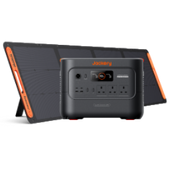
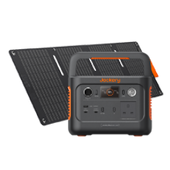
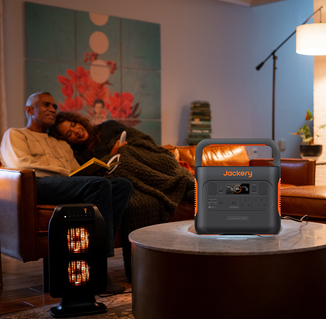
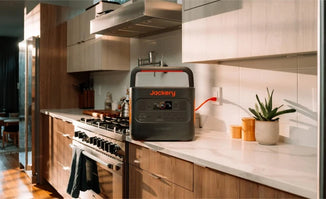
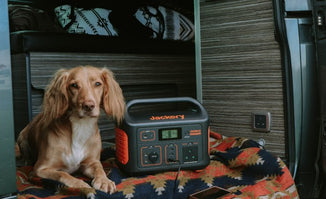
In the United Kingdom, it is essential to understand specific parking regulations and avoid fines. Devices such as portable power stations, including the Jackery Explorer 1000 v2 or Explorer 500 v2, provide reliable energy for small appliances and device charging, ensuring comfort without running the engine. This guide presents authoritative information on safe and lawful sleeping in your car.
|
Key Takeaways: |
|
Is It Illegal to Sleep in Your Car?
Many of us spend significant time driving each day. Fatigue behind the wheel is common. UK drivers face road hazards, long journeys, and fast motorways. They should take frequent breaks at service stations and never drive tired.
Because of this, many motorists ask: Is it illegal to sleep in your car when you need a rest? The legal boundaries around sleeping in your vehicle can feel unclear, with plenty of myths surrounding the topic.
In reality, sleeping in your car is generally legal, but certain circumstances, locations, and behaviours may influence whether authorities decide to intervene. If you're not sure, it's usually a good idea to consider your surroundings and UK laws before you lie down to sleep.
Why Authorities Might Approach You?
While sleeping in your car is lawful in most circumstances, police may approach you if they find you asleep to ensure public safety. Particular attention is given to suspected drunk driving or intent to operate the vehicle while impaired. Authorities evaluate specific indicators:
Your Position In The Car: Sleeping in the driver's seat can suggest an intention to drive, which may raise concerns.
Your Recent Activities: Alcohol in the car or other indications of drinking might complicate matters and affect how officers view the situation.

How to Avoid Suspicion While Sleeping in Your Car?
The way you manage your keys and parking location can reduce misunderstandings:
Keep Your Keys Safe: Leaving them in the ignition may appear suspicious. Store them securely in the glove compartment.
Choose Your Location Wisely: Don't park in unsafe areas or in residential neighbourhoods. You should stop in a legal rest area, a supermarket parking lot, or a quieter highway service stop.
By implementing practical safety measures and making considered decisions, you can sleep in your parked car without breaching the law or attracting unwanted attention from authorities or residents.
Where Can You Sleep in Your Car?
If you find yourself too tired to continue driving, knowing where it is safe and legal to sleep in your car in the UK is essential. While sleeping in your car is generally allowed, picking a suitable location can mean the difference between a peaceful rest and potential trouble. Here are some of the best places to sleep in your car in the UK.

Motorway Service Stations
You should never stop on the hard shoulder of a freeway, as it is only for emergencies such as accidents or breakdowns. Instead, pull over at the nearest rest area or service station. Remember that most service stations only allow you to stay for a limited time, generally 2 to 3 hours.
Some even use license plate recognition to track who comes and goes. Setting an alarm is an easy approach to make sure you don't sleep too long. One good thing about stopping at a service station is that you can get a strong cup of coffee or a snack to give you more energy before you continue your trip.
Car Parks
Sleeping in your car is permitted in parking lots that allow overnight parking. To avoid expensive penalties, verify the hourly rates before parking. Be careful of signage that says the parking lot shuts down at specific times. You don't want to be stuck in there. Picking a parking park that is well-lit and safe might also make you feel safer while you sleep.
Residential Areas
If you need to sleep, you can lawfully park on residential streets, but be careful not to wake neighbours, as they may call the police. Don't park on double yellow lines or obstruct sidewalks or driveways. Also, stay away from passing zones to stay safe and prevent getting a ticket.
Public Areas
Many municipalities and cities don't allow overnight parking or camping in public places, such as town centres or major tourist attractions. If you disobey these restrictions, you might get a fine that exceeds the cost of a hotel. Sleeping in your car in public places is usually not against the law, but it's always important to be careful.
Private Property
Do not park on private land without the owner's explicit permission. To avoid legal repercussions, always seek prior consent. If refused, promptly respect the decision, as property owners have full rights to deny access.
When Is It Unlawful to Sleep in the Car?
Certain actions render sleeping in your car unlawful, particularly when under the influence of drugs or alcohol. Awareness of these regulations is essential to avoid severe penalties.
Under the Influence of Alcohol or Drugs
It is illegal to sleep in your car if you are under the influence of alcohol or drugs and are either driving or appear to intend to drive the vehicle. You must be able to demonstrate that there was no plan to drive while unfit.
UK legislation states:
"…A person shall be deemed not to have been in charge of a vehicle if they prove that at the material time the circumstances were such that there was no likelihood of them driving it so long as they remained unfit to drive through drink or drugs."
You are responsible for proving you did not intend to drive while under the influence if questioned by authorities.
Situations That May Raise Suspicion
Authorities may suspect that you intended to drive under the influence if you:
1. Attempted to enter the car but failed.
2. Had the keys on your person.
3. Showed any intent to take control of the vehicle.
Police evaluate the context and apparent intentions behind your actions to determine whether there are potential violations.
Possible Penalties
If authorities determine you intended to drive while impaired, potential consequences include up to three months imprisonment, fines up to £2,500, and a driving ban.
In more serious cases, penalties may include longer prison terms and unlimited fines. A drink-driving conviction could increase your vehicle insurance costs. It can also affect your ability to fly abroad.
How About Sleeping in My Motorhome?
Sleeping in your camper or RV is normally permitted in the UK, provided you park securely and responsibly. To prevent complications, check for limitations, such as 'no camping' or 'no overnight stay' signs; be unobtrusive by arriving late and departing early; and keep the area neat. Following these simple precautions ensures a safe, trouble-free overnight stay without attracting unnecessary attention from authorities or locals.

Drinking and Sleeping in the Car
Even if you think sleeping it off in your car is a safe solution after drinking or using illegal substances, it can still put you at serious legal risk in the UK. If you are found inebriated while in your vehicle, you could be charged with being intoxicated in control of a motor vehicle, which carries a high fine and up to 10 penalty points on your driving licence, which can potentially lead to a licence suspension if proven guilty.
Importantly, you can face charges even if the keys are not in your possession or if you are sitting in the passenger seat. This prohibition also applies to those who are parked on private property. If you are intoxicated and asleep in your car, you might still get in trouble with the law. To avoid hefty fines and sleep peacefully without breaking the law, follow these steps.
Parking for Sleeping in Your Car
If you want to sleep in your car, it's important to choose a secure, well-lit parking spot. You don't want to put other people on the road at risk or draw attention to yourself. Good places to park include vehicle parks, service stations, authorised roadside parking spots, open roads that don't block traffic, or private drives and property with the owner's permission.
It's a good idea to verify ahead of time, since some of these places may charge fees or have time limits. Setting an alarm for a few minutes before you need to leave can help you get up on time and drive safely.
For added safety, it's recommended to park near other vehicles rather than in isolation, lock the doors, and turn off the engine and any auxiliary features, such as the radio, to prevent the battery from draining. Store your keys somewhere safe but secure, so they won't cause injury if you move while sleeping. To maintain fresh air and reduce moisture buildup, slightly crack a window if it's not wet, allowing ventilation while you rest comfortably in your car.
Recommendations for Sleeping in a Car
It's usually okay to sleep in your car in the UK, but you should do it carefully and properly. Think about where you are and take safety measures, such as telling someone where you are, before you relax, whether you are alone or with people.
Do not park on the side of the road, leave the engine running, or leave the keys in the ignition overnight to utilise temperature settings. This can waste gas, drain the battery, and expose you to dangerous automotive emissions. Here are 10 practical recommendations for a safe and comfortable sleep in your car:
|
Recommendations for Sleeping in a Car |
|
Following these tips ensures that sleeping in your car is safe, comfortable, and stress-free, while keeping you on the right side of UK law.

Other Things You Can and Can't Do in a Car
The Highway Code contains a vast number of rules, so it's easy to get confused about what is and isn't allowed while driving in the UK. Here's a guide to some of the most common questions:
Is It Criminal To Drive Barefoot or In Flip-Flops?
No, it is not illegal to drive barefoot or in flip-flops in the UK. However, footwear should not prevent you from controlling the pedals safely. Driving without proper control could be considered careless driving if it causes an accident.
Is It Unlawful To Drive In Your Pyjamas?
There is no law preventing you from driving in pyjamas. The key requirement is that you remain fully capable of operating the vehicle safely at all times. Wearing pyjamas should not impede your ability to control the car.
What Are The Rules for Window Tinting?
UK law restricts how dark your window tint can be. The front windscreen must allow at least 75% of light through, and the front side windows must allow at least 70% of light through. Heavily tinted windows can result in fines or MOT failure if they obstruct the driver's vision.
Is It Illegal to Transport an Unrestrained Dog in The Car?
Yes, dogs must be safely restrained while in a moving vehicle. This can be done using a suitable crate, carrier, or seatbelt harness. An unrestrained pet can distract the driver and may be considered an offence under the Road Traffic Act.
Are Car Stickers and Eyelashes Legal?
Decorations such as stickers or false eyelashes on the car are permitted, but they must not obstruct the driver's view or distract other road users. Anything that impairs visibility or control could lead to fines.
What Are The Rules For Using a Mobile Phone While Driving?
It is illegal to use a handheld mobile phone while driving in the UK. Hands-free devices are allowed, but drivers must remain in full control of the vehicle at all times. Using a phone without proper attention can result in fines, penalty points, or more serious consequences, including an accident.
Can You Drive While Taking Hay Fever Medication?
Some hay fever medicines might make you sleepy. Drivers should look at the labels and only drive if the drug doesn't make it harder for them to drive safely. Driving while impaired might be considered careless or dangerous.
Is It Legal To Drive Without Car Insurance?
No, driving without valid car insurance is illegal in the UK. Insurance must cover at least third-party liability, and driving uninsured can result in fines, penalty points, or prosecution.
Following these guidelines will help you stay safe, avoid fines, and comply with UK law while on the road.
Power Up Your Car Camping with Jackery Portable Power Stations
Choosing a Jackery Portable Power Station when sleeping in a car in the UK is a strategic decision for safety and comfort, especially given the country's damp, freezing winters. Unlike traditional methods of staying warm, a Jackery provides a silent, fume-free energy source that won't drain your vehicle's starter battery.
The most critical reason to choose a Jackery is safety. While running a gas heater or a car engine can lead to lethal carbon monoxide buildup in a small space, a Jackery is an electric, zero-emission device.
Using your car's built-in 12V sockets to charge phones or run heaters while the engine is off can quickly kill your starter battery. A Jackery acts as a dedicated battery for your accessories, ensuring your car will always start in the morning—a vital safety factor when camping in isolated areas like the Scottish Highlands or the Peak District.
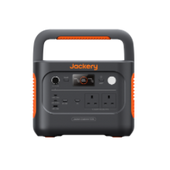
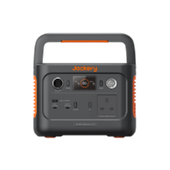
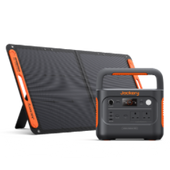
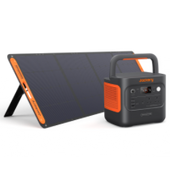
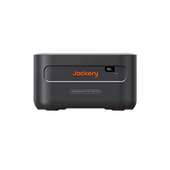
Jackery Explorer 1000 v2
The Jackery Explorer 1000 v2 is a top-tier choice for car camping in the UK, especially during colder months. It provides a massive 1070Wh capacity in a compact, portable frame that fits easily in a footwell or boot. Unlike a car engine, the 1000 v2 is virtually silent, allowing you to run a 12V heated blanket or a small heater all night without noise or exhaust fumes.

Whisper-Quiet Sleep Mode
Most power stations have fans that kick in loudly under load. The 1000 v2 operates at less than 22dB (quieter than a library), ensuring your sleep isn't interrupted, even when powering a 12V fridge or a CPAP machine right next to your head. Stay in control with our smart app, which allows you to effortlessly monitor and manage energy usage from your fingertips.
Foldable Handle & Flat-Top Design
Space is at a premium in a car. Weighing just 23.8 pounds and 18% smaller than its predecessor, the Explorer 1000 v2 is lighter and more portable than mainstream products. It features a compact, foldable handle for easy carrying. Easily fits into the rear compartment for convenient storage, this powerhouse keeps you ready and never runs out of power.
LiFePO4 Safety & Longevity
For a device you're sleeping next to, safety is paramount. The LFP (Lithium Iron Phosphate) battery chemistry is thermally stable (less prone to overheating) and offers a 10-year lifespan (4,000+ cycles), which is significantly better than the older NMC versions.
ChargeShield 2.0 Protection
Experience next-level safety with Jackery 1000 v2. Featuring upgraded ChargeShield 2.0 technology, it offers diverse charging modes including fast charging, emergency super charging, and whisper-quiet charging. Ensures you're always powered up and ready to go. With Dual Physical Protections with 62 Mechanisms Inside and Out, Delivering Comprehensive Safety for Peace of Mind during Energy Usage.
Ultra-Fast Charging
The Emergency Charge Mode, enabled via the app, allows the Explorer 1000 v2 Portable Power Station to be fully charged in less than an hour, providing crucial backup power when your battery runs low. Additionally, charging from 0% to 100% in just two hours using an AC wall outlet helps extend battery life.
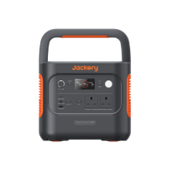
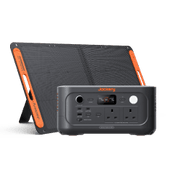
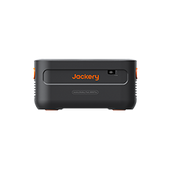
Jackery Explorer 500 v2
Sleeping in your car during a UK winter can be a test of endurance, given the damp, freezing conditions. The Jackery Explorer 500 v2 acts as a critical safety and comfort hub, allowing you to manage heat and moisture without idling your engine or risking carbon monoxide poisoning.

Advanced Battery Technology for Longevity
The transition to LiFePO4 (Lithium Iron Phosphate) chemistry is the most significant upgrade in the v2 model. Unlike the NCM (Nickel Cobalt Manganese) batteries found in older units, LiFePO4 is chemically stable and non-combustible. It offers 6,000 charge cycles to 70%+ capacity. If you used it every single night, it would still last for over ten years.
The battery cells feature a ceramic multi-layer membrane and zirconia reinforcement. This prevents internal short circuits even under physical stress or extreme temperature fluctuations common in a vehicle.
Cold-Weather Resilience (-20°C)
UK winters are damp and can drop well below freezing. Standard batteries often refuse to charge or discharge when they get too cold. The 500 v2 is rated for both charging and discharging at -20°C. This means you can leave it in your car overnight in the Scottish Highlands and it will still power your heater in the morning.
It uses phase-change microcapsules and a 12-layer Battery Management System (BMS) to regulate internal heat, preventing the unit from "freezing up" or shutting down due to ambient cold.
Rapid Power Recovery for Short Winter Days
In the UK, you may only have 7–8 hours of daylight in winter. The 500 v2 is designed to recharge quickly, so you aren't tethered to a charging point. It can reach a 100% charge in just 1.3 hours via a standard AC wall outlet.
When paired with a SolarSaga 100W panel, it charges roughly 7.5 times faster than the original Explorer 500, making it possible to actually get a meaningful charge even in weak UK winter sun.
Quiet and Stealthy Operation
When sleeping in a car, noise is a major factor for both comfort and remaining "stealthy" in public parking areas. The unit operates at under 28dB (similar to a quiet library) even under a 200W load. This is quiet enough to sit right next to your pillow without disturbing your sleep. You can set the unit to auto-shutoff after 6 hours of low-power use. This prevents "phantom" power drain from small LED lights or chargers, ensuring you have enough power for your morning coffee.
FAQs
The following are frequently asked questions about sleeping in a car.
1. What is the penalty for sleeping in your car?
In the UK, it's usually okay to sleep in your car, and you won't get in trouble for it. But if the police think you were about to drive while drunk or high, or if you park in a way that is unlawful or hazardous, you might get a ticket, points on your licence or even be charged with a crime. The easiest way to avoid trouble with the law is to make sure your car is parked securely and properly.
2. Can I sleep overnight in my car?
In the UK, you may usually sleep in your car overnight as long as you park in a safe, legal place and follow the rules. Good places to park include fuel stations, approved parking spaces, or private land with permission. Don't go on double yellow lines, sidewalks or places where you could block traffic.
3. Why is it illegal to sleep in your car in the UK?
It's not against the law to sleep in your car, but it is against the law to do so if you're drunk, high, or parked in a dangerous way. Authorities may also step in if you are in the way, causing trouble, or putting people in danger. In short, the circumstances and intent behind the action determine whether it is lawful.
4. Do I need to crack the window when sleeping in a car?
It's best for safety and comfort to crack the window a little bit. It lets fresh air in, prevents moisture from building up inside the car, and lets you breathe comfortably while you sleep. Just make sure the weather and safety are good and that the car stays locked.
Final Thoughts
Sleeping in your car may be a safe, pleasant, and practical choice as long as you obey the regulations and park properly. Remember, whether it is illegal to sleep in your car depends on the location, your intent, and your behaviour. Never drive under the influence, always choose legal parking, and maintain safety.
Using a portable power station, such as the Jackery Explorer 1000 v2 or Explorer 500 v2, allows you to charge phones, lights, and small appliances during your stay. By combining legal knowledge, smart parking, and dependable electricity, you can enjoy vehicle camping with peace of mind, comfort, and convenience wherever in the UK.


