


























Many people find battery technology confusing, with mixed messages about cost, safety, and performance.
This guide gives UK consumers clear, practical answers explaining the differences between battery types, from those in everyday gadgets to the high-capacity units that portable power stations.
What Are the Core Differences Between NiMH and LiFePO4?
At their core, these two technologies represent different generations of power storage. Understanding their fundamental makeup is key to choosing the right one for your application.
How Do NiMH and Li-Ion Batteries Work?
● NiMH (Nickel-Metal Hydride) is a proven, long-standing battery chemistry that uses a hydrogen-absorbing alloy for its negative electrode and nickel oxide hydroxide for the positive. It replaced the older Nickel-Cadmium (NiCd) technology and is most often found in AA and AAA rechargeable batteries. NiMH has been in use since the early 1970s and remains a reliable choice for many everyday devices.
● Li-Ion (Lithium-Ion): This is a broad category of batteries known for high energy and performance. Premium, modern versions use a specific chemistry called LiFePO4 (Lithium Iron Phosphate), which offers superior safety, stability, and an exceptionally long lifespan, making it the gold standard for portable power stations. Li-ion typically uses a lithium metal oxide for the positive electrode and graphite for the negative electrode.
The debate of NiMH vs lithium often comes down to four key performance metrics.
|
Feature |
NiMH (Nickel-Metal Hydride) |
Li-Ion (LiFePO4) |
|
Energy Density |
Lower (60-120 Wh/kg) |
Very High (150-200 Wh/kg) |
|
Lifespan (Cycles) |
~500-1,000 cycles (2-5 years) |
3,000-4,000+ cycles (over 10 years) |
|
Self-Discharge |
High (around 1% per day) |
Very Low |
|
Charging Speed |
Slow (Requires careful management) |
Very Fast |
How Do NiMH and Li-Ion Batteries Compare in Energy Density and Weight?
Energy density is the measure of how much power a battery can store for its size and weight. A higher energy-to-weight ratio means more power in a lighter package.
Li-Ion batteries, especially the LiFePO4 variant, have a significantly higher energy density (150-200 Wh/kg). This is precisely why they are the standard for smartphones, electric vehicles (EVs), and portable power stations where portability is non-negotiable. A high-capacity li mh battery pack would be impractically heavy and bulky.
By contrast, NiMH batteries have a lower energy density (60-120 Wh/kg), making them bulkier and heavier for the same amount of power. While this is manageable for a TV remote, it makes them completely unsuitable for large-capacity applications like powering a campsite or providing emergency home backup. NiMH cells can offer higher average mAh capacity (e.g., 2200 mAh vs. 1500 mAh for some Li-ion cells).
What Is The Lifespan and Long-Term Value of NiMH and Li-Ion Batteries?
A battery's cycle life refers to how many times it can be fully charged and discharged before its capacity degrades significantly. This is a crucial factor in determining its long-term value.
LiFePO4 batteries offer an exceptional cycle life. For example, Jackery Explorer power stations are rated for 3,000-4,000+ cycles while retaining at least 80% of their original capacity. This translates to a reliable lifespan of over 10 years, even with frequent use.
A typical lithium metal hydride battery generally offers a good cycle life of two to five years. For high-use devices, this means they will need to be replaced far more often, making them less cost-effective over the long term. Deep discharges, high temperatures, and fast charging can reduce the lifespan of both battery types.
How Do NiMH and Li-Ion Batteries Handle Self-Discharge and Storage?
Self-discharge is the tendency for a battery to lose its charge over time, even when not in use. This is critical for devices you rely on to be ready when you need them, such as emergency power sources.
Li-Ion/LiFePO4 batteries have a very low self-discharge rate, retaining charge for longer periods. Premium models like the Jackery HomePower 3000 feature innovative ZeroDrain technology, allowing the unit to retain 95% of its power even after a full year in standby.
NiMH chemistry, on the other hand, suffers from a higher self-discharge rate, around 1% per day. This requires more frequent recharging when idle. Battery Management Systems (BMS) can help mitigate NiMH self-discharge through trickle charging.
How Fast Can NiMH and Li-Ion Batteries Be Charged?
The ability to recharge quickly is essential for modern, on-the-go lifestyles. Here, the difference is stark.
Li-Ion/LiFePO4 technology allows for dramatically faster charging. The Jackery Explorer 2000 v2 can be fully recharged from a standard AC wall outlet in as little as 1.7 hours.
NiMH batteries are much slower to charge and require more complex charging algorithms. Moderate-rate (2-3 hour) smart chargers are recommended. Extremely fast charging for NiMH can reduce cycle life, and a BMS is essential for managing NiMH charging to prevent overcharging/undercharging.

Which Battery Is Best for Different Scenarios?
The right battery choice depends entirely on the task at hand.
Low-Drain Household Items
For simple, low-power devices like TV remotes or cordless phones, NiMH is a practical choice. Its low upfront cost and availability in standard AA/AAA sizes make it a convenient and reusable option for items that sip power slowly.
High-Performance Hobbies
Li-Ion technology is dominant in this space. These applications demand the high energy density, low weight, and high discharge rates that only lithium-ion cells can provide for peak performance.
Camping, Outdoor Work, and Emergency Backup
This is where Li-Ion/LiFePO4 technology truly excels. Powering refrigerators, power tools, or essential medical devices off-grid requires a level of sustained, reliable power in a portable format that NiMH simply cannot deliver. A portable power station is the only viable choice.
For any serious portable power need, LiFePO4-based solar generators are the definitive solution. Their combination of safety, longevity, and high performance makes them an indispensable tool for outdoor adventures and home preparedness.
Featured Solutions
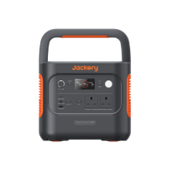
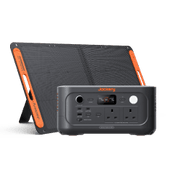
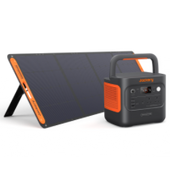
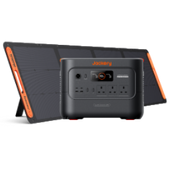
● Jackery Solar Generator 2000 v2
o 2042Wh capacity with a 2200W pure sine wave output.
o Premium LiFePO4 with a 10+ year lifespan.
o Recharges in just 1.7 hours via an AC outlet.
o Uninterruptible Power Supply (UPS) mode with a <20ms switchover and smart app control. This unit can power a 300W refrigerator for 5.3 hours or a 1000W electric stove for 1.6 hours, making it perfect for robust camping or backup needs.
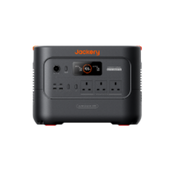
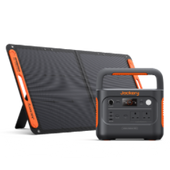
● Jackery Solar Generator 3000 v2
o Massive 3072Wh capacity and a 3600W output (7200W surge).
o Ultra-durable 10-year LiFePO4 battery.
o Compatible with a manual transfer switch for seamless home integration. This is the ultimate solution for extended power outages or professionals needing to run high-draw appliances like an air conditioner or a sump pump.
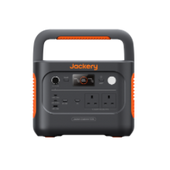
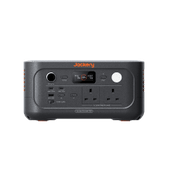
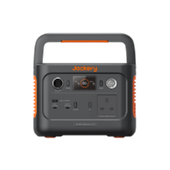
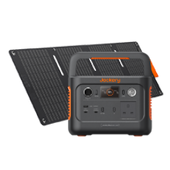
For lighter tasks, other models offer scalable power. The Jackery Explorer 300 Plus (288Wh) is perfect for weekend trips, providing ample power to keep phones, drones, and laptops charged on the go.
Your Practical Questions, Answered
NiMH Vs Li-Ion Batteries: Which is truly safer?
Both battery types are safe when used correctly with quality components. LiFePO4 chemistry has superior thermal and chemical stability, making it far less prone to overheating than other types of Li-Ion batteries.
Modern power stations like those from Jackery include an advanced Battery Management System (BMS) that provides dozens of protections against over-voltage, short circuits, and temperature extremes.
NiMH batteries are generally safer and more stable, less prone to thermal events, but require non-airtight, strategically vented enclosures to prevent gas buildup.
What about the environmental impact?
There is no simple answer, but the focus should be on the product's entire lifecycle. The 10+ year lifespan of a LiFePO4 battery means far fewer replacements and significantly less manufacturing and disposal waste compared to shorter-lived batteries. Recycling infrastructure for Li-ion is growing in the UK, but still challenging due to complex chemistry.
NiMH is easier to recycle and less toxic than older NiCd batteries. For disposal, always use designated recycling points for all battery types, which can be found through local UK municipal schemes.
How does cold weather affect NiMH and Li-Ion Batteries?
Li-Ion/LiFePO4 batteries perform better in cold conditions than NiMH, which can lose a significant portion of its capacity as temperatures drop. Quality LiFePO4 systems like Jackery's have built-in low-temperature protection and self-heating functions to protect the battery during charging and ensure reliable output even in chilly weather. Li-ion performs better in extreme weather conditions overall.
What Are the Essential Safety and Maintenance Steps?
For All Batteries
● Always purchase from reputable brands to avoid counterfeit cells, which are a primary safety risk. For more information on battery types, see our guide on what is a lithium battery.
● Never use or attempt to charge a battery that is physically damaged (swollen, dented, or leaking).
For LiFePO4 Power Stations
● Rely on the built-in BMS and only use the manufacturer-provided chargers and cables.
● Store the unit in a cool, dry place when not in use. Thanks to their extremely low self-discharge, they do not require constant attention or trickle charging.
For NiMH Cells
● Use a dedicated "smart" charger that automatically stops the charging process when the battery is full to prevent overcharging and heat damage.
● Remove the batteries from the charger once they are full to preserve their long-term health.
Powering Your Life with Confidence
For low-drain, standard-size applications like TV remotes or children's toys, rechargeable NiMH batteries remain a viable budget option. They are reusable and readily available, serving a practical purpose for simple electronics.
However, for any serious portable power need—from a weekend camping trip to emergency home backup—modern LiFePO4 power stations are the unequivocally superior choice. Their exceptional safety, long lifespan, light weight, and rapid charging capabilities make them a smart investment for reliable, go-anywhere power. The "best" battery depends entirely on the specific application and user priorities.
Frequently Asked Questions
1. Can I mix and match different brands of LiFePO4 power stations or batteries?
It is not recommended. Different brands use varying voltages, connectors, and Battery Management System (BMS) protocols, which can lead to inefficiency and significant safety risks.
2. What's the best way to dispose of old LiFePO4 power stations or large NiMH battery packs in the UK?
Large batteries should not be placed in household waste. Take them to your local council's household waste recycling centre, as most have dedicated facilities for large battery and electrical equipment disposal.
3. How does extreme heat (e.g., leaving a power station in a hot car) affect LiFePO4 batteries compared to other Li-ion types?
LiFePO4 has excellent thermal stability, making it safer in high temperatures than other lithium chemistries. However, all batteries degrade faster in extreme heat, so it's best to store them in a cool environment.
4. Are there any specific regulations or certifications I should look for when buying a portable power station in the UK?
Look for the UKCA (UK Conformity Assessed) and CE markings. These certifications indicate the product has been tested and meets the high safety, health, and environmental protection standards required for sale in the UK and Europe.


