













![[Over £1200 Tier Gift] Bluetooth Speaker with Phone Stand - shipped Separately](http://uk.jackery.com/cdn/shop/files/Portable_Bluetooth_Speaker_with_Phone_Stand_2.png?v=1781595581&width=170)

















Prepayment meters function like pay-as-you-go phones, requiring upfront payment. While offering strict budget control, they risk immediate self-disconnection and daily standing charge deductions—a critical issue for vulnerable households. This guide explains how to manage costs, avoid power loss, and access essential protections.
Understanding Prepayment Meter Functionality
A prepayment meter operates on a pay-as-you-go basis where energy credit must be purchased and loaded onto the device before consumption. Unlike credit meters that generate a monthly or quarterly bill for past usage, prepayment requires upfront payment. This mechanism shifts the responsibility of monitoring usage entirely to the user.
Key Differences from Other Meter Types
The following table outlines how prepayment meters differ from standard setups:
|
Feature |
Credit Meters |
Prepayment Meters |
|
Payment Timing |
Use energy first, pay later (Direct Debit/Bill). |
Pay upfront. No credit means no power. |
|
Disconnection |
Lengthy process involving letters and warnings. |
Immediate automatic cut-off when credit hits zero. |
|
Top-Up Method |
Automatic bank transfer or manual bill payment. |
Physical keys/cards (Traditional) or App/Online (Smart). |
|
Debt Management |
Debt accrues on the account. |
Debt is recovered automatically from top-ups. |
Renewables Compatibility: Solar panel integration with a prepayment meter is possible, but success depends heavily on the specific meter and supplier setup. Older meters may not register exported energy correctly, potentially charging you for the energy you generate. Always consult your supplier before installing renewables.
Types of Setups and Finding the Best Prepayment Meters
Your home's hardware determines how you manage your energy. Identifying your specific meter type is the first step toward stability.
Conventional Meters
Conventional meters utilize a physical key for electricity or a plastic card for gas. Users must take this physical token to a local shop (PayPoint or Payzone), add credit, and insert it back into the meter to transfer the funds. This legacy system is prone to issues like lost keys or dirty chips failing to register.
Smart Prepayment Meters
Smart meters are generally considered the Best prepayment meters for convenience because they allow top-ups via smartphone apps, online accounts, or telephone. These units send automatic meter readings to the supplier. Crucially, if internet access is lost, users can still top up manually at a shop using a unique code.
In-Home Displays (IHD)
An In-Home Display (IHD) is a small screen provided with smart units that offers real-time data. The IHD shows remaining credit, days left until disconnection, and current usage rates, allowing for immediate budget adjustments.
Key Features to Prioritize
When assessing a meter setup, look for these critical safety features:
- Digital Balance Displays: Essential for preventing blind disconnection where power cuts out without warning.
- Emergency Credit: A buffer (usually £5–£10) that keeps power on when standard credit runs out.
- Friendly Credit Hours: A setting that prevents cut-offs during specific times, such as nights (e.g., 8 pm to 8 am), weekends, or bank holidays.
- Accessibility Options: Meters with large buttons or audio output are available for visually impaired users.
Costs, Standing Charges, and Tariff Structures
Prepayment tariffs often operate differently from standard credit tariffs. Understanding the cost breakdown is vital for avoiding unexpected credit loss.
The Impact of Standing Charges
Standing charges are fixed daily fees (e.g., 40p–50p per day) deducted from your credit regardless of energy usage. If a user does not top up for a week, the meter accumulates this debt. The next top-up will immediately have the accumulated standing charges deducted before adding any usable energy credit.
Debt Recovery
Debt recovery on prepayment meters is automatic if arrears exist. A percentage of every top-up (e.g., 20%) goes toward clearing the debt, reducing the amount of energy actually purchased. Households must account for this deduction when budgeting for weekly energy needs.
Tariff Rates and Budgeting
Prepay rates are capped by the energy regulator (Ofgem) but historically lack the cheapest fixed-deal options available to Direct Debit customers.
- Comparison Tip: Always check if a low unit rate is negated by a high daily standing charge. Understanding how much is one kWh of electricity in your specific region helps determine the true cost of your tariff.
- Budgeting Reality: Frequent small top-ups help cash flow for many households but do not reduce the overall cost per unit.
Advantages and Disadvantages of Prepayment
Choosing or keeping a prepayment meter involves weighing financial control against physical inconvenience and risk.
|
Advantages (Pros) |
Disadvantages (Cons) |
|
• Debt Prevention: Impossible to accrue large, unexpected bills. |
• Self-Disconnection: Immediate loss of power (heat/lights) if credit runs out. |
|
• No Credit Checks: Accessible for those with poor credit history. |
• Higher Inconvenience: Risks of lost keys, broken shop machines, or closed stores. |
|
• Total Budget Control: You only pay for exactly what you use. |
• "Poverty Premium": Often fewer competitive tariffs compared to Direct Debit deals. |
Practical Steps for Meter Stability
Active management of a prepayment meter prevents emergency situations. Passive usage often leads to sudden power loss.
Top-Up Strategy
Frequent top-ups prevent debt accumulation, even during low-usage periods like summer. This strategy covers the daily standing charges. Ignoring the meter in summer often results in a large accumulated debt on the standing charge when the user attempts to heat their home in winter.
Monitor the IHD
Daily monitoring of the In-Home Display is essential. Watching how high-draw appliances like showers or tumble dryers impact the remaining credit balance helps users plan. Comparing usage against the average electric bill UK benchmarks helps predict when the next top-up is required.
Emergency Credit
Emergency credit acts as a safety net (usually £5-£10), not a standard extension of the budget. Once used, this credit must be repaid in full before access to new credit is granted. Relying on it routinely increases the risk of disconnection during friendly credit off-hours.
Switching Suppliers: Octopus, British Gas, and Others
You are not locked into your current provider forever. Switching is permitted and often recommended to find better service or support.
Switching Rules
Switching suppliers with a prepayment meter is permitted even if debt exists, provided the debt is under £500 per fuel. The debt transfers with the account to the new supplier under the Debt Assignment Protocol.
Supplier Policies
Supplier policies vary regarding debt repayment and emergency credit terms. For example, policies for a Prepayment meter Octopus account may differ from Prepayment meters british gas regarding how quickly they install smart meters or their specific friendly credit hours. Always read the fine print on debt transfer protocols.
Smart Switching and Moving Home
Moving to a supplier that prioritizes smart meters often enables easier switching between prepay and credit modes later.
- Moving Home: Leave the old key or card behind. It is linked to that specific property's meter, not to the individual.
- New Account: Contact the new supplier immediately upon moving in to set up a new account and ensure you aren't paying the previous tenant's debts.
Vulnerable Customer Support & PSR
Suppliers have strict regulatory obligations to support vulnerable customers, ensuring no household is left without power due to physical inability to top up or severe financial hardship.
- Supplier Obligations: If you cannot access a shoprotects medically vulnerable households or face crisis, suppliers must offer support, such as discretionary credit or sending a representative to help.
- Priority Services Register (PSR): A free service for the elderly, those with medical needs, or families with young children. Registering ensures advance notice of power cuts and protects medically vulnerable households (e.g., those on dialysis) from being forcibly switched to a prepayment meter if it is inappropriate for their health or circumstances.
- Independent Help: If you are struggling with arrears or unfair treatment, contact Citizens Advice or StepChange immediately to negotiate repayment plans and check eligibility for grants.

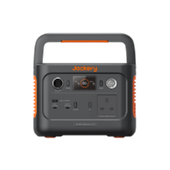
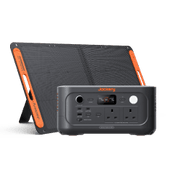
Portable Power as a Temporary Safety Net
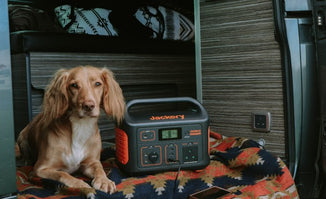
When self-disconnection occurs due to a lack of funds or a technical fault, having an independent power source is critical for safety. Portable power stations provide electricity for phones, lights, or medical devices during these gaps.
Capacity Considerations
Selecting a portable power station depends on the wattage of essential devices and the required runtime. Users need a battery that can sustain critical loads until the meter can be topped up.
High-Capacity Solutions
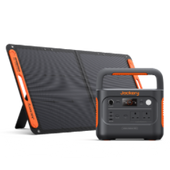
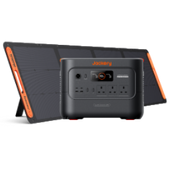
For substantial backup, the Jackery Solar Generator 2000 v2 offers a 2042Wh capacity. This specific unit is suitable for powering essential kitchen appliances like fridges or portable heaters temporarily, ensuring food doesn't spoil and the room stays warm.
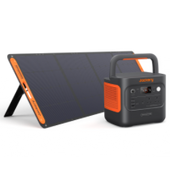
For extended backup needs, the Jackery Solar Generator 3000 v2 provides 3072Wh capacity and a massive 3600W output. The Jackery Solar Generator 3000 v2 generates sufficient output to run heavy-duty appliances, including kettles, microwaves, or medical equipment, for longer durations.
UPS Functionality
Both the Jackery Solar Generator 2000 v2 and Jackery Solar Generator 3000 v2 feature UPS (Uninterruptible Power Supply) functionality with a <20ms switchover time. If plugged into the mains, these generators will instantly take over powering connected devices if the prepayment meter cuts off, keeping sensitive electronics or medical devices running without interruption.
Safety Note
These generators are temporary backups. Always register critical medical needs with your energy supplier to ensure you are on the Priority Services Register.
Quick Troubleshooting Guide
- Credit Dropping Fast? Rapid credit loss often indicates debt recovery settings are active. Alternatively, the meter may be paying off accumulated standing charges from a period of non-use.
- Screen Blank? A blank screen usually requires pressing the main button (typically the red 'A' button) to wake the device. If it remains dead, contact the supplier for an emergency call-out.
- Error Codes: Note the code exactly (e.g., Error A1 or Call Help) before calling support. Specific codes speed up the resolution process significantly.
- Tampering Warning: Never try to bypass the meter. Tampering is dangerous, illegal, and can result in prosecution and immediate disconnection.
Conclusion: Making Informed Energy Decisions
Living with a prepayment meter requires vigilance, but it does not have to mean insecurity.
- Assess Vulnerability: Request a credit meter switch immediately if health or age makes self-disconnection risky.
- Stay Organized: Monitor your IHD daily and learn how to read kwh meter data to spot errors early.
- Utilize Support: Register for the Priority Services Register and claim available government grants.
- Plan Ahead: Save emergency supplier numbers and keep a backup solar generator ready for unexpected power cuts.
Frequently Asked Questions
Can I request a credit meter if I have a prepayment meter?
Yes. Suppliers may require a credit check, but vulnerable customers can often be switched to a credit meter for free under vulnerability rules.
What happens if my prepayment meter is faulty or broken?
Contact your supplier immediately. They are obligated to fix or replace faulty meters (usually within 3–4 hours) and must provide emergency credit if repairs are delayed.
Are there any government grants for prepayment meter users?
Yes. Key support includes the Warm Home Discount (£150 credit automatically for smart meters; vouchers for traditional meters), the Fuel Direct Scheme (deductions from benefits), and the Household Support Fund via local councils.
How does debt transfer work when switching suppliers?
Under the Debt Assignment Protocol, you can switch suppliers and transfer your debt to the new account provided it is £500 or less per fuel.
What if I can't afford to top up my meter?
Contact your supplier immediately. They are obligated to offer support, which may include emergency credit, discretionary credit, or referring you to support organizations like Citizens Advice or StepChange for further assistance and advice on grants or repayment plans."


