




















![[Over £1200 Tier Gift] Bluetooth Speaker with Phone Stand - shipped Separately](http://uk.jackery.com/cdn/shop/files/Portable_Bluetooth_Speaker_with_Phone_Stand_2.png?v=1781595581&width=170)



















With UK energy bills climbing, many homeowners feel powerless against unpredictable price hikes. The demand for energy independence and control over household costs has never been greater.
This guide takes a clear, practical look at the pros and cons of solar for UK homes, covering everything from permanent rooftop systems to flexible, portable power solutions.
Solar Power Advantages in the UK
Harnessing the sun offers significant benefits that go beyond simply being green. The financial and practical solar power advantages make it a compelling investment for many UK homeowners.
How Can Solar Power Save and Earn You Money?
The most immediate benefit of solar panels is a direct reduction in your electricity bills. By generating your own power during the day, you purchase less from the grid, offsetting the consumption of your home appliances, home office, or electric vehicle charger. This can lead to substantial solar panels UK energy savings. An average UK household can save up to £1,300 annually, potentially reducing energy bills by up to 80%.
Furthermore, you can earn money from any surplus energy your system produces. The Smart Export Guarantee (SEG) scheme requires large energy suppliers to pay homeowners for the electricity they export back to the national grid. These payments provide an additional revenue stream, helping to shorten the system's payback period.
Note: SEG rates vary significantly between energy providers. It is essential to check the current rates offered by different suppliers to find the most favourable tariff for your exported energy. Currently, portable solar generators do not qualify for the SEG scheme.
What Are the Long-Term Value and Security Benefits?
Homes equipped with solar panels can increase property value by 4.1% and are considered a desirable feature by potential buyers. Systems typically pay for themselves in 9-13 years and can provide £10,000-£23,000 in lifetime savings.
What Is the Environmental Impact of Using Solar Power?
Choosing solar power significantly reduces your home's carbon footprint. Solar energy is a clean, renewable energy source that doesn't produce greenhouse gas emissions, displacing fossil fuels and contributing to climate change mitigation. This contributes to a healthier environment and a more sustainable national energy infrastructure.
How Reliable and Long-Lasting Are Solar Panels?
Solar panel systems are known for their durability and minimal upkeep.
● Longevity: Panels typically last up to 30 years and are built to withstand various weather conditions.
● Low Maintenance: With no moving parts, they are less prone to breakdowns and generally only require occasional cleaning.
● Improved Technology: Panel efficiency has improved by 33% since 2010, rising from 15% to 20-22%.
● Reduced Costs: Over the same period, costs have dropped by 70%.

Disadvantages of Solar Energy: Challenges and Costs to Consider
While the benefits are clear, it's crucial to understand the disadvantages of solar energy before committing.
What Is the Upfront Investment for Solar Panels?
The primary barrier for most homeowners is the initial cost. A complete rooftop solar installation involves several key components, each contributing to the total price. These include the solar panels themselves, an inverter to convert DC power to usable AC power, the mounting system, and the cost of professional installation. You can learn more about solar panels costs in the UK to get a clearer picture.
The average installation cost for solar panels is around £ 6200 – £6,400 for a 1-bedroom flat. This initial investment can take years for the system to pay for itself.
How Do Weather and Intermittency Affect Solar Power?
In the UK, the weather is a major factor for solar energy. Output depends on sunlight, so production peaks in summer and drops during the cloudy winter months. This means solar panels can reduce your reliance on the grid but won’t remove it entirely.
Panels don’t produce power at night, and efficiency falls on cloudy or rainy days. To keep electricity flowing during low-light periods, you’ll need batteries, an extra investment that adds to the overall cost.
Is Every Home Suitable for Solar Panel Installation?
Not every home is ideal for solar panels. For the best performance, your roof should be strong, mostly unshaded, and ideally face south. East- or west-facing roofs can work too, though they’ll generate a bit less energy.
Before you move forward, check local planning permissions and regulations to make sure your property meets all requirements.
Key suitability factors include:
● Roof Angle and Shading: The pitch of your roof and any shading from trees or adjacent buildings are critical.
● Available Space: You must have enough unobstructed roof space to fit the required number of panels.
● Structural Integrity: Older properties may require structural strengthening to support the weight of the panels.
● Aesthetics: Some homeowners may find the appearance of solar panels visually unappealing.
Are There Other Financial Considerations?
Beyond the initial installation, there are other potential financial impacts to consider.
● Property Taxes: Increased property value from solar panels could lead to higher property taxes, so it's advisable to check for local tax exemptions.
● Insurance Premiums: The higher replacement value of a home with solar might also increase insurance premiums, making it wise to consult an insurance broker.

Planning Your Rooftop Solar Project: A Step-by-Step Guide
A successful solar project begins with careful planning. Following these steps will help you determine if a rooftop system is the right fit for your home and budget.
Step 1: Assess Your Home's Viability
Start by gathering your electricity bills from the last 12 months. Add up your total consumption to find your annual usage in kilowatt-hours (kWh). This figure is the baseline for determining how large a system you might need.
Homes with high daytime electricity usage typically see the fastest financial returns. This includes households with home offices, those that run appliances like washing machines during the day, or owners who charge an electric vehicle at home.
Step 2: Sizing Your System
System size and energy consumption aren’t the same thing. System size, measured in kilowatts (kW), is the peak power your panels can produce under ideal conditions. Energy consumption, measured in kilowatt-hours (kWh), is how much electricity you use over time.
You can make a rough estimate of the system size you’ll need, but nothing beats professional advice. An accredited installer can design an accurate plan based on your roof’s orientation, local weather, and your unique energy usage.
Step 3: Choosing the Right Technology
Your system's performance depends on more than just the panels. The inverter and monitoring system are equally crucial.
A good monitoring app is non-negotiable. It allows you to track your energy production and household consumption in real-time, helping you shift energy use to daylight hours to maximise your savings.
Step 4: Finding a Trusted Installer
Choosing the right installer is critical for the safety, performance, and longevity of your system. Professional assessment and installation ensure optimal performance and safety, complying with UK building regulations and electrical standards.
Use this checklist when gathering quotes:
● Get 3-5 quotes: Contact multiple accredited installers to compare costs, equipment, and proposals.
● Verify warranties: Check the warranty periods for the panels (typically 25 years), the inverter (5-12 years), and the installer's workmanship (1-10 years).
● Ask for a production estimate: Request a detailed estimate of how much energy the proposed system will generate annually and ask about the assumptions used in the calculation.
Smart Solutions: Portable Solar for Immediate Power & Backup
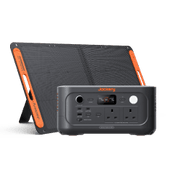
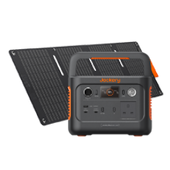
For renters, apartment dwellers, or homeowners not ready for rooftop solar, a portable solar generator is a flexible, no-installation option. These all-in-one units pack a high-capacity battery, inverter, and power outlets into a single portable device, and can be charged from solar panels or a wall socket.
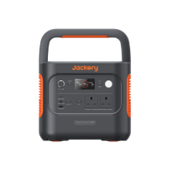
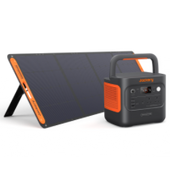
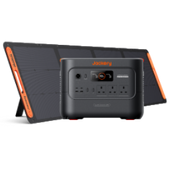
For Home Backup: Jackery Solar Generator 2000 v2
The Jackery Solar Generator 2000 v2 is the ultimate choice for running essential home appliances during a power cut.
● 2042Wh capacity and 2200W continuous output.
● Premium LiFePO4 battery with an over 10-year lifespan.
● Uninterruptible Power Supply (UPS) with a <20ms switchover time.
● Features a 1.7-hour Emergency Super Charge.
● Reliable and durable for long-term use.
It can run a 300W refrigerator for 5 hours, keeping your food safe and your home running.
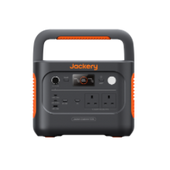
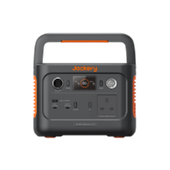
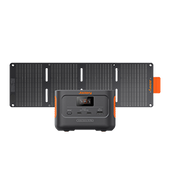
For Powering Essentials: Jackery Solar Generator 1000 v2
The Jackery Solar Generator 1000 v2 is a powerful yet compact option for keeping your critical devices online.
● 1070Wh capacity and 1500W continuous output.
● Emergency supercharging from 0-100% in 1 hour.
● ChargeShield 2.0 technology with 62 forms of protection for enhanced battery safety.
● Compact and easy to transport.
● Excellent for supplementing home energy needs.
It is perfect for running a WiFi router for 35 hours or charging laptops and phones multiple times during an outage.
Your Action Plan: A Final Checklist for Homeowners
The core decision comes down to weighing the high upfront cost and long-term commitment of rooftop solar against its significant long-term savings. For those seeking flexibility or immediate backup, portable solutions offer a compelling alternative.
Follow this checklist to guide your next steps:
1. Analyze Your Bills: Understand your annual and, crucially, your daytime energy usage in kWh.
2. Assess Your Property: Check your roof space, orientation, shading, and any local planning rules.
3. Get Professional Quotes: Contact multiple accredited installers for comprehensive proposals and production estimates.
4. Consider Your Alternatives: Evaluate if a Jackery Solar Generator like the SG 2000 v2 or SG 1000 v2 meets your immediate backup or portability needs more effectively.
5. Make an Informed Choice: Select the solution that best fits your budget, home, and energy independence goals.
Frequently Asked Questions
1. How do UK government policies or grants, beyond the Smart Export Guarantee, support solar panel installation for homeowners?
Currently, the main financial support is the 0% VAT on energy-saving materials, including solar panels and batteries, until March 2027. You can find more information about specific schemes in our solar power grants UK guide.
2. What are the typical maintenance requirements and associated costs for a residential solar panel system over its lifespan in the UK?
Maintenance is minimal; panels are largely self-cleaning with rain, but an annual check and occasional professional cleaning may be needed in dusty areas. Inverters may need replacing after 15-25 years, which is the most significant potential long-term cost.
3. If I have an electric vehicle (EV), how can I best integrate solar power to charge it efficiently and cost-effectively at home?
Use a smart EV charger that can be programmed to prioritise charging with surplus solar energy during the day. You may also need to size your solar system larger to accommodate the significant energy demands of an EV.
4. What happens to my solar panel system if there's a power cut in my area, and how do battery storage systems mitigate this issue?
For safety reasons, standard grid-tied solar systems automatically shut down during a power cut to prevent sending electricity into the grid while workers are making repairs. A home battery or a portable solar generator like a Jackery provides backup power independently from the grid.
5. Are there any emerging solar technologies, beyond traditional PV panels, that UK homeowners should be aware of for future consideration?
Technologies like building-integrated photovoltaics (BIPV), such as solar roof tiles, are becoming more common but remain a premium option. Future advancements in transparent solar films and next-generation panel materials promise even greater efficiency and flexibility


