















![[Over £1200 Tier Gift] Bluetooth Speaker with Phone Stand - shipped Separately](http://uk.jackery.com/cdn/shop/files/Portable_Bluetooth_Speaker_with_Phone_Stand_2.png?v=1781595581&width=170)















Winter energy bills create immediate financial pressure for UK households. The warm home discount provides a one-off £150 reduction on electricity bills to help pensioners and low-income families manage these costs.
Despite the scheme's longevity, confusion remains regarding automatic enrolment versus mandatory applications. Missing strict deadlines or misunderstanding the Qualifying Date often results in lost support. This guide clarifies eligibility criteria, explains critical qualifying dates, and provides actionable steps to secure the £150 discount for winter 2025/26.
Overview of the Support
Scheme Overview and Payment Details
The warm home discount is a £150 credit applied directly to electricity bills between October and March. This support is a bill reduction, not a cash payment deposited into bank accounts.
- Timing: Energy suppliers apply the discount during the winter months, typically by March 31st.
- Payment Method: Credit meter customers receive an automatic bill reduction. Prepayment or smart pay-as-you-go users receive vouchers or automatic top-ups.
- Dual Fuel: Dual-fuel customers can request the discount be applied to their gas bill instead. This split requires contacting the supplier directly.
Eligibility and Requirements
Eligibility Requirements by Core Group
Eligibility depends on location and benefit status. The government assigns eligible households to specific Core Groups to determine if an application is necessary.
Core Group 1 (Pension Credit)
Pensioners receiving the Guarantee Credit element of Pension Credit qualify automatically. Core Group 1 members do not need to apply.
- Requirement: The claimant must be a named account holder on the electricity bill.
- Date: Status is assessed based on the Qualifying Date, which falls on the fourth Sunday in August.
Core Group 2 (Low Income/High Energy Costs)
Households in England and Wales qualify based on low income combined with high energy costs.
- Calculation: The government has removed the "high energy cost" requirement for Core Group 2 in England and Wales for 2025/26. Eligibility now relies primarily on receiving a qualifying means-tested benefit, regardless of property size or age.
- Crucial Change: Non-means-tested disability benefits (like DLA or PIP) do not automatically qualify a household in England and Wales. Claimants must also meet the low-income threshold.
Scotland (Broader Group)
Scottish residents must apply directly to their supplier. Automatic enrolment does not apply to the Broader Group in Scotland.
- Broader Criteria: Eligibility includes a wider range of benefits compared to England and Wales.
- Urgency: Suppliers distribute limited funding on a first-come, first-served basis. Applicants must submit forms immediately when the supplier opens their scheme.
How to Secure Your Discount
Automatic Enrolment (England/Wales)
The Department for Work and Pensions (DWP) matches data with energy suppliers to identify eligible households automatically.
- Notification: Eligible customers receive a letter confirming the discount between October and January.
- Action: Households that believe they are eligible but do not receive a letter by mid-January (for the current scheme year) must contact the Warm Home Discount helpline. Waiting until the scheme's final closing date (typically in late February or March) often results in missed support.
Application Process (Scotland)
Scottish residents who do not receive the Guarantee Credit element of Pension Credit fall into the Broader Group and must apply manually.
- Check Status: Visit the energy supplier’s website in early Autumn to check scheme status.
- Apply Early: Suppliers close schemes once the funding cap is reached. Submitting an application immediately prevents missing out on the £150 support.
The Qualifying Date
Eligibility relies on the claimant's circumstances on a specific Qualifying Date, usually in August.
- Assessment: The account holder must receive the qualifying benefit on this specific date to be eligible.
- Switching Risk: Switching suppliers around the qualifying date complicates the process. The supplier providing energy on the qualifying date is responsible for the payment.
Troubleshooting: Rejections and Borderline Cases
Common Rejection Reasons
Rejections frequently result from data mismatches regarding property characteristics or names.
- Name Mismatch: The name on the electricity bill must match the benefit claimant's name exactly.
- Property Criteria: Since the high energy cost threshold is being removed, this will no longer be a valid reason for rejection in England and Wales.
- Moving House: Moving or switching suppliers near the qualifying date can cause records to be missed during the data match.
Actionable Appeal Steps
Applicants who are rejected or do not receive a letter should take immediate action:
- Verify Data: Ensure your electricity supplier has your correct name and that it matches your benefit records exactly. Contact Helpline: Use the official government WHD helpline if you believe you are eligible but haven't received a letter by mid-January.
- Contact Helpline: Use the official government WHD helpline to request an eligibility override if property data is incorrect.
- Document Everything: Retain benefit letters proving entitlement as of the qualifying date and electricity bills showing the correct name and address.
Supplier and Housing Specifics
Supplier Specifics: Octopus, British Gas, and Others
While government rules set the criteria, communication timelines vary by supplier.
- Supplier Responsibility: The supplier serving the property on the qualifying date is legally responsible for the £150 payment.
- Communication: Major suppliers like Octopus Energy, British Gas, and E.ON have different notification schedules.
- User Tip: Check online account portals regularly for WHD status updates.
- Failed Transfers: If a customer switches after the qualifying date, the old supplier must still pay the discount, usually via cheque or voucher.
Park Homes and Mobile Homes
Park home residents paying a site owner for electricity are often ineligible for the main scheme.
- Alternative Funding: Residents must apply for the Park Homes Warm Home Discount scheme, managed by third-party administrators like Charis Grants.
- Application: This separate process requires proof of residency and benefit entitlement. Funding is limited, making early application vital.
Winter Resilience and Backup Power
Beyond the Discount
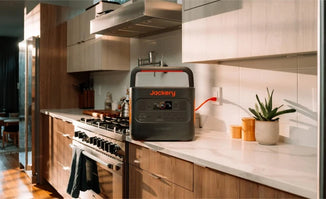
The warm home discount scheme offsets costs, but winter storms bring the risk of power outages. Vulnerable households often require backup power to keep heating controls, medical devices, or communication equipment running. For those preparing your home for power outages ahead of winter, a solar generator provides a safe, indoor-friendly solution.

Portable Power Solutions
Households prioritizing energy resilience can utilize solar generators for emission-free backup power.
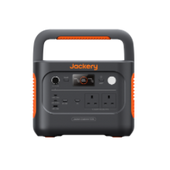
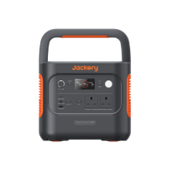
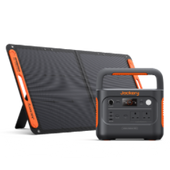
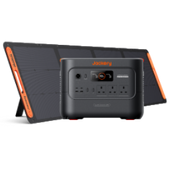
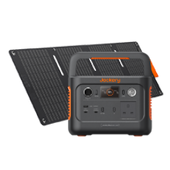
Jackery Solar Generator 2000 v2
- Capacity: Jackery Explorer 2000 v2 features a 2042Wh capacity that runs essential heating appliances like electric blankets (50W) for over 30 hours.
- Quiet Operation: The unit operates under 30dB in Quiet Charging Mode, suitable for bedrooms or living areas.
- Safety: A LiFePO4 battery ensures a 10-year lifespan with 4,000 charge cycles and is emission-free.
- Use Case: This generator keeps residents warm and powers communication devices during winter storms.
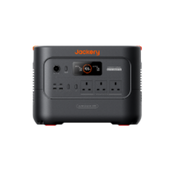
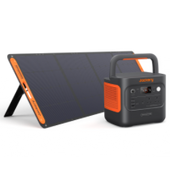
Jackery Solar Generator 3000 v2
- High Output: Jackery Explorer 3000 v2 delivers 3600W output to handle high-wattage devices like kettles, microwaves, and portable space heaters simultaneously.
- Extended Runtime: The 3072Wh capacity provides extended backup for critical medical equipment (like CPAP machines) or refrigerators.
- Cold Weather Ready: This model is designed for reliable operation when the grid fails.
- Use Case: Families or individuals with medical needs requiring uninterrupted power for extended periods benefit from this robust solution.
Households looking for how to lessen your electric bill beyond government support can also explore solar solutions to reduce grid dependency.
FAQs: Common User Questions
Can I get the discount if I have a prepayment meter?
Yes, prepayment meter customers are eligible. Suppliers typically send the discount via a voucher (post, text, or email) or as an automatic credit applied upon top-up.
Do I need to apply every year?
In England and Wales, eligibility is checked automatically each year. In Scotland, applicants must usually re-apply every year as schemes operate on a first-come, first-served basis.
Do I still need a specific EPC rating or property type to qualify?
No. For the 2025/26 scheme in England and Wales, the government has removed the property criteria. You no longer need to have a specific EPC rating or a property size that generates a "high energy cost" score. Eligibility is now based primarily on receiving qualifying benefits.
Can I get the discount if I'm on Universal Credit?
Yes, Universal Credit recipients generally qualify under Core Group 2. Unlike previous years, you no longer need to meet "high energy cost" criteria. As long as you are the named account holder and receive Universal Credit on the qualifying date, you should be eligible.
What if I switch suppliers after the qualifying date?
The supplier serving the customer on the qualifying date is responsible for paying the discount. The previous supplier will usually issue the payment as a cheque or voucher.
Has the 'high energy cost' rule changed for 2025/26?
Yes. The government has removed the "high-cost-to-heat" threshold for England and Wales. This means that millions of additional households who receive means-tested benefits will now qualify for the £150 discount, even if they live in newer or smaller homes that were previously excluded.
Is there a deadline to apply for the Warm Home Discount?
Yes, deadlines apply. In Scotland, supplier schemes can close as early as November. In England and Wales, eligible households must contact the helpline by the the end of February (for the current scheme year, usually in the year following the qualifying date) if a letter has not arrived.
Does the discount affect other benefits I receive?
No, the discount does not affect other benefits. The Warm Home Discount is a bill reduction, not income, and is disregarded for benefit calculations.
Conclusion: Practical Next Steps
Securing the warm home discount requires timely action and attention to detail regarding eligibility dates.
- Check Eligibility Now: Use the government's online tool to verify status immediately.
- Update Details: Ensure the name on the electricity bill matches benefit records exactly to prevent data matching errors.
- Monitor Mail: Watch for the official DWP letter between October and January (for the current scheme year). If it is missing, call the helpline.
- Consider Backup: Evaluate if a Jackery Solar Generator 2000 v2 or Jackery Solar Generator 3000 v2 fits the household winter safety plan to protect against outages.


