











































Winter in the UK is known for being highly unpredictable, with freezing fog, heavy rain, and dangerous black ice. Every driver should have a full set of winter car essentials to help them drive safely in these conditions.
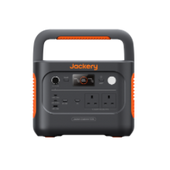
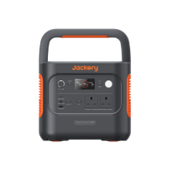
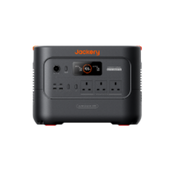
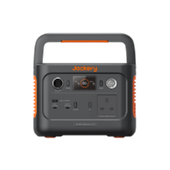
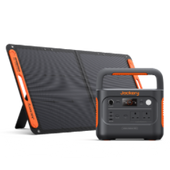
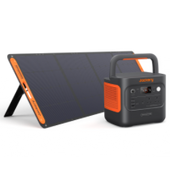
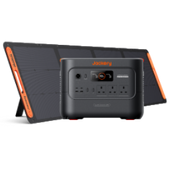
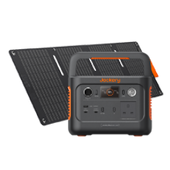
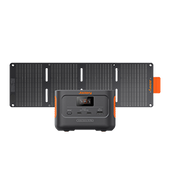
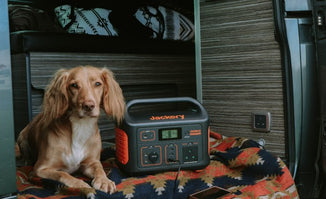
This is where the Jackery Solar Generator 3000 v2 and Jackery Solar Generator 2000 v2 become quite useful. These portable generators keep your emergency equipment charged and provide you with peace of mind during seasonal breakdowns or delays. They use strong LiFePO4 battery technology and can work in very cold weather.
Download the Winter Car Essentials Checklist >>
|
Key Takeaways: |
|
Top 15 Winter Car Essentials
Ensuring your vehicle is prepared for the unpredictable British weather is vital for safety. Having a well-stocked winter car essentials kit can prevent a minor mishap from becoming a serious emergency during a cold snap.

1. Ice Scraper and De-Icer
The most important thing for safe travel is being able to see. Before you leave, UK law requires that all your windows and your entire windscreen be free of snow and ice. This means you need a good ice scraper and a bottle of de-icer.
2. High-Visibility Clothing
If you experience a breakdown in darkness or heavy snow, visibility is essential for safety. It is highly recommended to provide each passenger with a high-visibility jacket to ensure everyone is visible to other motorists.
3. Warm Clothes and Blankets
The temperature inside a stationary car drops rapidly once the engine is off. Packing thick coats, hats, gloves, and thermal blankets ensures that you and your passengers stay warm while waiting for assistance.
4. Sturdy Footwear
Driving shoes are often thin and lack traction, which can be problematic when walking on snowy or slushy roads. If you keep a pair of boots with a strong tread, you'll have the grip and warmth you need to walk safely across treacherous roadsides.
A dead phone battery can be a disaster in an emergency. Utilising a Jackery Solar Generator or Portable Power Station ensures your communication devices remain charged, keeping you connected with family or emergency services during your journey.
6. Battery Jump Start Cables
Cold weather is notorious for draining car batteries. Including jump-start cables in your kit lets you get your engine running again with the help of a passing motorist, avoiding a long wait for a professional recovery service.
7. Torch and Spare Batteries
Winter gives extremely few daylight hours. A bright LED torch and a set of spare batteries are required for checking your engine, changing a tyre, or just finding your way if you become trapped on an unlit road.
8. First Aid Kit
Always keep a well-stocked first-aid kit with you when travelling. It is advised that you purchase a kit that satisfies British Standards to guarantee that you have enough bandages and antiseptic wipes to treat minor injuries on the spot.

9. Food and Drink
A breakdown can last several hours, so keeping non-perishable snacks like cereal bars is a wise move. Additionally, a flask containing a hot drink can provide much-needed warmth and comfort during a stressful wait in sub-zero temperatures.
10. Shovel For Snow
In parts of the country prone to heavy snowfall, a compact or folding shovel is a lifesaver. This tool allows you to clear a path for your tyres if you become stuck in a snowdrift or a poorly cleared car park.
11. De-Icing Salt or Sand
Traction is often lost on black ice or packed snow. Carrying a small bag of salt or sand allows you to create grip under your wheels, helping you move off safely from a slippery, stationary position.
12. Reflective Warning Triangles
To alert other drivers that your vehicle is stationary, you should place a reflective warning triangle at least 45 metres behind your car. This is a key safety measure to prevent secondary collisions on fast-moving roads.
13. Empty Fuel Can
Running out of fuel is particularly prevalent in the winter due to increased heating use and road congestion. An empty, heavy-duty fuel can is a useful accessory that lets you safely transport petrol from a nearby station if necessary.
14. Mobile Phone and Charger
While the phone is a daily need, a dedicated in-car charger is essential. Having a way to keep your phone alive lets you always access GPS or ask for assistance when navigating in difficult situations.
15. Road Maps
Technology can fail, especially in remote areas with poor signal strength. Carrying a physical atlas or a printed map of your route ensures you can still navigate home even if your digital devices or satellite navigation systems stop working. These winter car essentials are the foundation of any safe seasonal journey.
Things to Do to Prepare for Winter Car
Winter preparation requires more than a quick dashboard check. A thorough assessment of your car's mechanical condition is essential to avoid getting stranded when ice arrives.

1. Check Your Liquid Levels
Your car relies on various fluids to operate safely in freezing temperatures. Ensure that your screenwash is topped up with a high-quality additive that will not freeze, and that your engine coolant — also known as antifreeze — is at the proper level to avoid internal engine damage. It is also a good idea to check your oil levels, as cold temperatures can make older oil more viscous and less efficient.
2. Inspect The Battery
Cold starts put a massive amount of strain on a car battery, which is why they often fail during the first cold snap of the year. If your battery is more than five years old, it may be reaching the end of its life. Have it tested by a professional to ensure it can hold a charge and deliver the power needed to turn over a cold engine on a freezing morning.
3. Monitor Tyre Tread and Pressure
Traction is essential when the roadways are wet or icy. While the required minimum tread depth in the UK is 1.6mm, many experts advocate at least 3mm for greater traction in winter. Also, keep an eye on your tyre pressure, as it may drop dramatically when the temperature drops, leading to unpredictable handling and increased wear.
4. Test All Exterior Lights
With the sun setting much earlier, you will rely on your headlights more often. Walk around your vehicle to ensure that all bulbs, including indicators, fog lights, and brake lights, are functioning correctly. Keeping the lenses clean from road salt and grime is also essential for maintaining maximum visibility for yourself and other road users.
5. Examine Wiper Blades
Winter weather often means more debris and salt spray on your windscreen, which can quickly ruin old wiper blades. Check the rubber for any splits or cracks, and replace it if it begins to smear or squeak. Having a clear view of the road is a non-negotiable safety requirement when navigating through heavy rain or sleet.
6. Maintain a Healthy Fuel Level
While it might be tempting to wait until the light comes on, try to keep your fuel tank at least half full during the winter. This prevents moisture from freezing in the fuel lines and ensures you have enough petrol or diesel to keep the heater running if you are caught in a long traffic jam or an unexpected road closure.
7. Ensure Portable Power Availability
Modern communication is a lifeline in breakdowns, so ensure your devices remain powered. Keeping a Jackery Solar Generator in your boot guarantees a reliable energy source for your smartphone or tablet, even if your car's electrical system fails. Staying connected is critical in any winter car essentials plan.
8. Verify The Heating System
Before the deep freeze approaches, check your car's heater and demister to ensure they are working properly. An effective climate control system isn't just about comfort; it's also important for keeping your windscreen clear of moisture and frost while driving, which results in a safer, more focused journey.
What Should I Pack In My Winter Car Survival Kit?
After times of mild weather, it's easy to forget how serious travel can be during the colder months. Winter storms in remote parts of Northern England and Scotland can turn simple vehicle issues into life-threatening scenarios. Maintaining a specialised outfit from late autumn to early spring is a prudent idea, as ice and snow frequently fall outside of the traditional months of December and February.
Begin any long trip with a full tank of gas, check your fluid levels and make sure your tyre pressures are correct. Always notify your contact at your destination when you depart; if you fail to arrive on time and cannot call for help, they can sound the alarm for you. In addition to these precautions, you should include the following items in your winter car essentials to ensure you are fully prepared for any roadside emergency.

1. Heavy-Duty Shovel
If it snows a lot or a snowplough buries your car, you'll need a big tool to get it out. More importantly, a strong shovel could mean the difference between getting home safely and getting frostbite if you unintentionally slide into a snowbank. You can easily find lightweight plastic versions online and at local DIY stores, which makes them easy to store.
2. Traction Sand or Grit
This addition serves two purposes, particularly if your vehicle has rear-wheel drive. Placing one or two bags over the driven wheels improves traction through added weight. If you do become stuck, you can quickly get back on the road by tossing a few handfuls of sand under the tyres to provide immediate grip on icy surfaces.
3. Led Torch and Spare Batteries
A little LED lamp should always be in your glove compartment. They are quite useful, don't take up much space, and are necessary for checking your car or finding your way in the dark. LED bulbs are energy-efficient, but make sure the batteries are fresh and pack a spare pair so you don't get stuck in the dark if your car breaks down.
4. Warm Clothes and Boots
While you might not dress for an Arctic expedition for a daily commute, you will certainly appreciate a heavy jacket, gloves, and a thermal hat if the weather worsens. Keeping a pair of insulated winter boots in the boot is also vital for staying warm if you have to exit the vehicle. Before a holiday road trip, make sure you have packed extra layers for the entire family.
5. Emergency Space Blankets
These lightweight blankets resemble tin foil and are highly effective at retaining body heat. The blankets can be folded up small enough to fit several in your glove compartment and could literally save your life if you are stranded and must wait for rescue inside a cold car. They are a much safer alternative to venturing out into a freezing, dark night without protection.
Reliable communication and heat are your best tools in a crisis, which is why the latest Jackery Solar Generator 3000 v2 and Jackery Solar Generator 2000 v2 are game-changers for your vehicle's safety kit. Having a reliable power source ensures your mobile phone stays charged and can even run high-wattage essentials like portable heaters or kettles if you are stranded.
Both models are built to perform in temperatures as low as -10°C, and with ZeroDrain technology, they can retain up to 95% of their charge for an entire year in storage. Integrating these units into your winter car essentials keeps you in constant contact with emergency services and maintains comfort until help arrives.
Jackery Solar Generators for Winter Car Trips
In the UK, winter weather is often a mix of freezing temperatures and high humidity, which can be brutal for car batteries and dangerous for stranded motorists. Keeping a Jackery Solar Generator in your car is a strategic safety move for both daily convenience and emergency survival.
Unlike your car's engine, a Jackery can run a 12V electric blanket or a small heater for hours without any risk of carbon monoxide poisoning or draining your vehicle's starter battery. Gas-powered generators often struggle to start in the cold due to thickening oil. Jackery units use Cold Start Technology and LiFePO4 batteries that remain stable and functional in sub-zero temperatures (down to -20°C for some models).
Jackery Solar Generator 3000 v2
Taking a Jackery Solar Generator 3000 v2 on winter car trips in the UK provides a critical layer of safety and comfort. It acts as a mobile energy hub that can sustain your warmth, communication, and cooking needs if you become stranded or are enjoying remote winter camping.

Extreme Cold Resilience
The 3000 v2 is designed to discharge in temperatures as low as -15°C (5°F). In the UK's damp, freezing winters, this ensures you can reliably run heating equipment like electric blankets or small space heaters even when the car engine is off.
High-Output for Warmth and Food
With a 3,600W continuous output, it can power energy-hungry appliances simultaneously. You can boil a kettle for hot tea (essential for preventing hypothermia) while running a 1,500W heater or a 12V heated car seat cover. It features 3x 230V~13A UK sockets, 2x 100W USB-C (for laptops), 2x 18W USB-A, and a 12V Car Port to simultaneously charge appliances, electronics and camping gear.
Rapid Recharging Between Stops
Winter days are short. The 3000 v2 can fully recharge from a wall outlet in just 1.8 hours at a service station or hotel. If you are off-grid, it supports up to 1000W of solar input, allowing it to soak up limited UK winter sunlight quickly within 3.5 hours. Stay powered with built-in UPS support - switches in under 20ms to keep essentials like lights and fridges running.
ZeroDrain™ Readiness
If you keep this in your boot "just in case," the ZeroDrain technology ensures it retains 95% of its charge for up to a full year in storage. You won't find it dead when you actually need it in an emergency.
Built with advanced CTB (Cell-to-Body) tech—also used in EVs—for a stronger, more compact design. With an inverter and PV combined, and battery cells built into the base, it boosts space efficiency by 14% (vs. Explorer 3000 Pro) and enhances durability for safer travel.
Jackery Solar Generator 2000 v2
The Jackery Explorer 2000 v2 is a powerhouse for UK winter car trips, offering a massive 2042Wh capacity in a design that is significantly more compact than previous models. It is specifically built to handle the high-power demands of winter gear while remaining portable enough to store in a standard vehicle boot.

Massive Heating Capacity
With a 2200W continuous output, it can easily power a full-sized electric kettle for hot drinks or run an electric blanket for multiple nights. This is a lifesaver during long roadside waits or for staying warm in a campervan.
The Jackery Explorer 2000 v2 Portable Power Station delivers an impressive 2042Wh capacity and 2200W output, capable of powering most of your household appliances. It also features 2*AC outlets, 1*USB-A 18W, and 2*USB-C ports ( 100W + 30W), allowing you to charge multiple devices like phones and laptops simultaneously.
Space-Saving Design
Despite its high capacity, it is 35.6% lighter and 41% smaller than the 2000 Plus model. It uses "Cell-to-Body" technology to pack more power into a smaller frame, leaving more room in your car for winter gear like sleeping bags and boots.
Introducing the world's first 2kWh LiFePO4 power station with advanced EV-grade CTB (Cell to Body) Structure technology, designed to be lighter and more compact at just 38.6 lbs — about the weight of a suitcase. With a foldable handle for easy carrying, it's the perfect power solution for road trips, camping, and off-grid living.
Extreme Cold Reliability
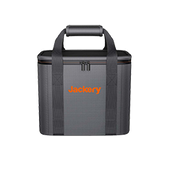
It is rated for discharge in temperatures as low as -10°C (14°F). When paired with the optional Guard Carrying Bag, it can even power devices reliably down to -40°F, making it resilient against the harshest UK frosts. The 62 layers of all-encompassing protection, featuring 12 protective algorithms and 4 layers of physical safety, ensure complete coverage both inside and out.
Rapid Charging for Short Days
UK winter daylight is short. The v2 can fully recharge from an AC outlet in just 1.7 hours, meaning you can top it up quickly at a service station or campsite. With Emergency Super Charge Mode, easily activated via the Smart App, the power station charges from 0% to 80% in just 52 minutes - perfect for when you need power in a hurry. Even in regular AC charging mode, a full charge takes only 103 minutes.
Essential Winter Driving Tips
It is highly suggested that you review this checklist before each drive to ensure your car is in top condition for the road. By taking these simple precautions, you can dramatically reduce the risk of a breakdown and stay safe while travelling.
P is for Petrol or Diesel
Always check your fuel gauge before setting off to ensure you have more than enough for your intended route. In cold weather, it is wise to know exactly where you can fill up along the way, as heavy traffic or road closures can lead to much higher fuel consumption than usual.
O is for Oil
Engine health is paramount during the freezing months. You should check your oil levels at least once a month to ensure the engine is properly lubricated, which prevents unnecessary wear and tear when starting the car on particularly cold mornings.
W is for Water
Routine maintenance should include cleaning your screen and inspecting your radiator levels. Using a concentrated screenwash designed for sub-zero temperatures is ideal for winter, as it prevents the liquid from freezing on your windscreen and obscuring your view.
D for Damage
Before you start the engine, make sure your windows, windscreen, and lights are completely free of ice and snow. It is also important to inspect your wipers and light lenses for any signs of wear or damage that could compromise your safety in poor visibility.
E for Electrics
With the extra strain put on your vehicle's battery in winter, you must verify that your controls, lights, and indicators are operating exactly as intended. Ensuring your Jackery power station is also charged and ready in the boot provides an extra layer of electrical security for your personal devices.
R is for Rubber Tyres
Your tyres are the only point of contact with the road, so make sure they have a legal tread depth and are properly inflated. Check for any cuts or bulges, as maintaining high-quality rubber is one of the most important winter car essentials for achieving grip on slippery UK roads.
Y for You
The most important part of the vehicle is the driver. Ask yourself if you are truly capable of driving; have you had a good night's sleep, and are you free from any medications that might make operating a vehicle dangerous? Being alert and refreshed is vital for reacting to unpredictable winter road conditions.

Professional Winter Car Maintenance Checklist
To ensure your car remains dependable during the winter months, go beyond simple tests and perform more thorough maintenance. Addressing these precise areas will help minimise long-term damage caused by harsh weather and road salt, ensuring that your winter car basics function in tandem with your vehicle's mechanical system.
1. Protect Your Paintwork and Chassis
In the UK, road salt is widely used to melt ice, but it is very harmful to metal and paint. A thorough wash and a high-quality wax application will protect your car's exterior. Also, washing the bottom of your car often helps keep rust from accumulating on the brake lines and chassis.
2. Lubricate Locks and Hinges
Freezing conditions can cause door seals to cling and locks to malfunction. Applying a silicone-based lubricant to rubber door seals and a little quantity of graphite lubricant to keyholes will help you avoid being locked out on a cold morning. This simple maintenance activity allows you to easily access your vehicle even in sub-zero temperatures.
3. Inspect The Cooling System
While we generally focus on preventing the engine from overheating, the cooling system's primary function in winter is to keep the engine block from freezing and cracking. Make sure your system has the correct antifreeze concentration. If the combination is excessively diluted with water, it can freeze, resulting in catastrophic engine failure and high repair costs.
4. Check The Condition of The Spare Tyre
Many drivers fail to check the pressure and condition of their spare tyre until they need it. Make sure your spare tyre is inflated to the proper pressure and that the jack and wheel brace are in functioning order. Being prepared for a puncture is an important element of keeping your car ready for lengthy winter journeys.
5. Clean Your Interior Windows
Condensation builds up more quickly on the inside of dirty glass, significantly reducing your visibility during low-sun winter afternoons. Use a dedicated glass cleaner to remove the hazy film that develops on the interior of the windscreen. This prevents glare from oncoming headlights and helps your demister work more efficiently.
6. Look for Stone Chips
Temperature fluctuations can cause small stone chips in your windscreen to expand into large cracks. Inspect your glass for any minor damage and have it repaired before the first hard frost. Addressing these small issues early can save you the cost and hassle of a full windscreen replacement later in the season.
FAQs
The following are frequently asked questions about winter car essentials.
1. What should I have in my car for winter?
You should bring more than just your usual safety gear. You should also bring things that help you see, stay warm, and have electricity. A good ice scraper, de-icer, thick blanket, and strong boots are all things you need. A Jackery Portable Power Station is also important, so your phone and navigation equipment will still work even if your car's battery dies in the cold.
2. Why put a glass of salt in your car?
Placing a small bowl or glass of salt in your car is a popular UK "life hack" for combating interior condensation. Salt is hygroscopic, meaning it naturally absorbs moisture from the air. By leaving it on your dashboard or in a cup holder overnight, you can reduce the fog and frost that builds up on the inside of your windows, saving you time during your morning de-icing routine.
3. What should be in my winter car kit?
A comprehensive survival kit should be split into two categories: vehicle recovery and personal comfort. For the car, pack jump start cables, a folding shovel, and traction sand. For yourself, include high-energy snacks, a thermos for hot drinks, a first aid kit, and an emergency torch with spare batteries. These winter car essentials are designed to keep you safe and comfortable if you are stranded for an extended period.
4. What do you legally need in your car in the UK?
While the UK does not mandate carrying specific emergency kits like some European countries, you are legally required to ensure your vehicle is "roadworthy." This means all lights must be functional, and your tyres must have a minimum tread depth of 1.6mm. Crucially, it is an offence to drive with obscured vision, so you must legally clear all snow and ice from every window and your car's roof before beginning your journey.
Final Thoughts
Preparing for the cold months is about protecting yourself and your passengers from the elements. By using our winter car essentials checklist to inspect your vehicle and stock up on winter car needs, you can greatly lower the dangers of freezing roadside emergencies. Investing in high-quality equipment, such as the Jackery Solar Generator 3000 v2 or the Jackery Solar Generator 2000 v2, ensures a reliable energy supply to power heaters, lights, and phones when they are most needed.


