













































Maintaining dog walking safety in winter takes more than a warm coat; it requires smart preparation for the UK's unique climate. As days shorten, responsible owners must keep pets safe and visible, avoiding hazards like rock salt.
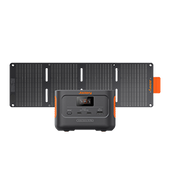
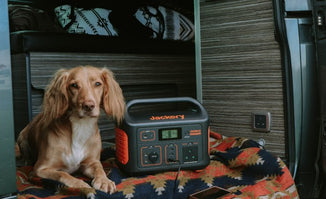
Staying prepared is just as important as dressing warmly when walking on icy streets or dark trails. By using the Jackery Explorer 500 v2, you can effortlessly charge LED collars and high-powered torches, ensuring your safety equipment never fails during a cold, dark winter trek.
|
Key Takeaways: |
|
Maintaining Your Dog's Warmth and Dog Walking Safety Winter
Some canines have thick fuzzy coats all year. However, when the weather becomes colder in the UK, consider letting your dog's hair grow longer to provide more natural protection against the elements. While a longer coat helps, always monitor their behavior to ensure they remain comfortable during your outings.
Some shorte-haired breeds and pups may need more assistance in keeping warm during a stroll. When the weather becomes cold, they'll often need to wear a high-quality dog coat. Remember: a chilled dog is an unhappy dog, so keep them as warm as possible to ensure the best dog walking safety winter experience for both you and your pet.
Is It Safe to Walk a Dog at Night in Winter?
Once you’ve ensured your dog is protected from the cold, it’s important to consider how winter’s shorter days create new risks. Nighttime walks come with unique safety challenges requiring extra vigilance.
Many UK owners may find that walking their dog at night is the only option during the winter months. Limited visibility during evening walks can increase the risk, so prioritising dog walking safety in winter helps prevent accidents and injuries.
When walking in the dark, make your dog visible with a reflective coat, flashing collar, or light. Ensure any item is comfortable and safe for winter use.
Wearing a coat or light attachment is new for some dogs, so introduce them gradually and use positive reinforcement. This helps your dog become comfortable with their winter gear. Since it is harder to see the path ahead and to be seen at night, always make sure you and your dog are visible to others and that other animals can avoid you.

Keeping Your Dog Safe On Nighttime Walks
To keep your dog visible to vehicles and others in the dark, use reflective harnesses, jackets, or LED collars. This keeps everyone at a safe distance if needed.
Darkness can alter your dog's behaviour, as familiar objects look different. Keep your dog on a secure leash for more control if they get startled. This helps manage safety during winter's darkest days.
If your dog enjoys fetch, consider toys that glow or light up so play can continue safely after dark. These adjustments keep your dog both engaged and safe during winter walks.
Keeping Yourself Safe During Nighttime Walks
Consider these options to keep you and your pet secure: Walk with a companion or join a local walking group, as walking with others increases safety and may help deter potential threats.
If walking alone, share your live location with a trusted person so they can monitor your route as part of your winter dog walking safety plan.
Staying visible can help keep you safe on nighttime walks, so wear brightly colored or reflective clothing whenever possible. Carry a torch or stick to well-lit streets to help you see ahead and be seen by others. In the dark, familiar streets may look different, so stick to a known route to maximise your dog's safety during winter walks.
When walking your dog in the dark, take key safety steps: avoid distractions like your phone, stay fully aware of your surroundings, and be alert to potential hazards and environmental changes. Maintaining awareness is essential for safe dog walking in winter.
How Cold Is Too Cold for Walking a Dog?
After covering visibility and safety measures for dark walks, let’s address another key aspect of winter: just how cold is too cold to walk your dog?
Cold weather may prompt owners to reconsider walks, but exercise remains essential. Assess your dog's size, age, and coat for safety. In the UK, dampness can make it feel colder than the temperature—always check the forecast.
Understanding Temperature Limits for Different Breeds
The breed and physical health of your dog will heavily influence whether it is safe for them to go outside in really cold conditions. Generally, small and medium breeds with thin coats may begin to suffer when temperatures drop to -4°C.
In contrast, bigger dog breeds with thicker, double-layered coats may endure temperatures as low as -6°C before they show signs of distress. However, once the temperature hits -7°C, most dogs are at serious risk of hypothermia and frostbite, making outdoor excursions ill-advised.
Recognising If Your Dog Is Getting Too Cold
Being aware of your dog's attitude and physical cues is a vital part of dog walking safety winter. Common symptoms that your dog is straining to stay warm include visible tremors or shivering, and their ears may feel extremely chilly to the touch.
You should also watch for whimpering, a hunched back with the tail tucked in, or anxious behaviour. If your dog shows a reluctance to continue walking, develops a limp, or begins lifting their paws from the ground to avoid the freezing pavement, it is time to head back.
Ideal Walk Duration During Winter
How long you stay outside is just as important as the temperature itself. Large, hardy animals may be able to stroll for roughly 30 minutes in -6°C, but smaller dogs or those with less body fat should keep their outings to less than 20 minutes.
It is often better to go for multiple short "toilet breaks" rather than one long trek. Remember, if your dog refuses to walk or starts to whine, you should take them home immediately to warm up.
Special Considerations for Vulnerable Breeds
While some dogs are built for the frost, others require extra care. Siberian huskies have dense coats that can tolerate harsh, below-freezing conditions, whereas thin breeds such as whippets and greyhounds are far more vulnerable to cold and should always wear a protective jacket. Regardless of breed, dogs should never be left outside for extended periods when the temperature goes below 10°C. Prioritising dog walking safety winter means adapting your routine to your specific dog's needs, ensuring they stay happy and healthy until the spring thaw.

Winter Health Risks for Dogs
There are a few critical hazards to watch out for during your seasonal outings to ensure total dog walking safety winter. Being aware of these environmental dangers is the best way to protect your pet when the British weather takes a turn for the worse.
The Dangers of Rock Salt and Grit
Rock salt is frequently used on UK pavements and roadways to prevent ice. However, it can be quite harmful; if consumed, it may cause blisters on dogs' skin and a severely upset stomach. Even little quantities may cause elevated blood salt levels, which can negatively affect a dog's kidneys. Always wash your dogs feet and legs right away if you see any residue on their fur. If you believe they have swallowed any salt or grit, contact a veterinarian immediately.
Monitoring Antifreeze in Puddles
At any time of year, you should try to keep your dog from drinking from puddles or stagnant water. However, throughout the winter, there is a much greater possibility of antifreeze leakage pouring into roadside puddles. If a dog consumes antifreeze, it may result in major health issues, and it is not always immediately clear that anything is wrong. Consult your veterinarian if you suspect ingestion, or call the animal poison line at 01202 509 000.
Identifying Winter Poisons and Alabama Rot
Other dangers to be aware of during the rainy months include various winter toxins. Expert insights suggest that cases of Alabama Rot are most common between November and May. Although the frequency of fatalities from this ailment is minimal, it is nevertheless necessary to be aware of it as part of your checklist.
Inspect your dog frequently for any unusual signs. The disease may develop tiny, non-healing skin lesions the size of a five-pence piece on the legs, belly, and snout. These are often slow-healing sores that may grow in size and resemble ulcers. Because the illness can lead to renal failure, any minor suspicious skin sores--especially those where no trauma has occurred--should be checked by a professional to ensure your pet stays healthy throughout the winter.

Maximising Dog Walking Safety in Winter with Jackery
While following the physical safety tips mentioned above is crucial, having a reliable power source can be a game-changer for UK pet owners during the darkest months. The Jackery Portable Power Station is the perfect companion for your winter routine, especially when you need to ensure your safety gear is always operational. With its compact design, it is incredibly easy to move from your home to your car, providing a portable hub for all your dog walking safety winter needs.
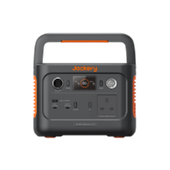
Jackery Explorer 500 v2
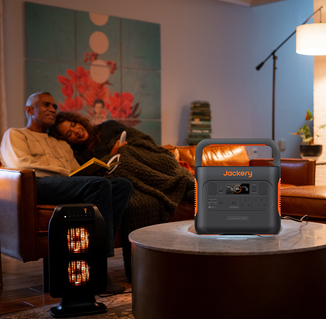
The Jackery Explorer 500 v2 is a particularly strong companion for winter dog walking in the UK due to its specific upgrades in battery chemistry and temperature resilience compared to the original model. While you wouldn't necessarily carry it in your hand while walking the dog (at 12.57 lbs, it's a bit heavy for a long stroll), it is designed to be the perfect "base camp" in your car or at home to manage the harsh, damp British winter.

Reliable Performance in UK Frost
The v2 model is rated to operate in temperatures as low as -20°C. In the UK, where winter temperatures frequently hover around freezing (0°C to 5°C), many standard lithium batteries lose significant efficiency or stop discharging. Running a heated dog bed or blanket in the car for your pet to warm up immediately after a walk.
LiFePO4 Battery Stability
Unlike the original 500 which used NCM chemistry, the v2 uses LiFePO4 (LFP). It supports 6,000+ charge cycles, meaning the frequent "top-ups" needed during winter won't degrade the battery for decades. LFP batteries are more thermally stable, making them safer to store in the fluctuating temperatures of a vehicle boot.
Portability for "Car-to-Trail" Use
At 12.57 lbs (5.7kg), the v2 is about 10-15% lighter and significantly smaller than its predecessor. It features a sturdy, ergonomic handle, making it easy to move from your kitchen to the car boot with one hand. Set up a "warming station" at the trailhead for muddy/wet paws.
Winter Emergency & Comfort Features
UK winters mean it's dark by 4 PM. If you get back to the car late, the built-in light helps you find your gear or clean your dog's paws safely. It can charge from 0 to 100% in about 1.3 hours. This is vital when you have short windows of time between walks and need the unit ready to go again quickly. High-speed charging for your phone or tablet if you get stuck in snow or heavy rain and need to stay connected.
|
Features of the Jackery Explorer 500 v2 |
|
|
Weight |
About 12.57 lbs/5.7kg |
|
Operating Usage Temperature |
Charge Temperature=-20°C to 45°C Discharge Temperature=-20°C to 45°C |
|
Capacity |
20Ah/25.6V DC (512 Wh) |
|
Cell Chemistry |
LiFePO4 6000 cycles to 70%+ capacity |
|
AC Output |
230V~50Hz, 2.18A, 500W |
|
USB-A Output |
18W Max, 5-6V⎓3A, 6-9V⎓2A, 9-12V⎓1.5A |
|
USB-C Output |
USB-C1 Output=100W Max, 5V⎓3A, 9V⎓3A, 12V⎓3A, 15V⎓3A, 20V⎓5A USB-C2 Output=30W Max, 5V⎓3A, 9V⎓3A, 12V⎓2.5A, 15V⎓2A, 20V⎓1.5A |
|
Running Time |
Heated Dog Bed (6-18W): 28-85 Hrs Portable Heating Mat (20-40W): 12-25 Hrs Pet Electric Blanket (50-100W): 5-10 Hrs |
Alternatives to Dog Walking in Extreme Cold
In very cold weather, it is wise to reduce the duration of your outdoor walks, just as you would during a summer heatwave, to avoid exposing your pet to the elements for extended periods. Prioritising dog walking safety in winter often means choosing quality over quantity when it comes to time spent in sub-zero temperatures.
Engaging Indoor Play and "Pop-in" Services
Instead of a long trek, you may consider a "pop-in" style routine where you play with the dog in the garden or inside for 30 minutes to an hour. This keeps them physically active and mentally stimulated while avoiding the biting cold to the greatest extent feasible. Activities like indoor fetch or tug-of-war are excellent ways to maintain your dog's safety by staying within the warmth of your home.
Adapting Your Route to the Environment
If you do head outside, change your course to avoid the deepest snow. For example, if you often walk in an open field where snow drifts can become deep and dangerous, try walking in a sheltered forested area where the tree canopy often results in less snow on the ground. Alternatively, stick to treated roadways and paths that have been cleared. By adjusting your terrain, you can ensure a safer experience while still giving your dog the fresh air they crave.

FAQs
The following are frequently asked questions about the dog walking safety in winter.
1. How cold is too cold for walking dogs?
While every dog is different, a general rule for winter dog walking safety is to be cautious when temperatures drop below 7°C. For most breeds, especially those with thin fur or small frames, temperatures between -1°C and -4°C can become uncomfortable or even dangerous. If the temperature hits -7°C or lower, it is widely considered too cold for extended walks, as the risk of hypothermia and frostbite increases significantly.
2. Is it bad for dogs' paws to walk in the cold?
Walking in the cold itself isn't always "bad," but the conditions that come with it can be. Snow and ice can lead to cracked pads or salt burn from grit spread on UK roads. To ensure maximum dog walking safety in winter, always check your dog's paws for ice balls forming between the toes and wash them thoroughly after every walk to remove toxic rock salt and antifreeze.
3. What is the 5 second rule for walking dogs?
You might know the 5-second rule for summer (checking whether pavement is too hot), but it applies to dog-walking safety in winter, too! Press the back of your hand against the frozen ground or pavement for five seconds. If the cold is painful for you, it is likely too cold for your dog's paws to endure for a long walk. If you can't keep your hand there, consider using dog boots or sticking to grassier, softer surfaces.
4. What temperature is too cold to walk a dog in the UK?
In the UK, the humidity often makes the air feel sharper. Most veterinary experts suggest that 0°C is the tipping point where dog walking safety in winter becomes a major concern for vulnerable pets, such as puppies, seniors, or short-haired breeds like Greyhounds. When the "feels like" temperature sits at or below freezing, it is best to keep walks short and ensure your dog is wearing a high-quality, insulated winter coat.
Final Thoughts
Mastering dog walking safety in winter ensures that you and your pet can enjoy the crisp British air without unnecessary risks. By monitoring local temperatures and recognising your dog's physical cues, you create a secure environment for seasonal exercise. To truly elevate your winter routine, the Jackery Explorer 500 v2 offers the reliable, portable power needed to keep your essential safety tech and mobile devices running in sub-zero conditions. With the right knowledge and dependable tools, you can confidently navigate the frost, keeping your dog happy and healthy until the warmer spring days finally return to the UK.


