
































Autumn camping in the UK can mean quieter pitches, woodland turning gold and long walks in the cool air. Choose a campsite that suits your plans and pack for cold nights, rain and shorter days. A drying room is worth looking for if you’ll be walking all weekend, while a pitch close to the loos makes life easier with children after dark.
This guide covers ten UK destinations, with a named campsite for each and details of its facilities and nearby walks. You’ll also find a practical packing checklist and tips for keeping bedding dry, staying warm overnight and getting your tent up before dusk.
|
Key Takeaways: |
|
When Is the Best Time for Autumn Camping in the UK?
September is usually the easiest month for a first autumn camping trip. October is a good choice if you’re planning woodland walks, while November can suit a short break if you’re comfortable camping in colder conditions.
September for an Easier Transition from Summer
September gives you more daylight than later in autumn. That extra time matters on a family weekend: you can pitch the tent, show the children the way to the loos and cook supper while you can still see. A sheltered lowland site makes a gentler starting point than an exposed upland pitch, where wind and lower temperatures can make the same weekend feel much colder. Pack waterproofs even if the afternoon looks bright.
October for Woodland Colour and Half-Term Breaks
Choose October if you’d like to spend a morning walking beneath beech and oak trees as the leaves turn. The timing varies with local weather and location, so check recent updates from the woodland you plan to visit. Popular family campsites can fill up over half-term. Check your school’s dates before settling on a pitch.
November for Shorter Trips and More Careful Planning
For a November weekend, choose somewhere you can reach and pitch before dusk. Confirm that the tent field is open, even if the site takes caravan bookings. Compare the forecast overnight low with your sleeping bag’s comfort rating, your mat’s insulation and how well you slept on previous cold nights. If that leaves little margin, choose a milder weekend.
Top 10 UK Destinations for Autumn Camping
For woodland colour and easy family outings, start with the New Forest or the Forest of Dean. For a walking weekend, Hayfield puts you close to Kinder Scout, while Eskdale offers valley routes for days when cloud covers the Lake District fells. These ten autumn camping destinations each suit a different kind of trip, from a Cornish garden break to a few nights beneath the pines in the Cairngorms.
Before booking, check the dates for your actual tent pitch. Grass pitches, touring pitches and winter accommodation can have different seasons at the same park. Confirm which facilities will be open and when you need to arrive, especially if you’re travelling after school or work on a Friday.

1. New Forest, Hampshire — Woodland Walks and Family Camping
- Camping location: Holmsley Campsite, near Burley.
- Facilities: Toilets, showers, electric pitches, laundry, shop and children’s play area.
- Highlights: Forest walks, cycling and village stops, with the beaches around Christchurch within reach.
The New Forest suits families who like to leave room in the day for an unexpected stop. Take the bikes along the forest tracks, spend an hour exploring Burley or pause at the edge of the heath to watch ponies grazing. Give free-roaming animals plenty of space, even when they wander close to a path. Holmsley occupies part of a former airfield, with open heath beside it and ancient woodland within reach.
After a muddy ride, the laundry gives you somewhere to deal with wet clothes before they find their way into the tent. The shop also makes it easier to put breakfast together without driving out again. Holmsley’s published 2026 grass-pitch season ended on 2 November, so it suited October half-term and the opening days of November that year.
2. Lake District, Cumbria — Valley Scenery and Walking Breaks
- Camping location: National Trust Eskdale Campsite, Boot.
- Facilities: Hot showers, toilets, washing-up facilities, laundry and a drying room.
- Highlights: Eskdale valley walks, village stops in Boot and access to the western fells.
In Eskdale, you can spend the morning following a valley path and still have time for lunch in Boot. That flexibility is worth having in autumn. If the cloud comes down, shorten the walk and enjoy the western Lake District from lower ground. For a longer outing, download the route, your return options and directions to the campsite before leaving home. There’s no mobile reception at the site itself.
Eskdale is a particularly good choice for two consecutive days of walking. The drying room opens in wet weather or by request, so yesterday’s waterproofs needn’t spend the night beside your sleeping bag. When booking, check which field you’ve selected. In the car-free meadow, you’ll carry your kit across from the parking area.
3. Peak District, Derbyshire — An Active Break near Greater Manchester
- Camping location: Hayfield Camping and Caravanning Club Site, Derbyshire.
- Facilities: Facilities block, small shop, grass and hardstanding pitches, and a motorhome service point.
- Highlights: Dark Peak scenery, Kinder Scout walking routes and Hayfield village on foot.
Hayfield works well for a walking weekend from Greater Manchester, especially if your group has different ideas about how far to go. From the campsite, a short riverside path leads towards the village. In the other direction, nearby Bowden Bridge is a starting point for the more strenuous climb to Kinder Scout. You can leave the choice until morning, when you have a clearer picture of the weather on the tops.
Allow enough daylight for the descent if you choose Kinder. With low cloud or a late start, a village outing leaves time for a meal and a walk back before dusk. For a second day, Ladybower Reservoir and Snake Woodland offer further options within the national park.
4. Yorkshire Dales, North Yorkshire — Limestone Landscapes and Simple Camping
- Camping location: Riverside Campsite, Town Head Farm, Cove Road, Malham.
- Facilities: Basic tent camping with toilets, showers and parking on site.
- Highlights: Malham Beck, Malham Cove and walks through the limestone country around Gordale Scar.
Malham suits walkers who want to unzip the tent, pull on their boots and leave the car where it is. Riverside Campsite occupies a field on a working farm beside Malham Beck, close to the village and Malham Cove. You can walk towards the limestone cliffs in the morning and be back in the village for lunch. After prolonged rain, ring the farm to check the condition of the grass before setting off.
One detail matters when choosing where to stay. Gordale Scar Campsite has closed to public camping. Gordale Scar is still a highlight of a Malham walking break, but book your pitch separately. Riverside takes telephone bookings, which gives you an opportunity to confirm autumn dates and facilities directly.
5. Forest of Dean, Gloucestershire — Forest Trails and Autumn Colour
- Camping location: Bracelands Campsite, near Coleford.
- Facilities: Toilets, family and accessible shower rooms, laundry, washing-up areas and a shop.
- Highlights: Forest trails from the campsite, autumn woodland colour and outings into the Wye Valley.
Bracelands is a good choice when the woodland itself is the reason for going. Walking and cycling trails lead straight into the Forest of Dean, so even a short spell of afternoon sunshine is enough for an outing. You can head out after breakfast, return to the tent for lunch and choose another route later without packing the bikes back into the car. For a change of scenery, spend part of the weekend exploring the nearby Wye Valley.
The site opens year-round, making it one to consider for November. Families coming back from a muddy trail can use the family shower rooms, and the laundry has tumble dryers. If you’re taking a dog, there’s also a dog wash for dealing with the mud before everyone settles in for the evening.

6. South Cornwall — Gardens, Coast and Comfortable Facilities
- Camping location: Heligan Caravan and Camping Park, near Mevagissey.
- Facilities: Heated bathrooms, drying room, laundry, shop, children’s play area and dog wash.
- Highlights: The Lost Gardens of Heligan next door, Mevagissey harbour and access to coastal walks.
At Heligan, you can give the car a day off. The Lost Gardens of Heligan are beside the campsite, and an off-road walking and cycling route leads towards Mevagissey for a harbour visit. Allow for the hills and a muddy return after rain. A garden visit makes an easier plan to shorten if the wind picks up, while a calmer day gives you more scope to explore the South West Coast Path.
Consider the wind exposure of your pitch as well as the forecast for the coast. Back at camp, the heated bathrooms make changing out of wet layers more comfortable. There’s also an indoor drying room with lockers for boots and clothing, particularly handy if you want to walk again the following morning.
7. Mid Wales, Powys — Rural Camping and Dark Evenings
- Camping location: Forest Fields, near Builth Wells, Powys.
- Facilities: Electric and non-electric pitches, hot showers, family washrooms, laundry, drying room and shared fridges and freezers.
- Highlights: Farm trails, valley views, lakeside walks and stargazing when skies are clear.
At Fforest Fields, you can pick up a map at reception and spend much of the weekend exploring the farm on foot. Take a short stroll beside the Long Lake when you arrive, then use the next morning for a longer walk with views across the valley. On a clear evening, leave a little time after supper to look at the stars. The open setting is part of the appeal even when cloud puts an end to stargazing.
The shared fridges and freezers are useful if you’re taking a non-electric pitch and bringing food for several days. Pack your first evening’s meal before you leave home. The coffee shop and bar operate seasonally, so check their opening arrangements if you’re counting on eating or drinking there.
8. Loch Lomond, Scotland — Lochside Views and Woodland Walks
- Camping location: Cashel Campsite, near Rowardennan.
- Facilities: Toilets, showers, laundry, dishwashing area, accessible facilities and children’s play area.
- Highlights: Loch Lomond views, the West Highland Way at the entrance and nearby forest walks.
Cashel sits on Loch Lomond’s eastern shore, with views across the water towards Luss. The West Highland Way passes the campsite entrance, so you can try a stretch of the route and turn back in time for lunch. Nearby Rowardennan Forest offers another way to enjoy the lochside landscape. Save a longer mountain outing such as Ben Lomond for a day when the forecast, daylight and your group’s experience allow it.
A view across open water can come with a windy night. Check the wind forecast before choosing your spot and ask the site team about shelter if gusts are expected. Cashel also has seasonal booking dates. Confirm that it’s taking tents for your particular weekend before planning your walks around a stay here.
9. Cairngorms, Scotland — Pine Forests and Highland Scenery
- Camping location: Glenmore Campsite, beside Loch Morlich, near Aviemore.
- Facilities: Toilets, showers, laundry, washing-up facilities, electric pitches and accessible facilities.
- Highlights: Loch Morlich’s sandy shore, pine forest trails and views towards the Cairngorm mountains.
At Glenmore, a short walk through the pines brings you onto the sandy shore of Loch Morlich. The contrast here is between dark evergreen woodland, open water and the mountains beyond. That makes it a rewarding Highland base even if your plans extend only as far as the forest trails. You can spend an afternoon by the loch and leave higher routes for another visit.
Glenmore opens year-round, but the campsite sits about 300 metres above sea level, and part of it closes in winter. For late autumn, check the forecast for Glenmore itself and choose sleeping kit you’ve found comfortable in comparable cold conditions. Ask about the pitch surface when booking, too. The operator specifies that its electric tent pitches are on sand.
10. County Down, Northern Ireland — Estate Trails and Strangford Lough
- Camping location: National Trust Castle Ward Caravan Park, near Strangford.
- Facilities: Toilets, hot showers, indoor washing-up area, laundry and a small drying room.
- Highlights: Castle Ward estate, woodland trails and coastal scenery around Strangford Lough.
Castle Ward suits a weekend built around shorter outings. Spend a morning on the estate’s woodland trails, follow the shore of Strangford Lough or stop at the Stableyard Tea-room during opening hours. There’s scope for a heritage visit and a walk on the same day, with Strangford village nearby for supplies. Bring your first evening’s food if you’re arriving close to check-in time, as there’s no shop at the campsite.
Despite the name Caravan Park, there’s a tent field on the central green. The ten ordinary tent pitches have no electric hook-up, while touring pitches have electricity and water. Tent campers can still use the indoor washing-up area and the freezer for ice blocks. Those details make a difference when deciding what cooking and food-storage kit to bring.
How to Choose and Book an Autumn Campsite
For an autumn camping weekend, start with your arrival plans. If you’ll be turning up after work on Friday, a pitch close to the car and a check-in time you can comfortably meet may matter more than the view.

Confirm Tent-Pitch Dates and Seasonal Facilities
Enter your exact dates and select a tent pitch in the booking system. Check which shower block serves your field, whether the drying room will be open and what time the shop closes. Read the description of your chosen pitch carefully. A park may advertise electricity while offering hook-ups only on its touring pitches. If you expect to arrive late, ask where to check in and when the vehicle gate closes.
Prioritise Drainage, Shelter and Convenient Access
After prolonged rain, ask the operator which tent pitches drain well and offer shelter from the prevailing wind. Check the distance to the toilets and whether you can park beside the tent or need to carry your kit from a separate car park. If only hardstanding is available, confirm that the site accepts an ordinary tent there and that the surface will take your pegs.
Compare the Complete Cost and Cancellation Terms
Compare the total for your party, including extra people, dogs, electricity and any minimum stay. October half-term and popular weekends can cost more than quieter autumn dates. Before paying, check the cancellation deadline, how much of your payment is refundable and whether you can move the booking if the forecast changes.
Essential Autumn Camping Gear: Your Packing Checklist
Start with what you already own. For autumn camping, pay particular attention to the kit that keeps rain out, insulates you from the ground and helps you find your way back to the tent after dark.

A Weather-Ready Tent and Pitching Kit
Practise pitching your tent at home. Check the flysheet seams, look for holes in the groundsheet and tighten each guyline so you know the adjusters work. A trial run gives you time to replace a damaged peg or patch a tear before you have to pitch in fading light. Choose pegs suited to the ground and tuck any footprint beneath the tent so its edges cannot collect rain.
- Pack: Tent, pegs, guylines, mallet, repair kit and a correctly sized footprint if needed.
A Sleeping Bag and Insulated Mat
Use the sleeping bag’s comfort rating as your guide to the overnight low, allowing extra warmth if you tend to sleep cold. The extreme rating describes survival conditions. Your mat matters too: insulation beneath you slows heat loss to the ground, while a thick airbed with little insulation can still leave you cold.
- Pack: Suitable sleeping bag, insulated mat, dry sleepwear and an optional extra blanket.
Waterproof Clothing and Dry Spare Layers
Take a waterproof jacket and trousers you can pull on over warm layers, plus footwear with grip for muddy paths. Seal one complete change of sleepwear, including socks, in a dry bag. Leave it there until bedtime, even if the clothes you walked in feel only slightly damp.
- Pack: Waterproofs, insulating layers, grippy footwear, warm socks, hat, gloves and dry bags.
Cooking Equipment, Food and Drinking Water
Choose a meal you can cook in one pan on the first evening. Bring fuel that fits your stove and plan where you’ll set it on a firm, level surface outdoors. Fill a flask before your walk and keep drinking water handy at the pitch.
- Pack: Stove, compatible fuel, lighter, cookware, food, flask, water containers and washing-up supplies.
Lighting, Navigation and Charging
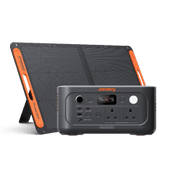
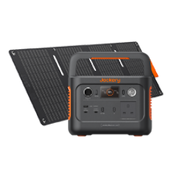
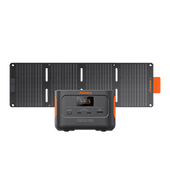
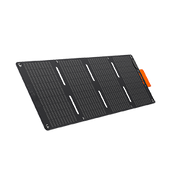
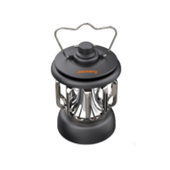
Keep a headtorch where you can reach it before unpacking. A lantern lights the tent while leaving your headtorch free for trips to the loos. Download walking maps before leaving home. For car-based camping with several devices, the portable power section below covers choosing a Jackery portable power station to suit your kit.
- Pack: Headtorch, lantern, spare batteries or charging cables, phone, offline maps and a suitable power source.
Personal Essentials and Wet-Gear Storage
Keep regular medication and first aid supplies somewhere dry and easy to reach. Give muddy kit its own bag. With children, add spare socks in their own dry bag. With a dog, keep a towel by the tent entrance for wet paws.
- Pack: First aid kit, regular medication, toiletries, rubbish bags and a separate wet-kit bag.
Autumn Camping Tips for Staying Warm, Dry and Comfortable
On a wet autumn evening, it’s much easier to settle into the tent if your sleeping bag is dry and your headtorch is where you left it. A few habits, starting while you still have daylight, help keep things that way.

Tip 1: Arrive Early and Pitch Carefully
Aim to arrive with enough daylight to walk around your allocated pitch before unloading. Look for hollows where rain could collect, channels where water has already run across the grass and damaged branches overhead. If the spot looks unsuitable, ask the warden for another pitch. Peg out the flysheet and tension the guylines while you can still see them clearly.
Tip 2: Manage Condensation and Separate Wet Equipment
Keep the tent vents clear and leave a gap between the inner tent and flysheet. Droplets spread across the inside of the flysheet, even after a rain-free night, usually point to condensation. Water repeatedly entering at one seam during rain is more likely to indicate a leak. Move bedding clear of damp fabric and leave muddy boots and dripping waterproofs in the porch, keeping the entrance clear.
Tip 3: Establish a Warm, Dry Bedtime Routine
Before you get into your sleeping bag, change out of anything damp, including socks that feel only slightly wet. Use the dry outfit you set aside in the packing checklist and check that your mat lies beneath you from shoulders to feet. Put your headtorch in the same pocket each night so you can find it in the dark without waking everyone else.
Tip 4: Cook Outdoors and Follow Fire Rules
Use camping stoves and barbecues outdoors, clear of tents and awnings. Leave the barbecue outside after cooking, even when the coals look spent. A cooling barbecue can still release carbon monoxide. Check the campsite’s fire rules before bringing logs or a firepit. Autumn rain doesn’t give you permission to light a campfire.
Tip 5: Plan Shorter Outings and Know When to Change Plans
Check the local forecast, Met Office weather warnings and sunset time before setting off. Download your route and agree a turnaround time that gets the slowest walker back before dusk. Postpone the trip or leave early if forecast winds exceed what your tent can handle, paths are flooding or the campsite advises people to leave.
If rain follows you through pack-up, take the tent home wet and spread it out as soon as you return. Let the inner, flysheet and groundsheet dry fully before storing them.
How to Power Your Autumn Camping Essentials?
On a tent pitch without electric hook-up, start with what you’ll use between charges. A couple running lights and charging phones will have a different weekend power budget from a family bringing a compressor fridge.
Calculate Your Electricity Needs Before Choosing a Power Station
Watts (W) measure how much power a device draws while it runs. Watt-hours (Wh) measure how much energy it uses over time. Multiply the average power in watts by the hours of use to estimate the energy needed.
Illustrative daily budget. A 5 W LED lantern used for five hours consumes 25 Wh. Allow 30 Wh for two phone recharges combined. A laptop averaging 45 W for two hours adds 90 Wh. That comes to 145Wh per day, or 290Wh over two days, before charging losses and a reserve for extra use.

Jackery Explorer 1000 v2 for Smaller Car-Camping Setups
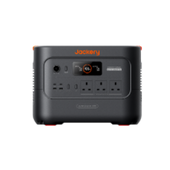
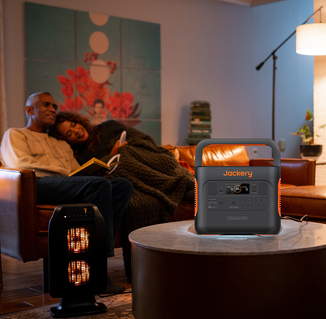
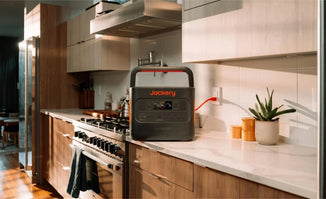
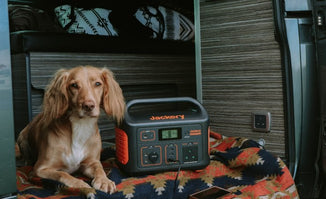
The Jackery Explorer 1000 v2 Portable Power Station suits a couple taking lights, phones, camera batteries and a compatible laptop. Its 1,070 Wh rated capacity leaves room above the example weekend budget, even allowing for conversion losses. At 10.8 kg, it’s also the easier of the two to carry from a car park to a tent field.
|
Camping specification |
Explorer 1000 v2 |
Explorer 2000 v2 |
|
Rated battery capacity |
1,070Wh |
2,042Wh |
|
Rated AC output |
1,500W |
2,200W |
|
Maximum output from one USB-C port |
100W |
100W |
|
Weight |
10.8 kg |
17.9 kg |
Jackery Explorer 2000 v2 for Greater Energy Needs
The Jackery Explorer 2000 v2 Portable Power Station adds 972Wh of rated capacity. That extra storage is worth considering if a family shares several devices or wants to keep a compatible compressor fridge running between charges. For the fridge, use its measured or stated daily consumption in Wh, since the compressor cycles on and off. Check its starting demand and add any devices you’ll run at the same time.
Plan Recharging and Keep Electrical Equipment Dry
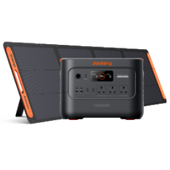
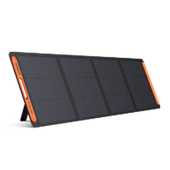
Charge the station before departure and ask the campsite where recharging is permitted. Keep the unit and connections dry, raised off damp ground and ventilated. Treat solar as a top-up: tree cover, cloud and shorter autumn days can limit what a panel collects.
Keep warm bedding central to the plan. A 1,000W heater running continuously for one hour uses 1,000Wh before losses. That single hour needs nearly seven times the energy in the whole illustrative daily budget.
Things to Do on an Autumn Camping Weekend
Choose one outing for each day and leave the rest open. A short walk before lunch gives you time to linger if the light is good or head back if rain sets in.
Woodland Walks, Photography and Wildlife Watching
Pick a marked woodland loop with a shorter return route. Look for details to photograph, such as a copper beech leaf against dark bark or reflections in a puddle. Leaf colour varies with the weather and location. If you spot wildlife, stay on the path and use binoculars or your camera’s zoom to watch from a distance.
Simple Activities for Children and Relaxed Evenings
Turn leaf identification into nature bingo: children can tick off an oak leaf, a pine cone or a fallen twig shaped like a letter. After supper, bring out a board game or read aloud by lantern light. If the clouds clear, step outside together for a little stargazing.
Keep a Wet-Weather Alternative Nearby
Before leaving home, check weekend opening hours for a nearby museum, visitor centre or café. One indoor stop gives everyone somewhere to dry off and enjoy the afternoon if a planned walk gets rained off.
FAQs
The following are the frequently asked questions about the autumn camping in the UK:
1. Where can you camp in October in the UK?
October options include Bracelands in the Forest of Dean, Holmsley in the New Forest and Glenmore beside Loch Morlich in Scotland. Check availability for your tent and dates, particularly over half-term, when families may be looking at the same weekend.
2. Where is the best place to camp in October?
For woodland colour and easy walks, I’d choose Bracelands. Trails lead straight from the campsite, so you can fit a walk around a break in the weather. For a hillwalking weekend, Hayfield in the Peak District puts you close to Kinder Scout.
3. What is the 28-day rule for camping?
It refers to planning rules about how long a landowner can use land as a temporary campsite. It gives individual campers no right to pitch for 28 nights. In England, qualifying sites can operate for up to 60 days per calendar year under Class BC, subject to conditions. Wales has separate rules, with limits depending on the location.
4. Is November too cold for tent camping?
November can suit experienced campers with a sheltered pitch, an insulated mat and a sleeping bag whose comfort rating suits the forecast overnight low. Consider wind and rain as well as temperature. If you’ve felt cold in the same kit on a milder night, choose a warmer weekend.
5. Do UK campsites stay open in November?
Some do. Bracelands and Glenmore advertise year-round opening, although parts of Glenmore close in winter. Check the booking calendar for an ordinary tent pitch and confirm which facilities will be open. Cabins and touring pitches can have longer seasons than the tent field.
6. Do campsites allow campfires in autumn?
It depends on the site. Eskdale, for example, prohibits campfires but allows raised charcoal barbecues when restrictions permit. Check the campsite’s current policy before packing a firepit or buying logs.
7. Can I wild camp in autumn in England and Wales?
You generally need the landowner’s permission. One exception is backpack camping on certain Dartmoor commons, where you can stay for one or two nights as part of a walking trip. Check the national park’s interactive camping map and follow its Backpack Camping Code.
8. Is Scotland worth considering for autumn camping?
Yes. Cashel on Loch Lomond suits lochside walks, while Glenmore offers pine forest and mountain views. For late autumn, Glenmore’s year-round season is useful, but its pitches sit around 300 metres above sea level, so plan for colder nights.
9. Is the New Forest good for autumn camping?
Yes, particularly for families who want woodland cycling, village stops and shorter walks. Holmsley has showers, a shop and a play area. Check seasonal dates before booking a November trip. Its published 2026 grass-pitch season ended on 2 November.
Final Thoughts
A good autumn camping trip starts with a destination that suits the walks you want to do and a packing checklist that fits the conditions. Choose a sleeping bag and insulated mat for the coldest night you expect, and keep a dry change of clothes for bedtime. Have a shorter walk in mind if the weather turns. On a car-based trip without hook-up, a Jackery Portable Power Station can help if you need electricity for lights, phones or a camping fridge.
Before booking, shortlist two campsites, confirm tent-pitch availability, check the local forecast and calculate how much electricity your equipment will need between charges.


