













![[Over £1200 Tier Gift] Bluetooth Speaker with Phone Stand - shipped Separately](http://uk.jackery.com/cdn/shop/files/Portable_Bluetooth_Speaker_with_Phone_Stand_2.png?v=1781595581&width=170)




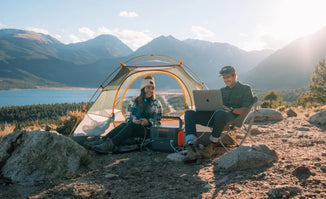








In 2026, as the cost of living remains a hurdle and the "off-grid" lifestyle becomes a mainstream aspiration, many are asking a radical question: Can you actually live in a tent full-time in the UK?
Actually, it takes a bit more planning than many people expect. The legal side matters, the weather matters, and daily basics such as food, hygiene, warmth, and electricity matter even more once you move beyond a short camping trip.
We will talk about the key parts of living in a tent in the UK, from legal questions and choosing a tent to everyday living, winter weather, essential gear, and the real cost compared with living in a car. It also explains where a Jackery Solar Generator can fit into a more practical off-grid setup.
|
Key Takeaways: |
|
Is It Legal to Live in a Tent in the UK?
The legal answer is not a simple yes or no. In the UK, living in a tent is only lawful if you are on land where camping is allowed or you have the landowner’s permission. In most of England, Wales and Northern Ireland, pitching a tent without permission is generally not allowed, even on “open access” land, because the right to roam does not usually include camping.
Scotland is different. Under Scotland’s outdoor access framework, wild camping is generally allowed in many places as long as it is done responsibly and in line with the Scottish Outdoor Access Code.
How Long Can You Live in a Tent in the UK?
There is no single national rule saying you can live in a tent for a fixed number of days. The time limit depends on the land and the permission attached to it.
- On Most Land in England, Wales and Northern Ireland: If you do not have permission, you generally cannot lawfully stay at all. You may be treated as trespassing and asked to leave.
- On a Temporary Tent Campsite: Government guidance says a tent-only site may be exempt from needing a licence if it is used for camping on fewer than 42 consecutive days or fewer than 60 days in any 12-month period. Separate planning rules in England also allow certain temporary recreational campsites to operate for up to 60 days in a calendar year, subject to conditions.
- On a Licensed Campsite: You can only stay as long as the site’s licence, planning status and terms allow. Many sites are for holidays only, so staying full-time can breach site rules or planning conditions.
- In Scotland While Wild Camping: There is no general right to remain in one place indefinitely. The Scottish system supports short, responsible stays rather than long-term occupation.
Can You Permanently Live in a Tent?
For most people, permanent tent living in the UK is not straightforward and often not lawful in practice. Even if a landowner lets you stay, the land itself may still need the right planning permission or campsite licensing depending on how it is being used.
Resources for Finding Legal Campsites
If you want a proper place to stay, campsite directories are the most useful starting point.
Pitchup is one of the easiest tools for searching UK campsites by location, dates, and facilities. It is useful if you want to compare options quickly or look for sites with tent pitches, electric hook-up, showers, or flexible booking terms.
The Camping and Caravanning Club and the Caravan and Motorhome Club are also useful for finding official sites and planning legal stays.
If you are looking in Scotland, the Scottish Outdoor Access Code is the best place to understand where informal camping may be acceptable and what responsible camping actually means in practice.
How to Choose a Tent for Living?
If you are planning to spend more than a weekend outdoors, choosing the right tent matters much more than most people expect. The best choice depends on how you plan to live. Some people want a lightweight setup they can move often. Others want something that feels closer to a small room outdoors.

Dome Tent
A dome tent is one of the most common options. It usually has two flexible poles crossing over the top to create a rounded shape. Dome tents are easy to find, easy to pitch, and often more affordable than larger tent styles. For short stays or solo outdoor living, a dome tent can work well.
Tunnel Tent
Tunnel tents use a series of curved poles to create a long, tunnel-like shape. They are popular for family camping and longer stays because they make better use of interior floor space.
This type often feels more comfortable for outdoor living than a small dome tent, especially if you need room for sleeping, storage, and basic indoor activities during bad weather.
Cabin Tent
Cabin tents are designed with near-vertical walls, so they feel more like a temporary room than a traditional camping shelter. Many of them allow you to stand up fully inside, which makes changing clothes, organising gear, and spending time indoors far easier.
Bell Tent
Bell tents have a classic canvas-style shape, supported by a central pole and tension around the edges. They are often chosen by people who want a more spacious and comfortable outdoor living setup. A bell tent can feel surprisingly homely. The high ceiling in the middle creates a more open atmosphere, and canvas versions often manage condensation better than cheaper synthetic tents.
Geodesic or Semi-Geodesic Tent
Geodesic and semi-geodesic tents are built with multiple intersecting poles to create a strong frame. These tents are designed for tougher weather and are often used in mountain or expedition environments.
If you are living outdoors in exposed locations, colder seasons, or windy areas, this type gives more confidence than a basic festival-style tent.
Tipi Tent
Tipi tents use a central support system and a steep wall shape that sheds rain well. Some modern versions are lightweight, while others are designed for longer semi-permanent use.
Inflatable Tent
Inflatable tents replace traditional poles with air beams. They are becoming more popular because they are often quicker to pitch and can feel less fiddly during setup.
For outdoor living, inflatable tents can be appealing if you want fast setup and generous interior space. Many larger family-style models feel roomy and comfortable.
|
Tent Type |
Best For |
Comfort for Longer Living |
Weather Performance |
|
Dome Tent |
Solo use, short stays, frequent moving |
Low to medium |
Medium |
|
Tunnel Tent |
Couples, families, longer stays |
High |
Medium to high |
|
Cabin Tent |
Base camping, comfort-focused living |
High |
Medium |
|
Bell Tent |
Seasonal living, glamping-style setups |
High |
Medium |
|
Geodesic / Semi-Geodesic Tent |
Harsh weather, exposed areas, colder conditions |
Medium |
High |
|
Tipi Tent |
Simple longer stays, open interior feel |
Medium to high |
Medium to high |
|
Inflatable Tent |
Easy setup, family-style living |
High |
Medium to high |
Top Tips for Living in a Tent in the UK
Living in a tent in the UK can be rewarding, but it is rarely as simple as it looks on social media. British weather changes quickly, campsites vary a lot, and small daily tasks such as cooking, charging your phone, or drying clothes take more planning than they would at home.

Tip 1: Choose the right pitch before you do anything else
A good setup starts with the ground under your tent. Even a strong tent can feel miserable if it is pitched in the wrong place. Try to find flat ground with decent drainage, and avoid hollows where rainwater can collect. In the UK, that matters more than many first-time campers expect.
Tip 2: Set up your tent like you mean to live in it
A tent for longer living should be treated more like a small room than a weekend shelter. Take time to tension the guylines properly, secure every peg, and position the entrance in a way that helps with wind and access. A rushed setup usually becomes obvious by the second or third day.
Inside the tent, divide the space into simple zones. Keep sleeping gear in one area, clothing in another, and cooking equipment separate if possible.
Tip 3: Plan food around simplicity, not perfection
Eating well while living in a tent is much easier when meals are simple. The aim is not to cook like you would in a full kitchen. It is to choose food that is easy to store, quick to prepare, and realistic in bad weather.
For short-term living, dry foods and shelf-stable basics work well. Pasta, rice, oats, wraps, tinned beans, soup, instant noodles, nuts, dried fruit, peanut butter, and long-life milk are easy to keep on hand.
A few easy meal ideas include:
- Porridge or oats for breakfast
- Wraps with tinned fish, cheese, or cooked vegetables
- Pasta with jarred sauce
- Rice with beans or lentils
- Soup with bread
- Simple one-pan meals on a camping stove
If you are living outdoors for longer, try to build a rotation of meals that use overlapping ingredients. That cuts waste and makes shopping easier.
Tip 4: Have a clear plan for drinking water
Water becomes a daily system, not just something you grab when needed. If you are on a campsite, check where the potable water points are and keep containers filled before you run low. If you are on private land or somewhere more basic, make sure you know exactly where safe drinking water will come from.
It helps to keep separate containers for:
- Drinking water
- Washing water
- Backup water in case of delays or bad weather
Large refillable water containers are far more practical than relying on lots of small bottles.
Tip 5: Keep hygiene simple and consistent
Hygiene matters more during tent living than people often expect. Damp air, muddy ground, limited space, and shared facilities can all make things uncomfortable if you let basic routines slip.
The easiest approach is to keep a small hygiene kit ready at all times. This usually includes a toothbrush, toothpaste, biodegradable soap, a flannel or microfibre towel, hand sanitiser, wet wipes, toilet roll, and a washing-up kit for dishes.
Tip 6: Know how you will shower
Showering is one of the biggest practical questions with tent living. The answer depends largely on where you stay.
If you are on a campsite, showers are usually the easiest option. Before choosing a site, check whether it has hot showers, whether they are included in the pitch price, and whether they are open at all times.
If you are living more simply or off-grid, a few alternatives can help:
- A portable solar shower bag for warmer weather.
- A privacy shelter with a camping shower setup where permitted.
- Leisure centre or gym memberships for access to showers.
- Public swimming pool facilities in towns nearby.
For longer stays, relying on one improvised method is rarely enough.
Tip 7: Have a toilet routine before you need one
Toilets are another issue that is easy to overlook until it becomes urgent. If you are on a campsite with proper toilet blocks, that is usually the best and simplest arrangement. If not, you need a practical and legal alternative.
Some people use a portable camping toilet, especially for longer stays or more remote pitches. Others rely on nearby public toilets during the day, but that is rarely enough on its own if you are staying overnight.
Tip 8: Stay warm, dry, and well ventilated
In the UK, comfort is not only about warmth. It is also about staying dry. A tent can feel cold because of rain, damp air, wet clothing, and condensation rather than freezing temperatures alone.
Use a proper sleeping mat or camp bed to lift yourself off the cold ground. A decent sleeping bag rated for the season makes a huge difference, and extra layers such as thermal clothing, socks, and fleece blankets help on colder nights.
Tip 9: Handle electricity in a realistic way
Electricity becomes surprisingly important once you live outdoors for more than a couple of days. Phones, lighting, rechargeable lanterns, fans, small cooking tools, laptops, and battery packs all need power. If you are on a campsite with electric hook-up, that can make life much easier. If not, it helps to think ahead rather than improvising every day.
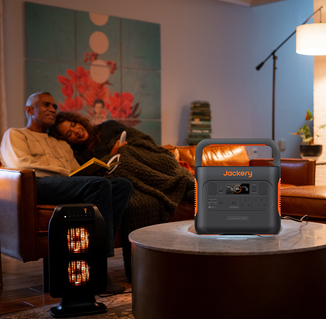
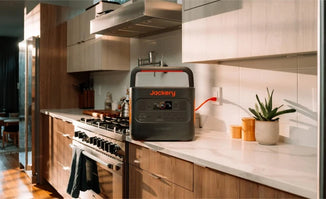
For longer outdoor stays, a Jackery Solar Generator can be a practical addition. It gives you a more reliable off-grid power source for charging essentials, running small devices, and keeping your setup more flexible without depending entirely on fixed sockets.
Tip 10: Respect wildlife and protect your food
Wildlife in the UK is not usually dangerous in the way it can be in some other countries, but animals can still create problems. Foxes, birds, rodents, and insects are the main issue around campsites and rural areas. Food left out overnight is an open invitation.
Store food in sealed containers, clear away crumbs, and keep rubbish under control. Do not leave food waste sitting near the tent, and avoid storing strong-smelling items loosely around your sleeping area. Even if larger wildlife is not a concern, mice and insects can quickly become irritating.
Tip 11: Keep yourself and your gear safe
Personal safety matters just as much as comfort. Choose legal places to stay, let someone know where you are if you are living more remotely, and trust your instincts if a location feels wrong.
A few simple safety habits go a long way:
- Keep your phone charged
- Have a torch or lantern within reach at night
- Lock valuables in your vehicle if you have one, or keep them hidden and close
- Use a small first aid kit
- Check weather forecasts regularly
- Know the nearest town, shop, or transport link
If you are staying somewhere for longer, it also helps to become aware of your surroundings. Knowing who is nearby, when the site is busiest, and where help is available can make you feel much more secure.
Tip 12: Manage wet weather before it takes over
UK tent living usually comes down to how well you handle wet weather. Once clothes, bedding, and the inside of the tent start getting damp, everyday life becomes much harder.
Try to keep:
- One set of sleep clothes completely dry
- Spare socks sealed away
- Wet gear separate from bedding
- A small towel near the entrance for wiping moisture
- A tarp, porch, or covered area for shoes and cooking gear if possible
Drying things fully may not always be easy, so the real goal is to stop dampness spreading through everything you own.
Essentials for Living in a Tent
Living in a tent is much easier when you stop thinking in terms of random camping gear and start thinking in systems. A comfortable setup usually covers shelter, sleep, cooking, hygiene, clothing, safety, storage, and power.

1. Shelter and Tent Setup
This category covers the core structure of your outdoor living space. These are the items that help keep your tent stable, weather-resistant, and more comfortable over time.
|
Living in a Tent: Tent Setup |
||
|
Tent suitable for longer stays |
Tent footprint or groundsheet |
Spare pegs |
|
Spare guylines |
Mallet or tent hammer |
Repair kit for tent fabric and poles |
|
Waterproof tarp |
Extra tarp poles or support poles |
Bungee cords |
|
Paracord or utility cord |
Tent brush or small broom |
Doormat or ground mat for the entrance |
|
Windbreak |
Shade canopy or awning |
Camping chair & table |
2. Sleeping Essentials
This category is about warmth, insulation, and rest. Sleeping well makes a huge difference when you are living outdoors for more than a few nights.
|
Living in a Tent: Sleeping Essentials |
||
|
Sleeping bag suitable for the season |
Sleeping mat |
Camp bed or air mattress |
|
Pillow |
Extra blankets |
Thermal liner for sleeping bag |
|
Fitted sheet or mattress cover |
Insulated mat underlay |
Earplugs |
|
Eye mask |
Dry bag for bedding storage |
Spare sleepwear |
3. Cooking and Food Preparation
This group covers the basics for preparing meals and drinks outdoors. The aim is not to recreate a full kitchen, but to make daily eating simple and reliable.
|
Living in a Tent: Cooking |
||
|
Camping stove |
Fuel canisters or fuel bottles |
Lighter |
|
Waterproof matches |
Fire steel or backup ignition source |
Cook pot |
|
Kettle |
Plates or bowls |
Chopping board |
|
Can opener |
Cool box or cooler bag |
Food storage containers |
|
Sponge or scrubber |
Rubbish bags |
Reusable food bags |
4. Food Storage and Everyday Supplies
This category is for the practical supplies that help keep food organised, dry, and protected from pests, rain, and clutter.
|
Living in a Tent: Food Storage & Everyday Supplies |
||
|
Airtight containers |
Dry food storage box |
Hanging food organiser
|
|
Spice kit |
Oil bottle |
Salt and pepper |
|
Tea or coffee supplies |
Cleaning wipes for surfaces |
Paper towels |
5. Hygiene and Personal Care
This category covers the essentials for keeping clean, comfortable, and healthy while living outdoors. Good hygiene routines make tent living far more manageable.
|
Living in a Tent: Hygiene |
||
|
Toothbrush & paste |
Soap or body wash |
Shampoo |
|
Hand sanitiser |
Wet wipes |
Toilet paper |
|
Hairbrush or comb |
Mirror |
Portable shower bag |
6. Toilet and Waste Management
This group covers the practical side of dealing with toilets, waste, and cleaning. It becomes especially important for longer stays or more basic sites.
|
Living in a Tent: Toilet & Waste |
||
|
Portable camping toilet |
Toilet chemicals |
Toilet bags |
|
Spare waste bags |
Disinfectant spray |
Waste disposal gloves |
7. Lighting and Power
This category is one of the most useful for daily life. Light, charging, and basic electricity make a tent feel much more livable, especially during longer stays or darker months.
|
Living in a Tent: Light & Power |
||
|
Rechargeable lantern |
Head torch |
Spare batteries |
|
Multi-port charger |
Jackery Solar Generator |
|
For longer off-grid stays, a Jackery Solar Generator can be a practical addition in this category. It gives you a portable way to charge phones, lights, laptops, and other small essentials without depending entirely on campsite sockets.

8. Safety and Emergency Gear
This category covers the items that help you deal with bad weather, small injuries, and unexpected problems. These are easy to overlook until you actually need them.
|
Living in a Tent: Safety & Emergency Gear |
||
|
First aid kit |
Personal medication |
Pain relief tablets |
|
Insect repellent |
Sunscreen |
Emergency whistle |
|
Multi-tool |
Printed emergency contacts |
Local map |
9. Cleaning and Tent Maintenance
This category covers the tools that help you keep the tent dry, clean, and in good condition. Small maintenance habits make a big difference over time.
|
Living in a Tent: Cleaning & Maintenance |
||
|
Small broom |
Dustpan |
Sponge |
|
Bucket |
Mop or absorbent cloth |
Spare patch material |
10. Documents and Money
This category is easy to forget, but it matters when you are staying outdoors for an extended time or moving between sites.
|
Living in a Tent: Document |
||
|
ID |
Bank card |
Cash |
|
Campsite booking details |
Insurance details |
Emergency contacts |
Jackery Solar Generators for Tent Living
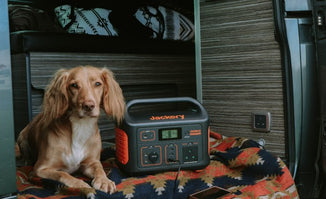
When you live in a tent for more than a few nights, power stops feeling like a luxury. It becomes part of everyday life. Phones need charging, lanterns need topping up, and some people also want to run a laptop, fan, camera batteries, or small cooking and comfort devices. That is where a Jackery Solar Generator can fit naturally into a tent living setup.
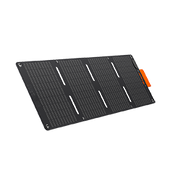
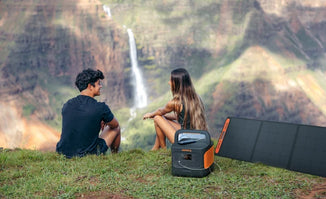
The solar generator setup as a combination of a Portable Power Station and Jackery Solar Panels, with the panels capturing sunlight and the power station storing that energy for later use. In a motorhome context, that is appealing because it gives you an off-grid charging option without making the setup feel overly technical.
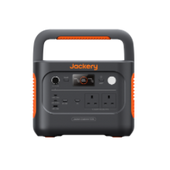
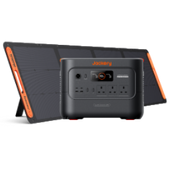
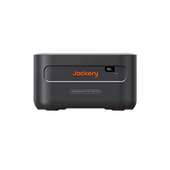
Jackery Solar Generator 1000 v2
Living in a tent in the UK requires a power source that is portable enough to move easily but robust enough to handle damp, cold, and the need for high-wattage heating or cooking. The Jackery Solar Generator 1000 v2 is widely considered the "Goldilocks" unit for UK tent living: it provides enough power for the essentials without being too heavy to carry across a muddy field.

Compact & Lightweight for Tent Life
Unlike the larger 2000 or 3000 series, the 1000 v2 is specifically designed for high mobility. It weighs just 10.8 kg and features a new fold-flat handle. This is crucial in a tent where floor space is limited; you can easily slide it under a cot or stack a storage bin on top of it when it’s not in use.
18% Smaller Footprint: The v2 is significantly more compact than its predecessor, making it much easier to fit into a backpack or a small trolley if you are walking to your campsite.
Powers the "British Essentials"
Despite its size, the 1000 v2 packs a 1500W continuous output (3000W surge). For a tent dweller in the UK, this is a game-changer:
Electric Blankets: It can run a high-quality electric blanket all night long during a cold Scottish or Welsh winter, consuming only a fraction of its 1070Wh capacity.
Small Kettles & Cooking: Most "travel" kettles (approx. 1000W) or small air fryers will run perfectly, allowing you to have a hot meal or tea without needing to light a gas stove inside a confined, flammable space.
Device Hub: With a 100W USB-C port, it can fast-charge a MacBook Pro or high-end smartphone multiple times, keeping you connected even in remote areas.
All-Weather Charging & Safety
The UK’s unpredictable weather makes fast and safe charging a priority. If you can access a wall socket (at a cafe or campsite block), the 1000 v2 can hit 80% charge in just 1 hour via "Emergency Charge Mode" in the app.
The LiFePO4 battery chemistry is thermally stable and non-flammable. This provides peace of mind when sleeping in close proximity to the unit inside a nylon or canvas tent. It is rated to discharge down to -10°C, ensuring it won't fail you during a frost.
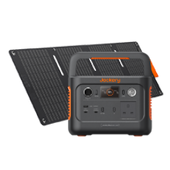
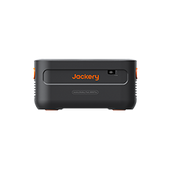
Jackery Solar Generator 500 v2
The Jackery Solar Generator 500 v2 is a total redesign of the classic 500 model, specifically engineered for ultra-lightweight portability. In the UK market, it is currently the most compact 0.5kWh power solution available, making it ideal for solo campers, weekend festivals, or light "van-life" setups where space is extremely limited.

Significant Size and Weight Reduction
The most immediate difference is how much Jackery has shrunk the unit using Cell-to-Body (CTB) technology. It weighs only 12.57 lbs/5.7kg (down from 6.4kg in the original version). It is 27% smaller than previous models in its class, measuring roughly 31.1×20.5×15.7 cm. You can easily lift it with one hand or store it in a small car boot without losing significant space.
Massive Leap in Battery Longevity
The v2 moves away from the older Lithium-ion (NMC) chemistry to LiFePO4 (LFP). This is nearly 8 times the lifespan of the original 500. It is rated to maintain 70% capacity after 6,000 full charges. 10-Year Investment: Even with daily use, the battery is designed to last over a decade.
Hyper-Fast "Flash" Charging
The original 500 was notoriously slow to charge (taking over 7 hours). The v2 slashes this time using ChargeShield 2.0:
- AC Wall Charging: Recharges from 0% to 100% in just 1.3 hours.
- Solar Input: It now supports up to 200W of solar input (doubled from the original). With a SolarSaga 200W panel, it can fully recharge in roughly 2.8 hours in optimal UK sun.
- Hybrid Charging: You can combine AC and Solar to top it up in about 1 hour.
Can You Survive in a Tent in Winter?
Yes, you can survive in a tent in winter, but it depends on preparation, equipment, weather, and location. Winter tent living is not simply summer camping with an extra blanket.
How Cold Is Too Cold for a Tent?
A tent itself does not have one fixed “too cold” temperature. The real question is whether your tent, sleeping system, clothing, and experience level are suitable for the conditions. A basic summer tent and light sleeping bag can become unsafe far sooner than a winter-rated setup.
Around 0°C and below is where many people start running into real difficulty unless they have the right gear. But “too cold” can arrive earlier if the ground is wet, the wind is strong, your clothing is damp, or you are already tired and underfed.
Do Tents Leak in Heavy Rain?
They can, but a good tent should not normally leak just because it rains hard. More often, water gets in because the tent is poorly pitched, old, damaged, badly tensioned, or no longer properly waterproofed.
Sometimes what looks like a leak is actually condensation. In winter, warm moist air from breathing, wet clothes, or cooking meets the cold tent fabric and turns into water droplets inside the shelter.
How to Deal With Cold Weather in a Tent?
The biggest step is to insulate from the ground. In winter, cold ground pulls heat from your body fast, so a proper sleeping mat or doubled-up insulation matters almost as much as the sleeping bag itself.
Next, focus on staying dry. Damp clothing, wet socks, and condensation inside the tent all make cold weather harder to handle. Several UK safety sources stress keeping dry, wearing layered clothing, and covering exposed areas such as your head and hands.
Ventilation also matters more than many people expect. It may feel natural to seal the tent completely, but poor airflow can leave the inside wet by morning.
Living in a Car vs Living in a Tent
A tent feels more like an outdoor home. You can stretch out, organise your gear more easily, and create separate spaces for sleeping, storage, and cooking. It is often the more comfortable option if you are staying in one place for a while.
A car, on the other hand, is more compact but more secure. It gives you hard walls, lockable doors, and better protection in rain, wind, and cold weather. It also lets you move easily if a location stops working. That flexibility is one of the main reasons some people prefer car living over tent living.
|
Aspect |
Living in a Car |
Living in a Tent |
|
Shelter |
Hard shell, lockable, better in wind and rain |
More exposed to weather, depends heavily on pitch and tent quality |
|
Space |
Very limited, especially for sleeping and storage |
Usually more usable living space for the money |
|
Mobility |
Easy to move whenever needed |
Less flexible once fully set up |
|
Warmth in winter |
Usually warmer than a tent, but still cold without proper bedding |
Colder, more affected by wind, damp ground, and condensation |
|
Security |
Better privacy and security with doors and locks |
Lower security, more exposed |
|
Hygiene |
Often depends on gyms, public facilities, or paid sites |
Easier if staying on a campsite with showers and toilets |
|
Setup |
Quick, especially for one-night stops |
More setup time, especially in bad weather |
|
Legality |
Usually legal only if parked safely and lawfully; local restrictions still matter |
Usually legal only on authorised land or with permission |
|
Best for |
Frequent moving, stealthier short stays, weather protection |
Longer stays in one place, more livable outdoor routine |
|
Main weakness |
Cramped, awkward for long-term daily life |
Less secure, more vulnerable to weather |
For tent living, the main recurring cost is often the pitch fee. Current UK listings on Pitchup show many tent pitches in England starting around £22 to £26 per night for two adults, although some are cheaper and some are much more expensive.
For car living, the accommodation side can sometimes be lower, but the vehicle itself keeps generating costs. The latest figure puts the average UK comprehensive car insurance premium at £711 per year, or about £59 per month. The vehicle tax rates from 1 April 2026 show a standard annual rate of £200.
|
Cost Area |
Living in a Car |
Living in a Tent |
|
Shelter / pitch |
Can be very low if using lawful free stops or a driveway, but paid overnight options vary widely |
Often around £660–£780/month at roughly £22–£26/night pitch rates |
|
Insurance |
Around £59/month on the latest average UK premium basis |
None for the tent itself unless separately insured |
|
Vehicle tax |
Around £17/month at the £200 standard annual rate for many cars |
None |
|
Showers / hygiene |
Often £25.78–£48.45/month via gym membership if not using campsites |
Often included on paid campsites, otherwise similar extra costs may apply |
|
Fuel / transport |
Ongoing and often significant |
Lower if staying put, but depends on how often you move |
|
Repairs / maintenance |
Ongoing car maintenance, MOT, tyres, breakdown risk |
Lower overall, though tents and gear still wear out |
FAQs
The following are frequently asked questions about living in a tent in the UK.
1. Can you live in a tent all year?
You can, but only if you are staying somewhere legal, safe, and suitable for year-round camping. In most of the UK, that usually means a licensed campsite or private land with permission, because camping is generally not allowed as part of normal “right to roam” access in England and Wales.
2. Will a tent survive 50 mph winds?
Some tents can, especially stronger well-pitched models, but you should not assume that an ordinary tent will handle 50 mph winds comfortably or safely. Survival depends on the tent design, condition, pitch quality, guyline tension, and how exposed the site is.
3. Can you sleep in a tent in the UK?
Yes, but only where camping is allowed. On much of open access land in England and Wales, camping is not usually included in access rights, so sleeping in a tent there without permission can still be unlawful.
4. Is it warmer in a tent than outside?
Usually, yes, but only slightly. A tent helps by blocking wind and trapping a bit of warmth, so it often feels warmer than sleeping completely out in the open. Still, tents do not generate much heat on their own, and in cold weather your insulation from the ground, sleeping bag, dry clothing, and ventilation matter far more than the tent fabric itself.
Final Thoughts
Living in a tent in the UK can work, but it is not just a matter of pitching up and hoping for the best. The most successful setups are the ones built around legality, weather awareness, and a realistic day-to-day routine. Where you stay matters just as much as what you buy, and the small details often decide whether tent living feels manageable or exhausting.
For some people, it can be a simple and flexible way to live for a period of time. For others, the costs, cold weather, and practical limitations may make it less appealing than it first seems.


