


















![[Over £1200 Tier Gift] Bluetooth Speaker with Phone Stand - shipped Separately](http://uk.jackery.com/cdn/shop/files/Portable_Bluetooth_Speaker_with_Phone_Stand_2.png?v=1781595581&width=170)
















More and more people are putting mini fridges in their bedrooms, mostly for convenience, health reasons, and late-night nibbles. But many people wonder whether it's safe, energy-efficient, or beneficial for getting a good night's sleep.
This article focuses on the pros and cons of having a small fridge in your bedroom, including noise levels, ventilation, energy use, and placement. It also discusses how power solutions like the Jackery Explorer 1000 v2 and Jackery Explorer 500 v2 can securely power mini fridges when wall outlets are hard to reach or are already in use, so you can make a smart choice.
|
Key Takeaways: |
|
Are Mini Fridges Safe in Bedrooms?
With the right safety measures, keeping a mini fridge in your bedroom is often very safe. Here is a list of things to think about:
Possible Risks
The location of the plug is the most crucial factor to consider for your own safety. Always choose a specific outlet that can handle the refrigerator's electrical load. Stay away from power strips and extension cables, and you should be safe.
Effect on the Quality of Sleep
You may want to think about this caution if you're a light sleeper. Even though they are usually silent, mini fridges have a sound that might keep you up at night. The white noise may be soothing to some, but it's something to think about before buying your own small fridge.
Airflow
Mini refrigerators need room for ventilation, just as regular refrigerators do. Even though infants often just need a few inches of space to breathe, this is crucial and may help prevent future safety issues.
Reasons Why Not to Have a Fridge in the Bedroom
Even while it could seem like a sensible and handy idea to have a tiny fridge in your bedroom, there are a few possible disadvantages that you should think about before deciding.
Our experience has shown that, apart from essentials like an alarm clock, it's usually better to keep your bedroom tech-free and clutter-free for sleeping. It may not be the greatest idea to have a refrigerator in your bedroom for the following reasons:

Levels of Noise
The noise a tiny fridge might make in your bedroom is one of its main disadvantages. These refrigerators make a low buzzing sound that might interfere with your sleep, even though they are meant to be silent.
This might be calming background sounds for some people. A refrigerator in your bedroom, however, may not be the best choice if you are noise-sensitive or want total quiet to fall asleep.
Higher Energy Use
When deciding whether to put a small refrigerator in your bedroom, consider how it would affect your electricity costs. Your monthly power bill will rise due to these refrigerators' continuous operation and energy consumption. This is something to consider if you are trying to lower the carbon impact of your house or are on a limited budget.
Space Restrictions
Due to their small size, mini refrigerators don't have much room for food or drinks. You can soon run out of room in your refrigerator if you want to keep a lot of items. Instead of constantly restocking a small fridge, you may find it easier to head to your kitchen for nutritious late-night munchies.
How to Safely Store a Mini Fridge in Your Bedroom?
If you're determined to add a small fridge to your bedroom, here are some safety precautions to take once it comes.
Proper Placement
You should always keep your small fridge apart from other belongings in your room. Keep combustible things away from the plug and outlet, and don't stack too many goods on top. These refrigerators need space to 'breathe' to avoid overheating if surrounded by too many goods.
If you're living in a camper van on the road, you may also put a compact fridge in the living space. The Jackery Explorer 1000 v2 or the Jackery Explorer 500 v2 is simple to set up and ideal for life on the road. This power source is compatible with mini-fridges, allowing you to set it up wherever you go.

Periodic Maintenance
Regular maintenance, like with any equipment, will ensure that it runs safely and soundly for many years to come. Without adequate maintenance, these devices may run their course rapidly, perhaps resulting in spoilt food and beverages. Service them on a regular basis and, if necessary, arrange repairs with a local specialist.
Away from Bed
As a general safety precaution, no apparatus should be too near to your bed. These products may overheat if they are not properly vented, posing an electrical or fire risk. The ideal approach is to take the time to rearrange items and leave plenty of space between your bed and the refrigerator.
Choosing the Ideal Mini Fridge for Your Bedroom
Before you even consider placement, choose the correct model. Three aspects are essential in a bedroom environment: silent operation, energy economy, and proper dimensions.
How Significant is Quiet Operation?
A loud appliance is the quickest way to transform your refuge into a source of annoyance. Mini fridges generate noise from their compressors, which might disturb light sleepers. Look for devices that are billed as "whisper-quiet" or "sleep-friendly" that have a decibel level of less than 40 dB.
What Steps Can I Take to Ensure Energy Efficiency?
A refrigerator in the bedroom operates continually; thus, energy consumption is important. Check the black-and-yellow EnergyGuide labels for the projected annual kilowatt-hour (kWh) usage. A lower number indicates cheaper operational expenses.
As a baseline, choose an energy-efficient model that needs less than 1 kWh per day to keep normal contents cold. This guarantees that your convenience does not come at the expense of an unexpectedly large power bill. For additional information on usage, check out our guide to how much power a small fridge needs.
What Makes Size and Ventilation Important?
Bigger does not necessarily mean better. Choose a size that meets your real demands to avoid spending on cooling empty space. A 1.7 cubic foot type is ideal for beverages and small snacks, whilst a larger 4.5 cubic foot mini fridge freezer for bedroom use is better suited for meal preparation and frozen foods.
Before purchasing, be sure to read the manufacturer's handbook to confirm the required ventilation clearance. Most units need at least 2-3 inches of open space on the sides and rear to adequately disperse heat. Make sure your chosen location can support these measurements.
How to Fill Your Bedroom's Mini Fridge?
Stocking your bedroom mini fridge is a fun and practical way to have your favourite sleep snacks and hydration beverages close at hand. Personalise its contents to reflect your preferences and create a coherent addition to your environment. Here are some suggestions to help you get the most out of your tiny fridge:
Pick the Correct Foods and Drinks
When packing your small fridge, choose foods and drinks that can be stored at lower temperatures. Consider bottled water, soda, juices like tart cherry juice for sleep, and pre-packaged snacks; they're ideal for your minibar.
If you love eating breakfast in bed, have some protein bars or fresh fruit on hand. A light food that may help you start your day or act as a quick before-bed snack.
Avoid perishable items, such as meats and dairy, to avoid deterioration and ensure food safety. If you have a tiny freezer, avoid the urge to eat ice cream before bed, since the rich, creamy treat might make it difficult to fall asleep.
Overall, avoid high-sugar foods and beverages close to bedtime, as sugar can impair sleep.
Maintain Freshness
Consider purchasing airtight containers or resealable bags to keep your products fresher for longer. This will prevent odours from spreading and your things from drying out. Also, keep your tiny fridge clean regularly to prevent germs and other contaminants from accumulating inside. A filthy fridge increases the danger of mould growth in the bedroom.

Is a Bedroom Mini Fridge Useful for Medical Conditions?
Some drugs, such as insulin, antibiotics, and eye drops, must be refrigerated at specific temperatures to remain effective. Some conditions are also more controllable if properly selected foods are kept on hand.
Individuals with medical issues that need the use of such drugs may find a mini fridge in their bedroom comfortable and useful. It ensures that prescriptions are conveniently accessed, particularly at night, and that they are kept at the proper temperature to retain their potency.
A mini fridge may also make it easier to access ice packs and reduce movements that might aggravate aches and pains. Simply have a pitcher of chilled water nearby for swallowing pills and keeping hydrated.
Having Handy Snacks for Diabetes
Diabetes is a chronic metabolic condition characterised by high blood glucose levels resulting from the body's failure to produce or utilise insulin efficiently. It may cause a variety of issues if not controlled effectively. While therapy extends beyond just eating the right foods, some snacks might help prevent dramatic spikes or drops in blood sugar levels.
A small fridge in a bedroom might be a simple way to keep these goodies on hand. Diabetics often need to closely monitor their blood sugar levels, which might require access to sugar-free and carbohydrate-free foods. Fresh fruits and vegetables, low-sugar yoghurts, and other nutritious alternatives are available.
Having these foods readily available may help maintain stable blood sugar levels and prevent unexpected spikes or drops in glucose, reducing the impact of diabetes on sleep.
Keeping Hypoglycemic Snacks Handy
Hypoglycemia is a condition in which blood sugar levels are excessively low, sometimes caused by excessive insulin or certain drugs. This illness may cause symptoms including dizziness, shakiness, and disorientation.
Snacks may help keep blood sugar levels steady and prevent unexpected drops. These foods may help people restore control and stability during periods of low blood sugar.
Having a mini fridge in the bedroom might be a convenient way to ensure rapid access to food in the event of a sudden decrease in blood sugar. This is particularly useful at night, when a trip to the kitchen may be awkward or impractical.
When packing the tiny fridge, offer healthful, low-sugar foods to help regulate blood sugar levels. Carbohydrate-rich foods may quickly raise blood sugar levels, providing relief from symptoms such as dizziness, disorientation, and shakiness associated with hypoglycemia.
Easy for Expectant or Breastfeeding Mothers
Pregnant women experiencing morning sickness or cravings may benefit from having easy access to cold water, juices, or small foods such as fruits or yoghurt via a bedroom mini fridge.
Nursing moms may utilise the refrigerator to preserve extracted breast milk for later use or to keep perishable food on hand for late-night feedings. Furthermore, drugs that need refrigeration, such as some hormone injections or supplements, may be simply placed in the bedside fridge for quick access.
Safety Tips for Having a Mini Fridge in Your Bedroom
Even if you've chosen the right mini fridge and placement, a few additional safety considerations can help prevent long-term issues and improve reliability. These tips focus on overlooked details that make a real difference in everyday bedroom use.

Electrical Safety and Power Load
Always plug your mini fridge directly into a dedicated wall socket or approved power source. Avoid extension leads and power strips, as they can overheat under continuous load. Keeping the power cable fully visible also helps you spot wear or damage early.
Fire Risk Prevention
Keep flammable items such as clothing, paper, or bedding well away from the back and sides of the fridge. Never store items on top of the unit, as this can trap heat and increase fire risk over time.
Temperature Monitoring
Check the internal temperature occasionally to ensure food, drinks, or medication are stored safely. An improperly cooled fridge may run constantly, increasing energy use and noise while shortening the appliance's lifespan.
Moisture and Condensation Control
Wipe away condensation and clean up spills promptly to prevent mould growth in the bedroom. Keeping the fridge dry and clean helps maintain air quality and avoids unwanted odours in a sleeping space.
How to Safely Power Your Mini Fridge
"Is it safe to run a mini fridge 24/7 in my bedroom?" is a frequently asked and relevant question. The answer is yes, but only if you utilise a safe and suitable power supply.
Is a Regular Wall Outlet Safe?
The safest way to power any significant appliance is to connect it straight into a designated electrical socket. The refrigerator's motor draws a large amount of power to start, and a direct connection ensures it receives consistent power.
Avoid using extension cables or power strips, since they may cause overheating and fires. Keep flammables away from the socket and outlet. Avoid stacking too many objects on top of the fridge, particularly those that might impede vents.
What Is an Alternative Power Solution?
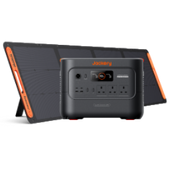
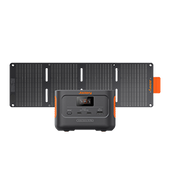
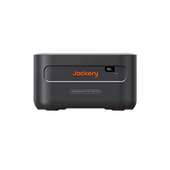
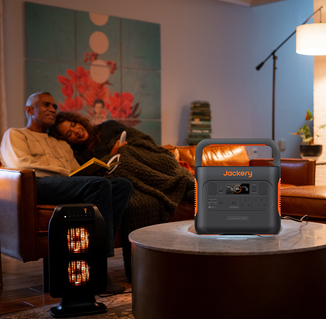
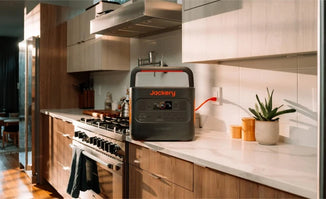
A portable power station like the Jackery Explorer 1000 v2 or the Jackery Explorer 500 v2 is the ideal power option, particularly for older houses with outdated wiring, rooms with overloaded circuits, or those who wish to place it far from an outlet.
It delivers clean, consistent, and dedicated power, reducing the hazards associated with extension cables and dubious wall outlets. This may also help minimise the impact on monthly power expenditures.

Jackery Portable Power Stations for Mini Fridges
Choosing a Jackery Portable Power Station to run a mini-fridge in a bedroom offers several key benefits, including greater flexibility, safety, and silence compared to using a traditional wall outlet or an extension cord.
You can place your mini-fridge anywhere in the room—far from a wall, in a closet, or next to your bed—without being tethered by a short power cord. Using an extension cord, especially for a continuous appliance like a fridge, is often discouraged due to trip hazards and the potential for a fire if the cord gauge is insufficient. The Jackery provides a dedicated, safe power source right next to the appliance.
The Jackery operates silently. Unlike a gas generator, which is extremely loud and produces toxic fumes, the Jackery makes virtually no noise, ensuring your sleep is not disturbed—a major benefit for a bedroom setting.
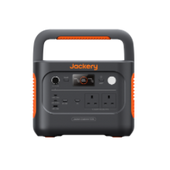
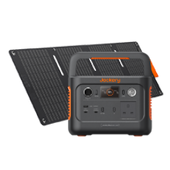
Jackery Explorer 500 v2
The Jackery Explorer 500 v2 is suitable for powering a mini fridge in a bedroom due to a combination of its power capacity, stable output, and features that make it ideal for indoor use.

500W Continuous Output and 512Wh Capacity: The power station delivers 500W of continuous output and has a 512 Watt-hour (Wh) battery capacity. Most standard mini-fridges, particularly smaller models or car/portable fridges, typically have a running wattage between 50W and 150W. The 500W output is more than enough to handle both the running wattage and the initial surge (start-up) power required by a mini-fridge's compressor (the peak surge is up to 1,000W).
Pure Sine Wave Inverter: The power station uses a pure sine wave inverter to produce clean, stable electricity. This is crucial for sensitive electronics and motorised appliances, such as a fridge compressor, ensuring they run efficiently and are protected from potential damage.
Estimated Run Time: Jackery estimates that a portable fridge (rated at 60W) will run for approximately 4.5 hours of continuous compressor operation. Because a refrigerator cycles on and off, the actual total run time will be much longer, often lasting a significant portion of a day or more, depending on the fridge's efficiency, the ambient bedroom temperature, and how often the door is opened.
Low Noise Level (Quiet Operation): The Explorer 500 v2 operates whisper-quiet at under 28 dB (at a 200-watt load). This is comparable to the sound level in a library, making it ideal for a bedroom or other quiet indoor space where a loud generator would be disruptive.
Jackery Explorer 1000 v2
Choosing the Jackery Explorer 1000 v2 to power a mini fridge in a bedroom is an excellent choice for three primary scenarios: emergency power backup, quiet, flexible power in a dorm or office, or energy efficiency and an off-grid setup. Mini fridges are motor-driven appliances that cycle on and off. The Jackery 1000 v2 provides the capacity and output needed to handle this without issue.

Reliable Runtime for Refrigeration: With 1070 Wh capacity, it has a large enough battery to sustain essential appliances. A typical mini fridge draws about 50-100W when the compressor is running. The Explorer 1000 v2 can run an average 100W mini fridge for approximately 7.6 to 8.5 hours of continuous running time (which translates to a much longer period as the fridge cycles on and off).
Capable of Handling Power Surges: Mini fridges, like all compressor-based appliances, require a momentary power spike (surge) when the compressor kicks on. The Explorer 1000 v2 provides a 1500W rated output and a 3000W surge peak. This high output ensures it can easily handle the momentary inrush current needed to start the fridge's compressor without tripping the battery or damaging the appliance.
Near-Silent Operation: The unit is designed for indoor use and operates at a library-quiet level (less than 30dB). This ensures that the noise from the power station will not disturb your sleep, work, or relaxation in the bedroom. As a battery-powered unit, it produces no exhaust fumes or toxic gases, making it completely safe to run indoors, unlike gas generators.
LiFePO4 Battery: The v2 model uses Lithium Iron Phosphate (LiFePO4) battery cells, which offer a significantly longer lifespan than standard lithium-ion batteries. It is rated for 4,000 charge cycles to 70%+ capacity, meaning it is built to last for many years of daily or intermittent use.
FAQs
The following are frequently asked questions about the mini fridges in bedrooms.
1. Where not to put a mini fridge?
You shouldn't put a tiny fridge in a small space with little air flow, right next to your bed, or near anything that might catch fire. Don't put it next to heat sources, behind curtains, or too close to walls, as this may block airflow and reduce efficiency.
2. Can I put a mini fridge in a room with carpet?
You can put a small fridge in a carpeted room, but it has to be on a flat, stable surface. Putting a sturdy board or mat below helps make things more stable, ensures there is enough airflow, and prevents heat from building up when vents are covered by thick carpet.
3. How far away should you sleep from a fridge?
As a general rule, you shouldn't have any appliances too near your bed. Leaving enough space lowers the danger of noise, heat, and electrical problems. For safety and comfort, the small fridge should be at least a few feet away from where you sleep.
4. How much room does a mini fridge need to breathe?
For effective ventilation, most micro fridges need at least 2-3 inches of open area on the sides and rear. This space lets heat spread well, prevents the appliance from overheating, and helps it function safely and efficiently over time.
Final Thoughts
A mini fridge in the bedroom may be safe and quite useful if you choose it properly and use it appropriately. You may be more comfortable without sacrificing sleep or safety by prioritising silent operation, energy efficiency, sufficient ventilation, and safe power connections. For those living in older houses, camper trailers, or rooms with few outlets, the Jackery Explorer 1000 v2 or Jackery Explorer 500 v2 is a good choice, as it provides clean, steady power for mini fridges without the need for extension cords.


