






















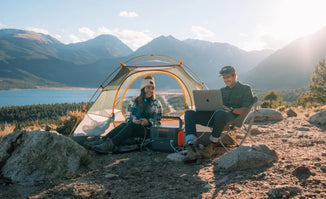


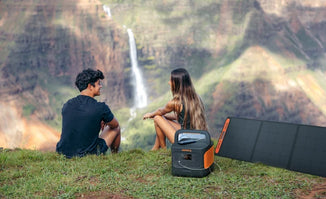


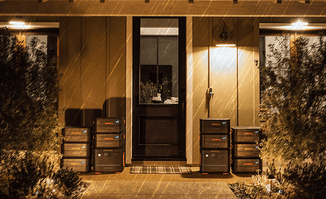
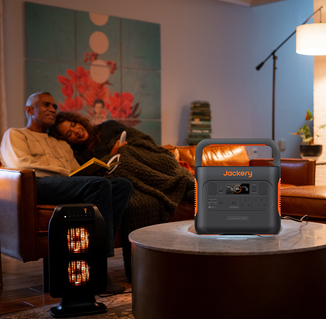




Whether you're exploring gentle hills, seaside walks, or rocky mountain routes, having the correct hiking gear is critical to a safe and fun experience. The UK's unpredictable weather necessitates planning, adaptability, and high-quality equipment. This guide covers every element of hiking gear, including water, food, and clothes, as well as navigation, shelter, and post-hike rehabilitation. By following these suggestions, you will not only improve your hiking experience, but also secure your safety, comfort, and preparedness for any obstacle that the British outdoors brings.
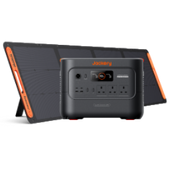
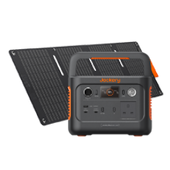
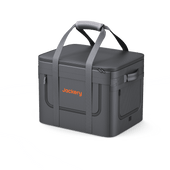
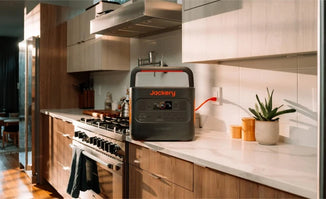
Besides, taking a Jackery Portable Power Station on a hike in the UK shifts the concept of power beyond just a small power bank.
|
Key Takeaways: |
|
Different Hiking Gear for Different Conditions
No two hikes are identical. So, as you start putting up your hiking gear buying list, keep the following in mind:

Distance and Duration
Your gear selection is heavily influenced by the length of your trip and the distance you'll be travelling. If you're going on day treks and sleeping in decent lodging at the same base each evening, all you need is a day pack with some spares and supplies, as well as a change of clothing at the hotel.
A multi-day trek, on the other hand, is more complex since you may need to pack a tent, a sleeping bag, food, cooking supplies and clothes for when the temperature lowers at night. In any event, you'll want to maintain your weight as low as possible for longer excursions.
Weather and Seasons
This is always a difficult one to assess. You do not want to be excessively hot, chilly, damp, or sweaty. You don't want to take more than you need, but you also need to be prepared for rapidly changing weather circumstances.
This is absolutely an area where you should seek advice from folks who have walked in your desired location at the same time of year as you. They should be able to assist you in developing an effective packing plan for all possible scenarios.
Terrain and Difficulty
Meandering through farms and meadows is a totally different prospect than rocky outcrops and mountain passes, thus your hiking gear requirements may vary greatly. You should ensure that your feet, in particular, are protected and comfortable (more on this in the next section), and that you have any speciality equipment required for specific challenges, such as glaciers or climbing regions.
Absolute Essentials: Must-Have Hiking Gear
Every hiker, regardless of ability or experience, should start with a firm foundation of critical hiking gear to assure their safety, comfort, and pleasure on the trail. These essential supplies, such as water, food, appropriate clothes, footwear, and basic safety equipment, prepare you for inclement weather, minor accidents, and outdoor hardships.
Investing in the appropriate basics not only improves your performance, but also gives you peace of mind, enabling you to concentrate on the adventure ahead:

1. Backpack or Hiking Pack
Unlike an everyday backpack, which puts most of the weight on your shoulders, a hiking bag uses a sophisticated internal or external frame and a heavy-duty, padded hip belt. This system transfers 80% or more of the weight from your shoulders to your hips and legs, which are far stronger and better equipped to carry a load for extended periods.
2. Water
Naturally, you will need water. Experts suggest consuming 1.6-2 liters of water each day, so bring at least a litre and a half with you. If you're in a rural place, you may want to bring some water purification pills or a filter bottle.
3. Food
Depending on how long your walk is, you should bring some food with you. A couple energy bars or trail mix are a great idea. The longer the walk, the more food you should pack.
4. Sun Protection
Other hiking requirements include sunscreen, caps, and other forms of sun protection. Remember, UV radiation is more intense at higher altitudes. To avoid burning and the danger of skin cancer, reapply sunscreen every two hours.
5. Appropriate Clothing
You will also want to dress appropriately for the event. Light, airy materials are ideal—so leave the denim at home. Remember to check the weather before leaving to determine how warm you should wear and if you'll need rain gear. Bring extra layers just in case.
6. Proper Hiking Footwear
Similarly, spend money on high-quality hiking shoes. These need to be resilient, comfy, and strong. For milder weather and easier hikes, running shoes are OK, but for rougher terrain, you'll need appropriate hiking boots. Additionally, waterproofing is a good benefit.
7. Map, Compass or GPS Device
The map and compass are considered the ultimate, non-electronic failsafe for UK hiking and mountaineering, especially in remote areas like the Scottish Highlands, the Lake District, or Snowdonia. GPS devices (including dedicated handheld units or smartphone apps like OS Maps) have revolutionized modern navigation by offering immediate, highly precise location data.
8. First Aid Kit
It's wise to keep a first aid kit on hand just in case, but hopefully you won't ever need it. Keep a few bandages and antiseptics in your bag, but don't stuff it full of medical supplies. For longer or more strenuous excursions, bring extra first aid supplies.
9. Multi-tool or Knife
A decent knife is the last piece of necessary trekking equipment. Another option is to use a multitool with a knife, such as a Leatherman. You don't need something enormous or drastic. For most hikers, a pocket knife that is both dependable and lightweight is sufficient.
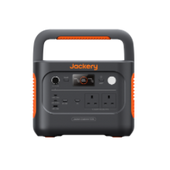
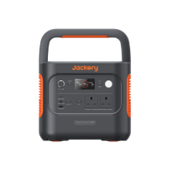
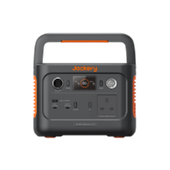
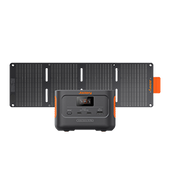
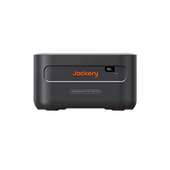
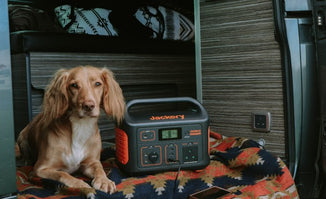
10. Portable Power: Jackery Explorer 100 Plus Power Station
In today's digital world, being connected and charged up on the trail is more than just a convenience; it's a safety need. The Jackery Explorer 100 Plus Portable Power Station is a small, lightweight, and environmentally responsible method to keep your electronics charged wherever your hiking trip takes you.
Weighing less than a kilogramme, it provides dependable power for cellphones, GPS devices, lights, and cameras. It's ideal for day walks as well as multi-day journeys, thanks to its USB-C quick charging and silent operation.

Day Hiking Essentials
Day hiking strikes the ideal combination between excitement and accessibility, providing an escape into the wilderness without the weight of overnight hiking gear. Whether you're strolling along seaside roads, over open moorland, or through woodland trails, preparation decides how pleasurable and safe your adventure will be.
Good navigation, emergency preparedness, and understanding of natural dangers all contribute to a safe and responsible day out in the countryside.
Navigation and Route Awareness
Reliable navigation is essential for every walk. Even well-marked UK paths may become unclear in low visibility or shifting terrain. A thorough Ordnance Survey map and compass remain the gold standard for orientation, supplemented by GPS or digital applications with offline maps for added convenience.
Check your bearings and landmarks on a regular basis, and keep in mind that weather and weariness may alter your perception of distance and direction. Informing someone about your route and planned return time is still one of the easiest and most effective safety practices.
Emergency Preparedness
Every hiker should include a compact, functional emergency kit. It should contain a whistle, a foil blanket, waterproof matches or lighter, a headlamp, and compact first-aid supplies like plasters and antiseptic wipes. Add a phone power bank and carry essentials like additional food, drink, and a warm layer close at hand.
These things may make a significant difference if a stroll takes longer than expected or if an injury delays your return. According to Mountain Training UK, the majority of occurrences occur at the conclusion of excursions, when trekkers are exhausted or unprepared for unexpected weather changes.
Dangers and Annoyances
With proper planning, many trekking issues may be avoided. Insects, midges, and ticks may be a nuisance, particularly in woodland or highland locations, thus insect repellent and protective clothes are useful. Blisters, dehydration, and sunburn are other common irritants; constant rest, water, and sun protection are required.
The British weather may change from sunlight to precipitation in minutes, making versatile layers essential. Above all, situational awareness — monitoring clouds, terrain, and personal energy levels — prevents little inconveniences from becoming major issues.

Backpacking Gear
When a day walk turns into an overnight adventure, gear selection becomes more smart. Backpacking combines independence and endurance, requiring efficiency, dependability, and adaptation from every piece of hiking equipment. The idea is to carry everything you need for comfort and safety while avoiding unnecessary weight.
Shelter, Sleep, and Load Management
Shelter and sleep systems are the core of trekking gear. A lightweight, weather-resistant tent or bivvy, along with an insulated sleeping bag certified for local circumstances and a sleeping mat, provides comfort and recuperation. Tents in the United Kingdom must survive rain and wind while being breathable due to the country's diverse geography, which ranges from the Lake District to the Scottish Highlands.
Pack weight should be well distributed, with heavier goods placed around your spine for improved balance on difficult terrain. The British Mountaineering Council recommends that you test your pack completely filled before your journey to avoid strain or unbalance on lengthy ascents.
Navigation and Emergency Planning
Extended routes need redundancy in navigation and self-sufficiency in emergencies. Bring a comprehensive map, compass, and digital GPS as a backup, but always be prepared to navigate without technology.
Carry enough goods to keep you comfortable if there are delays—an additional meal, a water filter system, and a small tarp or emergency shelter give flexibility.
Include repair supplies like duct tape, cordage, and needle and thread for fast repairs in the field. To prevent unpacking in adverse weather, the Ramblers UK recommends storing essential goods such as a waterproof layer, first aid kit, and food within easy reach.
Production Gear and Organisation
Production gear—the practical items that support camp life and kit maintenance—makes hiking more efficient. Cooking stoves, lightweight cookware, and modular dry bags for organising make everyday tasks easier and safer. Store gadgets and extra clothes in waterproof bags, and keep clean and dirty stuff separate to prevent dampness from spreading.
Wherever feasible, every piece of equipment should serve several functions; a scarf may double as a pillowcase, and a seat cushion can insulate your cooking setup. A brief gear check at the end of each day ensures that no things are overlooked and that your pack is light for the following morning.
Hiking Gear for Cold and Rainy Conditions
Walkers in the United Kingdom experience varied weather throughout the year, including chilly snaps in the spring, downpours in the summer, and stinging winds in the fall.
Cold-weather and heavy-rain clothing not only increases comfort, but also protects against hypothermia and tiredness. Adapting your equipment to these circumstances is critical for both safety and morale on the route.

Layering and Temperature Control
Effective layering is vital during the colder months. Begin with a moisture-wicking base layer to keep perspiration off your skin, then add an insulating fleece or synthetic midlayer for warmth. The outer layer is waterproof and windproof, forming a barrier against the elements.
Unlike cotton, synthetic and merino fabrics continue to insulate even when wet, which is critical in the UK's humid environment. Adding and removing clothes as you walk regulates body temperature and lowers the danger of overheating or cold.
Waterproofing and Moisture Management
Persistent rain is a part of British walking life, therefore every hiker need reliable waterproofing. A strong, breathable rain jacket and overtrousers should be seam-sealed and long enough to cover vulnerable regions. Gaiters keep pants and boots dry in wet conditions, while pack liners and rain coverings protect your goods.
To keep waterproof apparel performing well, the Ordnance Survey suggests reproofing it on a regular basis. Keeping your extremities dry — gloves, stockings, and hat — is frequently more important than comfort; it's essential for preserving core warmth.
Adapting To Harsh Conditions
Cold and damp weather depletes energy rapidly, thus pace, diet, and hydration must adjust. Eat and drink frequently to keep your body warm and energetic, and use insulated flasks to keep fluids from freezing. Microspikes or crampons may be required on ice pathways when temperatures drop below freezing.
Carry an emergency bivvy and dry backup gear in a zippered bag in case you need to halt unexpectedly. As Mountain Rescue England & Wales often points out, planning for the "worst-case scenario" is the greatest insurance in winter terrain.
Hiking Medical Kit and Post-Hike Recovery
Health and rehabilitation are as crucial as navigation and shelter. A well-planned medical bag lets you to treat injuries quickly and safely, while healthy post-hike routines help your body recover and prepare for future walks.
First Aid and On-Trail Care
Your trekking medical kit should be small yet functional. It should include sticky dressings, antiseptic wipes, blister care supplies, sterile gauze, and support bandages. Add any personal medicine and basic pain relievers.
When handled appropriately, these things may keep small problems like wounds or blisters from worsening into dangerous illnesses. In the case of a sprain or fall, it is vital to immobilise the limb and keep the wounded hiker warm until aid comes. Check and replenish your kit before each travel.
Post-Hike Recovery
After your stroll, concentrate on hydration and muscle rehabilitation. Drink lots of water and consume meals that are balanced in protein and carbs. Stretching or mild walking after a long walk helps to reduce stiffness and improve circulation.
To limit the risk of infection, any small wounds or blisters should be cleaned and treated very away. Proper relaxation, preferably accompanied with modest action the next day, ensures that your body adapts to the effort rather than degrades from it.
Long-Term Care and Readiness
Hikers gain over time from taking recuperation practices as seriously as they do training. Maintain foot health by rotating socks and footwear, and track joint health with supportive workouts. Update your medical kit and check expiration dates on a regular basis.
To avoid persistent damage, the NHS advises treating repeated strain or knee discomfort early on. By including this care into your hiking routine, you may assure longer, healthier seasons on the trail.
Outdoor Equipment
Having the proper outdoor equipment might be the difference between a smooth, delightful walk and a difficult battle. From backpacks and rain covers to waterproof bags and waist packs, well-chosen gear keeps you organised, covered, and prepared for all trail conditions.

Rucksacks
Choose a model with a variety of modifications, whether you want various back lengths or adjustments for your shoulders, hips, and chest. A decent merchant will teach you how to fit your backpack, but it's a good idea to bring everything you need for your walk to the store (e.g. binoculars, guides, maps, lunch) so you can test them out fully loaded. (Some businesses also sell weights that may be used for this purpose.) Even if you decide to purchase your backpack online, make sure it fits properly first.
Rain Covers
Some rucksacks have incorporated rain coverings in a little pouch at the bottom of the bag, which is ideal because since it's already connected, you won't forget to pack it! However, some companies (like as Osprey) offer rain covers separately, which clearly increases the cost.
If you're going to purchase a separate rain cover, I suggest one in a bright colour with reflective material on the back. Why? Because it is quite useful for road walking in poor light or at night, and it may be used even when it is not raining.
Waterproof Stuff Sacks
These are an excellent alternative to rain coverings. They come in a variety of sizes, some large enough to be dubbed 'rucksack liners' and others tiny enough to keep your necessities (such as electronics) safe.
Lumbar/Waist Packs
Lumbar packs, also known as waist packs, are worn around the waist with a comfortable cushioned strap similar to those used on rucksacks. (Larger versions frequently have an optional shoulder strap.) Obviously, they have less space than rucksacks (6-9 litres on average), but they may be an excellent solution for shorter hikes or 'quick and light' hikers.
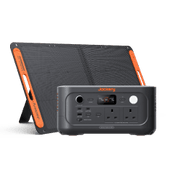
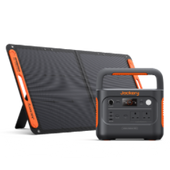
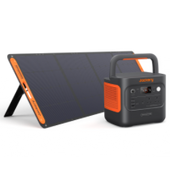
Jackery Portable Power Stations for Hiking
Taking a Jackery Portable Power Station on a hike in the UK shifts the concept of power beyond just a small power bank. It becomes a central power hub for extended trips, groups, safety, and modern comfort, especially for trekking and wild camping scenarios.
In the UK's often unpredictable weather and terrain (e.g., the Scottish Highlands, Snowdonia, or the rugged coastline), reliable power for navigation and communication is paramount. Modern navigation relies heavily on devices (phones, dedicated GPS units) which consume a lot of battery power, particularly when running apps or using high screen brightness. A Jackery ensures you can recharge these critical devices multiple times, preventing you from running out of power on an unfamiliar trail.
While small power banks handle phones, a Jackery handles the higher-demand items that improve comfort during multi-day wild camping or trekking.
Jackery Explorer 100 Plus
The Jackery Explorer 100 Plus Portable Power Station is considered an ideal piece of gear for hiking in the UK because its design perfectly aligns with the specific needs of UK hikers: portability for unpredictable weather, multi-day capacity for essential electronics, and a focus on safety and minimalism.

Ultra-Lightweight and Compact Form: The UK's varied terrain, often involving steep ascents, narrow paths, and boggy ground (especially in areas like the Peak District, the Lakes, or the Scottish Highlands), demands minimal weight.
At under 1000g (often closer to 900g or 2 lbs), the Explorer 100 Plus is designed to be easily carried inside a daypack or multi-day pack without adding noticeable bulk, making it suitable for long-distance routes like the Coast to Coast or shorter, fast-paced hill walks.
Capacity for Essential Electronics: The 99 Wh (Watt-hour) capacity is perfectly sized for critical electronics that are essential for safety and navigation in the UK outdoors. It can fully recharge a smartphone (used for GPS/mapping apps like OS Maps or Gaia GPS) multiple times (often 5-8 charges). This is non-negotiable for safety in areas with poor visibility, which is common in the UK mountains.
Flight-Friendly Capacity: For hikers traveling to the trailheads via air (e.g., flying into Scotland, Ireland, or to other parts of Europe), the 100 Wh capacity is a significant advantage. The Jackery Explorer 100 Plus is specifically designed to meet the capacity limit (usually 100 Wh) for portable chargers, allowing it to be legally and safely carried in your carry-on luggage on commercial flights.
LiFePO4 (LFP) Battery: The use of Lithium Iron Phosphate (LFP) chemistry means the battery is far more thermally stable and safer than traditional lithium-ion packs—providing peace of mind when carrying it inside a backpack alongside sensitive gear.
How to Choose the Best Hiking Gear?
If you want to become a better backpacker, keep the following tips in mind. These four suggestions will assist you in creating your own killer hiking and backpacking gear setup, ensuring success on your next overnight journey.
Tip 1: Look for Lightweight Gear
When choosing a new gear or piece of hiking equipment, always start with the weight.
The less weight you carry on the path, the more you enjoy it. You can move faster, cover more distances, are less prone to injury, and feel much better at the end of the day.
Purchase high-quality, lightweight gear, and your hiking experience will increase dramatically. Plain and straightforward.
Tip 2: Look for Durable Gear
Lightweight gear is excellent, but it won't be very useful on your hiking or backpacking trip unless it accomplishes what it's designed to do on a daily basis. Get your hands on tough hiking and backpacking gear that won't break, rip, or fail while you're out in the middle of nowhere. Nobody has time for that. To guarantee that you choose sturdy clothing, avoid anything manufactured of notoriously cheap materials or created by firms with poor reputations.
Tip 3: Look for Versatile Gear
Versatile equipment, or "jack-of-all-trades," is useful in a variety of scenarios. For example, certain back panels may be used as a seat, cushion padding, workout mat or backpack frame.
Search for items that will be useful in a variety of situations, and you'll be well on your way to putting together your ideal kit.
Tip 4: Look for Well-Reviewed Gear
So, how can you make sure your next piece of hiking gear is lightweight, sturdy, and versatile?
Of course, by going through a large number of reviews. When looking for your next device or accessory, you'll most certainly have a series of particular queries that the product description alone cannot address.
Reading through positive evaluations can frequently result in lengthy, frank, and helpful responses. Keep a watch out for phoney, fraudulent, or sponsored reviews, which are biased and unlikely to provide you the complete truth about a product. Biased evaluations are not always simple to differentiate from impartial ones, which is why it is important to browse through numerous reviews from various sources.
FAQs
The following are the frequently asked questions about the hiking gear:
1. What are the 10 essential items for hiking?
The ten things that are absolutely necessary for a day trek include items such as navigation, lighting, sun protection, a first aid kit, a repair kit and a multi-tool, an emergency shelter, additional food, additional water, a fire starter and additional clothing layers.
2. What is the 3 layer rule for hiking?
Hikers should always have three different layers of clothes with them on every walking expedition, according to the "three-layer rule," which states that this will ensure that they remain safe and comfortable. Hikers are able to adjust their clothing to the changing weather conditions by wearing a base layer, a mid layer, and an upper layer.
3. Can you lose belly fat by hiking?
Hiking is a good and effective kind of cardiovascular exercise that may assist in the burning of calories and the reduction of body fat, both of which are necessary for the exposure of abdominal muscles. Engagement of the Core: When you go hiking, particularly on terrain that is uneven, you use your core muscles in order to maintain your balance and stability.
Final Thoughts
Proper preparation changes a walk from a hardship to a gratifying experience. Choosing the correct hiking gear provides safety, efficiency, and pleasure in all conditions that the UK nature has to offer. From vital clothing layers and waterproofing to lightweight, sturdy, and flexible equipment, each piece helps to ensure a smooth ride.
Regular maintenance, post-hike rehabilitation, and knowledge of changing conditions round out your preparation. Whether you're going on your first stroll or a multi-day trip, investing in dependable gear helps you to concentrate on what really matters: enjoying the beauty, calm, and adventure of the great outdoors.


