














![[Over £1200 Tier Gift] Bluetooth Speaker with Phone Stand - shipped Separately](http://uk.jackery.com/cdn/shop/files/Portable_Bluetooth_Speaker_with_Phone_Stand_2.png?v=1781595581&width=170)












Converting a van into a camper is a wonderful endeavour that blends creativity, functionality, and exploration. Whether you choose a low-cost structure or a luxurious setup, converting your own camper allows you to customise the design to your needs.
This article addresses key concerns, including budgeting, selecting the right van size, installing insulation, handling electrical and plumbing systems, and enhancing comfort through furniture and design. It also outlines legal requirements, prices, and professional solutions, allowing you to make educated choices. By the conclusion, you'll know how to design a one-of-a-kind campervan that fulfils your travel aspirations.
|
Key Takeaways: |
|
How Hard Is It to Convert a Van To a Camper?
Nowadays, many individuals prefer to make their own camper vans rather than buy one from a professional. They are less expensive, enabling you to construct to your own specs and demands, and will be absolutely unique to you. It's also a rather rewarding endeavour if you have some free time and money.
The simple answer is: it depends. If you buy a van and put a mattress, a duvet, a fridge and a camping stove in the back, you'll have a basic campervan. It would take you around 20 minutes and would be relatively easy. You may always add more accessories over time.
Converting a van into a camper is as challenging as you want to make it. The following is a helpful list of items to consider before converting a campervan, and it should give you an idea of how complex, time-consuming, and expensive the process can be.
What You Need to Know Before Converting a Van into a Camper?
While campervans have always been popular, their popularity has grown dramatically in recent years. With more people opting for a ' staycation' in the UK as a result of the epidemic, the modest campervan has become a popular option to embark on an adventure on your own.
The only concern is the expense.
Camper vans, particularly those made by prominent manufacturers, can be pricey, even before you account for all of the extras like site fees and petrol. One approach to lowering the expense of a campervan is to build one from scratch, starting with a basic van.

Set a Budget
It's not inexpensive, but converting a campervan may save you a lot if you budget well.
Set a budget to avoid overpaying and remember that even the most affordable camper conversions can cost over £10,000.
Keep in mind that larger camper vans and more complicated adaptations, which often require metal work or welding, can quickly add up to be expensive, so be aware of your budget.
Keep in mind that campers still sell for a lot, so converting a van to a high level is likely to make you money.
Think about What You Need for Your Camper
You can build a campervan to your specifications, as you're starting from scratch. Consider how many beds you need and what kind of kitchen you want. If you're staying at campgrounds, you may not need a shower and toilet in the van, but if you're off-grid, you will.
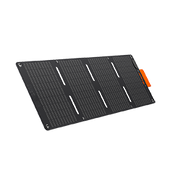
If you want to travel in the countryside without electric hook-ups, consider installing solar panels on the van's roof to ensure you always have electricity.
Pick a Size
Vans are great since they come in several sizes, allowing you to find one that meets your needs. The larger the vehicle, the more people it can accommodate, and each person requires a seat and an M1-tested seatbelt. Although side-facing chairs are permitted, forward-facing seats are more comfortable and safer.
Consider your van's additional applications. If you plan to drive it daily when you're not camping, consider a Volkswagen Transporter, which can be parked and lived in more often. A regular parking place or driveway will fit them better, so you shouldn't have to pay to store them like a larger van.
The Furniture
After all of this, you'll need a comfortable place to relax, right? You'll need to consider beds, storage, and any other features that will make your van feel like a home away from home.
Naturally, if you can do it yourself, you can construct furniture that precisely matches your van; however, if you lack the necessary equipment, numerous pre-built items can be readily fitted at home.
Reregistering The Van
Following the conversion, you'll need to consider reregistering it. When you go through the DVLA, your vehicle's classification will change from 'van' to 'camper'; you'll need to provide images to the DVLA for it to accept the classification. However, once you're done, there are some significant perks to enjoy.
For starters, camper vans often have lower insurance and MOT costs. Furthermore, most campers will be able to drive at faster speeds than the'regular' vans on which they are based, with campervans permitted to go up to 70 mph on dual carriageways, compared to 60 mph for most standard vans.
How Do You Convert a Van into a Camper?
It's time to take things carefully and follow a step-by-step task guide to ensure that everything is completed in the proper sequence. But if you do get into difficulty, don't worry; aid is always close by.
The campervan community is a helpful group. From Camping and Caravanning Club events and exhibits to camper club meetings and owner forums, you'll easily find the information you need.

Step 1: Cleaning and Stripping
The first step in any DIY campervan conversion is to remove the van's present interior and clean it thoroughly. The length of time this takes will be determined by the type of vehicle you purchased and any issues that arise along the way.
This is an excellent time to treat for dampness or mould and fix any rust spots or other damage that you notice.
However, be cautious about what you remove, as some of the interior elements may be reusable or sell for a reasonable price on an auction site.
Step 2: Ventilation and Windows
The inclusion of windows is the most visible outward difference between a campervan and a panel van. Cutting a hole in your van walls and installing windows is one of the first tasks you'll need to do.
Their position will be determined by the pattern you choose, which is why planning ahead of time is essential. Remember to triple-check your dimensions; making a mistake at this point is not an option!
While you're cutting holes in your van, consider adding skylights to allow in more light and create a feeling of spaciousness.
The next step is to build a ventilation system in the vehicle. Living and cooking in a mobile home generates a lot of heat and water vapour, which must be evacuated in some way.
Getting fresh air circulating in the van is a vital factor, whether you opt for high-end roof vents or basic window vents. Even more so if your dream vehicle has a toilet, shower or washbasin. Nobody wants a damp, mouldy vehicle after all their hard work!
Step 3: Roof
Depending on the type of your van, adding an elevating or pop-up roof is a standard option for individuals converting a basic low-roof van.
With a pop-up, it's all about flexibility, with the top safely down while travelling and then springing up when you arrive.
There are several versions on the market, but installing a high-quality roof from a German manufacturer may increase the resale value of your van.
Step 4: Heating and Insulation
It is challenging to strike the correct balance between enhancing air movement and regulating the truck's temperature. However, doing so will significantly improve your campervan experience.
Sound insulation retains heat, keeps excess heat out, and reduces condensation levels. With a competent gas heater, you should be warm and dry, regardless of the weather.
Several materials are used to insulate campervans, including standard home insulation, thick foam, and foil insulation. You attach them to the exposed metal of the van's inside using a spray adhesive or double-sided foam, followed by a vapour barrier to prevent moisture from accumulating.
Next, add some rubber matting or carpet lining for sound deadening, followed by the last plywood panel. In addition to managing the temperature, this makes the campervan more private.
Step 5: Electricity and Gas Systems
Taking up the conversion of a campervan is an exciting DIY project, but we must all be mindful of our limitations. Electricity and gas installation is a highly professional task; if done poorly, the repercussions can be severe.
Also, if you want to resell your converted camper, the value will be significantly reduced if you cannot demonstrate that the work was completed to the proper standards. If you want to go wild camping or stay at campgrounds without electricity, adding solar panels to supplement your power supply is a valuable 'extra'. However, if you install them poorly or neglect to maintain them, you may not profit fully from those solar hours.
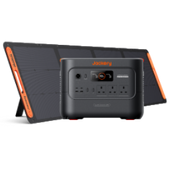
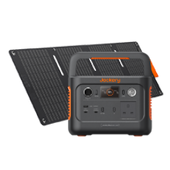
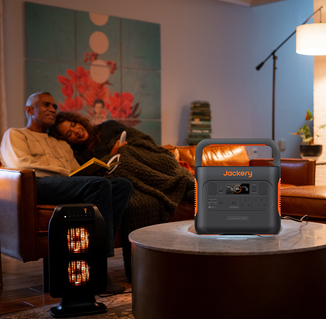
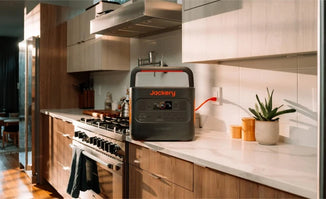
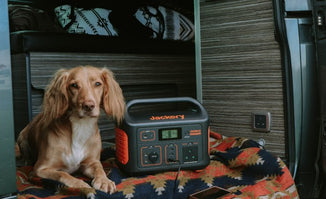
Jackery Solar Generators have become immensely popular in the camping and RV community because they solve the most significant pain points of off-grid power: noise, maintenance, and complex installation.

Step 6: Water and Plumbing
A campervan is more than simply a place to sleep; it can also be used for living, relaxing, and even working. When it comes to fundamental essentials of existence, access to fresh water must be at the top!
However, after you've used the water, you'll need a location to store the trash until you reach a disposal station. Unless you plan to install a toilet or shower in your campervan, installing a cold-water system is relatively simple.
The major alternatives are to install external moveable containers or permanent interior tanks. The majority of campervan conversions use internal tanks, which are typically housed beneath the vehicle and powered by 12-volt pumps.
Most people use an internal tank to collect wastewater. Remember that, like the pipelines, this should be readily accessible for cleaning and maintenance.
To determine the appropriate tank size for both fresh and wastewater, you must precisely assess your water demand.
Step 7: Lights
When designing your DIY campervan conversion, you must consider the interior illumination. Several lighting solutions are available for conversion. One of our favourites is to install LED strip lighting.
They are ideal for campervan conversions due to their long lifespan, efficient power usage, and ease of installation. And with so many various hues and lighting options to choose from, you'll be able to match your lighting to whatever mood you're in!
Step 8: Seating and the Bed
A campervan isn't a campervan unless it features a comfortable bed and seats. A fixed bed is ideal for two people living in a van, and there will be plenty of storage space beneath for camping supplies. Depending on the size of the van you've chosen, you may not have enough room for a permanent bed. However, don't worry, there are many clever choices available to meet all your needs.
Step 9: Kitchen
When you've sorted out the lights, water and gas, you'll want to brew yourself a cup of tea to celebrate all of your hard work. Is there anything better than putting a kettle on the stove and taking a moment to relax?
Adding a kitchen to your camper is a sure way to get that cosy feel. There are several solutions available for enjoying a home-cooked supper on the road, including stove/sink combos and tiny space-saving fridges.
Step 10: Spaces for Storage
If you want to journey for more than a few days, storage should be a priority in any DIY campervan conversion.
There are so many inventive storage hacks and ideas on the internet that there isn't enough room to cover them all here! Make advantage of the backs of doors and chairs, and don't overlook the roof.
Step 11: Interior Design and Upholstery
While considering all the various difficulties that must be addressed when converting a campervan, interior décor may not seem to be at the top of the priority list.
You'd be correct, but if you want your freshly converted camper to feel like a home away from home, investing some work into this area is definitely worthwhile - and a lot of fun!
Step 12: Set Up An Awning
Another optional item, but certainly worth considering at this point. Exploring in a campervan allows you to go out in nature, freely and at your own speed, and we wouldn't trade it for anything else. However, one disadvantage is that you sometimes need a little more room to stretch out.
Whether the weather is bad, you have additional guests overnight, or you need a safe place to keep your outdoor gear, an awning is a popular addition to campervans. It can almost double your usable area in an instant. When converting your camper, consider installing a wind-out cover on the side or top.
Jackery Solar Generators for Campers
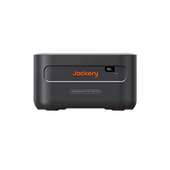
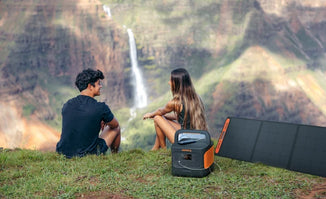
A Jackery Solar Generator is a combination of a Jackery Portable Power Station (which includes the battery and inverter) and Jackery Solar Panels.
Unlike a loud, smelly gas generator that is often prohibited during campground quiet hours, Jackery units operate virtually silently (under 40 dB). This allows campers to run lights, CPAP machines, and charge devices throughout the night without disturbing fellow campers or disrupting the natural peace.
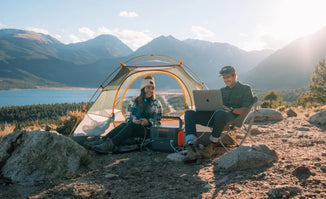
The system produces no fumes, carbon monoxide (CO), or exhaust. This is critical for safety, as it can be used inside a tent, camper, or RV without ventilation concerns, especially in adverse weather conditions. Here, we recommend the Jackery Solar Generator 3000 v2 and 2000 Plus for campers.
Jackery Solar Generator 3000 v2
The Jackery Solar Generator 3000 v2 is an appealing choice for campers and RV owners due to its combination of high power output, long-lasting battery technology, and user-friendly portability.

Massive Power Output: The generator delivers a substantial 3,600W continuous output, accompanied by an impressive 7,200W surge peak. This power capability is essential for campers, as it can reliably run almost 99% of critical household appliances and high-demand outdoor gear. The system features a large 3,072Wh capacity, capable of powering essential items like a full-sized refrigerator for over 30 hours or running a portable refrigerator for up to 21 hours.
Superior and Durable Battery Technology: The Jackery Explorer 3000 v2 Portable Power Station utilises Lithium Iron Phosphate (LiFePO4 or LFP) battery cells. This chemistry offers a significant advantage in longevity and safety compared to older battery types. It boasts an extended cycle life of over 4,000 charge cycles to 70% capacity, translating to a lifespan of up to 10 years of dependable daily use.
Portability and Compact Design: Despite its massive capacity, the Jackery 3000 v2 is optimised for travel. It is noted as the world's lightest and smallest 3kWh LFP product, being approximately 47% smaller and 43% lighter than other mainstream products in its power class. For ease of transport around a campsite or RV, it is engineered with integrated wheels and an extendable pull-rod handle, making it easy to move despite its 59.5 lbs weight.
Quiet Operation: It operates at an ultra-low noise level, featuring a dedicated Quiet Charging Mode that reduces noise to below 27 dB, making it ideal for overnight use inside an RV or while camping in noise-sensitive areas.
Jackery Solar Generator 2000 Plus
The Jackery Solar Generator 2000 Plus is an excellent choice for campers and RV owners, thanks to its high power output, expandable capacity, and quick solar recharge times. This makes it suitable for running a wider range of modern appliances than smaller units.

High-Wattage Output for Heavy-Duty Camper Appliances: The 2000 Plus is built to handle high-demand devices, which is essential for comfort in an RV or large campsite setup. It offers a 3,000W continuous output (with a 6,000W surge peak). This power level means you can run crucial appliances simultaneously, including portable air conditioners (AC units), microwaves, electric grills, coffee makers, water pumps, and standard refrigerators.
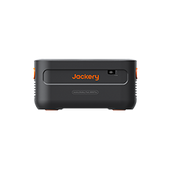
Massive Expandable Capacity (2kWh to 12kWh): The base unit provides 2,042Wh of power, but its modular design offers unmatched flexibility for longer trips or off-grid living. You can connect up to five additional battery packs to the central unit, expanding the total capacity to 12kWh.
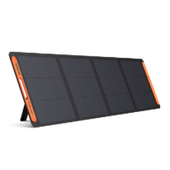
Ultra-Fast Solar Recharging: The unit supports high-wattage solar input, allowing it to be fully recharged from 0% to 100% in as little as 2 hours when connected to multiple Jackery SolarSaga 200W panels. This minimises downtime and maximises the use of sunlight. If you stop at a campground with a wall outlet, the unit can fully recharge from AC in approximately 2 hours.
LiFePO4 Battery for Long-Term Reliability: The generator utilises premium battery chemistry, ensuring a long lifespan and making it a sustainable investment. It uses a Lithium Iron Phosphate (LiFePO4) battery, which is rated for 4,000 charge cycles to 70%+ capacity. This translates to an estimated 10-year lifespan of daily use.
What Legal Requirements Must My Camper Comply With?
When converting a van into a campervan, several key elements must be considered to ensure it is both legal and roadworthy. We've produced a list below:
Can You Legally Turn a Van into a Campervan?
In the United Kingdom, converting a van into a campervan is permitted, provided it meets specific conditions outlined below. The criteria often include particular elements, such as a bed (which can be converted into chairs), storage space, and cooking amenities. The layout and form of the vehicle should be similar to those of a motorhome to ensure it is suitable for living accommodation.
What Identifies a Van as a Campervan?
The DVLA defines a 'Motor Caravan' as a vehicle that has the following permanent fixtures:
Sleeping Accommodation
There must be a bed of at least 6ft (1.8 m) in length.
The bed should be an essential component of the vehicle's living space.
It can be permanent or transformed from chairs (foldable throughout the day).
The bed fittings must be firmly fastened to the vehicle's floor or side walls, unless they are positioned above the driver's cab compartment.
Door
The car must feature a horizontal sliding door or an outward-opening back or side door.
Seats and Tables
There must be seats available for diners.
The table can be fixed or removable, but it must be permanently secured to the vehicle's floor or side walls (bolted, screwed, or welded).
The seats must be firmly fastened to the vehicle's floor or side walls using bolts, rivets, screws, or welding. The seating must be suitable for a table.
Water Container
The DVLA does not define water storage requirements; however, most insurance companies typically require an onboard or under-chassis water tank. Some insurers may accept a mobile external water container, such as those used for caravans or recreational vehicles.
The vehicle should have a water container, either onboard or exterior (for example, under the chassis).
Storage
The vehicle must include at least one cabinet, locker, or wardrobe.
This storage container should be an integrated part of the living space and securely fixed to the vehicle's floor and/or side walls using bolts, rivets, screws, or welding.
Cooking Facilities
The vehicle must have cooking amenities that use a fixed gas, electric hob or microwave oven.
These facilities must be securely fastened to the vehicle's floor or side walls using bolts, rivets, screws, or welding.
Gas and electric hobs must have at least two cooking rings. Microwave ovens require a power source to operate. For gas stations that provide remote gasoline supplies, the gas supply pipe must be firmly fixed to the vehicle's frame, as must the gas bottle or fuel reservoir.
Exterior
The car must have at least one side window.
If your vehicle merely has a pop-top or elevated roof, rather than a fixed high-top, you will be unable to reclassify it as a camper with the DVLA.

What Other Legal Requirements Do You Need to Be Aware of?
We've now covered what makes a campervan a campervan. What other legal obligations should you be aware of?
Construction and Use Rules
The Road Vehicles (Construction and Use) Regulations 1986 apply to the design, production, maintenance, construction, and operation of motor vehicles and trailers used by road transport operators and others. These standards address issues such as fixture stability, the correct installation of gas and electrical systems, and maintaining the vehicle's roadworthiness. To ensure safety, any gas installations should be performed by a qualified Gas Safe engineer.
MOT and Roadworthiness
After conversion, your campervan will still be subject to a yearly Class 4 MOT test, which it must pass to remain road legal. This test is the same as you would have on your automobile. It will confirm that any modifications, notably structural alterations, are safe and fulfil the required criteria set by the DVLA.
Weight Considerations
Be cognisant of the significance of your conversion. Campervan weight rules were changed in 2023 to improve safety for UK nationals. The new restrictions are intended to avoid mishaps, such as tipping vans and falling products, caused by vehicles exceeding their weight limitations. Exceeding the Gross Vehicle Weight (GVW) may render your car unlawful to operate. Ensure that any changes or additions, such as water tanks or large appliances, do not exceed the vehicle's permissible weight limit.
Consult your vehicle's manual and visit the local weighbridge to determine your campervan's weight restriction. This extensive guide from The Gap Decaders is quite helpful for learning more about campervan weight (and there is a lot to know!).
Parking and Use Restrictions
Local authorities may have special rules for parking campervans or utilising them as permanent dwellings. We developed an excellent article that explains all you need to know about parking your campervan in the UK.
How Much Does It Cost to Convert a Van into a Campervan?
Given that a new or used campervan may cost anywhere from £20,000 to over £100,000, selling a used car and purchasing a van to convert to a campervan could be an alternative. This requires changing the van's insulation, flooring, electrical systems, and furniture.
Depending on your preferences and DIY skills, undertaking the project yourself typically costs between £500 and £15,000. Having a professional outfit handle the task will also contribute to this. However, as compared to purchasing a campervan, you're still likely to come out ahead!
Conversion Types And Their Costs
|
Conversion Type |
Cost |
Features |
Materials |
For people looking to |
|
Budget-friendly |
£500-£3,000 |
l Adequate insulation l Simple bed setup l Basic kitchen facilities l Minimal plumbing |
Repurposed |
Stick to a tight budget |
|
Mid-tier |
£3,000-£8,000 |
l Better insulation l Comfortable l More sophisticated electronics l Upgraded kitchen facilities |
Repurposed/high-end |
Have a cost-effective solution while enjoying a bit of comfort |
|
High-end luxury |
£8,000-£15,000 |
l Quality insulation l Custom cabinetry l High-end appliances l Advanced electrical systems |
Luxury (hardwood, leather) |
Live in ultimate comfort, style and convenience in their campervan |
FAQs
The following are the frequently asked questions about converting a van into a camper:
1. Is it legal to convert a van into a camper?
Yes, it is permissible to convert a van into a campervan in the UK. Still, it must fulfil specific internal and exterior standards before the DVLA (Driver and Vehicle Licensing Agency) will officially categorise it as a motor caravan on your V5C logbook.
You are not required to reclassify it, but it is critical to have the appropriate insurance and ensure the conversion is safe and roadworthy, even if the body type remains a van. A permanent bed, fixed sitting and table, cooking and storage facilities, as well as specific exterior characteristics and secure fixture installation, are all required for categorisation.
2. What is the cost of converting a van into a camper?
Converting a van into a camper can cost anywhere from £500 to £40,000 or more, depending on the extent of the DIY versus professional conversion, the quality of materials, and the inclusion of facilities such as kitchens, water systems, or solar electricity. A modest DIY construction with necessary features can cost between £5,000 and £10,000, and high-end, fully equipped professional conversions can cost £30,000 to £45,000 or more.
3. Do I need to notify the DVLA if I install windows in my van?
If adding windows requires significant structural changes to your van, notify the DVLA. If you install windows as part of a conversion to increase the number of seats, you must inform the DVLA.
4. Is it cheaper to convert a van or buy a camper?
Converting a van is often less expensive than purchasing a ready-made campervan, particularly for a DIY conversion using second-hand parts, as it saves significantly on materials and labour expenses. However, the ultimate cost is determined by your budget, desired features, and DIY abilities; a professional conversion will cost more, whilst a simple DIY job might be highly affordable. Purchasing a pre-built camper can be more cost-effective if you find a suitable model, as it often includes many features that would otherwise require an additional cost in a conversion. However, you may forgo personalisation and face a larger initial cost.
Final Thoughts
Converting a van into a camper is more than simply a do-it-yourself job; it's about creating a lifestyle. While the process takes time, work, and preparation, the final result is an entirely customised campervan that is tailored to your travel style and budget. From defining realistic goals and understanding legal requirements to incorporating essentials such as heating, water, and storage, each stage leads to freedom on the broad road.


