

























Kayaking at sea is a means to get a close-up look at nature and is more than just a sport. Imagine taking in the sound of the waves as you glide over a rocky shoreline, the ocean stretching out in front of you. We've put up a thorough guide to help you get started with kayaking at sea. It covers the top spots in the UK, what to anticipate before you go, and even how it stacks up against other paddling activities.
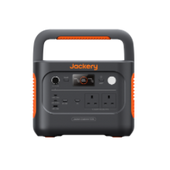
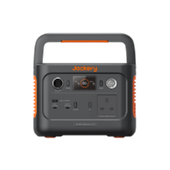
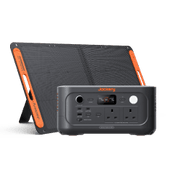
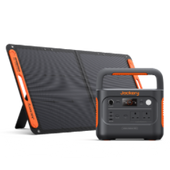
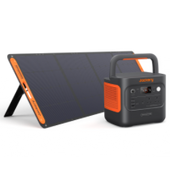
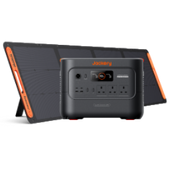
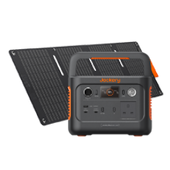
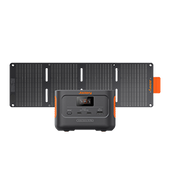
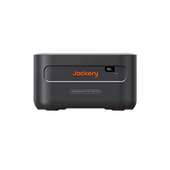
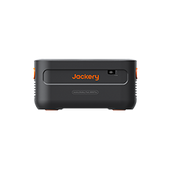
Besides, we highly recommend taking a Jackery Portable Power Station on your kayaking trip. The Jackery Explorer 500 v2 is an excellent choice for a basecamp (e.g., car camping, or an extended stay near the launch point) supporting a sea kayaking trip, rather than carrying it in the kayak itself (where you would need a more robust IP-rated waterproof battery).
|
Key Takeaways: |
|
What Is Kayaking at Sea?
Kayaking at sea is a leisure activity and sport practised in open waters such as oceans, bays, fjords, or large lakes. It typically uses hard-shell kayaks designed for long-distance travel and handling complex sea conditions. Unlike flatwater or whitewater kayaking, sea kayaking prioritises stability, directional control, and wave resistance, making it suitable for extended, long-distance exploration.
Why Is Kayaking at Sea So Popular?
Kayaking at sea is an alluring choice, whether you're seeking physical activity, a way to decompress, or the opportunity to experience a marine adventure. It takes a lot of cooperation to keep everything stable in choppy waters. Excellent toning advantages are provided by the paddling motion, which works several muscular groups, including the arms, shoulders, back, waist, legs, and belly.
Additionally, it improves your resilience by fortifying your capacity to respond to unforeseen sea conditions and your calm judgement. Additionally, you may take in a distinctive view of the island's landscape, rock faces, caverns, and coastline.

What Is the Difference between Kayaking at Sea and Other Types of Kayaking?
Kayaking at sea differs significantly from kayaking (primarily kayaking at flatwater) used on lakes and rivers. These differences mainly manifest in design, features, equipment, and manoeuvring techniques.
Design and Appearance
Kayaking at Sea: Kayaks typically have very slender hulls with tapering bow and stern lines, allowing for more efficient cutting through the water, maintaining stability in a straight line, and better handling of waves.
Kayaking at Flatwater: They are typically shorter and broader, with a more rounded hull, which provides better initial stability but compromises straight-line handling and speed.
Maneuvering Techniques
Kayaking at Sea: Paddlers must learn to exploit currents and wind direction, plan long-distance routes, master skills for maintaining balance and propulsion in waves, and cope with sudden changes in weather and deteriorating sea conditions.
Kayaking at Flatwater: These kayaks require relatively simple techniques, prioritising stability and comfort.
Storage Capacity
Kayaking at Sea: A kayak typically features sealed compartments with waterproof hatches at the front and rear of the hull, providing ample storage for camping gear, food, and drinking water, enough for days or even weeks of adventure.
Kayaking at Flatwater: These may have a single open cockpit or a small storage area, primarily used for simple picnic supplies.
Additional Equipment
Kayaking at Sea: To combat crosswinds and waves and maintain a desired course, most kayaks at sea are equipped with a stern rudder. The paddler uses pedals to control the angle of the rudder blade, allowing for fine-tuning of the rudder's direction.
Kayaking at Flatwater: These types of kayaks typically lack this feature.
|
|
Kayaking at Sea |
Kayaking at Flatwater |
|
Main Operating Environment |
Open ocean, bays, and coastlines |
Lakes, reservoirs, calm rivers, and ponds. |
|
Hull Design |
Long, narrow, and pointed |
Relatively short and wide. |
|
Stability |
Poor stability |
Excellent stability. |
|
Cabin Design |
Mainly with a closed cabin |
Primarily open-cockpit. |
|
Typical Applications |
Used for ocean exploration, long-distance travel, coastline cruising, and sea fishing |
Suitable for sightseeing, fitness, photography, fishing, and beginner fishing instruction. |
Essential Equipment You Need for Kayaking at Sea
Kayaking at sea requires greater safety measures and specialised equipment due to complex water conditions, high winds and waves, and proximity to shore. The following is a compilation of essential kayaking equipment that balances personal safety and practical needs.

Kayaking at Sea: A sit-in kayak with bulkheads and deck lines is ideal. Longer hulls (16-18 feet) offer smoother sailing and greater speed, making them suitable for extended overnight trips. Shorter hulls (14-16 feet) are lighter and better suited for day trips or short overnight stays.
Paddle: A two-bladed paddle, preferably made of carbon fibre, is recommended to reduce weight and improve paddling efficiency.
PFD (Life Jacket): Choose a model specifically designed for paddling, ensuring comfort and allowing for shoulder mobility.
Waist Skirt: In rough seas, a waterproof skirt prevents water from entering the cockpit. Skirts come in loose nylon, tight neoprene, and hybrid styles.
Wetsuits: Wetsuits are typically made of neoprene to provide warmth in cold water. Drysuits also use air insulation to keep kayakers warm and dry.
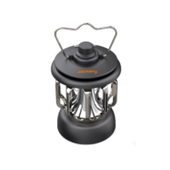
Lighting: Kayaking at sea is difficult due to the low profile of large boats, which makes them hard to spot. Therefore, having a light source (LED or headlamp) is crucial when navigating in darkness or low-light conditions.
Water and Snacks: The combination of exercise, water, and sunlight can make you thirsty quickly while kayaking at sea. Bring high-energy snacks (nuts, energy bars, rice crackers, etc.) and at least 1–2 litres of water to keep your energy up.
Dry Bag: Keep your snacks, phone, and dry clothes secure and easily accessible.
Tow Rope: A waist-belt tow rope with a quick-release mechanism makes it easy to tow other boats or to disconnect in an emergency.
Portable Power Supply: A portable power supply (such as the Jackery Explorer 500) can provide instant power for lighting or navigation equipment when out at sea.
Safety Items: Whistle, bilge pump, paddle float, first-aid kit, GPS device, area map, and satellite phone.
|
Essential Equipment List for Kayaking at Sea |
|
|
Kayaking at Sea Paddle PFD (Life Jacket) Waist Skirt Wetsuits LED or Headlamp Water and High-Energy Snacks Dry Bag Tow Rope |
Portable Power Supply (such as the Jackery Explorer 500) Whistle Bilge Pump Paddle Float First Aid Kit GPS Device Area Map Satellite Phone |
The list above is basic equipment for sea kayaking for your quick reference.
Jackery: Your Kayaking Trip Companion
A reliable power supply is crucial for kayaking at sea, especially on multi-day trips or wilderness adventures. Your power needs primarily focus on charging satellite phones, GPS devices, lighting, and other equipment, and Jackery Portable Power Stations are well-suited to these needs.
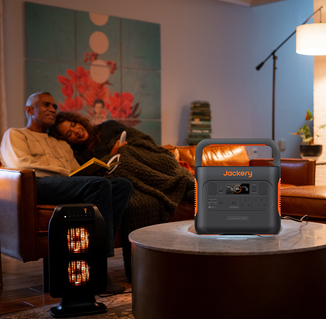
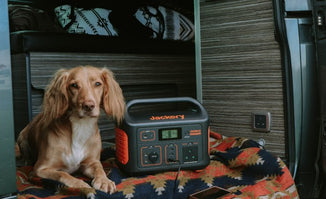
The Jackery Explorer 500 v2 is an excellent choice for a basecamp (e.g., car camping, or an extended stay near the launch point) supporting a sea kayaking trip, rather than carrying it in the kayak itself (where you would need a more robust IP-rated waterproof battery).
Jackery Explorer 500 v2 Portable Power Station
Here are the key reasons and features that make the Jackery Explorer 500 v2 suitable for supporting your UK sea kayaking adventure. The choice is driven by its modern battery technology, temperature-swing durability, and capacity, all of which are crucial for UK coastal environments.

Robust, Long-Lasting LiFePO4 Battery
The v2 uses a LiFePO4 (LFP) battery, rated for 6,000 charge cycles to 70%+ capacity. This means it will last for years of rugged outdoor use, giving you a much better return on investment than older lithium-ion models. LiFePO4 cells are inherently more stable and safer, offering a significant advantage when powering equipment in a vehicle near potentially flammable camping gear or electronics.
Performance in UK Weather Extremes
It is engineered to operate in a wide temperature range, including discharge down to -20°C. The UK coast can get very cold, especially early in the season or overnight; this ensures reliable power when other batteries might fail. Its advanced internal systems and pure sine wave output provide stable power for sensitive electronics, protecting expensive marine navigation gear, cameras, and drones from voltage spikes and power fluctuations.
Excellent Power-to-Weight/Size Ratio
Weighing only 12.57 lbs (5.7 kg) and being one of the lightest 500Wh units, it's easy to carry from your vehicle to a tent, coastal shelter, or into a dry bag for short portages. The new, slim design makes it easy to stow securely in a car boot or a basecamp storage box, maximising space for your kayaking gear.
|
Feature |
Details |
|
512Wh Capacity & 500W Output |
Provides enough juice for a weekend or more of charging essentials like phones, waterproof headlamps, and VHF radio batteries. |
|
100W USB-C Port |
Quickly powers the large batteries of modern laptops or tablets used for navigation and route planning back at the basecamp. |
|
12V Car Port Output |
Ideal for running or charging 12V accessories, such as a small bilge pump, a portable air compressor for inflatable kayaks/mats, or low-power navigation lights on a more extended trip. |
|
Solar Priority Charging |
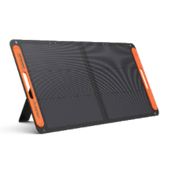
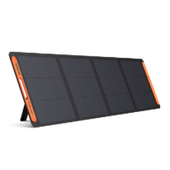
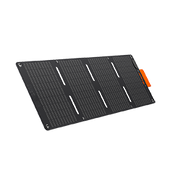
When paired with a Jackery SolarSaga panel, the unit can smartly prioritise solar input over AC, allowing you to top up power efficiently during the day while you are out on the water. |
|
Built-in LED Light |
Features dim, bright, and SOS modes, making it a useful emergency light source for setting up gear in the dark or signalling in an urgent basecamp situation. |
The Best Places to Go Kayaking at Sea in the UK
One way to explore the outdoors is by kayak. These are a few of the top sea kayaking locations in the UK. You may immerse yourself in the beauties of nature with every paddle at each kayaking site, which promises an exciting trip with distinctive landscapes, species, and conditions.

Isle of Wight
Difficulty: Beginner
Launch Location: Freshwater Bay
The Isle of Wight, which is situated on the English Channel, has gentle waves and quiet waters that are ideal for novices. There are numerous well-known kayaking routes suitable for both recreational and instructional kayaking.
Northumberland Coast
Difficulty: Beginner to Intermediate
Launch Location: Beadnell Bay and Bamburgh Castle Beach
With its pristine beaches, imposing castles, and the chance to explore the Farne Islands, the Northumberland coastline is a kayaking at sea haven. While the open coastline presents an exhilarating challenge for seasoned kayakers, its protected bays provide a secure haven for novices.
Anglesey
Difficulty: Beginner to Advanced
Launch Location: Menai Bridge
Anglesey, situated deep in the Irish Sea, has a varied shoreline that includes both the open Irish Sea coast and the protected waters of the Menai Strait. Kayakers of all skill levels can enjoy the many clearly signposted routes and protected bays.
Pembrokeshire
Difficulty: Beginner to Advanced
Launch Location: Lower Fishguard or Whitesands Bay
Pembrokeshire is an ideal place for kayaking, thanks to its rocky cliffs and excellent sandy beaches. There is something for everyone, thanks to the variety of conditions, ranging from serene bay waters to exhilarating surf. Explore the seashore to find seabird colonies, playful seals, and secret caverns.
Lizard Peninsula
Difficulty: Intermediate to Advanced
Launch Location: Start from Mullion Cove or Kynance Cove
With its rocky coastline, crystal-clear waters, and diverse currents, this southernmost point of England is a well-liked location for kayaking at sea. It is best suited for intermediate and seasoned paddlers; nevertheless, because of its broad shoreline and high gusts, it might provide difficulties.
Isle of Skye
Difficulty: Intermediate to Advanced
Launch Location: Portree Harbour and Elgol Beach
One of the best places in the UK to go kayaking at sea is the Isle of Skye in Scotland. For kayakers, its rocky shoreline, sea caves, towering cliffs, and plethora of marine life (including seals) provide a demanding and breathtaking experience. Because of the harsh sea conditions, it is better suited for more seasoned kayakers.
How Do You Take Your Kayak to the Sea?
Now that you've prepared almost everything you need for your kayaking trip, how do you get your kayak out to sea? Getting your kayak out to sea involves two main steps: transporting it and launching it.
Kayaking at Sea Transport
Driving your kayak is the most common way to transport your kayak. Using a roof rack to secure your kayak is the most common method. Here are some tips for transporting your kayak in a car:
Make sure your kayak doesn't extend too far from the front or rear of your vehicle. Otherwise, you may not be legally permitted to transport your kayak in this manner. Check your area's restrictions or consult a local kayak shop.
Using lifting accessories makes it easier for one person to lift the kayak onto and off the vehicle without damaging any parts.
Secure your kayak with a dedicated stand or straps. For long-distance transport, it's recommended to check the straps' tightness every few miles.
Kayaking at Sea Launch
After successfully transporting your kayak, head to a legal and safe launching location. The ideal location should be a gently sloping sandy or gravel beach, preferably away from surf zones, swimming areas, and waterways. Then, follow these steps to launch your kayak:
Step 1: Assemble the paddle, install the deck, secure the waterproof compartment, and place the necessary items inside and seal it at the shore.
Step 2: Use a kayak carrying strap to reduce the burden when transporting the kayak to the water's edge. Avoid dragging the kayak to prevent wear on the bottom.
Step 3: Push the kayak into shallow water, maintaining balance throughout.
Basic Paddling Techniques for Kayaking at Sea
Once you're kayaking at sea, make sure you're comfortable and in a good position, as you'll be maintaining this position for a while. Next, you'll need to master the basic paddling techniques for kayaking at sea:

Technique 1: Forward Stroke
The forward stroke provides smooth, efficient kayak propulsion and is the foundation of all paddling techniques. Hold the paddle slightly wider than your shoulders, with the blade perpendicular to the water and your knuckles aligned with the tip.
Keep your hands relaxed. Enter the paddle vertically into the water from the front of the boat. Using your torso's rotation, pull the paddle back along the ship, keeping it close to the hull. When the paddle reaches behind your hips, quickly lift it out of the water. Smoothly switch the paddle to the other side and repeat.
Technique 2: Sweep
The sweep is used for large turns or slow-speed manoeuvring, especially for adjusting course in wind and waves. The paddle blade creates a wide arc outside the boat, starting at the bow and moving aft to the stern. Or, the paddle blade arcs inward, moving from the stern to the bow.
Technique 3: Edge Control
This technique uses the hull to tilt, altering the buoyancy distribution, enhancing steering response, and improving manoeuvrability in waves. Use your knees and foot pedals to apply pressure to tilt the kayak slightly to one side. For example, when turning left, apply pressure with your right knee to tilt the kayak to the right.
Technique 4: Support
Prevent capsizing by using the support force between the paddle and the water surface when the kayak tilts or encounters swells.
High Support: When the kayak is tilting significantly, and there is a risk of capsizing, place the paddle horizontally over your body, with the blade flat against the water. Use your hands to push down on the paddle, using the water's reaction force to lift your body and regain balance.
Low Support: When slightly off balance, hold the paddle close to the water, bend your elbows slightly, and apply light pressure to the blade to provide lateral support.
Is Kayaking at Sea Safe?
Like any adventure sport, kayaking at sea carries risks. Winds, waves, tides, and currents fluctuate rapidly, and sudden strong winds or swells can easily cause a kayak to lose control or capsize. Communication signals at sea can be spotty, making it difficult to call for help if you fall overboard.
Furthermore, the lack of essential safety equipment, such as a life jacket, locator beacon, and spare paddle, can significantly reduce your chances of survival. However, there are many ways to mitigate the risks. Here are some tips to ensure a safer kayaking at sea trip:

Tip 1: Always Monitor Weather and Water Conditions
Kayaking at sea, like any adventure trip, isn't something you can do on a whim. It requires preparation. This includes checking weather conditions, tide and wave reports, and choosing the correct location and time.
Tip 2: Seek Professional Instruction
If you're hesitant to spend time paddling on the river before heading out to sea but still want to master the skills, consider taking a professional course. Kayaking at sea courses will teach you basic paddling techniques and the proper use of equipment.
Tip 3: Go with a Group
Always go kayaking at sea with at least one friend, regardless of your degree of skill. A teammate will not only make the game more enjoyable, but you will also be able to exchange advice and offer assistance in the event of unforeseen circumstances or bad weather.
Tip 4: Prepare an Emergency Plan
Before you go, make sure to let your loved ones know your itinerary and anticipated return time. This will notify them if you're in danger and require help or rescue. If you get into difficulties, you can be located by carrying a tracking-enabled phone or a personal location beacon.
FAQs
The following are the frequently asked questions about kayaking at sea:
1. Can I kayak in the sea in the UK?
Generally, you can kayak in UK waters without a license. However, this doesn't mean you can kayak in any area. For your safety and others', there are restricted and dangerous areas (usually marked by yellow buoys) where entry is prohibited. These areas include shipping channels, commercial docks, waste-disposal areas, and military areas used for waste disposal or as shooting ranges.
Other prohibited areas include nuclear power plants, nature reserves, and privately owned areas such as private beaches, fish farms, and oyster beds. To determine whether you can kayak at a specific location, check the latest maps and notices.
2. Is kayaking at sea hard for beginners?
Kayaking at sea can be challenging for beginners, but it's not insurmountable. Kayaking is not challenging for beginners if they master proper paddling technique, have the right equipment, and attempt it in protected bays or near the shore. On the other hand, venturing into unfamiliar waters unprepared and overconfident can be dangerous, even for experienced kayakers.
3. What basic skills should I learn before starting kayaking at sea?
As a beginner, you need to learn basic paddling techniques, tide and current knowledge, navigation, and self-rescue procedures. It's best to take a professional kayaking course and seek guidance from a professional.
4. Do sea kayaks flip easily?
Kayaking capsizes can occur for many reasons, including loss of balance, improper paddling technique, or unexpected waves. Therefore, kayaking capsizes are specific to specific situations and impacts, and preparation is crucial for an effective response. For example, keeping your head straight, your body relaxed, and maintaining balance are critical to preventing your kayak from flipping over.
Final Thoughts
An exciting alternative to kayaking on calm rivers, sea kayaking seamlessly combines endurance, balance, and pure joy. Kayaking at sea places a higher priority on stability, directional control, and the capacity to endure severe gusts and waves than flatwater or whitewater kayaking. As a result, make sure you are fully prepared before leaving.
A GPS unit, wetsuit, dry bag, and PFD (personal flotation device, or life jacket) are all necessary pieces of kayaking gear. With its long range, several power options, and portability, the Jackery Explorer 500 v2 is an essential green power partner for any maritime expedition.


