






























![[Over £1200 Tier Gift] Bluetooth Speaker with Phone Stand - shipped Separately](http://uk.jackery.com/cdn/shop/files/Portable_Bluetooth_Speaker_with_Phone_Stand_2.png?v=1781595581&width=170)


















As temperatures drop around the UK, many animal enthusiasts make it their top responsibility to keep community cats safe. The best way to keep neighbourhood strays dry and safe from hypothermia in winter is to provide them with a robust outdoor cat shelter.
However, the best shelters generally require consistent warmth, which can be difficult to maintain in remote garden areas. With a Jackery Portable Power Station, you can easily run electric heating pads and prevent water bowls from freezing. This guide explains everything from selecting to constructing an outdoor cat house for winter, ensuring every cat has a warm, secure place to sleep.
|
Key Takeaways: |
|
Why an Outdoor Cat House for Winter Matters?
When temperatures drop across the UK, outdoor cats want more than simply a dry place to cuddle up. They need an area that is well-insulated, resistant to dampness, and wind and snowproof. Whether you're caring for a wild cat colony or want to keep your outdoor pet safe, selecting the right outdoor cat house for winter is critical to their well-being.
Feral and outdoor cats confront significant obstacles in cold weather. Hypothermia and frostbite are big worries, especially when it's wet or windy. A well-made outdoor cat housing for winter helps cats stay warm and dry, which may be the difference between living and suffering all season. The only approach to keep these creatures safe from the severe British weather is to provide them with a safe, weatherproof place to stay.
Types of Outdoor Cat Houses for Winter
With over a million stray and feral cats across the UK, an increasing number of cat enthusiasts are establishing outdoor sanctuaries for both local strays and feral colonies. There are several advantages to owning an outdoor cat house for winter. These benefits include:
Outdoor cat houses for winter offer several crucial benefits: shielding cats from cold, wet weather; providing protection during summer heat; serving as a safe fallback for pets without a cat flap; and helping stray cats retain warmth and conserve energy.

Types of Shelters for Winter Protection
When looking for a waterproof outdoor cat house for winter, you will find several options ranging from DIY projects to professional-grade structures. Popular choices include:
Storage Bin Shelter: A simple and efficient DIY method uses plastic storage bins. Nest a smaller bin inside a larger one with insulation between the two to create a highly effective outdoor cat house for winter.
Fish Box Shelter: Commonly used by rescue groups, these are made from thick polystyrene (Styrofoam). They are naturally waterproof and provide incredible insulation. Because they are lightweight, they usually need to be weighted down to remain stable during UK winter storms.
Pre-made Professional Shelter: For those who prefer a ready-to-use solution, there are various specialised designs, such as tubular shelters or wooden cabins. These are often engineered specifically as waterproof outdoor cat houses for winter, featuring elevated floors to keep the interior dry.
Why Size Matters With Cat Shelters?
To keep the inside warm, a shelter must retain the cats' body heat. If the shelter is too large, the cats' bodies will struggle to generate enough warmth to fill the space. A compact cat house is more effective because it traps heat close to the cat's body.
Ideally, the shelter should be large enough for the cat to turn around comfortably but small enough to maintain a cosy internal temperature. When choosing your outdoor cat houses for winter, remember that "bigger is not always better" if you want to ensure the occupants stay truly warm during a frost.
Tips to Maximise Your Winter Cat Shelter
Because many outdoor cat houses for winter are lightweight and can shift in strong winds, stabilise them with bricks or heavy boards. Stability prevents the structure from tilting and trapping cats inside.
If your shelter will be exposed to the elements, place a piece of plywood over the top and a slanted piece of wood over the entryway. Another option is to create a custom weatherproof awning using plastic or durable tape. It is critical to do all you can to keep moisture out of the interior. Placing the home on a wooden pallet helps keep it off the cold ground and away from dampness.
Strategic Placement and Bedding
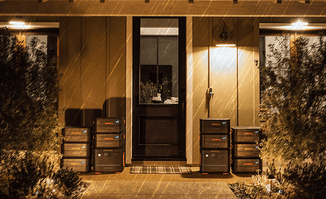
If you're going to place the shelter near a building or on a porch, position the entrance hole towards the structure's wall rather than facing outward towards the weather. If you have many shelters in one location, face the entrance holes towards each other and install a board on top to create a protected walkway.
Straw is an excellent material for filling the interior of an outdoor cat house for winter, as it repels moisture much better than cloth. You may also use fleece or imitation sheepskin, but avoid cotton textiles like towels and sheets, as they can get damp and freeze, leaving the shelter frigid. For extra warmth, you may use Mylar emergency blankets placed beneath the fleece. Always check the interior often to ensure it remains dry.
Advanced Comfort and Safety
Create a heated sanctuary with an animal-safe electric heating pad, such as a low-watt heated pet bed. Consider heated pet bowls to prevent food and water from freezing, ensuring cats stay hydrated through the winter.

Is an Outdoor Heated Cat House or Pad Worth It?
In the UK, where winter temperatures frequently drop below 5°C and dampness is a constant issue, an outdoor heated cat house or pad is widely considered a life-saving investment for outdoor, stray, or feral cats.
Although cats have thick coats, they struggle to regulate temperature when wet or exposed to extreme cold. Supplemental heat benefits older cats with arthritis and helps prevent hypothermia and frostbite on extremities, such as ears and paws.
Modern outdoor-specific models feature chew-resistant steel-wrapped cords and are designed to reach a cat's natural body temperature (38°C to 39°C) rather than becoming hot to the touch like human pads.
They are extremely cheap to run. Based on current UK energy price caps, a typical 15W pad costs approximately 1p per hour to run continuously. Or you can use a portable power station outdoors, like Jackery Explorer 500 v2 or 1000 v2, to safely, conveniently and easily power the heated cat winter gear.
|
Heated Cat Winter Gear |
Typical Wattage |
|
Small Heating Pad |
12-15W |
|
Large/Multi-Cat Pad |
20-44W |
|
Heated Cat House |
20W – 55W |
|
Self-Warming Mat |
0W (Passive) |
Powering Your Heated Outdoor Cat House for Winter with Jackery
An electric heating pad is highly effective for providing optimal warmth. Many UK gardens lack conveniently placed outdoor power sockets, making a Jackery Portable Power Station a practical tool for cat carers. By using a reliable power source, it is possible to convert a standard shelter into a heated outdoor cat house for winter, without needing extension leads in wet areas.
Choosing a Jackery Portable Power Station for an outdoor cat house is a popular option because it provides clean, silent, and safe energy without the noise or fumes of a gas generator. Since heated cat beds and houses typically draw low wattage (often 20W to 60W), these power stations can keep a cat warm for several hours or even through the night.
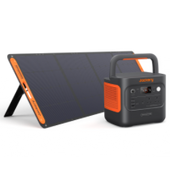
Jackery Explorer 1000 v2
The Jackery Explorer 1000 v2 is exceptionally suited for powering outdoor winter cat houses and other electric winter gear because it balances high energy capacity with specialised cold-weather safety features. While smaller units might struggle with the continuous draw of heating elements or fail in freezing temperatures, the v2 is designed specifically for these challenging environments.

Reliable Cold-Weather Performance
Winter gear is often needed in temperatures where standard lithium batteries fail. The Explorer 1000 v2 is rated to discharge power in temperatures as low as -10°C (14°F). This ensures your cat's heating pad stays active even during a hard frost. Unlike older battery chemistries that rapidly lose efficiency in the cold, the LiFePO4 (LFP) cells in this model provide more stable power delivery and are far safer against overheating when running heating elements for hours on end.
Massive Runtime for Heating Gear
Heating pads and houses use a continuous flow of power. The Explorer 1000 v2's 1070Wh capacity offers significant endurance.
|
Heated Gear |
Wattage |
Running Time |
|
Heated Cat Pad |
15W |
60.6 Hrs |
|
Outdoor Cat House |
25W |
36.4 Hrs |
|
Electric Blanket |
100W |
9.1 Hrs |
|
Small Space Heater |
500W |
1.8 Hrs |
(*The running time is only for reference)
Safety for Sensitive Heating Elements
Many outdoor cat houses use low-voltage or sensitive heating controllers that require "clean" electricity. The Pure Sine Wave Inverter provides electricity identical to your home's wall outlet. This prevents the "buzzing" or technical failure often seen when using cheap power banks with heating coils. With 62 layers of protection, it can safely handle the "surge" of multiple heating devices being plugged in at once without tripping a fuse.
Smart App Control for Winter Monitoring
You don't need to go out into the cold to check if the cat's heater is still running. You can use the Jackery App to check the remaining battery percentage and real-time power draw from the comfort of your warm house. At less than 30dB in quiet mode, it won't scare off feral or nervous cats who are using the shelter.
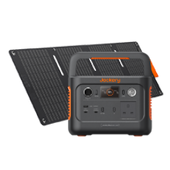
Jackery Explorer 500 v2
The Jackery Explorer 500 v2 is an excellent choice for powering winter gear like heated cat houses because it combines high-capacity storage with advanced battery safety and extreme temperature resistance. While smaller units might struggle to last through a long, freezing night, the 500 v2's 512Wh capacity provides a significant buffer for heating elements that draw consistent power.

Built for Freezing Weather
Most power stations lose efficiency in the cold. The 500 v2 features a specialised LiFePO₄ battery with a ceramic membrane that ensures stable power flow even at -4°F (-20°C), making it reliable for harsh winter outdoor use. Rated for 6,000 charge cycles, meaning it can last for roughly 10-30 years of regular winter use.
Long-Lasting Warmth
A typical heated cat pad draws about 20-40W. The 512Wh capacity can power a 25W pad for approximately 17+ hours, easily covering a full night and into the next day on a single charge. Features two AC outlets (500W continuous / 1000W surge), allowing you to run a heated house and a second winter device, like a heated water bowl or a small emergency light.
|
Heated Gear |
Wattage |
Running Time |
|
Heated Cat Pad |
15W |
29 Hrs |
|
Outdoor Cat House |
25W |
17.4 Hrs |
|
Electric Blanket |
100W |
4.3 Hrs |
|
Small Space Heater |
500W |
52 Min |
(*The running time is only for reference)
Silent & Stress-Free for Pets
Operates at a whisper-quiet 28 dB (similar to a quiet library). It won't scare away feral cats or disturb your pets while they sleep. It includes a 10ms UPS mode and a Battery Management System (BMS) that protects against over-voltage and short circuits - critical for gear that stays plugged in unattended.
Fast "Storm-Ready" Recharging
If a winter storm is approaching, you can recharge the unit from 0 to 80% in just 52 minutes via a wall outlet, ensuring the cat house stays heated even during frequent power flickers.
How to Build an Outdoor Cat House for Winter?
Even though cats are hardy, having an outdoor cat house for winter where they can sleep, rest, and stay protected makes living outside significantly more pleasant. Building your own shelter is inexpensive, simple, and your feline pals will certainly appreciate the effort!
|
What You'll Need |
|
A large plastic tub (approximately 30 gallons) A smaller plastic tub (approximately 20 gallons) Box cutter or heavy-duty craft knife Straw (essential: do not use hay) Permanent marker Scissors Hair dryer (to soften plastic for easier cutting) A thin block of polystyrene or a Styrofoam cooler Plastic flowerpot (Choose one that doesn't taper too much, as this forms the entrance tunnel) |
To create a durable and warm outdoor cat house for winter, take the following steps:
Step 1: Mark and Cut the Entryway
Start by preparing your internal insulation. If using a Styrofoam cooler, turn it on its side and mark a 6-inch-wide circular opening. The entry hole should be positioned 1-2 inches below the lid line at one end of the cooler's long side. For a safer outdoor cat house for winter in areas where predators are a concern, we recommend cutting two entry holes to provide an escape route.
Step 2: Seal the Insulation
Once your holes are cut and the interior is lined with a layer of straw, seal the lid of the internal cooler or tub with Liquid Nails adhesive. This ensures the heat remains trapped inside and prevents the lid from being displaced by wind or movement.
Step 3: Weatherproof the Exterior
To protect the structure from the British rain and snow, wrap the entire shelter in heavy-duty black plastic (like a thick rubbish bag) as if you were wrapping a gift. Carefully tape all seams with high-quality waterproof tape to keep your outdoor cat house for winter bone-dry.
Step 4: Finish the Entrance
After wrapping, feel for the door hole through the plastic and cut the material in a "pie" shape (cross-cuts). Fold the flaps inward and tape them securely around the entrance. This prevents the plastic from snagging and creates a smooth, finished edge for the cats to enter their new outdoor cat house for winter.

How To Place an Outdoor Cat House?
Knowing where and how to install an outside sanctuary is just as crucial as choosing the proper one. Take a look at our simple guidance on where to place an outdoor cat house for winter to ensure it provides the best possible protection.
Ensure The Shelter Is Raised
One approach to keep cats warm in an outdoor cat house for winter is to raise it off the ground. This protects the base from getting wet during heavy UK rain and deters curious neighbouring dogs. We propose raising the cat housing at least six inches from the ground using bricks or wooden pallets. Alternatively, you may purchase a pre-built model that is already elevated.
Stay Away From Open Areas
Cats may be curious, but they are also naturally wary and avoid open, exposed places. If you wish to offer a safe environment for wild cats, install your outdoor cat house for winter in a shady or partly shaded region where they feel hidden and secure.
Place It In The Sunlight
If feasible, try to locate the cat's housing in a sunny spot. This natural solar gain will provide your cat or a local stray with a warm, comfortable environment throughout the day. Setting up the shelter against a brick wall will also provide an additional layer of insulation and stability on very cold days.
Ensure The Housing Is At Least Partly Covered
Place your outdoor cat house for winter in a partly enclosed area, such as under a lean-to or porch. This helps keep the structure dry, shields it from the biting wind, and hides the occupants from potential predators or pests.
Position Near a Building Vent
If you are placing the shelter in an outbuilding, attic, or basement, try to position it near a vent. This can help heat the shelter's exterior walls and provide an additional layer of warmth. Depending on how the temperature swings, you may want to use a thermometer to ensure you are providing feral cats with adequate protection.
Think About Self-Heating Pads
It is usually a good idea to add some more heat, particularly when the British weather is quite chilly. Self-heating pads are highly effective in an outdoor cat house during winter, as they reflect the cat's own warmth back at the cat. With these, you don't have to worry about electrical outlets or fire concerns.
Use Straw For Insulation
Putting down a thick layer of straw is an inexpensive and effective technique to keep heat inside the shelter. It is vital to avoid using hay, as it can develop mould when moist. While regular towels or blankets can be used, they often retain moisture and freeze; if you use them, be sure to wash them regularly and check for dampness to keep your outdoor cat house safe for winter.

What to Put in Your Outdoor Cat House for Winter?
To ensure your feline guests stay warm, you must choose the right bedding for your outdoor cat house for winter. Straw is widely considered the best option as it enables cats to burrow and creates pockets of warm air. Alternatively, pillowcases filled loosely with packing peanuts or shredded newspaper can also be effective insulators.
It is vital to keep everything clean. You should check the shelter periodically to replace any wet or soiled straw or newspaper. If you are using fabric covers, ensure you wash and re-stuff them as needed to prevent bacterial buildup or dampness.
However, if it is exceptionally cold where you live and you are unable to visit the shelters regularly, do not use the loose insulation described above. Instead, "wallpaper" the interior walls and floor of the outdoor cat house for winter with Mylar. This material reflects body heat back toward the animal and is completely safe for cats to sleep on.
What NOT to Put in Your Outdoor Cat Shelter?
When preparing an outdoor cat house for winter, what you leave out is just as important as what you put in.
Avoid Blankets and Towels: Do not use blankets, towels, or thick stacks of folded newspaper. These materials actually absorb body heat and can become damp, eventually freezing and cooling the cats that lie on them.
Avoid Hay: You must also avoid using hay. Unlike straw, hay is used as animal feed and can irritate a cat's nostrils or trigger an allergic reaction.
By using the correct materials, your outdoor cat house for winter will remain a dry, warm, and safe haven throughout the coldest British months.
Outdoor Cat Winter Safety
While providing an outdoor cat house for winter is the most significant step you can take, there are several other safety measures to consider during the British winter. Here are some essential suggestions to help outdoor cats survive the harshest conditions:

Vehicle Safety Checks
Outdoor cats often seek out residual warmth and may climb inside or sleep beneath a car's engine compartment. Before starting your engine, always check under your vehicle and firmly tap the bonnet. This simple act can save a life, especially if you know there are feral or outdoor cats in your neighbourhood.
The Danger of Antifreeze
Cats are unfortunately attracted to the sweet taste of antifreeze, but even a small amount of this lethal liquid is fatal. Ensure all antifreeze containers are tightly sealed and stored out of reach. If you notice any spills on your driveway near your outdoor cat house for winter, mop them up immediately with an absorbent material.
Snow Clearance and Access
After a heavy snowfall, it is important to shovel the area surrounding your cat shelters. This provides a clear path for the cats to reach their food and warmth. Without intervention, cats can actually become snowed in, preventing them from accessing their outdoor cat house for winter.
Paw Protection and De-icing
Avoid using harsh ice-melting chemicals on your sidewalks and driveways, as these can be highly toxic to cats if licked off their paws. Similarly, do not use rock salt near the entrance of an outdoor cat house for winter. Salt can cause painful cracks and chemical burns on a cat's sensitive paw pads. Opt for pet-safe de-icers or simple sand for grip instead.
FAQs
The following are frequently asked questions about the outdoor cat house for winter.
1. What is the best shelter for outdoor cats in winter?
The best outdoor cat house for winter is well-insulated and waterproof. Ideally, it should be made of durable materials, such as treated timber or high-density plastic, and feature an elevated base to keep it above the frozen ground. For the UK climate, a waterproof outdoor cat house for winter with a smaller entrance (to trap heat) and a secondary exit (for predator safety) is the gold standard for protection.
2. Can a house cat survive outside in the winter?
While cats are resilient, a typical house cat is not acclimated to sub-zero temperatures and can quickly suffer from hypothermia or frostbite. Unlike feral cats, which have thicker undercoats, domestic pets rely on controlled indoor climates. If your pet must spend time outdoors, providing a dedicated outdoor cat house for winter is essential to offer them a warm, dry refuge from the wind and rain.
3. What can I put in an outdoor cat house for winter?
The most effective bedding for any outdoor cat house for winter is straw, as it allows cats to burrow and repels moisture. You can also use Mylar "space blankets" to line the interior walls for maximum heat reflection. Avoid using blankets, towels, or hay, as these materials can absorb dampness and actually draw heat away from the cat's body, making the shelter colder.
4. How to keep a stray cat warm outside in winter?
The most effective way to keep a stray warm in winter is to provide a well-insulated outdoor cat house, positioned in a sun-facing, sheltered spot. You can further enhance their warmth by using self-heating thermal pads or electric pet mats. To help them maintain their body temperature from the inside out, ensure they have access to high-calorie food and fresh, unfrozen water at a nearby feeding station.
Final Thoughts
Supporting your local wildlife by keeping vulnerable cats safe from the bitter British cold is a great way to do so. Your efforts to create a DIY sanctuary or buy a professional-grade outdoor cat housing for the winter are very important during the coldest months. If you want to go the extra mile, adding a Jackery Portable Power Station lets you provide constant, temperature-controlled heat even in the furthest parts of your garden. You can keep all of your cat guests warm, watered, and safe until spring if you use the correct insulation, arrange it carefully, and have a steady power supply.


