


















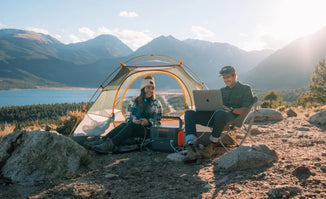








The UK's appeal for campers is undeniable, offering incredibly diverse landscapes all within accessible travel distances. Exploring these popular camping sites in the UK is a fantastic way to reconnect with nature.
Exploring the Most Popular Camping Sites in the UK
The UK is a patchwork of stunning regions, each offering a unique camping experience. Your choice of location will shape your adventure.
The Lake District
The Lake District is the quintessential destination for classic British scenery, drawing walkers and families to its fells and waters. Its dramatic landscapes are a photographer's dream, known for stunning natural scenery, lakes, and peaks.
Cornwall
Cornwall's allure lies in its golden beaches and world-class surf, making it a haven for beach-goers and water sports enthusiasts. The coastal beauty is breathtaking, from sunrise over the Atlantic to sunset behind historic engine houses.
Notable sites include Mother Iveys Bay Holiday Park and Gwithian Farm Campsite.
Scottish Highlands
For those seeking true wilderness, the Scottish Highlands offer remote beauty and opportunities for wild camping. This is a region for the self-sufficient adventurer. The rugged terrain demands respect and preparation, including a robust power source for safety beacons, GPS devices, and communication, especially when you're far from help.
New Forest
The New Forest National Park provides an accessible woodland escape, perfect for families, first-time campers, and dog-walkers. Its ancient woods and heathlands are crisscrossed with gentle trails.
What Are Some Other Notable Camping Regions?
· Snowdonia National Park (Wales): Offers challenging hikes, mountainous landscapes, and breathtaking views.
· Yorkshire Dales: Features picturesque valleys, stunning waterfalls, and extensive hiking trails.
· Brecon Beacons (Wales): An International Dark Sky Reserve, perfect for stargazing.
· Causeway Coast (Northern Ireland): Iconic landscapes, including the Giant's Causeway (UNESCO World Heritage Site).
· Norfolk & Suffolk: Including Dunwich Forest, offering diverse natural beauty.
· Devon: Home to Dartmoor and Exmoor Dark Sky Reserve.
· Peak District: Features sites like Upper Booth Campsite.
· South Downs: Including Gee’s Campsite.
· Gower Peninsula: With sites like Pitton Cross Caravan Park.
· Pembrokeshire, The Broads, and Cotswolds: All offer unique camping experiences.
Choosing Your Camping Style: From Tents to Campervans
Your accommodation choice directly impacts your comfort, mobility, and power setup. Understanding the differences is key to planning your trip.
Traditional Tent Camping
This is the classic, budget-friendly way to experience the outdoors. Traditional tent camping involves pitching your own tent at designated campsites, often with access to shared facilities. It offers an immersive connection with nature but presents a key challenge: a complete lack of built-in power.
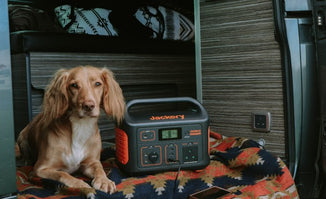
A portable power station solves this problem, allowing you to run lights, charge phones, and even power a small heater without being tied to a formal pitch.
Campervans & Motorhomes
A campervan or motorhome provides a fantastic balance of comfort and mobility, offering a home on wheels. This option is growing in popularity, offering flexibility and comfort. While many have their own leisure batteries, these systems can be noisy or insufficient for modern needs. A portable power station offers a silent, fume-free alternative for running appliances like coffee machines, laptops, or medical devices without draining your vehicle's primary system. For more tips, see our guide to motorhome campsites in the UK.
Glamping
Glamping, or "glamorous camping," offers a wide range of comfortable and unique accommodations.
· Accommodation Types: These include cabins, pods, shepherd's huts, yurts, treehouses, bell tents, safari tents, and domes.
· Common Amenities: Amenities often include beds, heating, private facilities, and even hot tubs.
Wild Camping / Freedom Camping
Wild camping means setting up your tent outside of a formal campsite, offering ultimate freedom but demanding great responsibility. It is crucial to understand the legalities, which vary across the UK. Wild camping is generally restricted in England and Wales, but permitted in Dartmoor and much of the Scottish Highlands under specific conditions.
Before you go, check local authority rules and the Scottish Outdoor Access Code. Learn more about responsible wild camping in the UK.

How to Choose the Perfect Campsite for Your Trip
Making the right decision on where to pitch your tent or park your van is fundamental to a successful trip.
What Facilities Should You Look For?
One of the first choices you'll face is between an electric hook-up (EHU) and a non-hook-up pitch. EHU pitches provide mains power but are often more expensive and located in busier, less scenic parts of the campsite. Non-hook-up pitches are frequently quieter, more spacious, and offer better views, but they lack a power source.
How Do You Match a Campsite to Your Needs?
Different campsites cater to different types of campers. Look for sites with features that match your holiday style:
· Family-friendly: Seek out sites with dedicated play areas, activities, and good facilities.
· Adult-only retreats: Peaceful and secluded spots for a quiet escape.
· Dog-friendly: Check for sites with designated dog-walking areas, nearby footpaths, and policies that welcome your four-legged friend.
· Dark Sky Camping: For stargazing enthusiasts, especially in designated Dark Sky Reserves.
· Beach Access: For coastal holidays and water activities.
· Woodland Breaks: For nature immersion and forest walks.
How Should You Book and Plan Your Trip?
· Platforms: Use websites like 'cool camping UK', 'campsites.co.uk', and 'pitchup.com' for comprehensive listings.
· Direct Booking: Often offers potential cost savings.
· Filtering Options: Search by region, county, accommodation type, price, availability, and tourist board rating.
Your Essential UK Camping Gear Checklist
What Shelter and Sleep System Do You Need?
· An appropriate tent for the season and group size.
· Correctly-rated sleeping bags for the expected nighttime temperatures.
· Comfortable and insulated sleeping mats or airbeds.
What Should You Pack for Cooking and Clothing?
· A reliable portable stove and fuel.
· Basic cookware, utensils, and a cool box.
· A waterproof layering system for clothing, including a base layer, mid-layer fleece, and an outer waterproof jacket and trousers.
What Are the Best Power Solutions for Modern Campers?
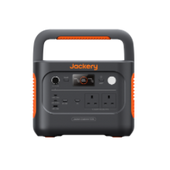
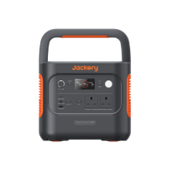
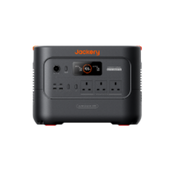
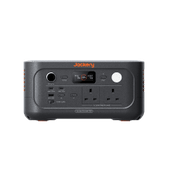
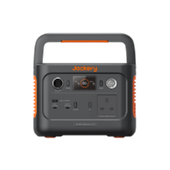
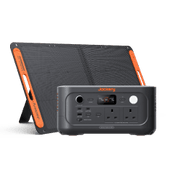
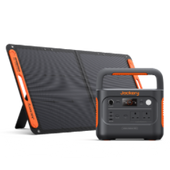
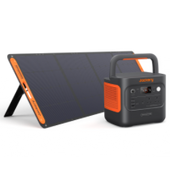
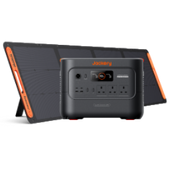
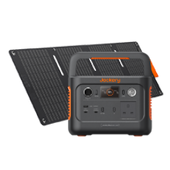
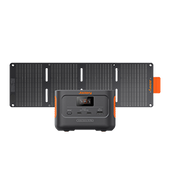
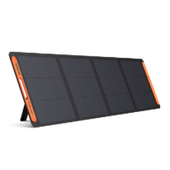
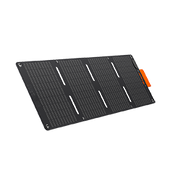
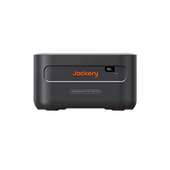
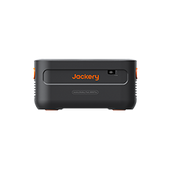
Keeping devices charged (phones, cameras, portable fridges) while off-grid is a common challenge. Portable power stations offer a robust solution.
|
Use Case |
Recommended Model |
Key Specifications |
|
Light Use (Phones, Lights) |
Jackery Explorer 300 Plus |
Weighs only 3.75 kg; can recharge a phone ~13 times. |
|
Weekend Trips (Fridges, Laptops) |
0-100% emergency supercharging in 1 hour; runs a 50W laptop for ~13.5 hours. |
|
|
Serious Off-Grid Power |
34% lighter than alternatives; powers a 1000W electric stove for 1.6 hours. |
|
|
Ultimate Self-Sufficiency |
3072Wh capacity; runs a 200W fridge for 24-48 hours; recharges an e-bike 3-4 times. |
Sustainable & Responsible Camping in the UK
Enjoying the great outdoors comes with a responsibility to protect it. The "Leave No Trace" philosophy is the guiding principle for all responsible campers.
What Are the Key Principles for Responsible Camping?
· Plan Ahead and Prepare: Research your destination and pack appropriately to minimise your impact.
· Dispose of Waste Properly: Pack it in, pack it out; proper disposal of all rubbish, recycling, and composting.
· Minimise Campfire Impacts: Check fire regulations, use designated fire pits, and ensure fires are completely out. A silent, emission-free portable power station is a lower-impact alternative to a noisy, fossil-fuel generator.
· Respect Wildlife: Be mindful of local wildlife, observe animals from a distance, and never feed them.
· Leave What You Find: Preserve the natural and historical features of the landscape for others to enjoy.
· Use Refillable Containers: Reduce single-use plastic waste by using refillable water bottles and food containers.
· Water Disposal: Do not dump grey water into natural sources.
· Footpaths: Stick to marked trails to prevent erosion.
Where Can You Check Camping Regulations?
Always verify parking and pitching regulations, especially for wild camping on private land. Consult local council websites or national park authorities for specific rules. For more information on protecting these areas, consult the National Park authorities.
Plan Wisely and Camp with Confidence
Proper planning and the right gear are the keys to a successful and stress-free UK camping trip. From choosing the right region to packing the essential equipment, every decision contributes to your overall experience.
A suitable portable power solution removes one of the biggest anxieties of modern camping: the fear of being left without power. It provides the freedom to stay connected, comfortable, and safe, no matter where your adventure takes you.
Frequently Asked Questions
What are the best resources for finding and booking campsites with specific amenities like hot showers or laundry facilities?
Websites like Pitchup, Cool Camping, and The Camping and Caravanning Club have powerful search filters that let you find sites with the exact facilities you need.
How can I effectively plan my camping trip to minimize environmental impact beyond just waste disposal?
Choose local produce to reduce food miles, support campsites with strong eco-credentials, and use public transport or car-share where feasible to lower your carbon footprint.
Are there specific apps or digital tools recommended for navigation, weather forecasting, or identifying points of interest while camping in the UK?
OS Maps is excellent for detailed navigation, the Met Office app provides reliable weather forecasts, and Komoot is great for discovering hiking and cycling routes shared by other users.
What are the legal considerations and best practices for having a campfire or using a portable fire pit at UK campsites?
Always check the campsite's specific rules, as many only permit fires in designated pits and off the ground. Never leave a fire unattended and ensure it is completely extinguished before you leave or go to sleep.
What lesser-known but equally beautiful UK camping destinations would you recommend for those seeking a unique experience?
The Pembrokeshire Coast in Wales offers stunning coastal paths and secluded coves, while Northumberland in North East England boasts dark sky parks, dramatic castles, and a quieter atmosphere. For more inspiration, check out our guide to camping in Manchester and its surroundings.


