




































White water rafting is probably one of the most insane water sports you can try. Doesn't zipping down a river in an inflatable raft, dodging whirlpools, crashing against rocks, and plunging over waterfalls sound a little crazy? But it's not. White water rafting is an amazing, thrilling experience that combines the adrenaline of dangerous rapids with the camaraderie of a war movie, delivering an adrenaline rush and a burst of joy.
So, is white water rafting possible in London? Yes, several great spots around London for whitewater rafting include Lee Valley White Water Centre, Nene Whitewater Centre, the National Water Sports Centre, and the River Dart.
In addition, below, you'll find information on white water rafting basics, requirements, preparation, equipment checklists, and safety tips.
|
Key Takeaways: |
|
Introduction to White Water Rafting
White water rafting is a thrilling and brutal outdoor recreation sport. Participants ride inflatable boats or rafts down violent rivers, traversing rapids, whirlpools, and rocky terrain known as "whitewater," and experience the strength of nature as well as the thrill of teamwork. "Whitewater" refers to the white waves created by the current dashing against the rocks, and rafting on them is like sailing through the shimmering waters. In other words, it mixes adventure, collaboration, natural experiences, and entertainment to become one of the world's most popular water sports.
White Water Rafting Difficulty Levels
Whether you're a first-time rafting enthusiast or an experienced rafting enthusiast, it's crucial to understand the white water rafting grading system. White water rafting is generally classified using an internationally accepted six-level system to describe the rapids and technical requirements of the river. The key to this grading system is choosing the right river challenge for your skill level to ensure a fun and safe experience.
|
Level (Difficulty) |
Description |
Suitable for: |
|
Grade I: Easy |
The current is gentle, with small waves and few significant obstacles. |
Ideal for leisurely rafting and family outings. |
|
Grade II: Novice |
The current is faster, with wide rapids and well-defined channels; the waves are less severe but more challenging. |
Suitable for beginners seeking a small challenge and learning basic paddling techniques. |
|
Grade III: Intermediate |
The current is frequent and irregular; rocks and small waterfalls may need to be avoided, requiring skilful manoeuvring. |
Suitable for adventurous beginners and experienced surfers. |
|
Grade IV: Advanced |
The current is intense and turbulent, with unavoidable large waves, obstacles, and whirlpools; precise boat handling is required. |
Designed for experienced rafters seeking a thrill. |
|
Grade V: Expert |
The current is highly turbulent, with complex channels and dangerous obstacles; the current is long, requiring excellent detection and rescue skills. |
Suitable for those with advanced skills and a high level of fitness. |
|
Grade VI: Extreme |
Extremely difficult and dangerous, almost unnavigable; the risk of injury or even death is extremely high. |
This tour is only available to professional teams and under certain conditions. |
What's the Allure of White Water Rafting?
Here are a few key reasons why white water rafting is so popular:
Extreme Thrill and Adventure: The adrenaline rush of bobbing, spinning, and careening down the chute on the surging waves is unparalleled.
Stunning Natural Scenery: Rafting routes often lie within canyons and rivers, offering breathtaking views not accessible by regular land travel.
Challenging Yourself: Facing the rapids, overcoming your fears, and developing your courage and reflexes are key. Completing a raft brings a profound sense of accomplishment.

Is There White Water Rafting Available Around London?
Yes, you can enjoy whitewater rafting in London, with professional facilities offering cutting-edge equipment and a variety of experiences. The Lee Valley White Water Centre is highly recommended. It is perhaps the most convenient, safe, and professional white water rafting experience in London. However, this does not mean you are limited to a single option. Here are some fantastic spots for whitewater rafting around London.
Location: Station Rd, Waltham Cross EN9 1AB
Contact: 03000 030 616
Not all white water rafting rivers are natural. Near London, the Lee Valley White Water Centre is arguably the most famous artificial whitewater rafting venue. This world-class facility, used during the 2012 London Olympics, offers rafting on artificial rapids. Its advantage is that the 300-meter rafting route remains consistent regardless of weather or rain. However, the obvious disadvantage is that the scenery may not be as scenic as that of Snowdonia or the Cairngorms. Overall, it's suitable for both beginners and experienced rafters.
Location: Bedford Road, Northampton, Northamptonshire, NN4 7AA
Contact: 01604 634040
Nene Whitewater Centre is an artificial whitewater course on the banks of the Nene River. It is the UK's first pumped whitewater course. Three pumps control the flow of water over the 300-meter course, allowing the centre to adjust the water flow and thus the difficulty and skill level of the course.
Location: Adbolton Ln, Holme Pierrepont, Nottingham NG12 2LU
Contact: 0115 982 1212
The National Water Sports Centre in Nottinghamshire offers artificial whitewater rafting courses of varying difficulty levels, perfect for those who prefer a more adventurous environment. However, it is far from London, so it is best to plan your trip.
River Dart
The River Dart is a renowned whitewater rafting destination in the UK, known for its stunning scenery and challenging rapids. The upper reaches offer Grade 3-4 rapids, perfect for adventurous rafting enthusiasts; the lower reaches, with more gentle Grade 2-3 rapids, are ideal for beginners and families. However, due to its distance from London, it's not suitable for short trips or beginners.
What Are the Requirements for White Water Rafting in London?
The specific requirements for white water rafting near London vary depending on the operator and the river. Here are the basic requirements for white water rafting:

Age Limit
Most white water rafting activities have specific age requirements. The typical minimum age is 8. Some more adventurous routes may require participants to be 13 or older. Some activities also have an upper age limit, such as 80, while others state "no maximum age limit." Children usually need to be accompanied by an adult. For example, the standard white water rafting program at Lee Valley White Water Centre requires participants to be 12 years old or older.
Weight Limit
To ensure the boat's balance and the life jacket's effective attachment and buoyancy, operators often set a weight limit. For example, the standard whitewater rafting program at Lee Valley White Water Centre requires participants to weigh under 18 stone.
Number of People
white water rafting is typically done in groups. Groups can have up to 14 people per experience. For example, the standard whitewater rafting program at Lee Valley White Water Centre accommodates up to 9 participants per raft. Larger groups may need to split into multiple rafts.
Health Requirements
Participants must confirm they are in good health. Pregnant women and those with heart disease, high blood pressure, severe asthma, or other serious chronic medical conditions are generally not recommended. Those with a recent cold or fever should also avoid participating, as prolonged exposure and colder water can exacerbate these conditions.
However, these are only the minimum requirements for most white water rafting activities. Please confirm your requirements with your chosen operator before booking.
How to Create an Unforgettable White Water Rafting in London?
While London itself isn't home to many natural whitewater rivers, the city's excellent outdoor facilities and a well-planned itinerary make for an exciting and memorable white water rafting adventure. Here are some things to consider for a memorable white water rafting experience in London:

Clarify Your Rafting Goals and Experience
First, define your rafting objectives; these will impact your destination and itinerary. Lee Valley White Water Centre is recommended if you want to have a safe, pleasant, and intimate experience. The River Dart is excellent for those seeking a natural challenge amid beautiful scenery. Rafting tours usually range from half-day to full-day, and your budget should cover transportation, equipment, and instructor expenses.
Book in Advance
Book at least a week in advance on the official website, as these popular activities are rarely available. Check the webpage carefully for opening hours and participant criteria. For example, Lee Valley White Water Centre's conventional rafting program needs participants to be at least 12 years old. In contrast, its family rafting program requires players to be at least 8 years old. If you are travelling with friends or relatives, please indicate the number of people in advance. Some places provide full boat rentals, which are perfect for smaller groups.
Mastering Key Rafting Techniques
Even with a skilled instructor, knowing the fundamentals beforehand will make your experience more enjoyable and safer. You'll need to know basic paddling orders, how to react if you go overboard, and how to function as a team. Furthermore, white water rafting isn't a one-person show; obeying your instructor's directions and paddling in tandem with your colleagues are essential for safety and enjoyment.
Enjoy Yourself
When you're ready, take part in this water adventure. Don't worry; white water rafting is a very safe and entertaining activity when done with a trained instructor. Even if you fall overboard, your life jacket will keep you safe; just be calm and help with rescue attempts.
White Water Rafting Equipment List
When white water rafting near London, being well prepared will ensure you enjoy this thrilling outdoor activity with confidence. To ensure safety, comfort, and maximum enjoyment, here's a systematic, professional, and comprehensive gear checklist.

Non-Slip Shoes: Always wear slip-resistant, securely wrapped shoes, such as sneakers, river shoes, or beach sandals.
Swimwear: Wear your swimwear under your regular clothing beforehand to make putting it on easier.
Towel: After rafting, towel off and change into dry clothes.
Complete Set of Dry Clothing: Prepare at least one full set of dry clothing, from inside to outside, for easy change afterwards.
Quick-Drying Clothing: Avoid absorbent cotton. Opt for quick-drying T-shirts and trousers. These will dry faster in the wind and sun on the gentler sections of the river, and long sleeves and long trousers will also help prevent sunburn and rock scratches.
Sunscreen: It's recommended to use a highly waterproof sunscreen and consider using a headscarf to protect your face and neck.
Waterproof Bags: Prepare one or more well-sealed waterproof or plastic bags to store wet clothing after rafting and to protect sensitive items like your phone and ID.
Snacks and Drinking Water: Bring portable foods like chocolate and energy bars to replenish energy when you feel tired.
Toiletries: If you want a refreshing shower after rafting, bring travel-sized shampoo and shower gel.
Personal Medications: If you take regular medications, be sure to carry them with you and keep them waterproof.
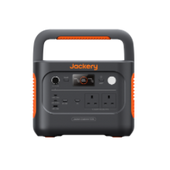
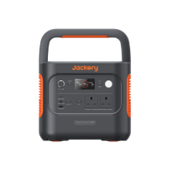
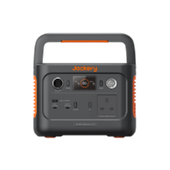
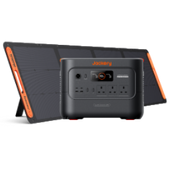
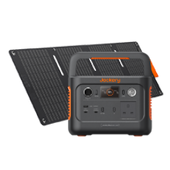
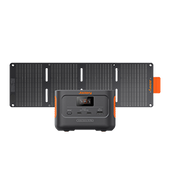
Portable Power Bank: Cameras and navigation consume power quickly, so it's recommended to bring a portable power bank (such as the Jackery Explorer 500 v2 Portable Power Station) and fully charge it in advance.
|
White Water Rafting Equipment List |
|
|
Non-Slip Shoes Swimwear Towel Full Set of Dry Clothing Quick-Drying Clothing Sunscreen |
Waterproof Bags Snacks and Drinking Water Toiletries Personal Medications Portable Power Bank |
This equipment list is provided for reference only; please prepare according to your unique requirements. Most rafting centres provide basic whitewater rafting gear and safety equipment (life jackets, helmets, and boat gear).
However, you must bring your own personal protective equipment and waterproof clothing to ensure hygiene, fit, and safety. However, if you plan to go white water rafting in a natural setting like the River Dart, you should pack all of your gear ahead of time.
Jackery: The Ideal Aids for White Water Rafting in London
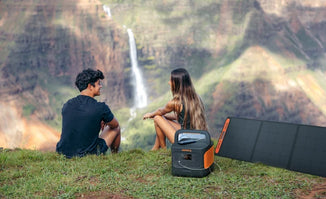
Whitewater rafting in and around London is a thrilling and challenging outdoor adventure. Aside from appropriate safety equipment and professional guidance, using a portable power source such as Jackery can significantly enhance the safety, convenience, and enjoyment of the activity. Whitewater rafting trips usually take several hours, and participants often bring mobile phones, action cameras, walkie-talkies, or GPS devices.
Jackery may charge these gadgets before departure and swiftly recharge them at rest stops, ensuring enough power for the entire rafting journey. The Jackery Portable Power Station can power GPS locators or emergency lighting in distant or low-signal places.
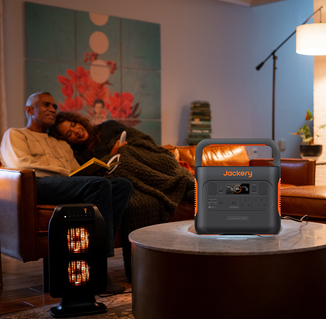
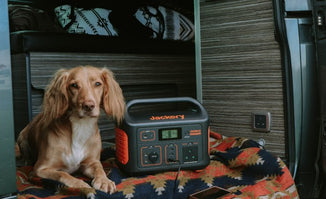
Jackery Explorer 500 v2 Portable Power Station
While the Jackery Explorer 500 v2 is an excellent portable power station, white water rafting in London (at locations like the Lee Valley White Water Centre) primarily involves a short, high-intensity activity. The power station would be most useful for pre- and post-rafting activities and for a multi-day trip where you might be camping or staying off-grid nearby.

Superior Battery Life & Durability: It uses a LiFePO4 (LFP) battery with an industry-leading 6,000 charge cycles to 70%+ capacity. This means you can rely on it for years of outdoor adventures, which is essential for a high-wear activity like rafting.
Excellent Portability: Weighing only 12.57 lbs (5.7 kg) and being one of the lightest and smallest in its class, it's easy to carry from your car to a staging area or a nearby campsite. Its compact, slim design is also convenient to pack in a car boot or under a seat.
Reliable in UK Conditions: It is engineered to operate in extreme temperatures from -20°C to 45°C. This ensures reliable power whether you're dealing with a cold, damp morning or a warmer summer day near the river.
Safe & Stable Power: It features a 12-layer BMS (Battery Management System) and delivers a constant-voltage, pure-sine-wave output. This protects sensitive electronics like cameras, drones, or laptops from damage caused by power fluctuations, which is crucial when charging expensive gear.
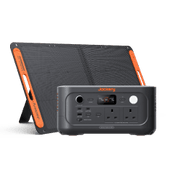
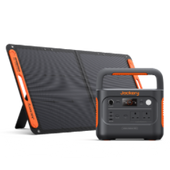
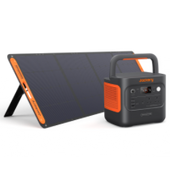
Eco-Friendly Recharging: It is an emission-free, quiet alternative to traditional generators, aligning with the "leave no trace" ethos often associated with water-based nature activities. It is also designed for Solar Priority charging if you bring a Jackery SolarSaga 100W panel.
Is White Water Rafting London Safe?
White water rafting is a fun outdoor activity. It is safe when appropriately operated and under professional supervision.
However, safety is not absolute; it is determined by a variety of factors, including the river's grade, human skill, and the implementation of safety precautions. We'll go over the dangers of white water rafting and the most important safety precautions.
Potential Risks of White Water Rafting
Understanding the risks of white water rafting is the first step to ensuring safety. Key risks include:
Falling Overboard and Drowning: This is the most serious risk. Even while wearing a life jacket, falling into the water, becoming trapped by underwater obstacles (such as rocks or branches), or being swept into strong currents can still cause drowning.
Collision Injuries: Collisions with fellow rafters, oars, rocks, or other obstacles can result in bruises, sprains, or even fractures.
Sudden Weather Conditions: Heavy rain, lightning, and flash floods can cause water levels to rise rapidly, and the current can quickly intensify.
White Water Rafting Safety Tips
white water rafting dangers can be effectively minimised if you pay close attention, prepare thoroughly, and choose an adventure appropriate to your ability. Here are some useful white water rafting safety guidelines:
Tip 1: Choose a professional operator and licensed instructor. Check their safety record, equipment maintenance, and emergency response plans.
Tip 2: If you have heart problems, high blood pressure, asthma, back or neck problems, epilepsy, or are pregnant, be sure to inform the operator in advance. They may advise against participating.
Tip 3: Follow the guide's instructions immediately and accurately. The guide is familiar with every bend and hazard in the river. Their instructions are crucial to ensuring a safe passage for everyone on board.
Tip 4: Wear safety gear at all times, including securing your life jacket and helmet. Never unfasten them.
Tip 5: If you accidentally fall into the water, remain calm, float on your back with your feet facing downstream, and swim as far as possible to a safe area (a boat, shore, or calmer water).
FAQs
The following are the frequently asked questions about white water rafting in and around London:
1. Where can I go white water rafting in London?
London offers numerous excellent white water rafting locations for all abilities, including both natural and artificial sites. Top-notch artificial sites, such as Lee Valley White Water Centre, an Olympic venue outside London, and Nene Whitewater Centre near Northampton, allow city dwellers to experience rafting right on their doorstep. For even more breathtaking scenery, the River Dart's natural beauty is sure to delight.
2. Who can go white water rafting?
White water rafting is a sport accessible to almost anyone, and most whitewater rafters have little to no experience. Generally, anyone in good physical condition can participate. However, be aware that some rafting centres may have age and weight restrictions.
For example, Lee Valley White Water Centre requires participants to be at least 12 years old and weigh no more than 18 stone for regular rafting. Additionally, some rafting centres require participants to be able to swim. Therefore, please check their requirements and regulations before booking.
3. What kind of boats are typically used for white water rafting?
Whitewater rafts generally share the same basic design: an upturned bow and stern and several seat panels (inflatable tubes running across the bottom of the boat) for paddlers to sit on. Paddlers also use the seat panels to tuck their feet underneath, helping them stay in the ship, while the front paddler uses foot rings secured to the bottom of the raft.
It consists of several inflatable chambers, so if one chamber breaks, there's still air in the others to keep you afloat. It's usually made of synthetic materials like polyurethane, which is durable and easy to slide on rocks.
4. Do I need safety equipment for white water rafting?
You generally don't need to prepare any safety gear yourself. Your chosen white water rafting company will provide you with a wetsuit, helmet, buoyancy aid, and paddles. Furthermore, you'll be accompanied by a professional and experienced guide throughout the entire float.
Final Thoughts
In the UK, white water rafting is possible almost year-round. Thanks to the regularity of rainfall (it's almost always raining somewhere in the UK), rivers tend to maintain good water levels. Naturally, after summer, the river flows become more consistent. Similarly, the conditions are right for white water rafting in London. However, you need to be thorough before setting off, including selecting a location, booking in advance, and packing your gear.
The Jackery Explorer 500 v2 Portable Power Station will provide the power you need for white water rafting in London. In short, careful planning and preparation, choosing a safe and reliable rafting location, and understanding the ins and outs of rafting will ensure a fun and memorable whitewater rafting experience.


